
11 November 2025 The Future is the Product of the Past

Unique Rock Tomb Discovered in Southeastern Türkiye’s Şanlıurfa

Hasan Şıldak, the governor of the city of Şanlıurfa in south-eastern Türkiye, announced on his social media account that a rock tomb was found in the courtyard of a house.

Within the scope of the Culture Inventory Project, the Rock Tomb in the courtyard of a house in Eyyübiye neighbourhood was recorded in the inventory.

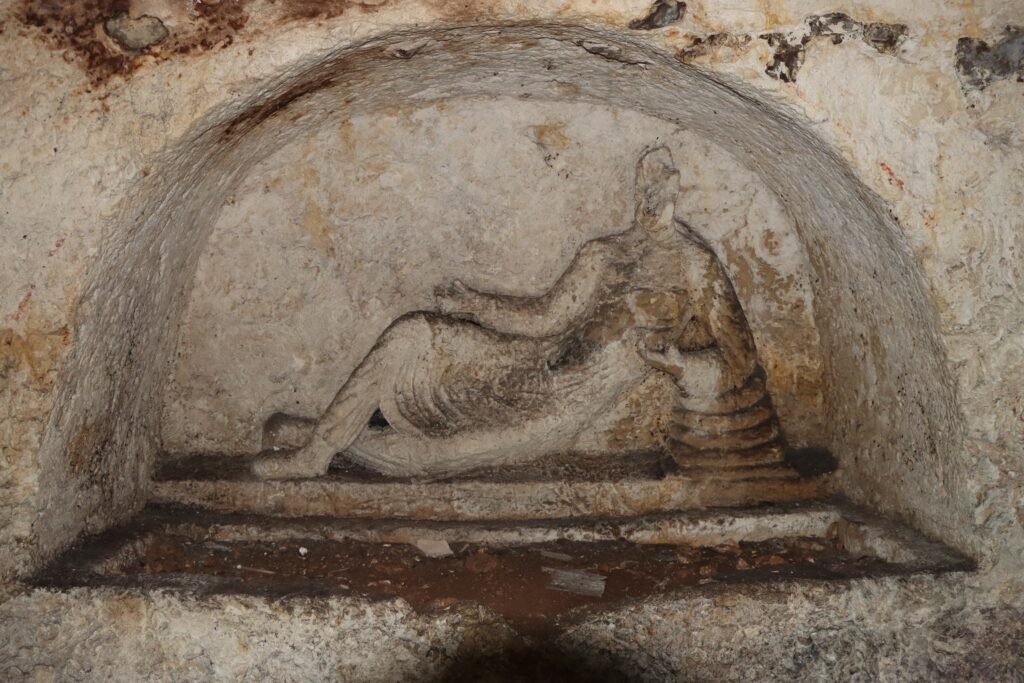
It was stated in the explanation that the rock tomb has a single-chamber structure and is adorned with various reliefs. On one wall of the tomb chamber, there is a relief of a man lying on his left arm, while in the other two corners, there are two-winged female reliefs. There are other reliefs in different parts of the room.

On the inner side of the entrance door, there is an inscription processed with ochre paint, but it is unreadable due to damage. The dating of the rock tomb will be established through further research and analysis, as current investigations have not yet provided conclusive results.
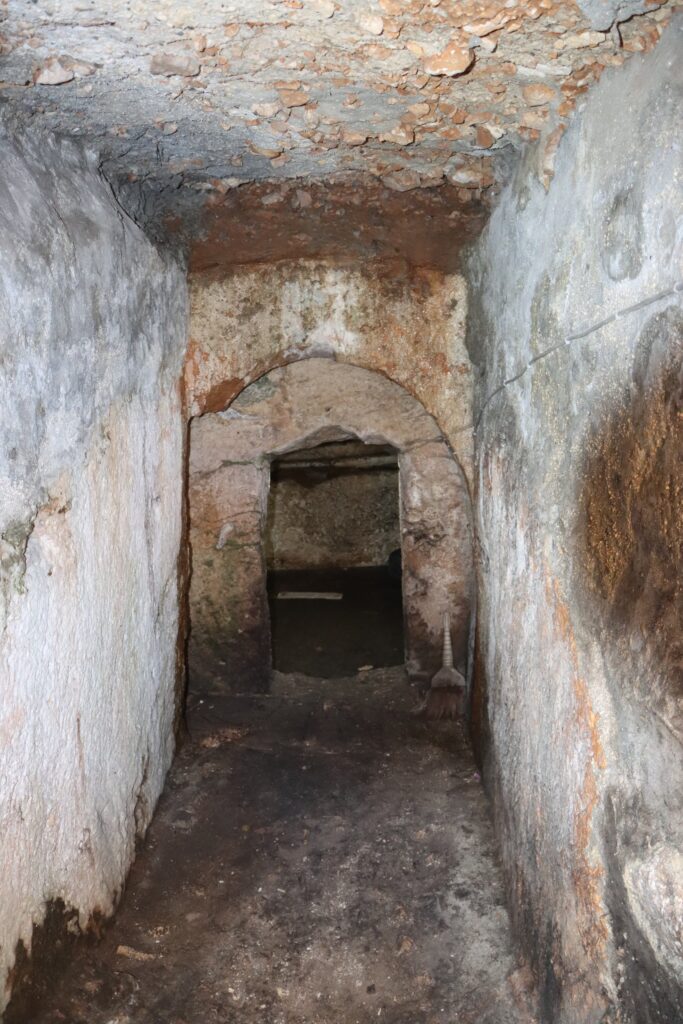
Photo: Hasan Şıldak, Governor of Şanlıurfa, via [Media Source/Social Media Platform].

Şanlıurfa is a historical city located in southeastern Türkiye and has a rich cultural heritage. The rock tombs found in Şanlıurfa are among the significant structures from ancient times. These tombs are typically carved into rocks and adorned with various reliefs. The rock tombs attract attention for both their architectural features and the artworks they contain.


📣 Our WhatsApp channel is now LIVE! Stay up-to-date with the latest news and updates, just click here to follow us on WhatsApp and never miss a thing!!


The dating of the rock tombs in Şanlıurfa is generally based on various criteria such as archaeological finds, architectural features, and the artworks they contain. Most of these tombs date back to the 1st millennium BC, particularly to the Late Hittite period (9th century BC – 7th century BC) and the Roman period (1st century AD – 4th century AD).

The reliefs found in the rock tombs are particularly significant as they reflect the changes in the social and religious structures of the period. These reliefs often depict various themes that provide insight into the beliefs, customs, and daily lives of the people who created them. Typically, the rock tombs in the region contain decorations and reliefs that include human figures, animal representations, and mythological scenes. These artistic elements not only serve an aesthetic purpose but also convey important cultural narratives. By examining these reliefs, researchers can gain a deeper understanding of the evolving dynamics within the society, including shifts in religious practices, social hierarchies, and the relationship between humans and nature during that era.
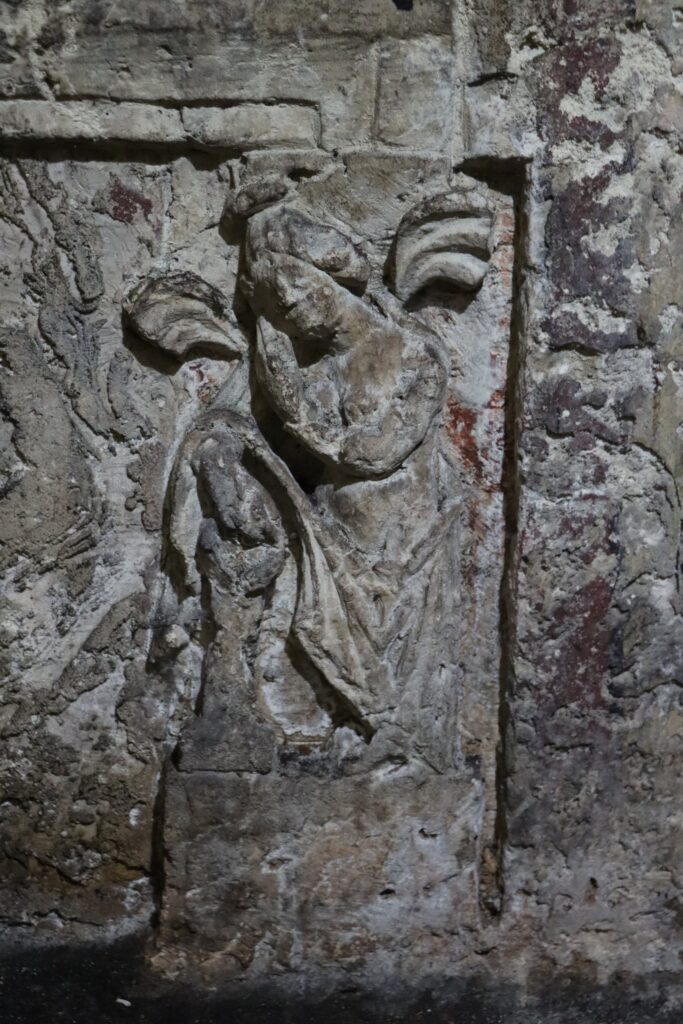
Photo: Hasan Şıldak, Governor of Şanlıurfa, via [Media Source/Social Media Platform].

Human Figures: The interior walls of the tombs often feature human figures, typically depicted as male and female. These figures reflect the clothing styles and social structures of the period.

Animal Figures: Various animal figures, especially those of hunting animals, are frequently seen in the tomb decorations. These figures symbolize beliefs related to hunting and the lifestyle of the people.

Mythological Themes: Some tombs include mythological figures and scenes. Such reliefs reflect the ancient belief systems and legends.
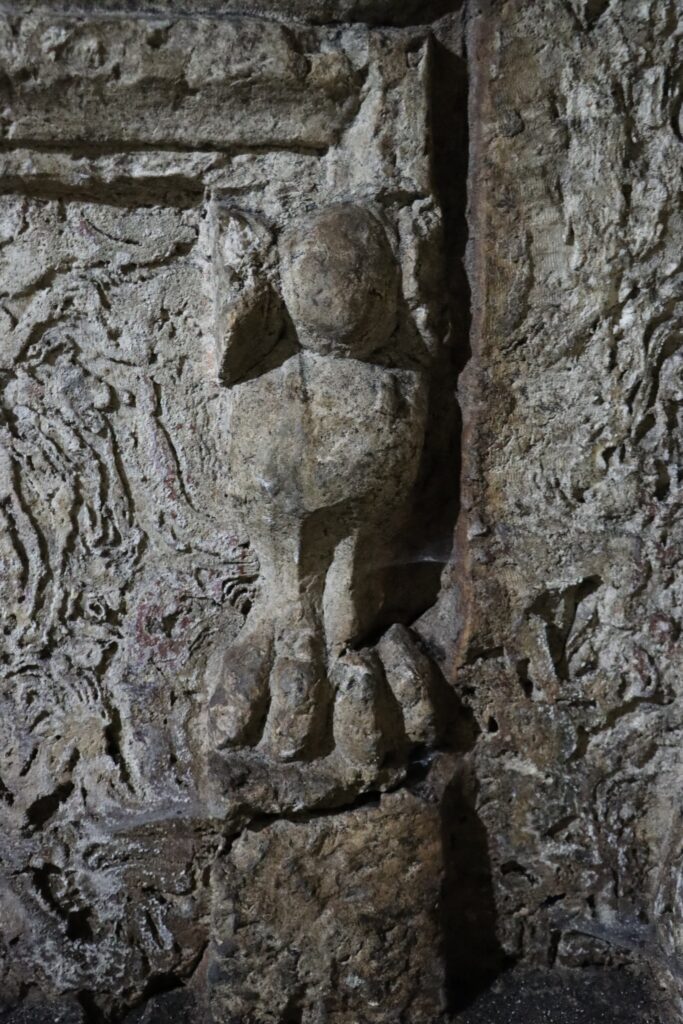
Photo: Hasan Şıldak, Governor of Şanlıurfa, via [Media Source/Social Media Platform].

Plant Motifs: Plant motifs that symbolize nature are commonly used in tomb decorations. These motifs emphasize the connection to life and nature.

Geometric Patterns: Geometric patterns can also be found in some tombs. These patterns not only provide an aesthetic appearance but also reflect the artistic understanding of the period.

These new discoveries demonstrate that the rock tombs in Şanlıurfa are not only a part of our historical and cultural heritage but also serve as significant resources that help us understand the changes in the social and religious structures of ancient societies.

Cover Image Credit: Hasan Şıldak, Governor of Şanlıurfa, via [Media Source/Social Media Platform].

Related Articles

Archaeologists Found Seal Impressions That Could Change Hittite History in Kayalıpınar

15 September 2023

15 September 2023

A seal impression belonging to Hattusili III was found during the excavations carried out near the village of Kayalıpınar in...

Archaeologists may have found Lyobaa, the Zapotec Land of the Dead

1 July 2023

1 July 2023

An archaeological team from the Lyobaa project has confirmed the existence of a vast Zapotec underground complex in their study...

Who will solve the puzzle of Bronze Age tin? Origin of tin ingots from Uluburun shipwreck disputed – the metal may have come from Cornwall

3 October 2023

3 October 2023

The exact origin of tin in the Bronze Age is the Holy Grail of archaeometallurgists: For 150 years, experts have...

A former Spanish disco-pub confirmed as lost medieval Synagogue

11 February 2023

11 February 2023

In the Andalucian city of Utrera, archaeologists have uncovered the remains of a 14th-century synagogue. The discovery, made public on...

A Temple Guardian From The 13th Century Found At Cambodia’s Angkor Wat

17 September 2024

17 September 2024

While clearing rubble from a collapsed gate at the Banteay Prei Temple within Cambodia’s Angkor Wat Archaeological Park, workers stumbled...

Research Team Identifies Oldest Bone Spear Point In The Americas

3 February 2023

3 February 2023

A team of researchers has identified the Manis bone projectile point as the oldest weapon made of bone ever found...

1,800-Year-Old Sanctuary to Mithras discovered in Spain

8 February 2023

8 February 2023

Archaeologists excavating at Villa del Mitra in Cabra, Spain, have uncovered a sanctuary dedicated to the god Mithras, along with...

8,500-year-old buildings discovered on Abu Dhabi’s Ghagha island

17 February 2022

17 February 2022

Archaeologists in Abu Dhabi have discovered startling new evidence of the Emirates’ first known structures, which date back more than...

Hiker found a place of holy worship at an altitude of 2,590 meters in the Swiss Alps

15 March 2023

15 March 2023

A trekking enthusiast stumbled upon an ancient Roman coin buried in rubble in a remote area high in the Alps...

Ancient city “Germanicia” lost in 73 years

8 July 2021

8 July 2021

The presence of the ancient city of Germanicia, discovered during an illegal excavation in the southeast Turkish province of Kahramanmaraş...

An unknown church with a special floor plan discovered in Erwitte, northwestern Germany

18 September 2023

18 September 2023

Archaeologists from the Westphalia-Lippe Regional Association (LWL) have discovered the remains of a former church from the 10th century near...

Doune Pistols: The Spark That Ignited a Revolution Returns Home

5 May 2025

5 May 2025

A remarkable piece of Scottish history has returned to its roots as a collection of ten exquisite 18th-century pistols, crafted...

Bronze Age and Roman-era settlements unearthed in Newquay

10 April 2023

10 April 2023

Archaeologists from the Cornwall Archaeological have uncovered ancient dwellings from the Bronze Age and a Roman period settlement in Newquay,...

Pendants and beads reveal nine European Cultures living across the continent 30,000 years ago

1 February 2024

1 February 2024

In a new study, researchers have constructed a continent-wide database of personal ornaments worn by Europeans 34,000-24,000 years ago, a...

6,000 years old Underwater Ruins Discovered off Cuba: A Lost City Older Than the Pyramids — Or Be a Geological Oddity?

10 August 2025

10 August 2025

Recently, a mysterious discovery has resurfaced on social media, reigniting debates and curiosity worldwide: the so-called “lost city” said to...