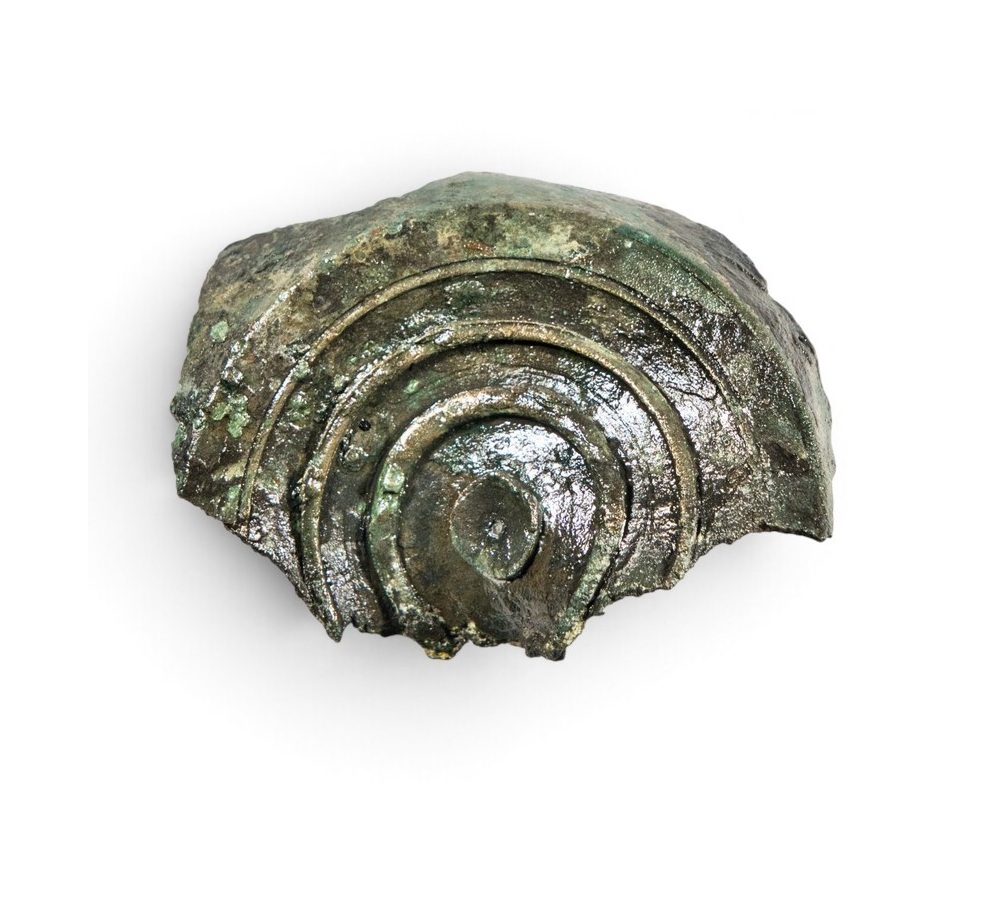
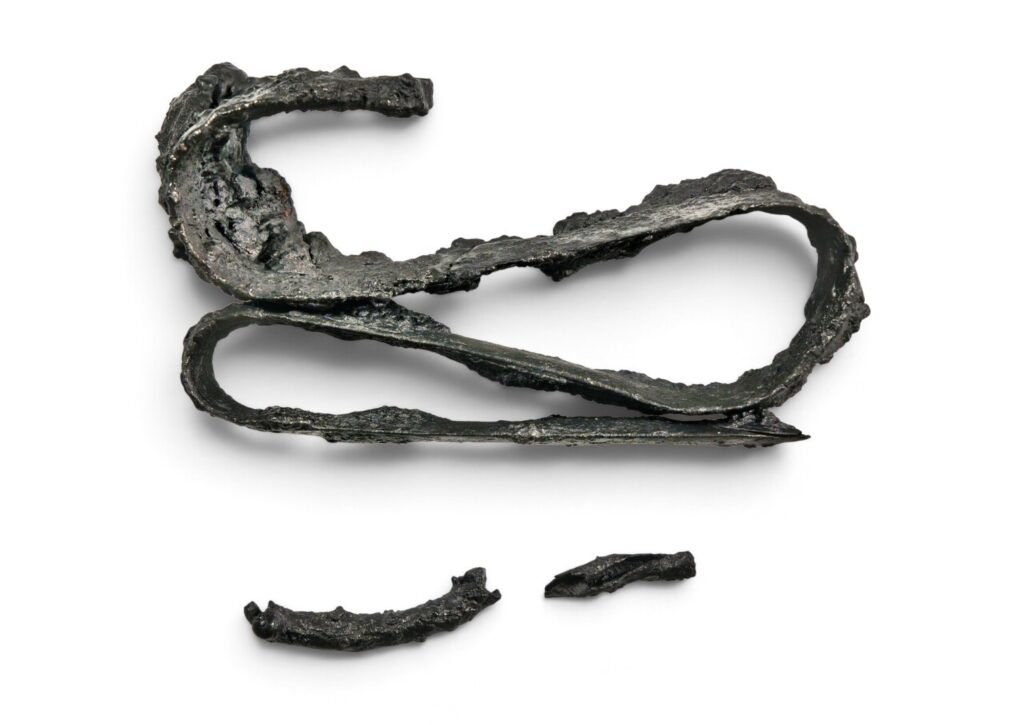
Archaeologists completing three years of excavations in the Baranów region of Poland have uncovered thousands of artifacts in a cemetery dating back over 2,000 years. The findings include swords bent for ritual purposes, cremation urns, weapon fragments, and a rare crescent-shaped necklace adorned with filigree work. Belonging to the Przeworsk culture, the cemetery provides significant insights into the death and belief traditions of Central European communities living outside the borders of the Roman Empire.
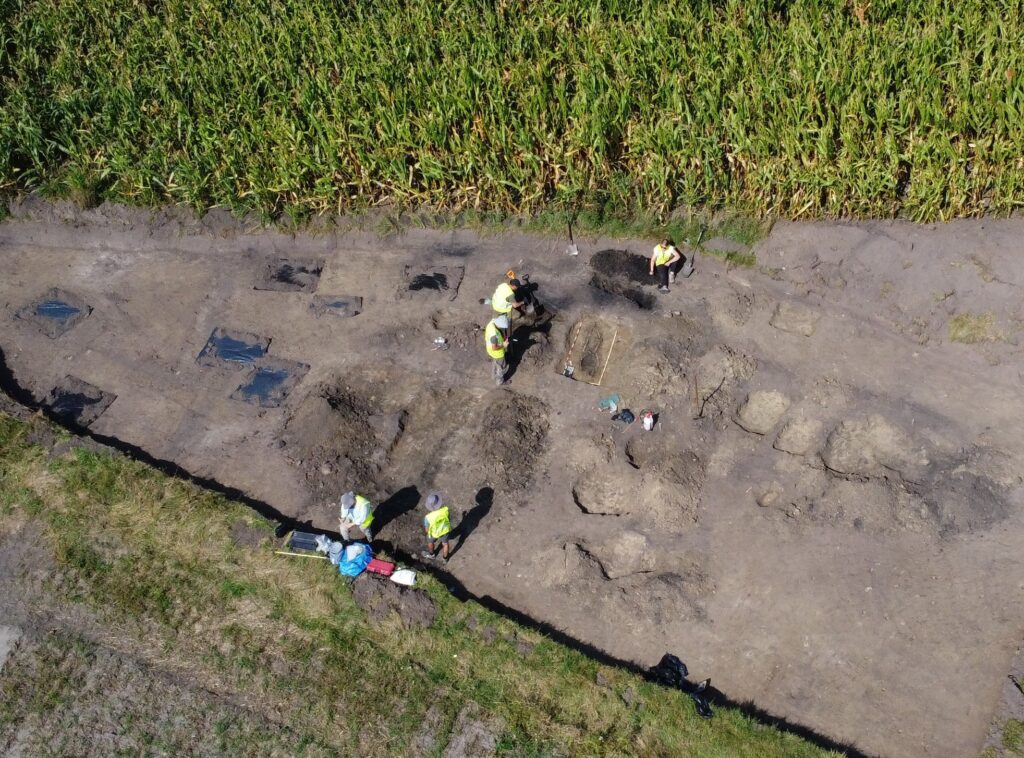
According to a statement from Port Polska, archaeologists surveyed the entire cemetery as part of a new airport project. The fact that the site was used for approximately 200–300 years allows for an examination of how funeral traditions in the region evolved across generations.
Bent Swords Buried with the Dead
Among the most striking finds of the Baranów cemetery are iron swords whose original owners deliberately altered their shapes. Przeworsk communities would bend or otherwise disable certain weapons during funeral ceremonies before placing them in graves alongside the remains of the deceased.
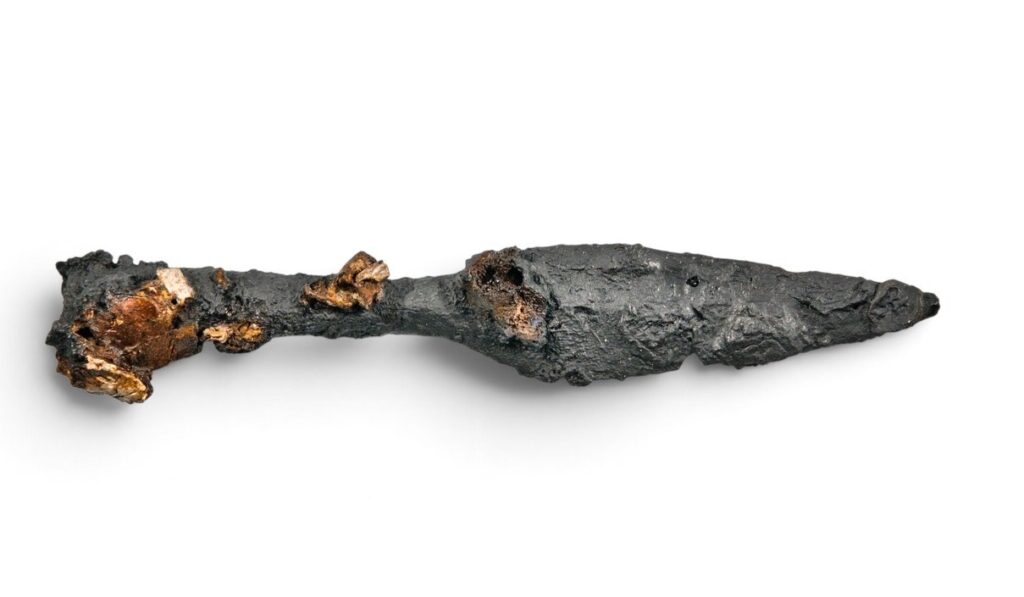
In addition to the swords, archaeologists discovered spearheads and shield fragments. These objects are crucial for understanding the role of warrior identity in funeral rites. While the exact reasoning behind the rituals that rendered the weapons non-functional is not known for certain, the practice may symbolize the personal belongings of the deceased leaving the world of the living.
A Rare Necklace Linked to the Moon Cult
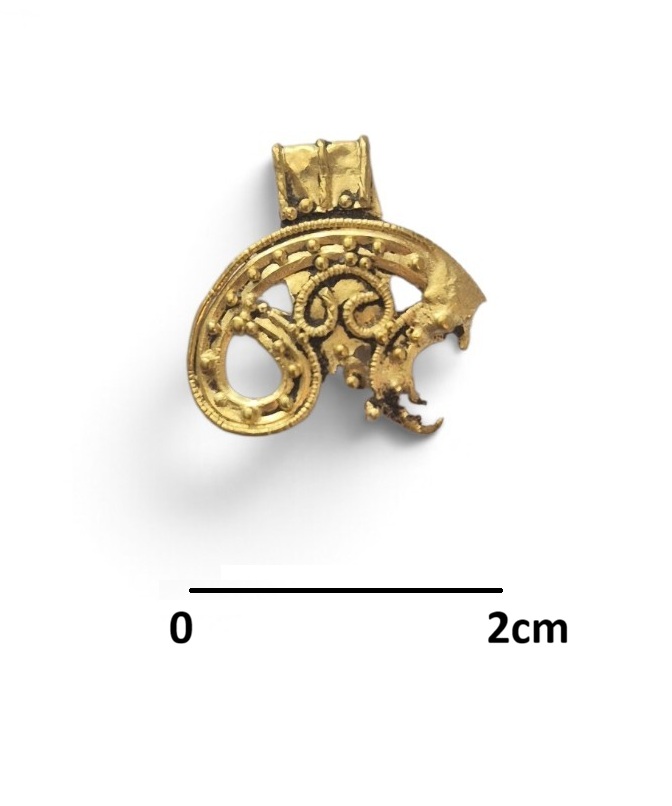
Alongside the weaponry, a small piece of jewelry caught the researchers’ attention. A crescent-shaped metal necklace called a lunula, featuring decorations made with fine metal wires (filigree), was found. Researchers consider this object exceptional across Poland and associate it with a moon cult.
Different societies of the ancient world attributed religious and symbolic meanings to crescent-shaped jewelry. The necklace in Baranów may be an expression of similar beliefs, although researchers have not yet shared details regarding the exact function of the object or the metal used to produce it.
Other jewelry found during the excavations, such as fibulae, beads, and weaving tools, indicate that the cemetery does not only reflect a world of warriors. These objects also serve as an important resource for studying the clothing habits, craftsmanship skills, and personal adornment traditions of the Przeworsk communities.
Life Beyond the Borders of the Roman Empire
Named after the town of Przeworsk in Poland, this archaeological culture existed across a large part of Central Europe from approximately the 3rd century BC to the 5th century AD. These communities, living outside the political borders of the Roman Empire, established commercial and cultural ties with the empire. Roman-origin objects found in Przeworsk settlements and cemeteries serve as material evidence of these relationships.
One of the most prominent funeral traditions of the Przeworsk communities was cremation. Members of the community would place bones gathered from funeral pyres into urns or directly into grave pits, leaving weapons, jewelry, and everyday items beside the dead.
Having researched the Baranów cemetery in its entirety, archaeologists can now move beyond examining individual graves to analyze the site as a whole. The distribution of the graves, the objects left with the dead, and the differences in burial practices may help in understanding the social structure and funeral traditions of the communities that lived here for approximately three centuries.