
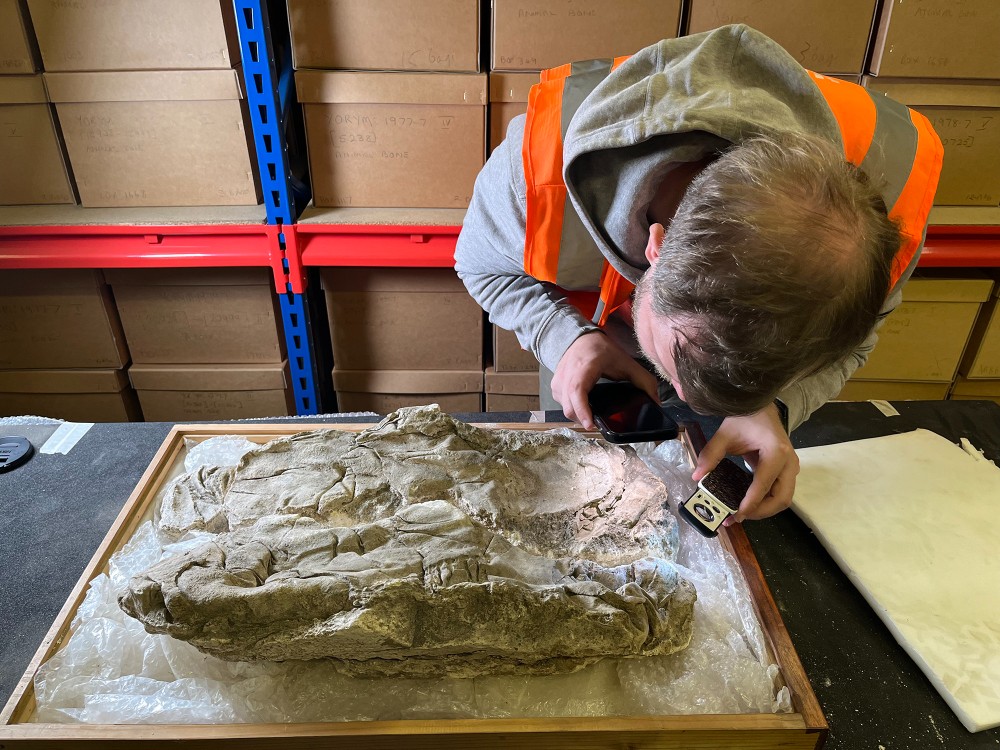
The discovery of Tyrian purple textiles in Roman infant burials in York is offering a rare and deeply human glimpse into grief, status, and luxury at the northern edge of the Roman Empire.
Researchers from the University of York have identified traces of the costly purple dye in two infant gypsum burials dating to the late third or early fourth century A.D. The remains, held in the collections of York Museums Trust, represent the first confirmed evidence of Tyrian purple on Roman textile remains from York and one of only a few known examples from Roman Britain.
The babies were not buried simply. They were wrapped in fine cloth associated with the highest ranks of Roman society. One textile was embellished with gold thread, a combination that placed it among the most prestigious materials available in the Roman world.
A luxury color from the far side of the empire
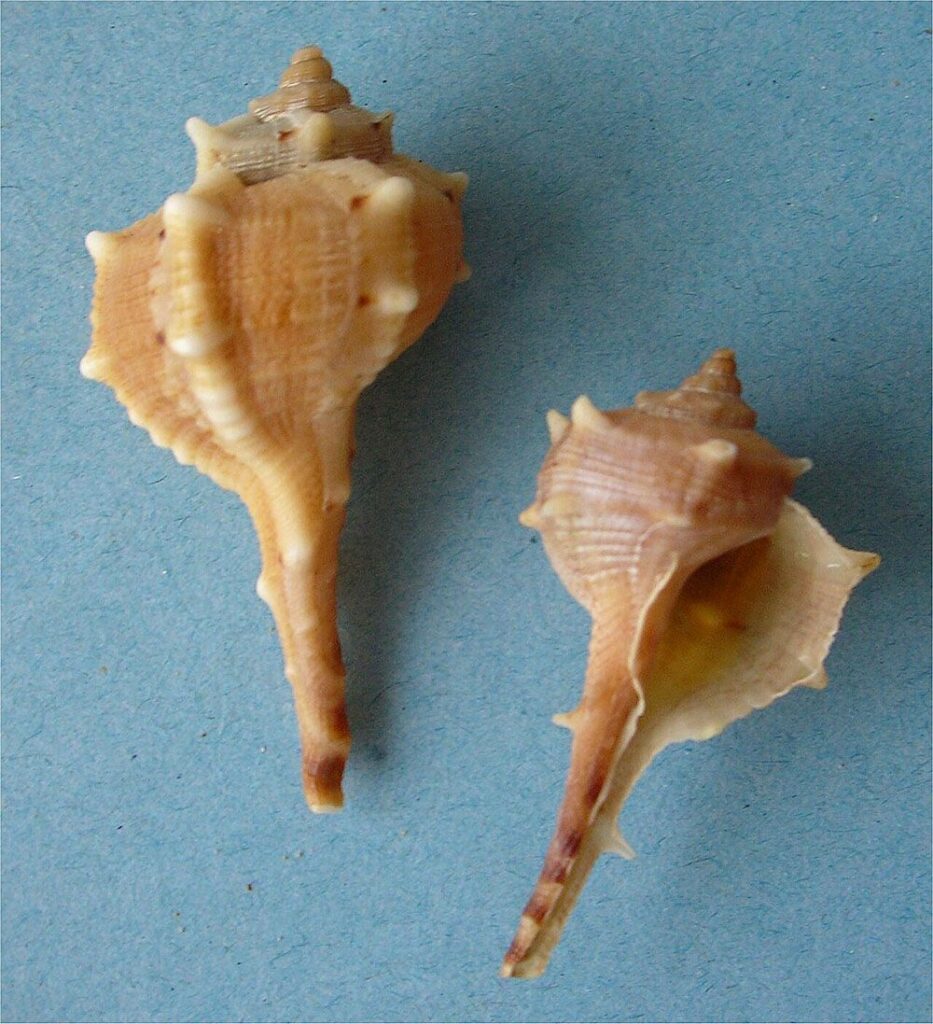
Tyrian purple was no ordinary dye. Ancient authors associated it with power, wealth, and public rank. It was produced from marine molluscs, especially murex shells, in a labor-intensive process centered in the eastern Mediterranean. Its name comes from Tyre, the Phoenician city in modern Lebanon long associated with purple production.
By the Roman imperial period, purple textiles had become visual markers of elite identity. Emperors, senators, generals, and aristocrats used purple clothing to signal privilege and authority. In A.D. 301, Emperor Diocletian’s price edict listed Tyrian-dyed silk at an extraordinary value, showing how rare and expensive such material had become.
Finding that material in York is therefore significant. It shows that the city’s wealthy families had access to luxury goods that moved across long-distance imperial trade networks. Roman York, known as Eboracum, was not an isolated frontier settlement. It was a major military and administrative center connected to the wider Roman economy.
Gypsum burials preserved what time usually destroys
The discovery was possible because of an unusual funerary practice found in Roman Yorkshire. In some third- and fourth-century burials, liquid gypsum was poured over clothed and shrouded bodies inside coffins. As it hardened, the gypsum preserved impressions of textiles, bodies, and burial materials that would normally decay. The Seeing the Dead project investigates this funerary custom using scientific analysis and 3D imaging.
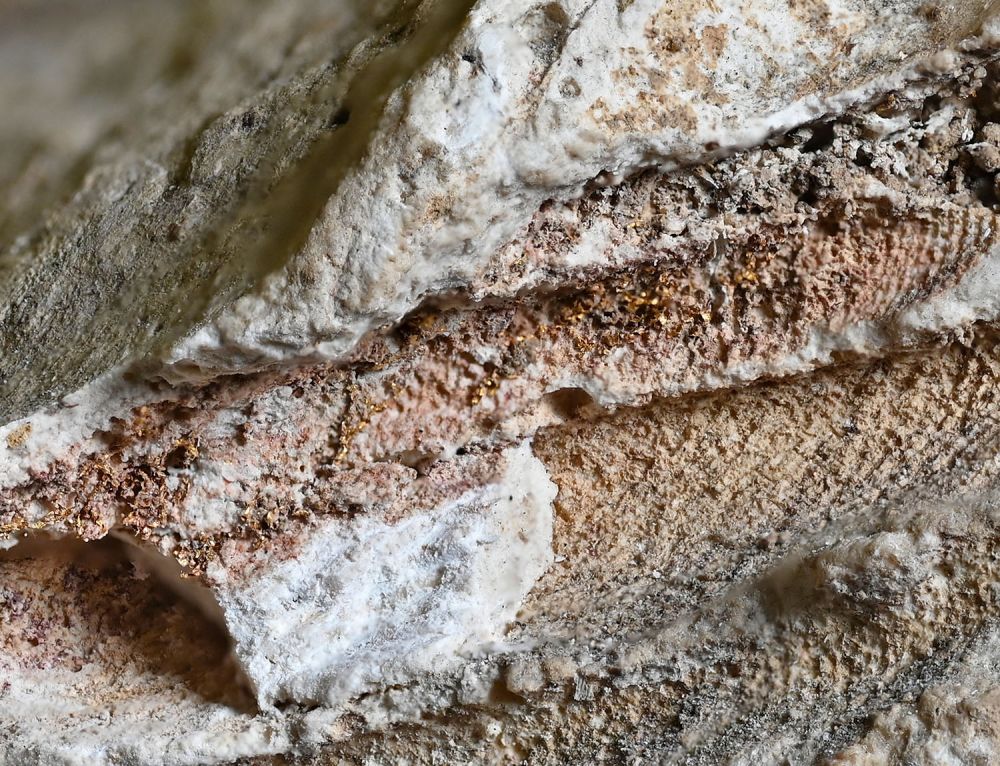
In one case, an infant was buried with two adults in a stone coffin. In another, a baby was placed in a lead coffin. The second burial is especially striking. The infant appears to have been covered with a cloak or shawl with tassels, then overlaid with a fine purple textile decorated with gold thread. This outer cloth would likely have been visible before the coffin was closed.
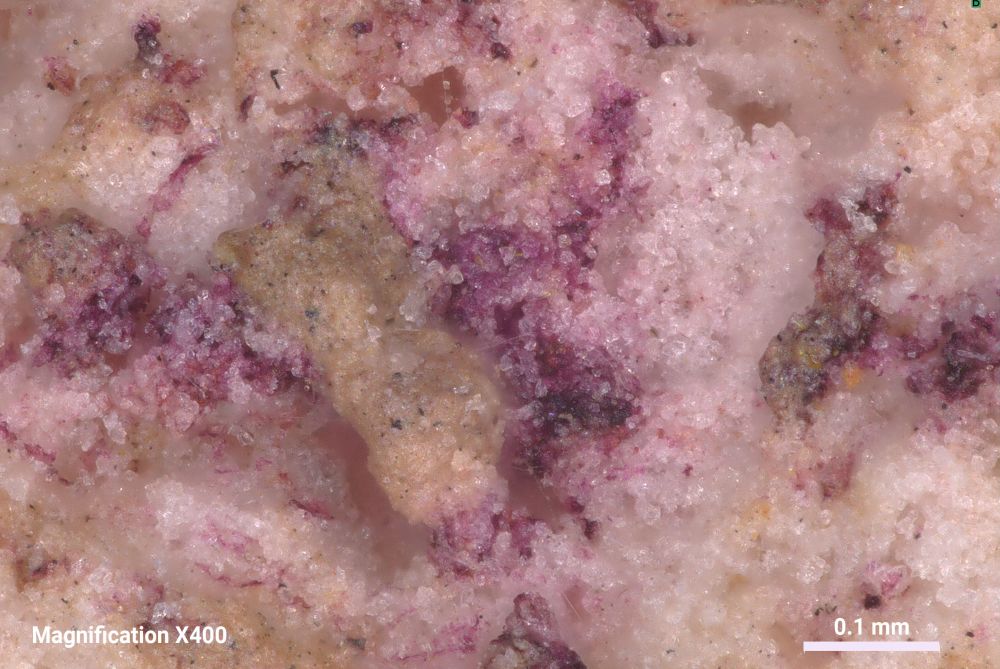
Chemical analysis confirmed the presence of 6,6-dibromoindigo, the key biomarker used to identify Tyrian purple. Researchers detected the dye even where the purple color was not clearly visible to the naked eye.
A challenge to old assumptions about Roman grief
The York discovery also speaks to a sensitive question: how Roman families responded to the deaths of infants.
Roman legal and social traditions often limited public mourning for very young children. Infant mortality was high, and some texts suggest that babies were not formally mourned in the same way as older children or adults. Yet archaeology often tells a more complicated story.
These burials suggest that elite families in Roman York invested great care, expense, and emotion in the burial of their youngest members. The use of purple and gold did more than display wealth. It gave the child a funeral language usually reserved for people of high status.
Professor Maureen Carroll of the University of York said the find confirms the use of this costly dye in Roman York and shows that wealthy inhabitants could obtain exotic commodities from the far reaches of the empire. She also noted that the discovery reveals the importance of children in Roman York and the desire to give a baby an exceptional farewell.
A rare find in Roman Britain
Tyrian purple textiles are extremely rare in Britain. One of the best-known parallels comes from the high-status burial of the Spitalfields woman in Roman London, where silk, gold thread, and probable Tyrian purple were identified.
The York evidence now adds infants to that small and prestigious group. It also strengthens the picture of late Roman Britain as a society where elite families used imported materials, funerary display, and carefully staged burial rituals to express identity.
Further sampling of gypsum casings from York and other North Yorkshire sites is expected to continue. Each new test may reveal more about Roman textiles, dyes, burial customs, and the private emotions preserved in public archaeology.
For now, the purple-stained gypsum from York tells a quiet but powerful story. Nearly 1,700 years ago, two babies were buried not only with wealth, but with unmistakable care.
Cover Image Credit: University of York
