
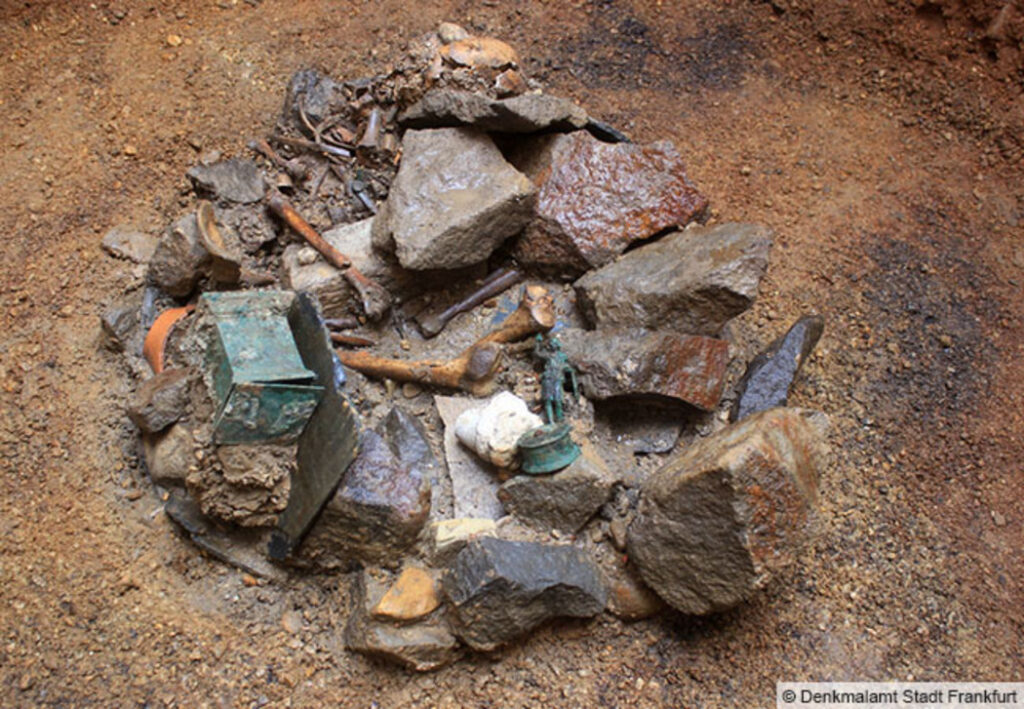
A major archaeological discovery in Frankfurt is entering a new phase of international research after securing more than €1 million in funding. An interdisciplinary team led by Goethe University Frankfurt, in cooperation with the Archaeological Museum Frankfurt and the University of Basel, will conduct an in-depth study of a newly uncovered Roman sanctuary located in the heart of the ancient city of Nida, one of the most important Roman settlements in Germania.
The funding, jointly awarded by the German Research Foundation (DFG) and the Swiss National Science Foundation (SNF), will support a three-year research project focused on the central cult district of Roman Nida, a site described by experts as nearly unique in Europe. The discovery is considered one of the most significant archaeological finds in Frankfurt in recent decades and has the potential to reshape scholarly understanding of Roman religious life north of the Alps.
Discovery Beneath a Modern School Construction Site
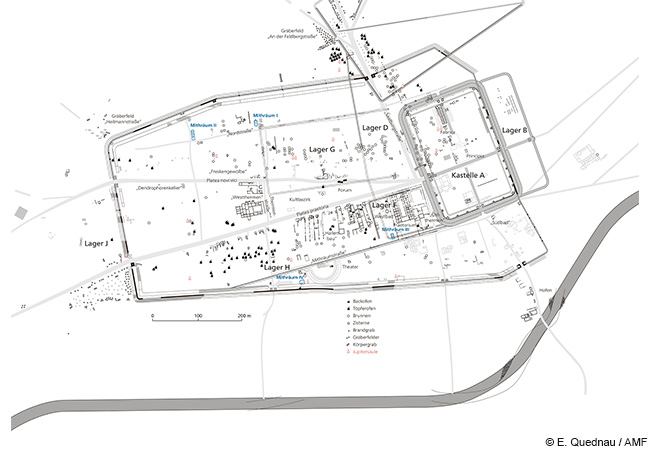
The Roman sanctuary was discovered during archaeological excavations carried out between 2016 and 2018, with additional work in 2022, as part of construction for the new Römerstadt School in Frankfurt’s northwest district of Heddernheim. Over an area of more than 4,500 square meters, archaeologists uncovered a walled sacred complex located at the very center of the ancient Roman city.
Remarkably, the site was preserved almost entirely intact, with minimal post-Roman disturbance. Using modern excavation and documentation techniques, researchers were able to record the sanctuary as a coherent archaeological ensemble—an opportunity rarely available for Roman religious sites.
An Unusual Sacred Complex in Roman Germania
The cult district includes eleven stone buildings, constructed in multiple phases, as well as around 70 ritual shafts and ten deposition pits used for offerings. The architectural layouts of the buildings are highly unusual and have no close parallels in the Roman provinces of Gaul or Germania.
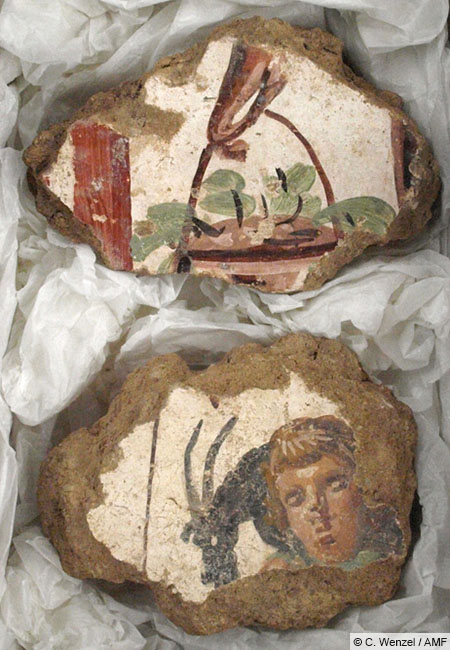
More than 5,000 fragments of painted wall plaster, along with bronze fittings from doors and windows, indicate that the sanctuary’s buildings were richly decorated. These findings suggest that the complex was not only architecturally sophisticated but also held exceptional symbolic importance.
Evidence of Rituals, Offerings, and Possible Human Sacrifice
One of the most intriguing aspects of the site is the wealth of material evidence related to Roman religious practices. Archaeologists uncovered large quantities of ceramics, animal bones, fish remains, bird bones, and plant material—likely remnants of ritual meals and sacrificial offerings. Around 150 samples have been taken for archaeozoological and archaeobotanical analysis.
The site also yielded 254 Roman coins and more than 70 brooches (fibulae) made of bronze and silver, many of them well preserved. Such objects are commonly associated with votive offerings in Roman sanctuaries. However, what truly sets Nida apart are unusual indications that may point to human sacrifice, a phenomenon extremely rare and controversial in the context of Roman religion. This aspect will be investigated with particular care during the project.
A Sanctuary for Multiple Deities
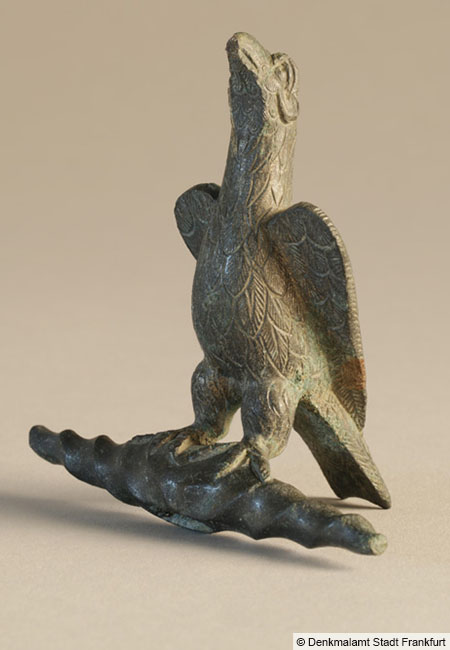
Despite the exceptional preservation of the site, identifying the deities worshipped at Nida remains a challenge. Inscriptions and iconographic evidence point to a diverse pantheon, including Jupiter, Jupiter Dolichenus, Mercurius Alatheus, Diana, Apollo, and the Celtic-Roman fertility goddess Epona. This variety suggests that the sanctuary served as a supra-regional religious center, where multiple cults coexisted.
According to current research, the cult district was established in the early 2nd century CE and remained in use until at least the mid-3rd century CE, as confirmed by a dated dedication inscription from 246 CE.
International and Interdisciplinary Collaboration
The research project, titled “The Central Cult District of Nida: Interdisciplinary Studies on Spatial Design and Ritual Depositions”, brings together experts in classical archaeology, provincial Roman history, archaeobotany, archaeozoology, and prehistoric science. Five early-career researchers at doctoral and postdoctoral levels will be directly involved.
Key partners include Goethe University Frankfurt, the Archaeological Museum Frankfurt, the University of Basel, the Frankfurt Heritage Office, and the Roman-Germanic Commission of the German Archaeological Institute.
Frankfurt’s City Councillor for Culture and Science, Dr. Ina Hartwig, emphasized the project’s importance, calling the sanctuary “a find of nearly unparalleled European significance” and highlighting Frankfurt’s role as a hub of international archaeological research.
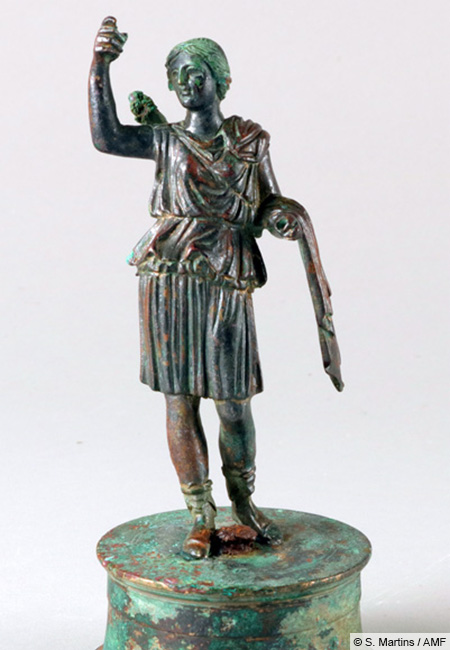
On the bottom of a well in the cult district of Nida, which was filled after 249 CE, this high-quality bronze statuette of the goddess Diana was discovered among other finds. The Roman goddess of the hunt likely once held a bow and a spear in her hands. Credit: S. Martins / Archaeological Museum Frankfurt
Reframing the History of Roman Frankfurt
The discovery comes just one year after the presentation of the Frankfurt Silver Inscription, the oldest known Christian text north of the Alps. Together, these finds underscore the exceptional historical importance of Roman Nida, which evolved from a military hub in the late 1st century CE into a major economic, cultural, and religious center of the Limes region.
Unlike most Roman cities, where the forum occupied the urban center, Nida appears to have placed a religious sanctuary at its core, suggesting that ritual and cult played a defining role in civic life. Researchers are now asking bold new questions: Was Nida a pilgrimage center? Did its sanctuary influence religious practices beyond the region? And how did Roman, Celtic, Mediterranean, and Eastern traditions intersect here?
As research begins, the cult district of Nida promises to offer rare insights into religion, ritual, and urban identity in the northern provinces of the Roman Empire—right beneath the streets of modern Frankfurt.
Cover Image Credit: Frankfurt Heritage Office
