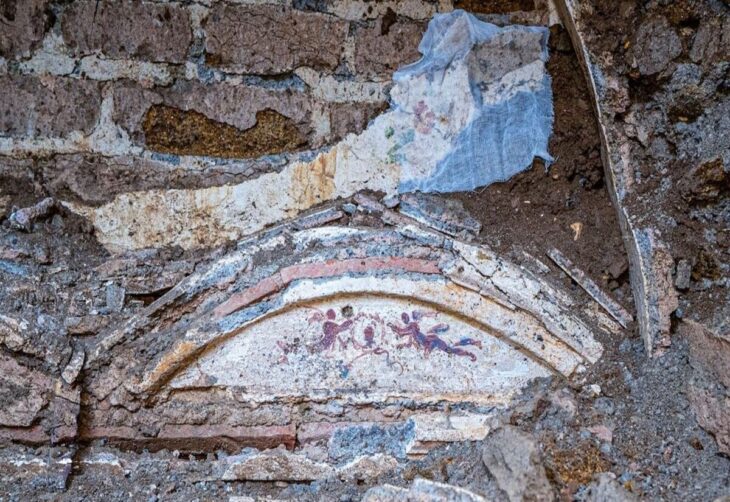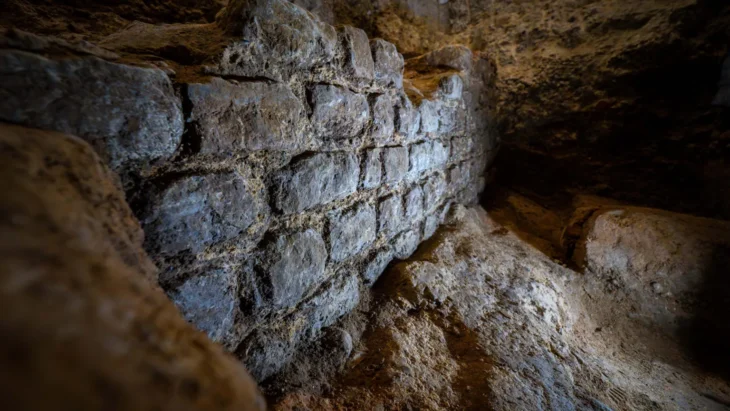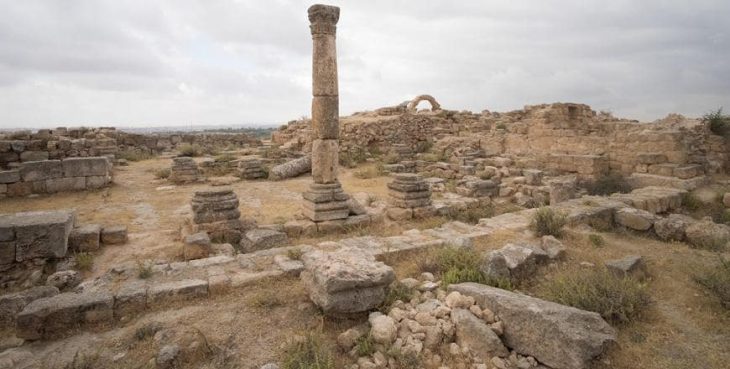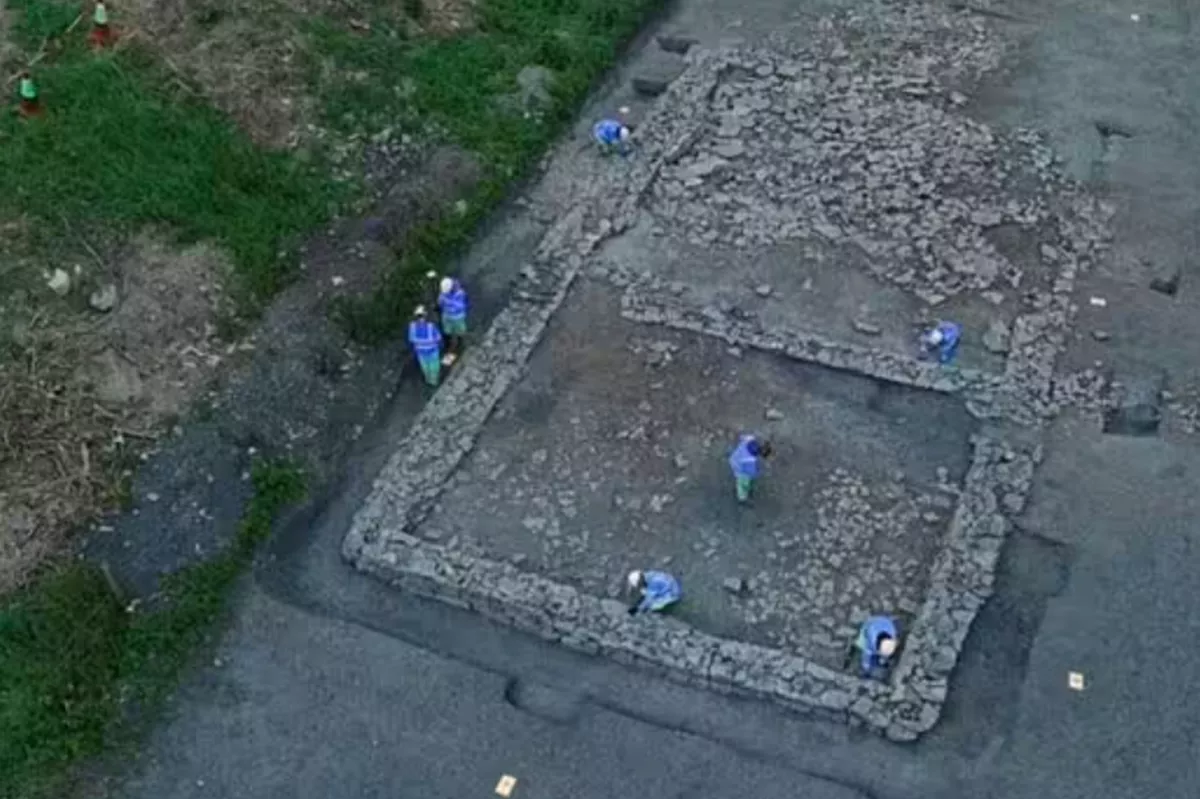
Archaeologists in Gloucestershire have uncovered an extraordinary window into everyday life in Roman Britain: the remains of what can only be described as a 2,000-year-old service station. Located just off today’s busy A417, five miles south of Cheltenham, the site sits alongside a major Roman road that once linked Corinium (Cirencester) and Glevum (Gloucester)—two of the most important urban centers in Roman western Britain.
The discovery, made by Oxford Cotswold Archaeology as part of the UK’s major A417 Missing Link infrastructure project, reveals a rare example of a Roman mutatio—a designated stopover where travellers could rest, eat, and most importantly, change horses. These stations formed a vital part of the cursus publicus, the state-run courier and transport network that enabled Rome to move officials, messages and goods efficiently across its vast empire.
A Roadside Hub Used for Centuries
Evidence suggests that this Gloucestershire mutatio operated from the 2nd to 4th century AD, a period when Roman Britain was thriving economically and militarily. Although the buildings are modest in design, their layout reveals a clear division of function: one room for people, the other for animals.
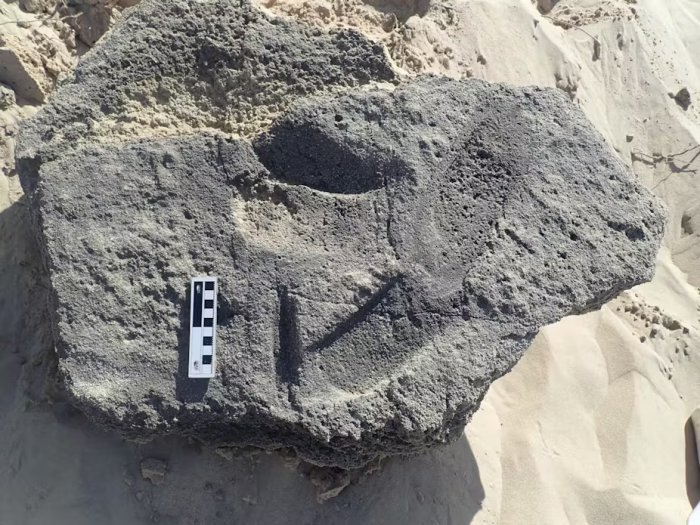
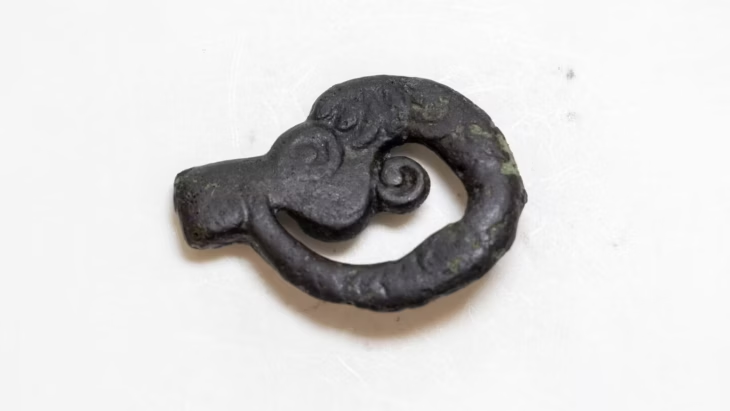
In the animal quarter, archaeologists uncovered bridles, harness fittings and horse gear, confirming that this was a designated place to swap out tired horses for fresh ones. The human quarters contained the remains of primitive Roman ovens, quern stones for grinding flour, cooking areas and personal belongings—hints of warmth, meals, and temporary shelter for weary travellers.
Food remains indicate that people dining here consumed bread, meat, and even snails, a delicacy in parts of the Roman world. The discovery of cook sites and large amounts of animal bone reinforces the idea that this was more than a stable; it was a functioning rest stop with its own small supply network.
📣 Our WhatsApp channel is now LIVE! Stay up-to-date with the latest news and updates, just click here to follow us on WhatsApp and never miss a thing!!
A Treasure Trove of Artifacts
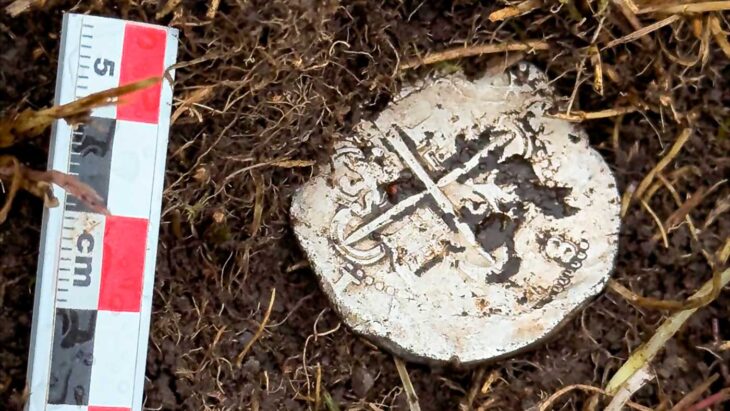
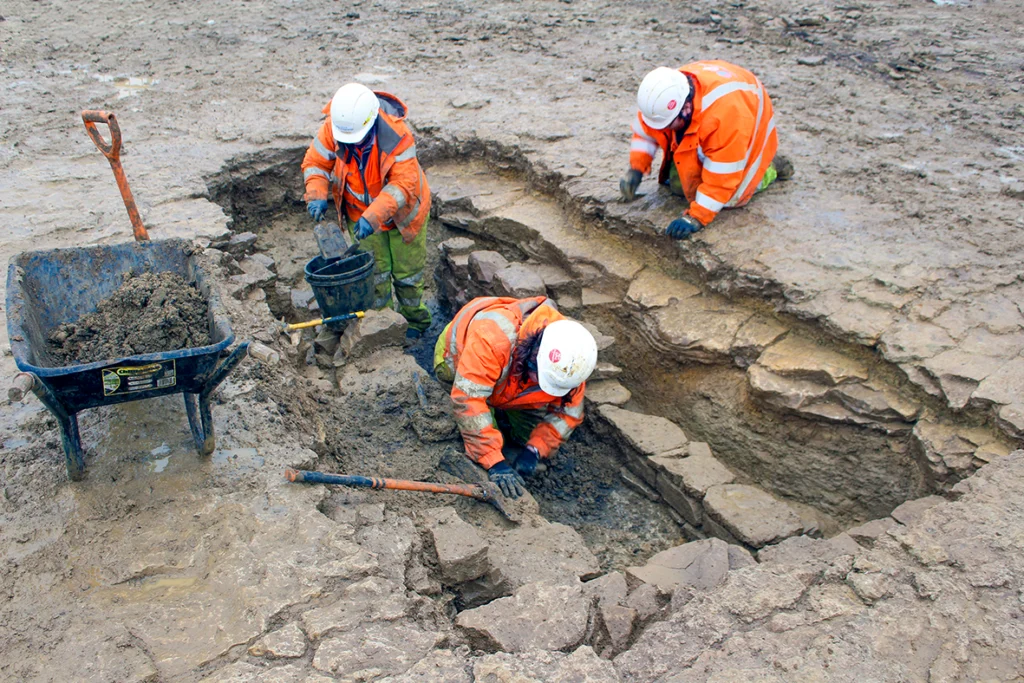
The excavation has yielded an impressive collection of more than 460 Roman coins, 420 kilograms of pottery and animal bone, 15 decorative brooches (fibulae), a bronze ring with glass inlay, and a striking blue-white glass bead. One especially unusual find is a Roman bone-and-metal nail clipper, a reminder that even during long journeys, grooming wasn’t neglected.
Project manager Alex Thompson called the discovery a “remarkable insight into Roman infrastructure,” noting that the site “exceeded all expectations” and could represent one of the earliest formalized roadside service concepts in Europe.
An Unexpected Glimpse Into Roman Travel
Modern travellers might take motorway service stations for granted, but in antiquity, the existence of well-organized rest points was revolutionary. The Romans built over 80,000 kilometers of engineered roads across their empire, many equipped with mutationes and mansiones, larger inns for overnight stays.
The Gloucestershire site fits neatly into this network. The nearby Roman road—likely part of Ermin Street, a major arterial route—connected the frontier zones near Wales with central and southern Britain, enabling troop movement, trade and communication.
The position of this mutatio suggests that it may have served both civilian travellers and officials riding in the service of the Roman administration. Its proximity to Corinium, then the second largest town in Britain, further emphasizes its importance.
A Region Rich in Roman History
Gloucestershire’s Roman past runs deep. Glevum (now Gloucester) was established as a fortress before becoming a bustling colonia for retired soldiers. Corinium blossomed into a wealthy city adorned with mosaics, amphitheatres and sprawling villas. The region formed the heart of Roman control in western Britain, linking the military frontier near Wales with the commercial center of the Cotswolds.
Remnants of this era still define the landscape—from the sweeping lines of Roman roads visible in aerial photographs to archaeological sites displayed in local museums. The newly discovered mutatio will soon join that lineup, with plans underway to exhibit the artifacts and share the story through public displays.
Modern Roads, Ancient Footsteps
The find highlights an intriguing continuity between ancient and modern transport routes. Just as today’s A417 funnels drivers toward major hubs, the Roman road beside it once carried soldiers, merchants, couriers and settlers across the province. The newly uncovered station reminds us that long before petrol pumps and convenience stores, travellers still needed places to rest, refuel and continue their journeys.
The past, it seems, has been hiding in plain sight—only a few feet beneath the tarmac of one of Britain’s busiest modern highways.
Cover Image Credit: Oxford Cotswold Archaeology