
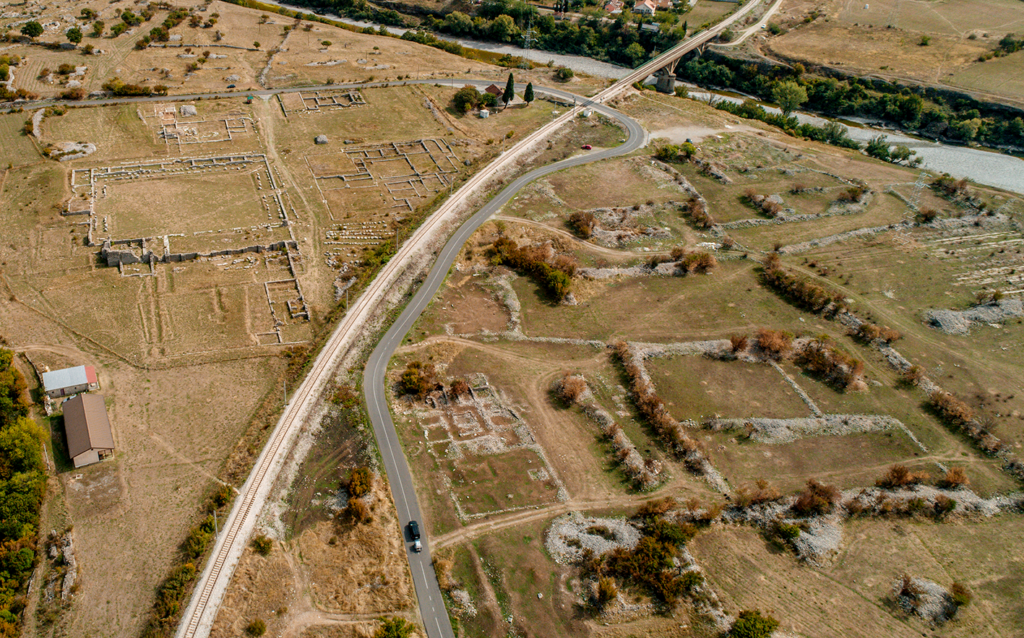
Long before Emperor Diocletian’s age transformed the Roman Balkans, Doclea already possessed the kind of monumental civic center expected of an ambitious Roman city. New research into its forum and basilica suggests that the heart of ancient Doclea took shape during the first century CE, roughly two centuries before the major rebuilding traditionally associated with the emperor’s era.
The city stood near modern Podgorica, where the Morača and Zeta rivers meet. Its position connected the Adriatic coast with inland Balkan routes, helping Doclea develop into one of the most important cities of Roman Dalmatia. Yet archaeologists have uncovered only a little more than 20 percent of its roughly 25-hectare urban area, leaving much of its development poorly understood.
A new study published in the Journal of Roman Archaeology has now reconstructed part of that story by combining surviving architecture, old excavation records, archival photographs and hundreds of displaced architectural fragments. The result challenges the idea that Doclea’s monumental center belonged primarily to the age of Diocletian.
A Roman city center took shape in the first century
At the center of Doclea stood a large forum measuring about 66.6 by 55.5 meters. Buildings lined three sides of the square, while a long apsidal basilica dominated the western side. The complex included porticoes, public rooms and monumental entrances facing the city’s main east-west street.
Researchers now place the main construction phase of both the forum and basilica in the first century CE. Architectural decoration, wall relationships and surviving fragments point toward a Julio-Claudian or, more probably, Flavian date for the principal monumentalization of the civic center.
That chronology places Doclea within a broader wave of Roman urban development across Dalmatia. Cities such as Zadar, Asseria and Aequum also received monumental public centers during roughly the same period, as Roman political institutions, architecture and civic culture spread through the province.
One group of inscriptions brings a human story into that process. The municipal authorities honored Marcus Flavius Balbinus, who died at just 15, with an equestrian statue. His parents, Marcus Flavius Fronto and Flavia Tertulla, belonged to a prominent local family. Earlier scholars suggested that the family may even have financed construction of the forum and basilica, although the new study stresses that the surviving inscription records the statue rather than the construction of the buildings themselves.
The architecture looked west and east at the same time
The plan of Doclea’s civic center followed a recognizable Roman model. A rectangular or square forum with a long basilica along one side appeared in cities across Italy and the western provinces, and the researchers identify the early first-century basilica at Veleia in northern Italy as one of the closest architectural parallels.
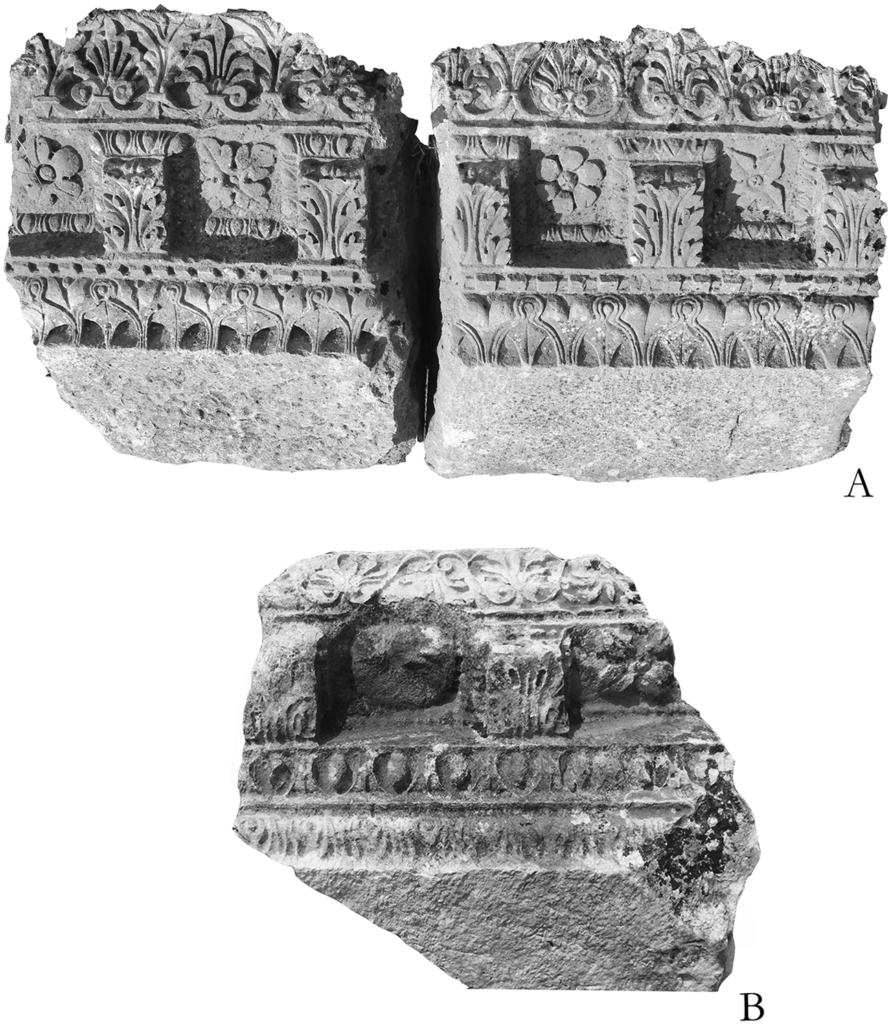
The decoration tells a more complex story. Some cornices and capitals preserve stylistic traditions associated with the Augustan and Julio-Claudian periods, while details also show links with architectural production in Asia Minor. Comparisons include monuments at Miletus and Ancyra, modern Ankara.
The researchers argue that Doclea occupied a particularly interesting position between cultural spheres. Its overall plan followed Italic and Roman civic traditions, while parts of its decorative language reflected eastern Mediterranean influences, probably reaching the region through Greek cities farther south.
Local craftsmen appear to have translated those international ideas into local materials. Instead of importing large quantities of expensive white marble, builders relied heavily on local limestone, creating a monumental civic center that still participated in the architectural language of the wider Roman world.
Diocletian’s age changed the city but did not create it
Doclea underwent another major transformation around the late third and early fourth centuries, during the period of Diocletian. The basilica’s façade facing the forum received substantial attention, including a new brick wall and a monumental colonnaded arrangement.
Several architectural details from this phase resemble the Palace of Diocletian at Split. Piers, arches, and attached architectural elements show that builders at Doclea followed the monumental vocabulary that characterized major Late Roman projects.
But the new analysis changes the chronology behind that resemblance. Diocletian’s period did not mark the beginning of the forum-basilica complex. Instead, builders remodeled a civic center that had already existed for roughly two centuries, preserving much of its earlier structure while giving parts of it a more imposing Late Roman appearance.
The city itself also saw extensive activity during this period. Its baths, walls, and other major monuments underwent construction or restoration, showing that Doclea remained an important urban center in Late Antiquity.
The legend of an “imperial palace”
Local memory added another layer to the ruins. Early researchers recorded that residents called the forum area Carski dvor, meaning “imperial palace,” and connected it with Car Dukljanin, a figure identified locally with Diocletian.
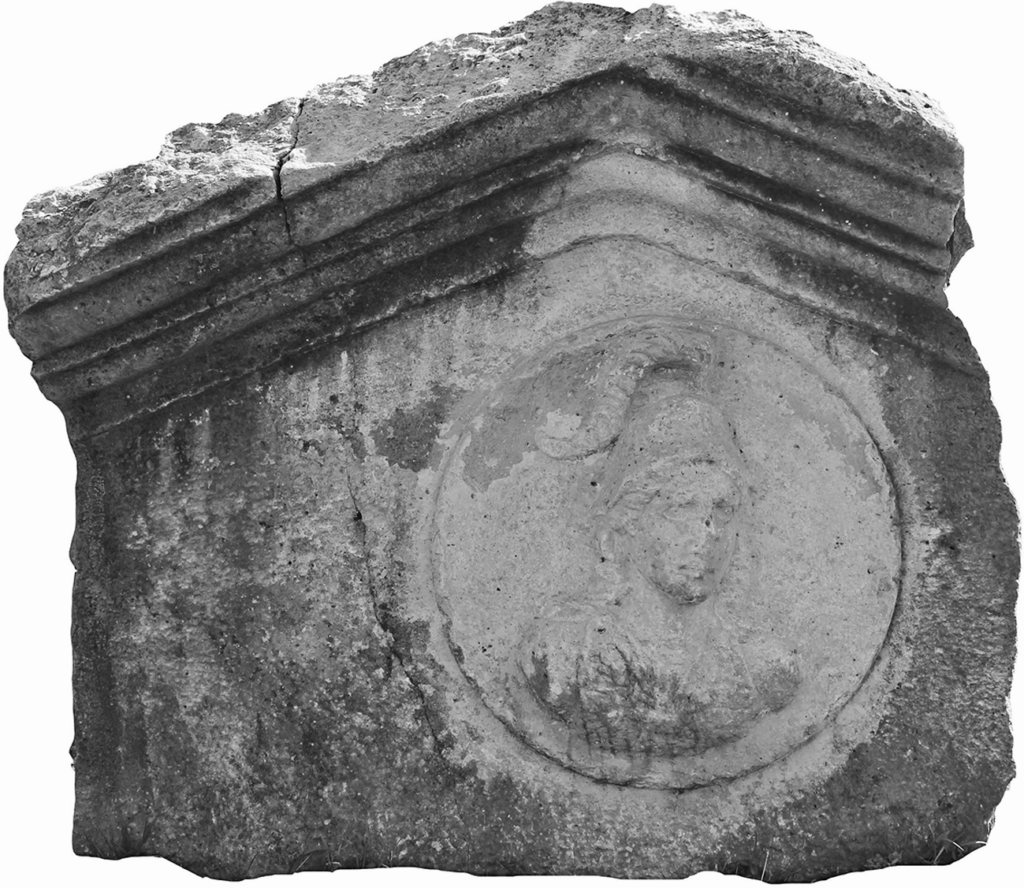
The archaeological evidence gives that tradition an intriguing but complicated context. Large-scale construction certainly occurred at Doclea during the Tetrarchic period, and the basilica may also have displayed imperial statues and dedications. However, the researchers found no inscription directly linking the forum-basilica complex to Diocletian or the Tetrarchs.
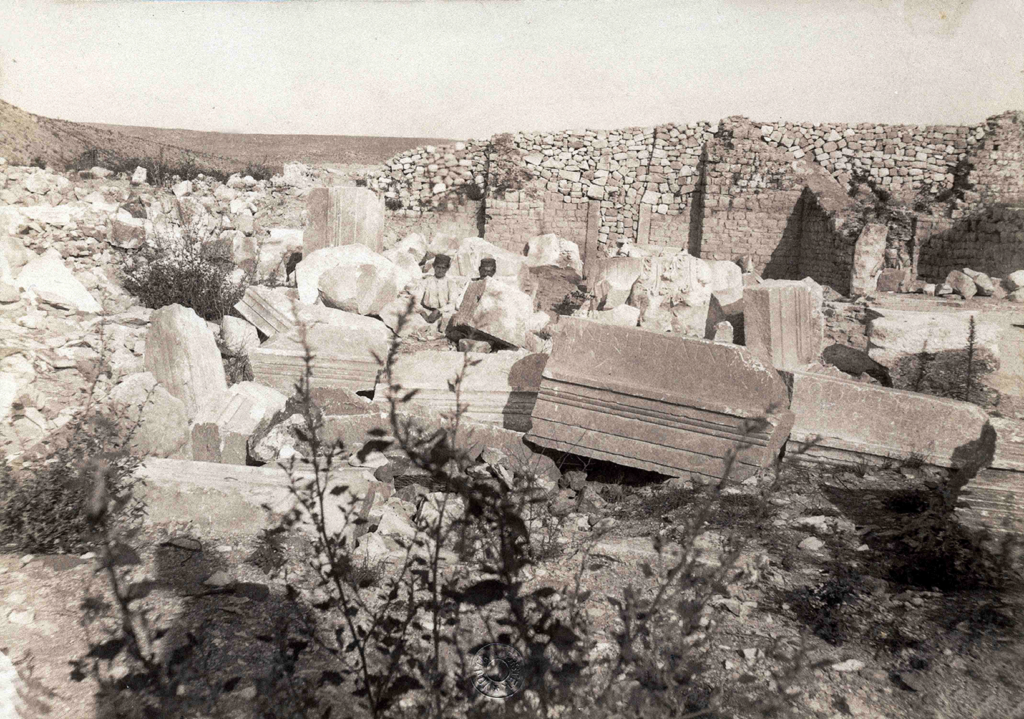
Centuries of reuse made the story even harder to reconstruct. People treated the forum and basilica as convenient sources of building stone, carrying architectural blocks into nearby structures and turning cornices and architraves into thresholds and doorposts. By the nineteenth century, parts of the once-monumental complex may even have been gathered for burning into lime.
What survives therefore represents only fragments of Doclea’s original appearance. Yet those fragments now reveal a city whose monumental ambitions began far earlier than the imperial legend surrounding its ruins suggested.
Diocletian’s age left a visible mark on Doclea, but it inherited an urban center that generations of Roman citizens had already spent centuries building, decorating, and reshaping.
Sfameni, C., Bruni, V., Koprivica, T., & Alberti, L. (2026). The forum-basilica complex in Doclea (Montenegro): studies on architecture and architectural decoration. Journal of Roman Archaeology, 1–45. doi:10.1017/S1047759426100920
