
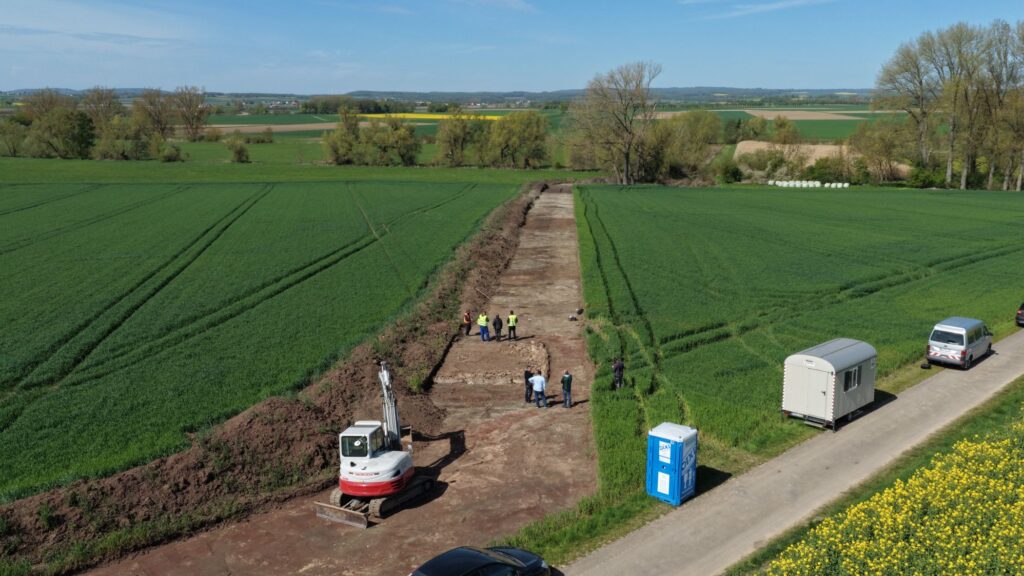
A medieval settlement that survived for centuries in written records but vanished from the landscape has been rediscovered near Borgentreich in western Germany. Archaeologists working southwest of the town, in the Höxter district of North Rhine-Westphalia, have identified the remains of Echene, a rural settlement first mentioned in 944 and last recorded in the 15th century.
The excavation, carried out before the installation of a power line for new wind energy facilities, has revealed traces of wooden houses, pottery from the 10th and 11th centuries, two wells and the massive stone foundation of a cellar. The work is being documented and recovered under the archaeological supervision of the Landschaftsverband Westfalen-Lippe, or LWL, before construction continues.
A lost place returns to the map
Echene was not unknown to historians. Its name appeared in medieval documents, and the local field name “Echeln” northwest of the Mühlenbach stream had long suggested where the settlement might once have stood. Until now, however, its exact location had remained uncertain.
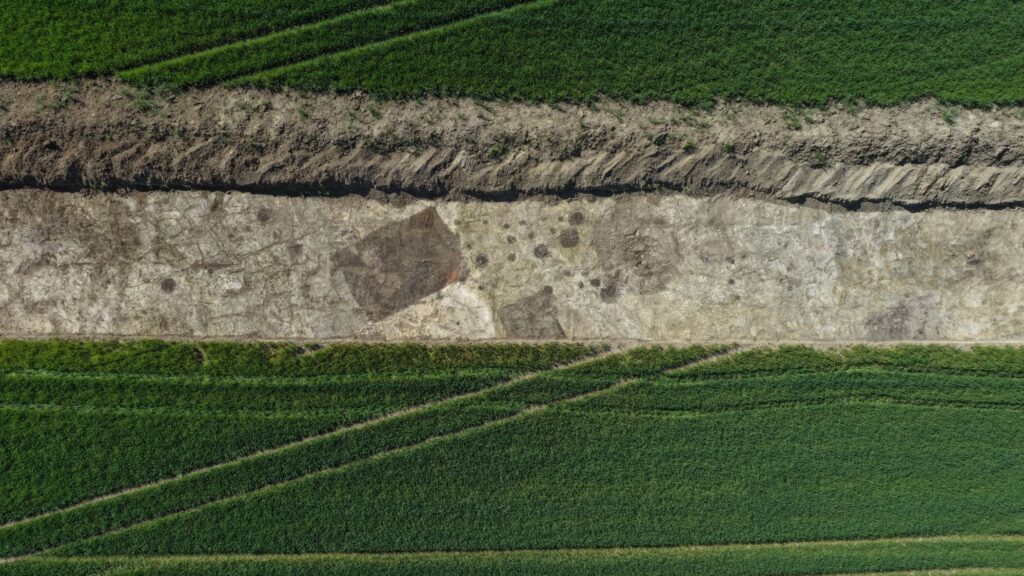
That changed when excavation teams uncovered settlement remains reaching down toward the stream valley. According to LWL archaeologists, the evidence suggests that Echene may have extended across the low ground and possibly continued on the opposite side of the brook, matching the clues preserved in local place names.
Dr. Sven Spiong, head of the Bielefeld branch of LWL Archaeology, said the settlement fell into obscurity after the medieval period and has only now been brought back to light. For archaeologists, the rediscovery is more than a matter of locating a name on a map. It opens a direct window into a rural community that existed long before Borgentreich became a fortified town in the late 13th century.
Wooden houses, wells, and a stone-built cellar
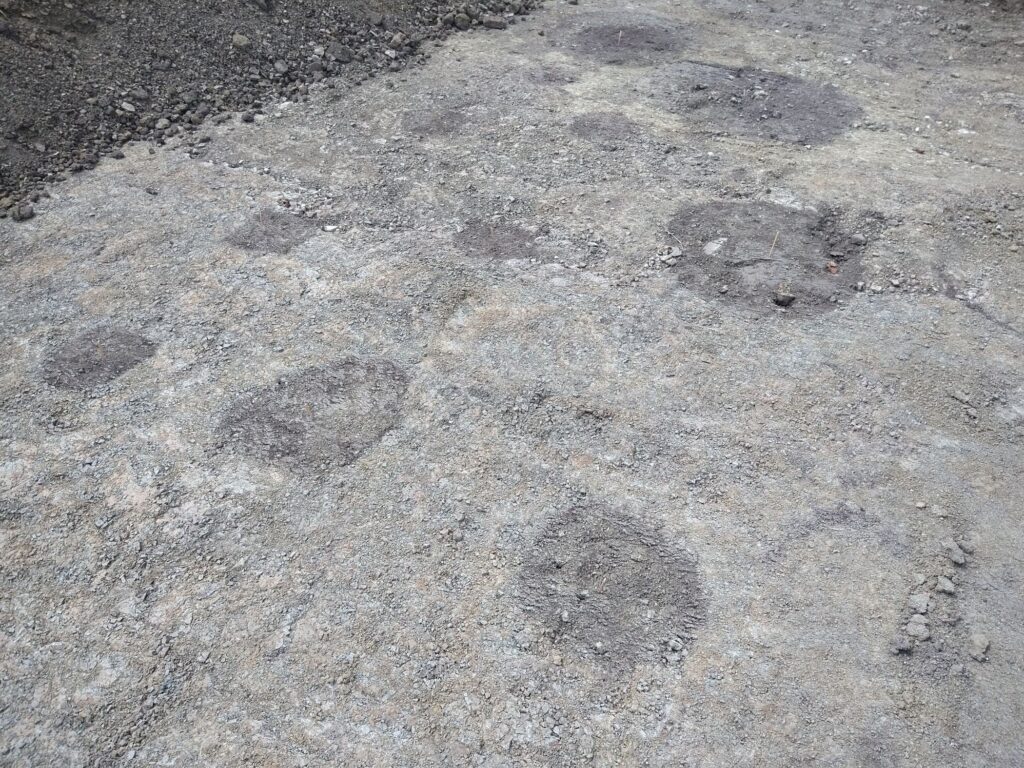
The excavation team, led by Bartosz Adamski, has uncovered a dense spread of archaeological features. Among the earliest are postholes from timber buildings. These marks in the soil show where wooden posts once supported houses and outbuildings.
LWL archaeologists note that larger main houses of the period could exceed 20 meters in length, while smaller auxiliary buildings, sometimes measuring around three by four meters, were partly sunk into the ground. Such features point to a settlement shaped by farming, storage, domestic labor and close access to water.
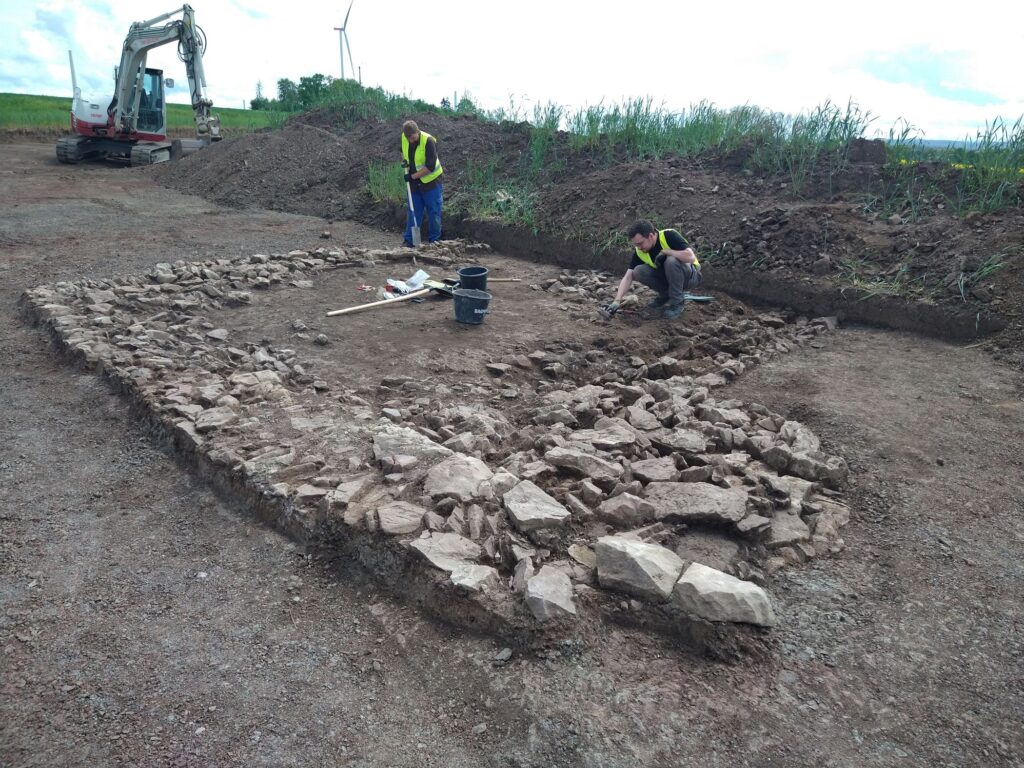
From the later 11th century onward, timber-framed buildings became more common. In many cases, only their cellars survive archaeologically, because the upper structures disappeared long ago. Most of these cellars had wooden walls, but one discovery stands out. LWL archaeologist Normen Posselt identified a cellar with masonry walls and an entrance on its northern side.
The stone-built cellar is one of the most substantial features found at the site. It suggests a phase of architectural development in which at least some buildings were constructed with greater investment and durability than the earlier timber structures.
Two wells were also found during the excavation. Their presence reinforces the picture of Echene as a settlement closely tied to its water supply, a practical necessity for people, animals and agricultural work.
A landscape of small medieval communities
The discovery also helps explain the wider settlement pattern around Borgentreich. Before the town was founded as a fortified urban center in the 1280s, the surrounding countryside was already occupied by smaller rural communities. These settlements can be traced back at least to the 10th and 11th centuries.
About one kilometer south of the new excavation area, near Christinenhof, another medieval settlement had already been examined in a smaller excavation in 1987. Finds from that site date from the 9th or 10th century through the 14th century, suggesting that it existed at roughly the same time as Echene. LWL archaeologists believe it may correspond to Broktrup, another deserted settlement known from written sources.
Spiong emphasized that the landscape was marked by many such small settlements from at least the 10th century. Their locations were not random. They often stood near streams or springs, where water was available and fertile fields lay close by. Echene fits that pattern clearly.
Reconstructing Echene’s final story
The excavation itself is only the first stage. The LWL team must now analyze many boxes of pottery fragments, date individual pits, and compare the finds with the settlement’s structural remains. Only then will archaeologists be able to reconstruct how Echene developed, changed, and eventually disappeared.
For Borgentreich Mayor Nicolas Aisch, the discovery shows how much regional history still lies beneath the surface. The find is important not only for archaeology, but also for the identity of the local community.
Echene was once a living settlement, then a name in documents, then a forgotten place. Now its houses, wells, and cellars are beginning to speak again.
Cover Image Credit: LWL-Archäologie/A. Koch
