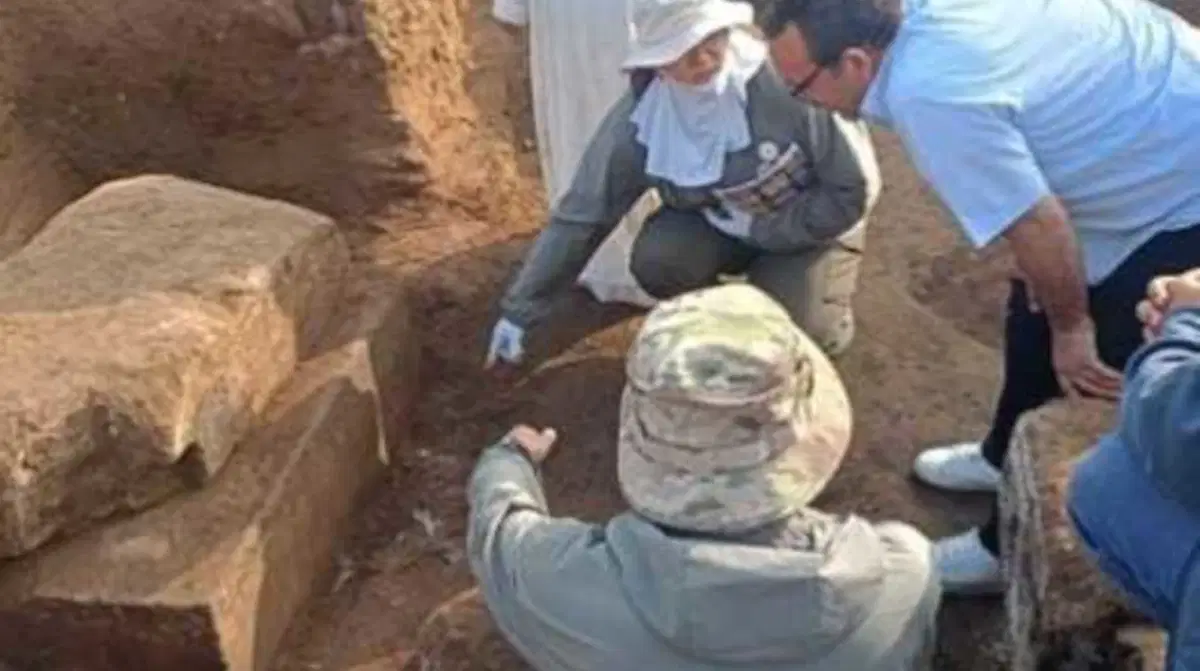
A significant archaeological breakthrough has emerged from Mit Rahina, the site of ancient Memphis, where a joint Egyptian-Chinese mission has uncovered a limestone structure believed to be connected to the temple of Apries. The discovery is shedding new light on the urban planning, religious life, and long-term occupation of one of Egypt’s most important ancient capitals.
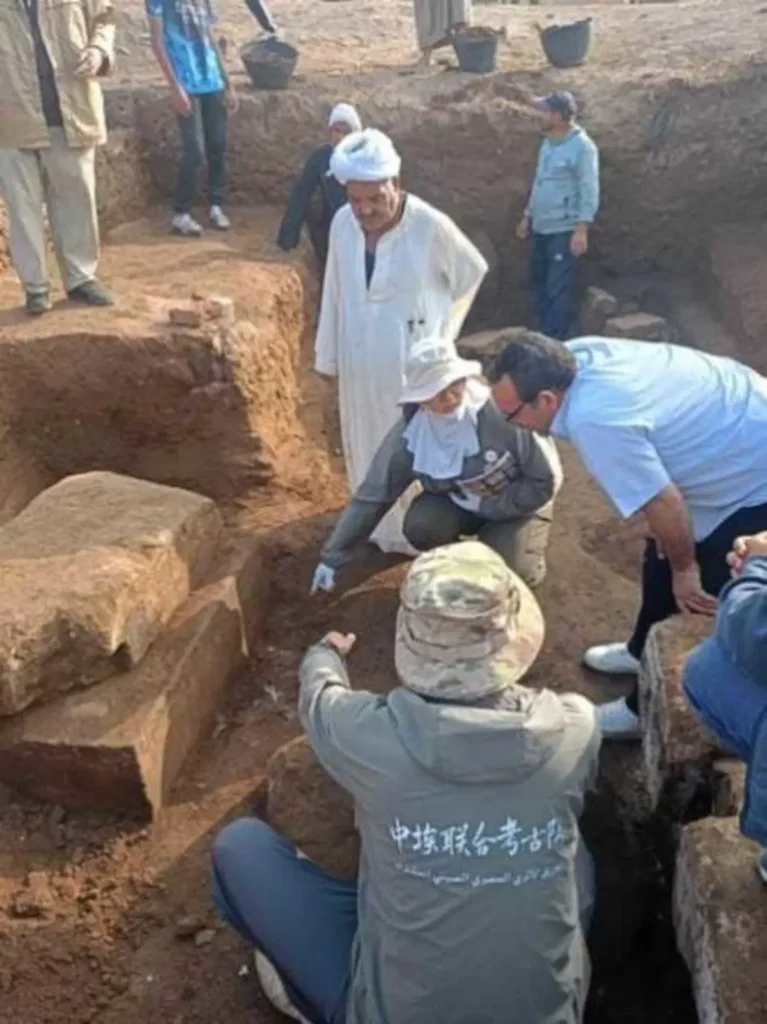
The excavation, coordinated by Egypt’s Supreme Council of Antiquities in collaboration with Peking University and the Shandong Institute of Cultural Relics and Archaeology, took place in Mit Rahina in Giza Governorate. Archaeologists revealed a substantial limestone building that likely formed part of the temple complex dedicated to Pharaoh Apries, who ruled during Egypt’s 26th Dynasty (circa 589–570 BCE).
Expanding Knowledge of Apries’ Temple in Ancient Memphis
According to Egyptian officials, the newly discovered structure contributes significantly to ongoing research in the southern sector of the site known as Tel Aziz. Preliminary studies suggest that this area represented the urban core of ancient Memphis during the Late Period. The temple appears to have remained in use from the reign of Apries through the Greek and Roman periods, demonstrating its long-standing religious importance.
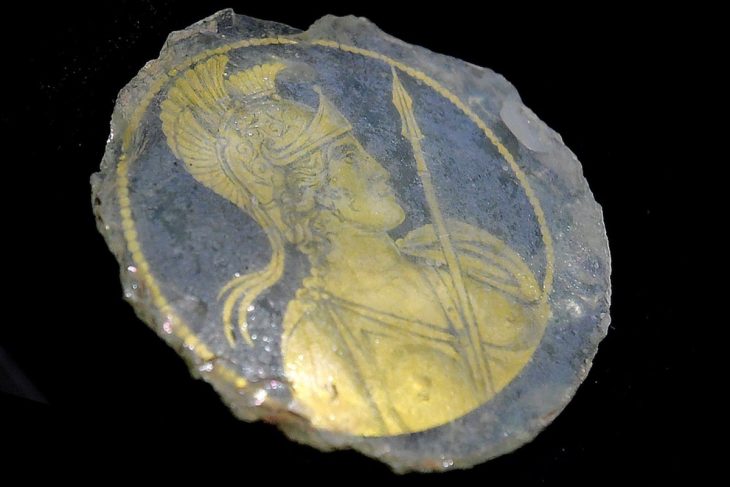
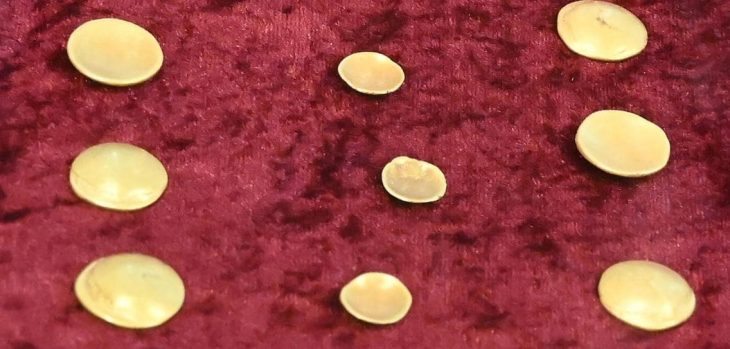
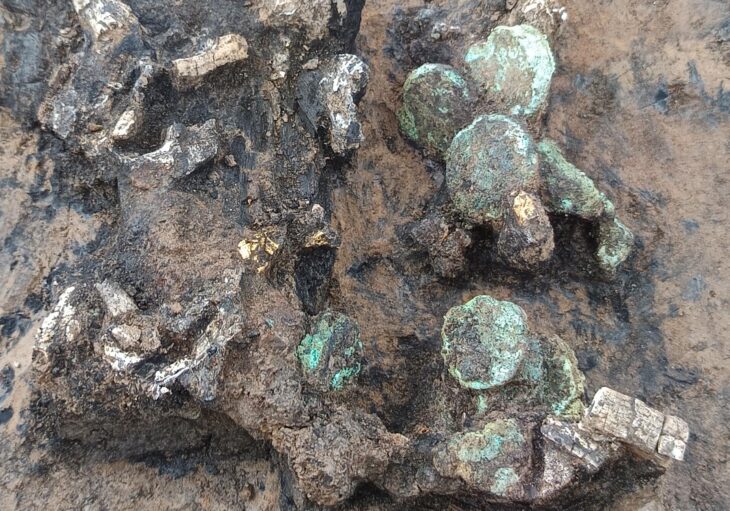
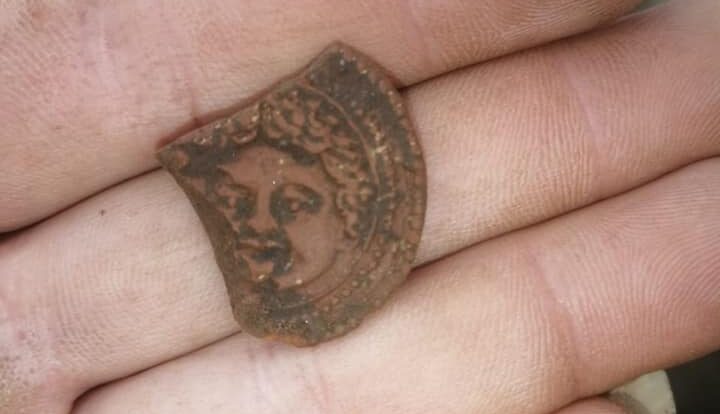
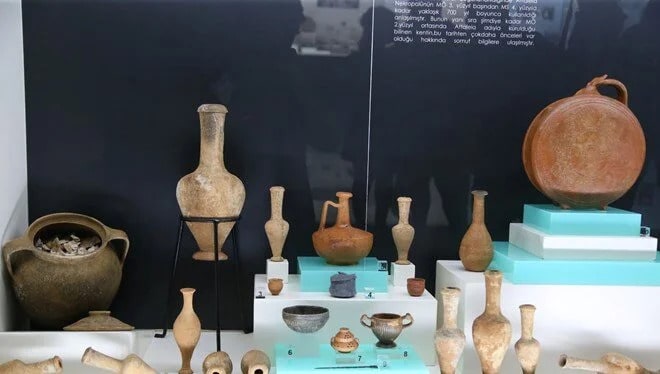
Excavations have uncovered five headless sphinx statues, along with limestone blocks and slabs inscribed with hieroglyphic texts dedicated to the god Ptah, the principal deity of Memphis. Cartouches bearing the name of Apries were also found, strengthening the attribution of the structure to his reign. Additional artifacts include terracotta and glass vessels as well as copper coins, offering further evidence of sustained activity at the site across centuries.
Scholars believe these findings enhance understanding of Memphis’ architectural evolution and religious practices from the Late Period into the Greco-Roman era. The limestone construction itself reflects the monumental building traditions characteristic of royal temple architecture during the Saite period.
📣 Our WhatsApp channel is now LIVE! Stay up-to-date with the latest news and updates, just click here to follow us on WhatsApp and never miss a thing!!
Who Was Pharaoh Apries?
Pharaoh Apries, known in Greek sources as Wahibre Haaibre, was one of the prominent rulers of Egypt’s 26th Dynasty, often referred to as the Saite Dynasty. He succeeded his father, Psamtik II, and governed Egypt during a politically complex era marked by foreign alliances and military campaigns in the eastern Mediterranean.
Apries is mentioned by the ancient Greek historian Herodotus, who described internal unrest during his reign. Historical records indicate that Apries faced a military revolt, which ultimately led to his overthrow by Amasis II. Despite the political turmoil, Apries invested heavily in monumental construction projects, including temple expansions and restorations, reinforcing traditional religious institutions across Egypt.
His architectural contributions extended beyond Memphis. Evidence suggests that Apries commissioned building works in other significant religious centers, continuing the Saite emphasis on reviving older artistic and religious traditions. The Saite rulers were known for consciously referencing earlier periods of Egyptian history, blending archaism with contemporary innovation.
The Religious Importance of Memphis
Ancient Memphis occupied a strategic location near the junction of the Nile Valley and the Delta, between the eastern and western deserts. For nearly three millennia, it functioned as a political, administrative, and religious hub. The city was especially renowned for its devotion to Ptah, the creator god and patron of craftsmen and architects.
Temples in Memphis often served multiple functions: religious worship, economic management, and political symbolism. Temple complexes were typically enclosed by massive walls and featured pylons, courtyards, hypostyle halls, and sanctuaries. Limestone was frequently used for structural elements, while granite and other stones were reserved for statues and decorative features.
One lesser-known aspect of temple life in Memphis involves the role of temple workshops. These spaces were dedicated to producing cult statues, ritual objects, and ceremonial equipment. Given Ptah’s association with craftsmanship, Memphis’ temples likely housed skilled artisans who contributed to both religious and state-sponsored construction projects.
Archaeological Collaboration and Future Research
The Egyptian-Chinese mission represents a growing trend of international cooperation in Egyptian archaeology. Researchers from both countries emphasized the importance of combining advanced documentation technologies with traditional excavation methods. The limestone structure’s architectural layout, once fully mapped, may clarify the overall design of Apries’ temple and its surrounding urban environment.
Further excavation campaigns are planned to uncover additional architectural components and artifacts. Archaeologists hope to reconstruct a more complete picture of how the temple complex functioned within Memphis’ broader cityscape. Detailed analysis of the inscriptions and material culture may also provide new insights into religious rituals and daily life during the Late Period.
A Window into Egypt’s Layered History
The discovery of the limestone building in Mit Rahina underscores the enduring historical significance of Memphis. As one of Egypt’s oldest capitals, the city witnessed the rise and fall of dynasties, foreign occupations, and cultural transformations. The temple of Pharaoh Apries stands as a testament to the resilience of religious traditions and the architectural ambition of Egypt’s rulers during the 26th Dynasty.
With continued excavation and research, this newly uncovered structure promises to deepen scholarly understanding of Memphis’ sacred landscape and Pharaoh Apries’ legacy. Each new artifact and inscription brings historians closer to reconstructing the vibrant urban and spiritual life of ancient Egypt’s enduring capital.
Cover Image Credit: Ministry of Tourism and Antiquities