28 December 2025 The Future is the Product of the Past

Kent Archaeological Society purchased an Anglo-Saxon hoard ahead of a London auction

The Kent Archaeological Society has bought a large collection of Anglo-Saxon artifacts from the sixth and seventh centuries known as the Ozengell Hoard.

They were scheduled to be auctioned off at Roseberys on October 28 with an estimated value of £12,000-15,000, but were instead purchased by the society for “further research and the preservation of Kent’s heritage.”

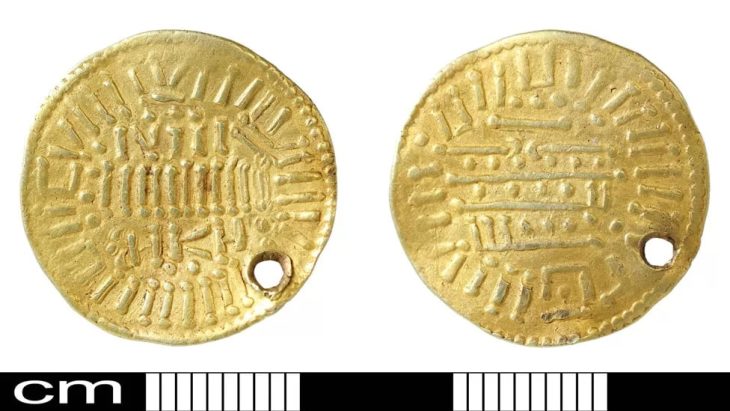
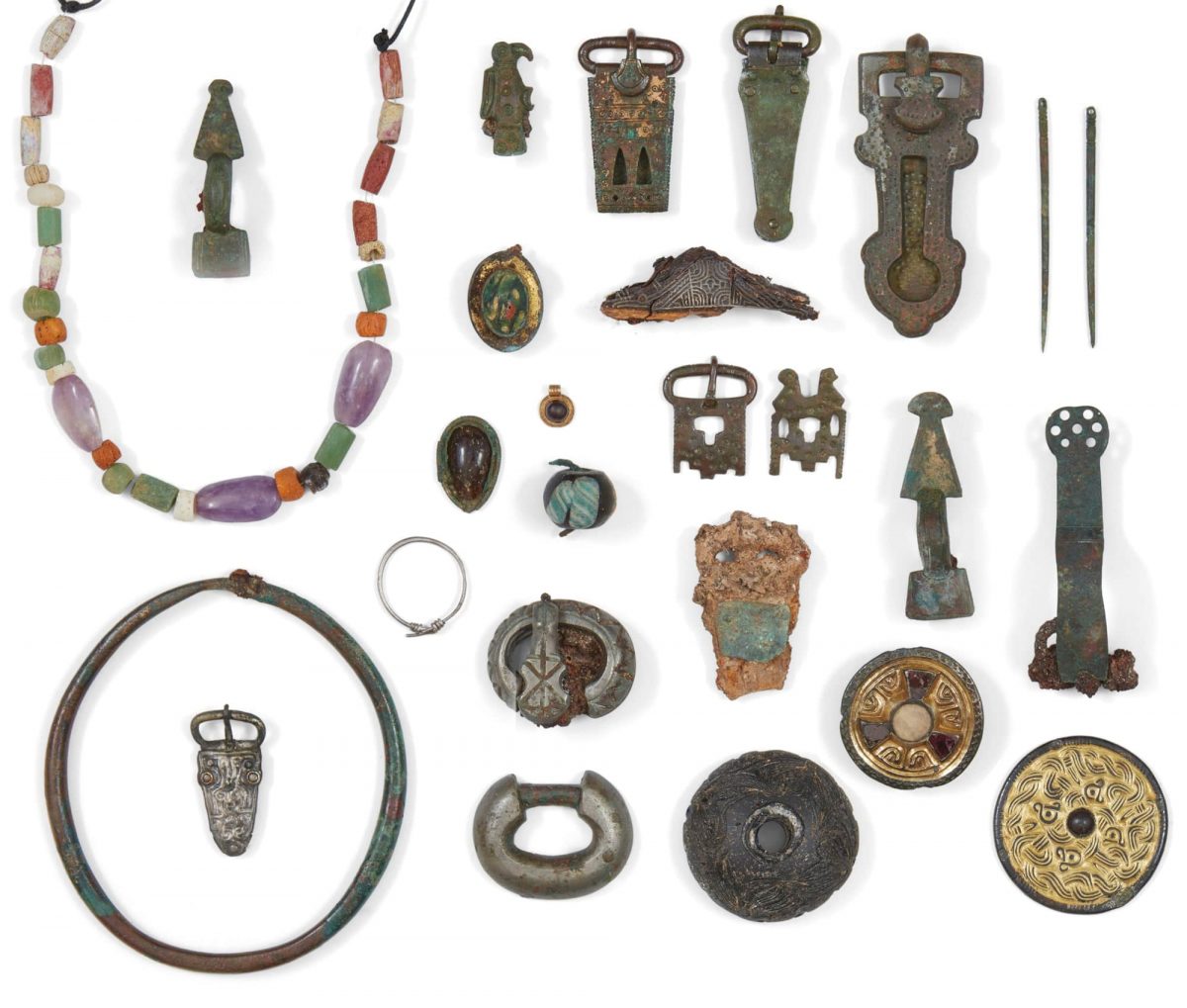
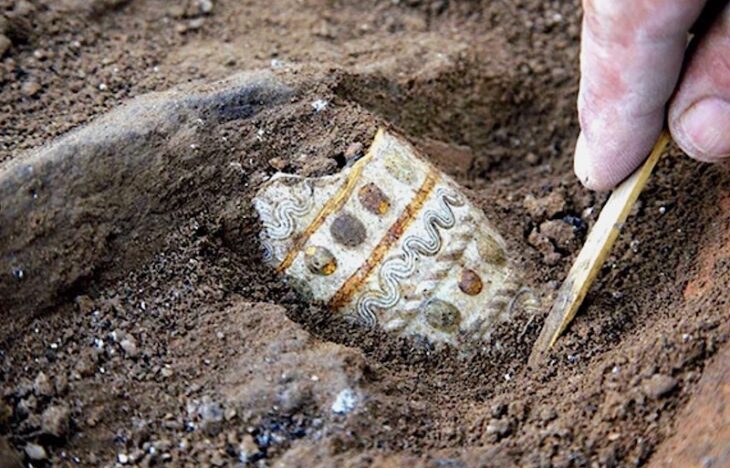
The Ozengell Anglo-Saxon Collection includes a wide array of 1700 Anglo-Saxon items of jewelry, buckles, weapons fittings, glassware, and pottery found in excavations of an Anglo-Saxon burial ground near Ramsgate in Kent.

The first discoveries from this location were made in 1846 during the construction of the Ramsgate-Deal railway. Many of these early finds are in museums including in Liverpool and the British Museum.
The Ozengell Hoard bought by the Society was found in the course of excavations between 1977-1981.


📣 Our WhatsApp channel is now LIVE! Stay up-to-date with the latest news and updates, just click here to follow us on WhatsApp and never miss a thing!!


The items were conserved by the Ancient Monuments Laboratory and the Institute of Archaeology and were on loan to The Powell-Cotton Museum in Birmingham, Kent, from 1983 to 2010. However, the vast collection was never displayed in its entirety.

The collection was then returned to landowner, farmer, and businessman David Steed. Four glass finds from this hoard were sold by Christie’s in 2011. The 1700 items, contained within more than 50 boxes, were to be offered as a single lot in the auction.
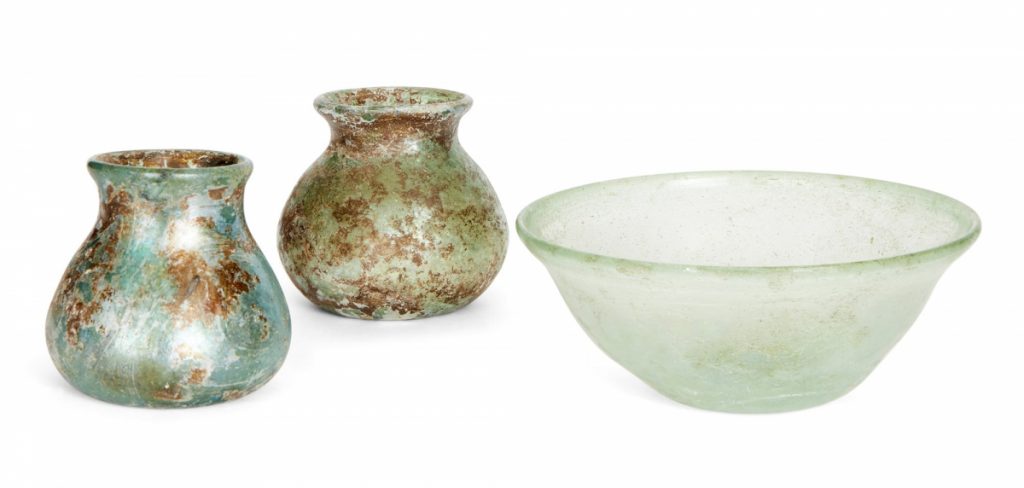
A hemispherical glass bowl and two glass globular bottles.

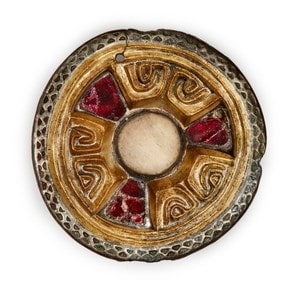
Some of the stand-out pieces of the collection include a gilt-silver disc brooch set with three wedge-shaped garnets, large numbers of amber and glass beads, a hemispherical glass bowl and two glass globular bottles with narrow necks, a pottery urn decorated with a linear pattern, another decorated with triangles and stippling, a circular incense vessel, copper, bronze and gilt-silver buckles, iron shield bosses, knives and a pair of tweezers with incised decoration.

The Ozengell Collection supplements and expands the society’s nationally significant Anglo-Saxon grave goods collection. Selected objects will be displayed alongside items from the Kent Archaeological Society’s larger collection.
Kent Archaeology

Related Articles

A Sunken Land of Life and Intelligence: The Lost World of Homo Erectus Resurfaces After 140,000 Years

25 May 2025

25 May 2025

Archaeologists discover ancient human fossils and extinct megafauna on the seafloor of the Madura Strait, revealing that Homo erectus once...

Metal Detectorist Finds on 4,000-year-old Dagger in Poland Forests

24 February 2024

24 February 2024

A copper dagger more than 4,000 years old was found in a forest near the town of Jarosław on the...

Remains of a 5-year-old girl found under Real Alcázar in Spain

9 May 2021

9 May 2021

The body of a five-year-old fair-haired girl who lived in the late Middle Ages and was most likely of noble...

Infinite Embrace: New research sheds light on Bronze Age family relationships that link Britain to Luxembourg

30 January 2024

30 January 2024

A new study of early Bronze Age examples from Luxembourg and Britain, led by researchers from the universities of Mainz...

New Study Disproves Roman Massacre at Maiden Castle, Revealing Complex Iron Age Conflicts

30 May 2025

30 May 2025

Bournemouth University Archaeologists Challenge 90-Year-Old Roman Conquest Narrative at Maiden Castle with Fresh Forensic and Radiocarbon Analysis A landmark study...

The 2800-year-old Urartians Lake, which is an engineering masterpiece of its time, is drying

13 July 2023

13 July 2023

Keşiş Lake in Van, in eastern Turkey, which was built by the Urartu King Rusa 2,800 years ago, was negatively...

The International Congress of Hittitology will be held in Istanbul for the first time in its history

29 December 2021

29 December 2021

The International Congress of Hittitology, which has been held every three years since 1990, was postponed for one year due...

The ruins believed to belong to Noah’s Ark date back to 5500-3000 years BC.

26 October 2023

26 October 2023

Rock and soil samples taken from the area where the ruins of ‘Noah’s Ark‘ are believed to be located in...

Temple and Warrior’s Armor from the 5th–7th Centuries Unearthed in Uzbekistan’s Kanka Settlement

1 November 2025

1 November 2025

Archaeologists in Uzbekistan have uncovered the remains of a temple and fragments of early medieval armor within the Kanka settlement,...

2800-year-old settlement discovered in Vadnagar, India

17 January 2024

17 January 2024

An excavation in Gujarat’s Vadnagar, about 900 km southwest of New Delhi, India, has found the remains of a settlement...

A massive Rune stone found under a kitchen floor in Denmark declared treasure

8 June 2023

8 June 2023

A couple in Denmark discovered a massive rune stone weighing approximately 900 kilograms during a home renovation project that planned...

One of the Largest Early Medieval Silver Hoards Ever Found in Sweden Unearthed Near Stockholm

13 October 2025

13 October 2025

In an astonishing find that could reshape our understanding of early medieval Scandinavian wealth, a private individual digging for earthworms...

Archaeologists Find Mysterious 2,800-year-old Channels in Jerusalem

30 August 2023

30 August 2023

Archaeologists excavating in Jerusalem have uncovered a network of mysterious channels dating back to the days of King Joash and...

Unique ‘Excalibur’ Sword Found Upright in Ground Unearthed in Spain Holds Islamic Origins

26 April 2024

26 April 2024

Researchers have finally unraveled the mysteries of the historical sword discovered in Spain 30 years ago, which they named ‘Excalibur’...

A 42,000-year-old pendant found in northern Mongolia may be the earliest known phallic art

20 June 2023

20 June 2023

An international team of researchers has found a pendant in northern Mongolia that may be the earliest known example of...