
Discovery in Świerszczów near Hrubieszów sheds light on everyday currency and hidden treasures of the early modern era
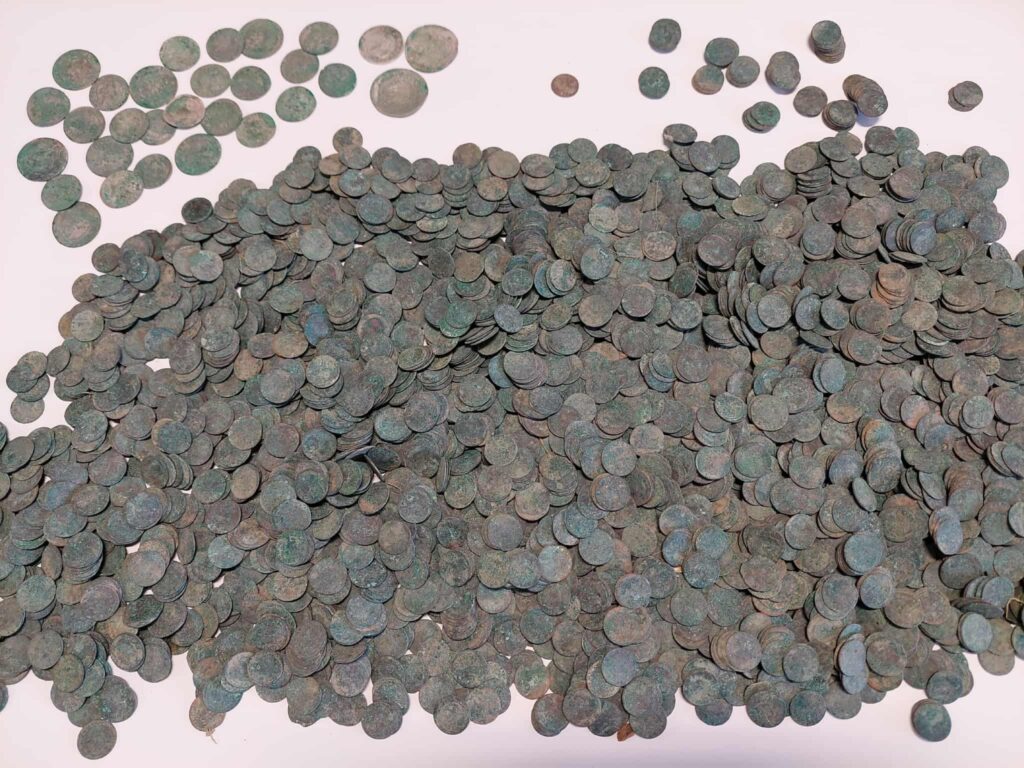
A remarkable archaeological discovery has been made near the village of Świerszczów in the Lublin Voivodeship of eastern Poland. A local history enthusiast equipped with a metal detector uncovered a massive hoard of 17th-century coins, estimated to include around 5,000 copper and silver specimens. Experts believe the find, which has already been transferred to the Hrubieszów Museum, offers a rare glimpse into the circulation of currency during one of the most turbulent centuries in Polish and European history.
Detectorist’s lucky find
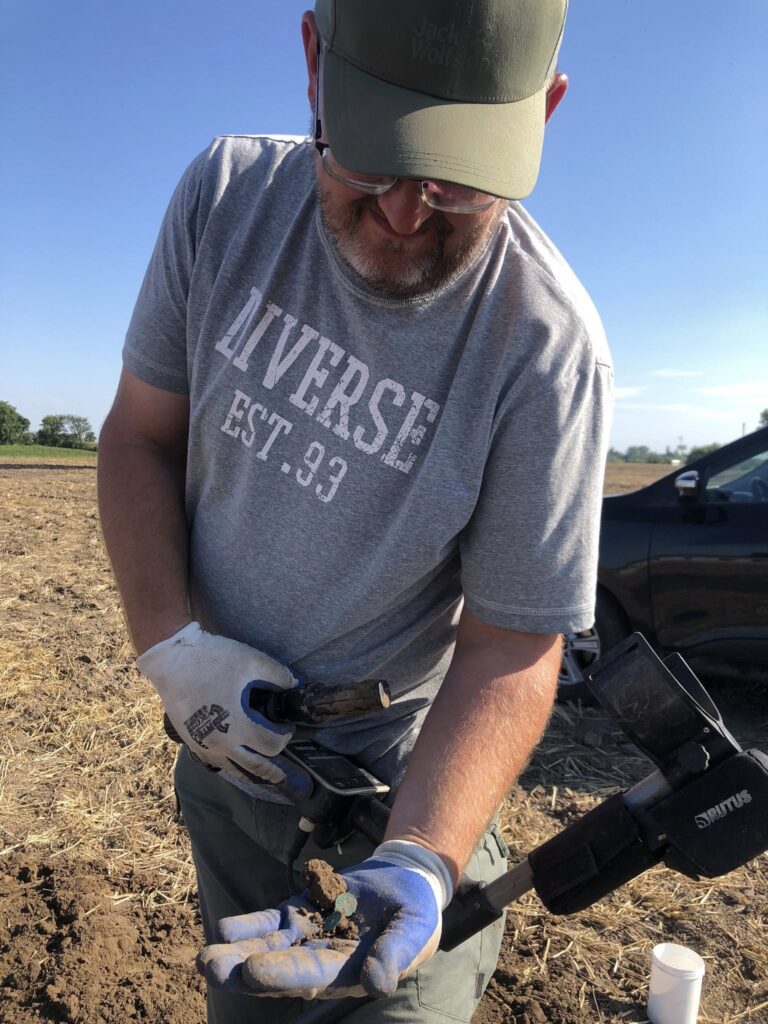
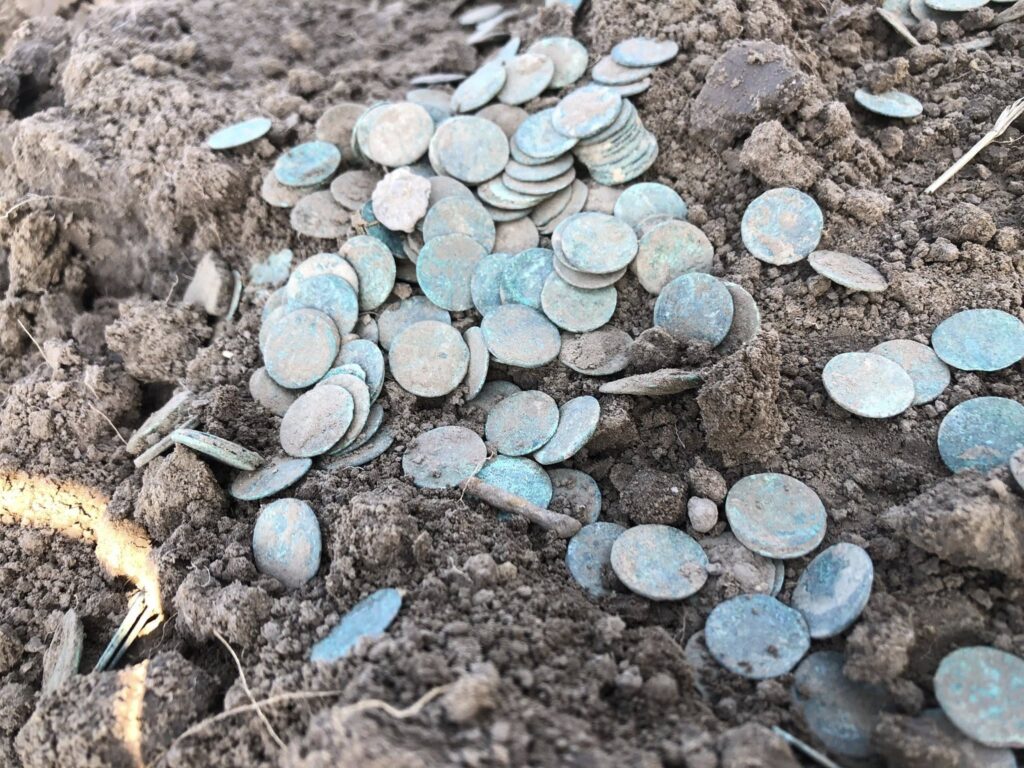
The discovery was made by Grzegorz Panek, a member of the Hrubieszów Historical–Exploration Association “GROSSUS.” Panek, who has long carried out heritage-approved searches, was exploring farmland when his detector signaled a strong reading. What began as the recovery of a few corroded copper coins quickly escalated into the excavation of thousands, many of which were found clumped together due to centuries of corrosion.
Recognizing the significance of the find, Panek immediately notified heritage authorities. Archaeologists from the conservator’s office in Zamość and the director of the Hrubieszów Museum inspected the site the following day. No remains of a container or other structural features were identified, likely due to erosion and intensive agricultural activity that had disturbed the soil over time.
Composition of the hoard
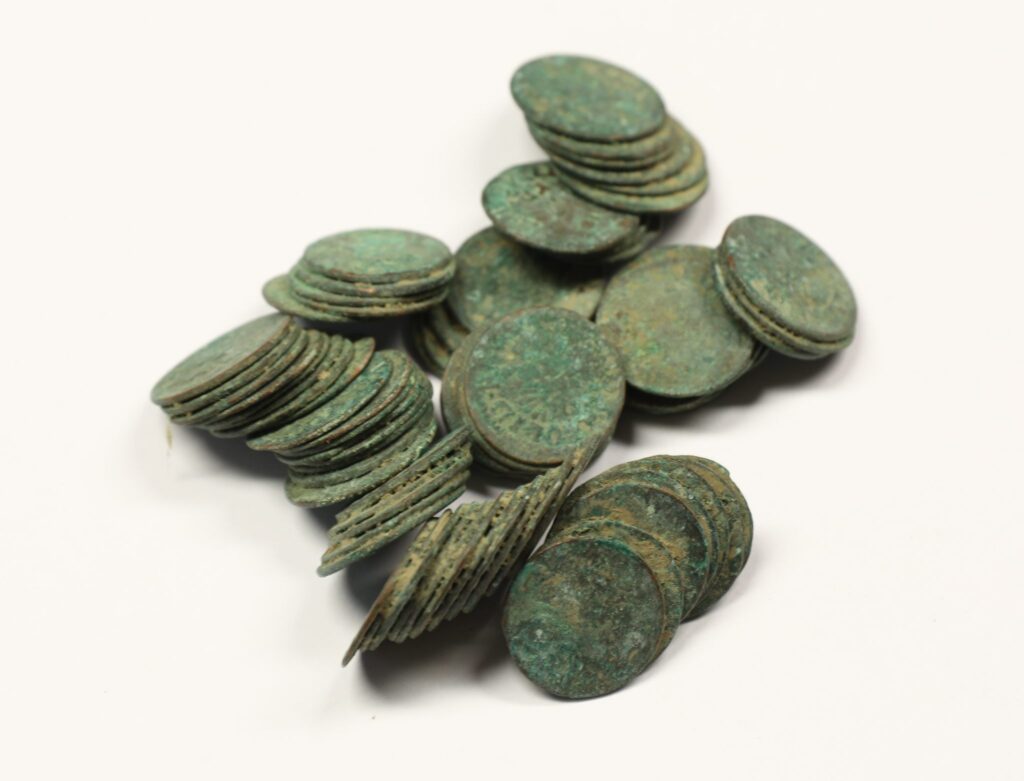
Preliminary analysis suggests that the majority of the coins are copper pieces minted during the reign of King Jan II Kazimierz between 1650 and 1657. These are predominantly “boratynki,” small-denomination coins produced in huge quantities for both the Crown of Poland and the Grand Duchy of Lithuania. The name derives from Tito Livio Burattini, the royal official who oversaw their minting.
While individual boratynki have modest numismatic value today, their sheer volume makes this hoard extraordinary. In total, the copper coins account for nearly 5,000 specimens, many of which were recovered in fused clusters.
Alongside the copper coins, the hoard also contained 29 higher-value silver pieces. These include six-grosz coins minted during the reigns of Jan Kazimierz and John III Sobieski, as well as coins from Frederick William of Brandenburg, Leopold I, Christian of Wołoszek, and Joachim VIII. Dated between 1660 and 1705, these silver coins suggest that the hoard was buried at the beginning of the 18th century. Fragments of decayed textile fibers found with the coins point to the likelihood that they were originally buried in a cloth bag.
Historical significance
The discovery provides historians with a rare opportunity to study everyday monetary circulation in early modern Poland. The 17th century was marked by wars, invasions, and political instability, circumstances that often prompted individuals to conceal their wealth underground. Many such deposits were never retrieved, either because their owners perished or circumstances prevented recovery.
Although the financial worth of the copper coins is relatively low, their historical value is immense. The hoard demonstrates how ordinary currency was produced, circulated, and safeguarded in a period when Poland was experiencing dramatic economic and political change.
From excavation to exhibition
The entire hoard has been secured at the Hrubieszów Museum, where it will undergo conservation and detailed scholarly analysis. Experts aim to clean, catalog, and preserve the coins before preparing them for public display. Once exhibited, the hoard will allow visitors to connect directly with the realities of 17th-century life in the Polish-Lithuanian Commonwealth.
“This find is significant not because of the individual value of the coins, but because of the story they tell,” said one museum representative. “It is a snapshot of a society in crisis, when people were forced to hide their possessions during uncertain times.”
A treasure for history
Large coin hoards are rare discoveries, and this one adds a vital piece to the puzzle of how money functioned in early modern Eastern Europe. Beyond its academic importance, the Świerszczów hoard highlights the role of local enthusiasts like Panek, whose responsible approach to metal detecting—conducted under proper permits—ensures that finds are documented and preserved for the public.
As conservation work progresses, the thousands of coins from Świerszczów will soon offer both scholars and visitors an extraordinary connection to the past, serving as a reminder of how fragile yet enduring material traces of history can be.
Lubelski Wojewódzki Konserwator Zabytków
Cover Image Credit: Lubelski Wojewódzki Konserwator Zabytków
