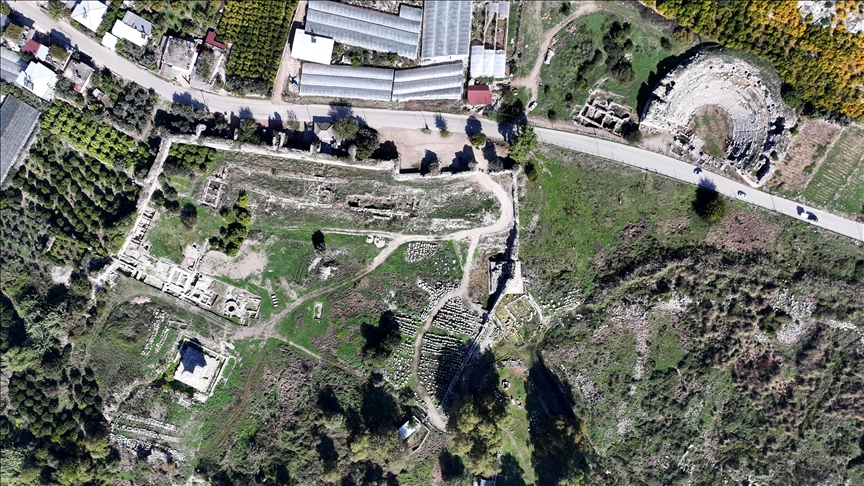
A significant breakthrough has reshaped archaeological understanding of Limyra, one of eastern Lycia’s most storied ancient cities. Excavations in Finike, Antalya, have uncovered the long-missing Temple of Zeus—a sanctuary known from inscriptions since 1982 but whose location had eluded researchers for more than four decades. The discovery marks one of the most important developments in recent Lycian archaeology, offering new clarity on the city’s sacred landscape and its evolution from the Classical period into late antiquity.
Located nine kilometers northeast of modern Finike, Limyra lies at the foot of Mount Toçak, where perennial springs carve channels through the ruins. These waters, a defining feature of the site for centuries, once nourished a metropolis that served as the political heart of Lycia under King Perikles and later as a diocesan center during the Byzantine period. Today, the city is known for its dense concentration of rock-cut tombs, its imposing fortifications, and monumental structures such as the “Perikle Heroon,” the Roman baths, the Ptolemaion, the colonnaded street, and the monumental tomb erected for Gaius Caesar, the adopted grandson of Augustus.
For years, one major element was missing from this landscape: the principal temple of Zeus, chief god of the city throughout the Classical, Hellenistic, and Roman eras. Although inscriptions clearly attested to its existence, its exact location remained one of Limyra’s most persistent archaeological puzzles.
This season, that mystery has finally been resolved.
Excavations Reveal the Temple’s Long-Hidden Entrance
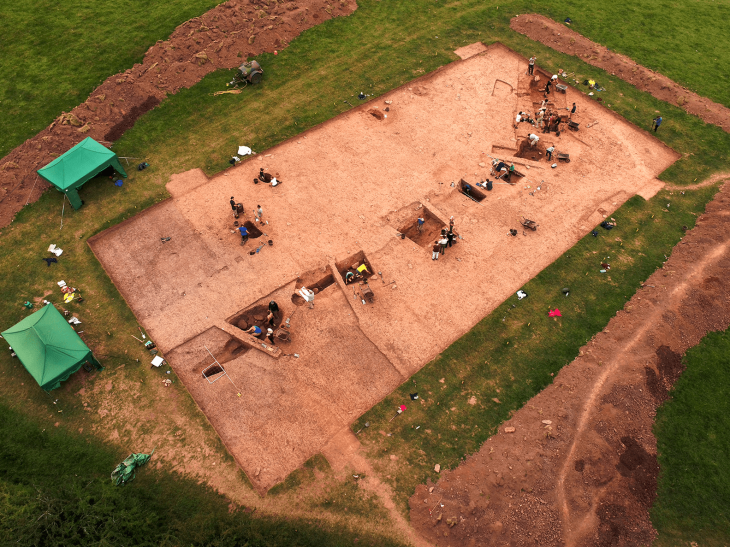
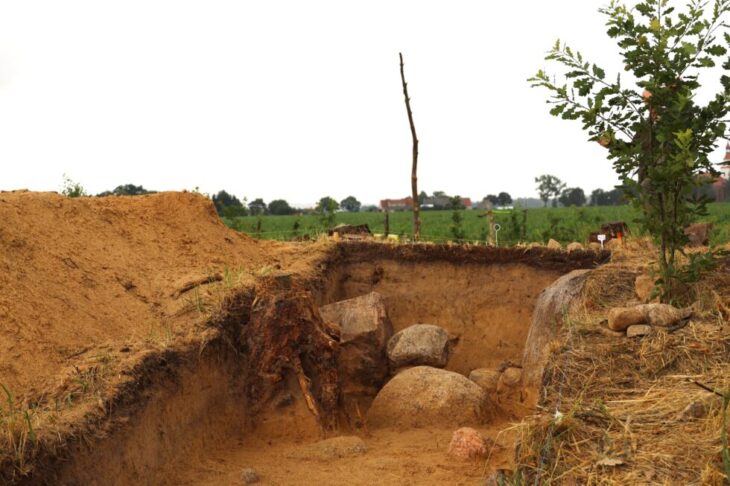
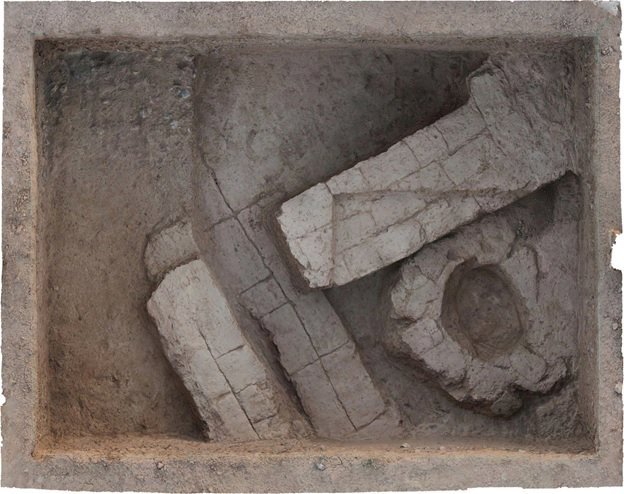
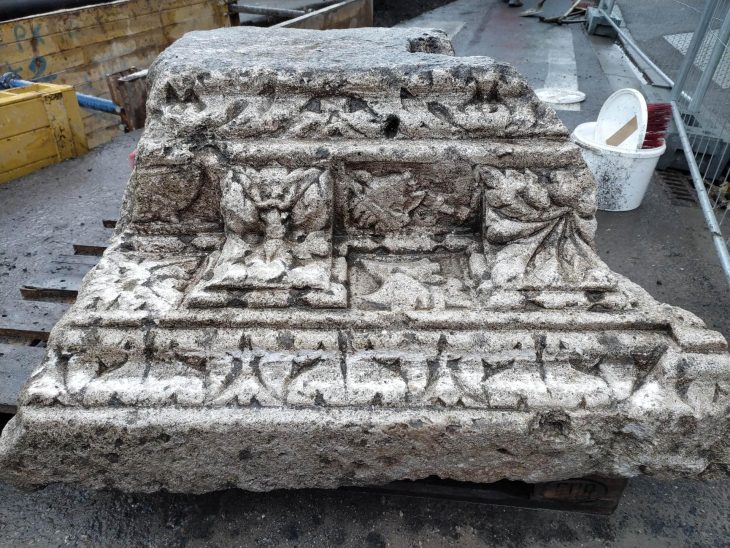
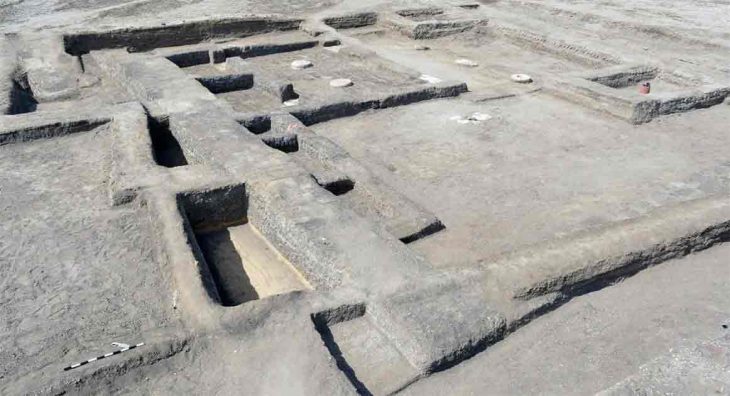
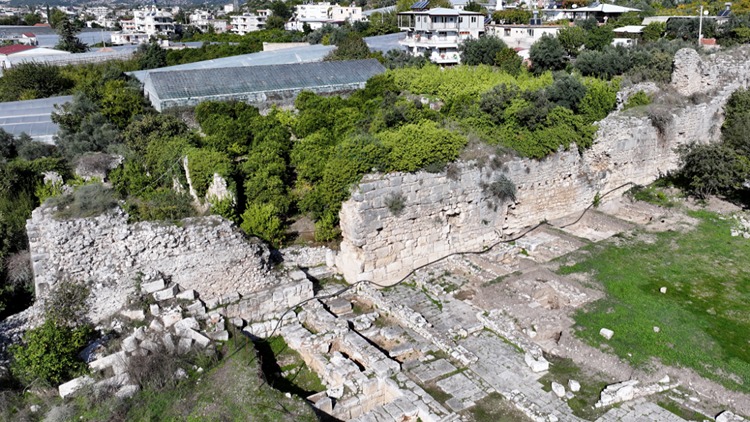
The renewed fieldwork, directed in coordination with the Austrian Archaeological Institute and led by Assoc. Prof. Dr. Kudret Sezgin of Hitit University focused on the western sector of the settlement. Here, beneath layers of architectural debris and later fortification, the team uncovered the eastern façade of the temple—the principal entrance of the sanctuary. The exposed architecture includes the anta walls that framed the portico and defined the ceremonial threshold of the sacred space. Measurements indicate that the façade spanned roughly fifteen meters, demonstrating that this was not a minor rural shrine but a full monumental temple aligned with the city’s primary urban axis.
📣 Our WhatsApp channel is now LIVE! Stay up-to-date with the latest news and updates, just click here to follow us on WhatsApp and never miss a thing!!
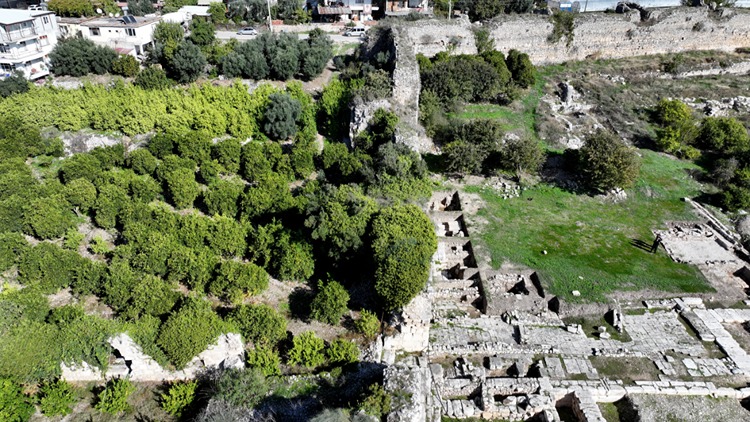
The discovery also exposed a striking detail: at some point during the Byzantine period, a defensive wall was constructed directly atop the Classical structure. The cella—the inner holy chamber—lies beyond this late fortification, beneath what is now a privately owned orange grove. Archaeologists expect the heart of the temple to be exceptionally well preserved once expropriation allows excavations to continue.
New Evidence Pushes Limyra’s History Back 5,000 Years
Ceramic finds recovered from the temple area are already reshaping academic understanding of Limyra’s earliest phases. According to Sezgin, the pottery suggests that human activity at the site stretches back at least five millennia—far earlier than previous estimates for organized settlement. While Limyra is widely known for its Classical and Roman urban fabric, these new findings indicate a deeper prehistoric occupation, potentially linked to early Anatolian cultural networks that predate the rise of the Lycian League.
Rethinking the City’s Urban Development
The rediscovery of the temple is prompting scholars to reconsider long-held interpretations of Limyra’s city plan. For decades, an imposing gate structure beneath the Roman street—identified as a “propylon”—was understood as a monumental entrance to the later Roman avenue. The new excavation demonstrates that this gate originally served as the ceremonial entrance to the Zeus sanctuary during the Classical era.
Similarly, a set of walls long classified as a Hellenistic defensive circuit appears instead to encircle the temple precinct, functioning as a protective temenos wall rather than a city fortification. This reinterpretation radically alters the spatial hierarchy of Limyra, repositioning the temple as the architectural and symbolic anchor of the western district.
A Missing Monument Returns to the Lycian Map
The implications extend beyond urban planning. Zeus was not merely one deity among many in Limyra but the city’s paramount divine protector. His prominence is well documented in inscriptions and coinage across the Hellenistic and Roman periods. The temple’s re-emergence therefore, restores a core piece of spiritual identity to a city long celebrated for its cultural and political influence within Lycia.
The discovery also strengthens ongoing heritage initiatives under Türkiye’s “Legacy to the Future Project,” which aims to preserve, document, and reinterpret the country’s major archaeological landscapes. With the temple now identified, future excavations are expected to produce new insights into public ritual, political authority, and the transformation of sacred spaces across 2,000 years of continuous urban occupation.
Limyra, already one of the most architecturally diverse cities in Lycia, now regains a monument that once stood at the heart of its religious life—hidden for 43 years beneath earth, stones, and the roots of a modern citrus grove, but never forgotten.
Cover Image Credit: AA