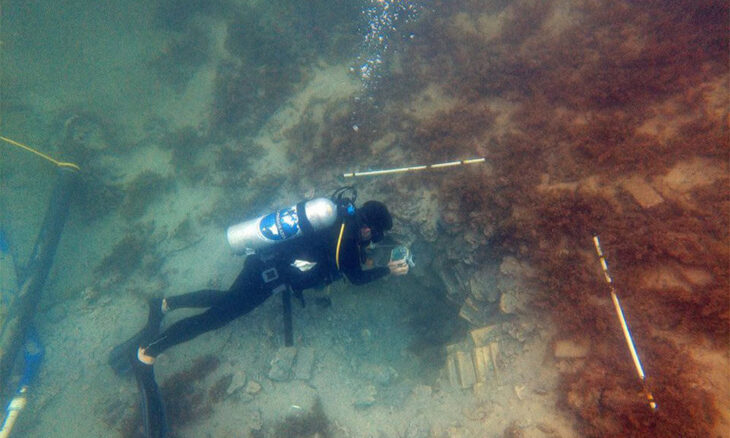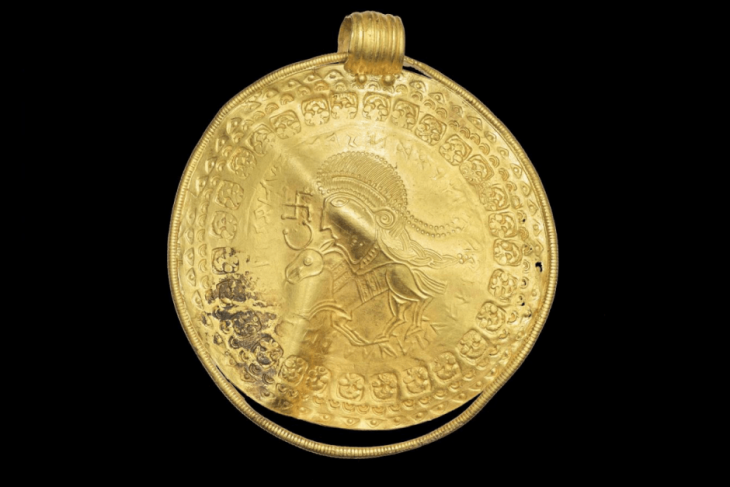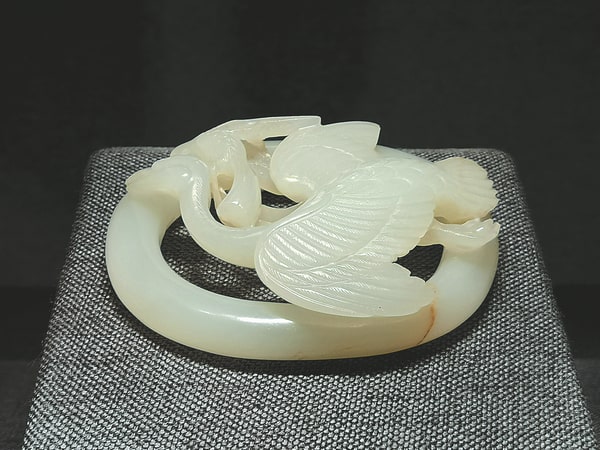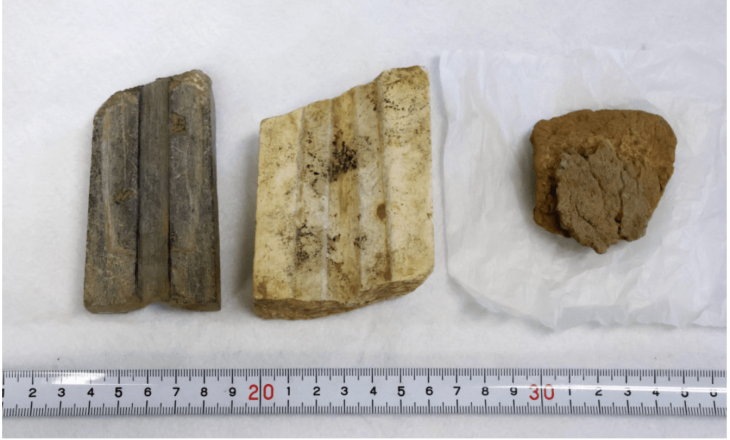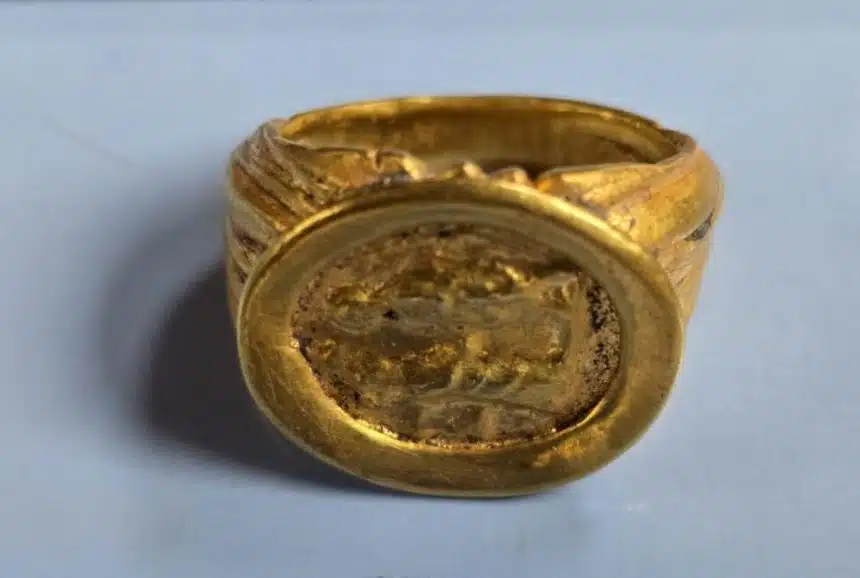
Archaeological excavations in Ancient Bononia, located in modern-day Vidin, Bulgaria, have revealed a remarkable discovery that sheds new light on Roman social life and marital traditions. A gold Roman fidelity ring, weighing 23.63 grams, was unearthed during the final days of the 2025 excavation season, at a depth of nearly six meters. Dating to the late 2nd to early 3rd century AD, the artifact is considered one of the most significant Roman finds in the region in recent years.
A Rare Roman Fidelity Ring
According to excavation director Assoc. Prof. Dr. Zdravko Dimitrov, the ring belongs to a category known as Roman marital fidelity rings. These rings were exchanged between newlyweds during the Roman Empire and served a role similar to modern wedding bands. Unlike plain rings, fidelity rings often featured symbolic imagery emphasizing loyalty, unity, and legal marriage.
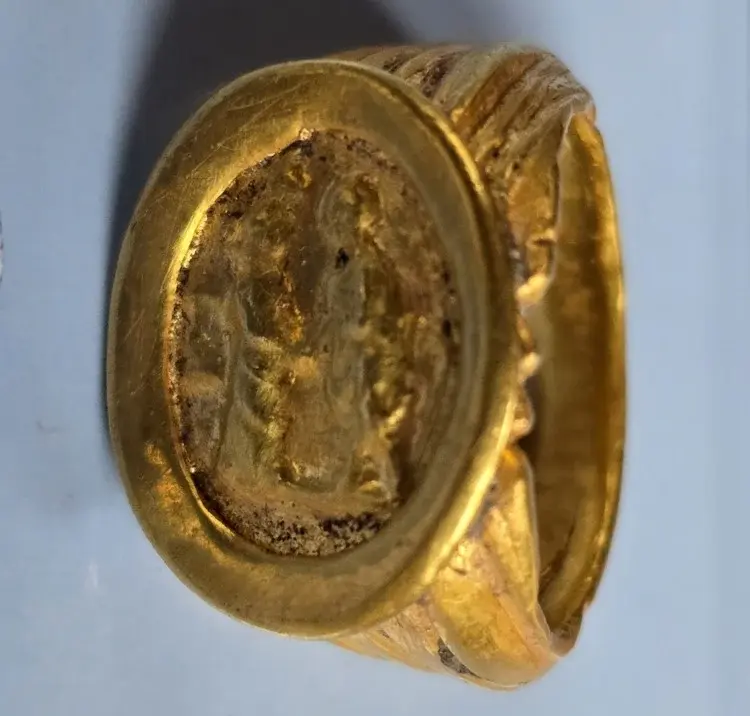
The Bononia ring has an oval gold bezel engraved with the image of a married couple, a powerful symbol of partnership and lifelong commitment in Roman culture. The oval plate is soldered onto the band, which is decorated with parallel grooves (cannelures) on both sides—a refined decorative technique common in high-quality Roman jewelry.
Local Craftsmanship and Ratiaria’s Goldsmiths
Experts believe the ring was locally produced, most likely in one of the renowned goldsmith workshops of Ratiaria (modern-day Archar), a major Roman city near the Danube. During the 2nd century AD, both Bononia and Ratiaria transitioned from military outposts into thriving civilian and economic centers, benefiting from trade routes along the Danube frontier.
Roman gold fidelity rings were typically worn by women, symbolizing not only emotional devotion but also legal marital status. In some cases, these rings also served as personal seals, reinforcing their importance in Roman daily life.
📣 Our WhatsApp channel is now LIVE! Stay up-to-date with the latest news and updates, just click here to follow us on WhatsApp and never miss a thing!!
Bononia: A Strategic Roman and Byzantine Hub
Ancient Bononia was founded as a Roman fort and later developed into a prosperous city within the province of Moesia Superior. Its strategic position along the Danube Limes made it a key point for trade, military logistics, and communication.
Interestingly, the same excavation zone yielded another major discovery from a much later period. About two meters above the Roman layers, archaeologists found a lead seal belonging to Basil, the Byzantine strategos of Bdin, dating to the early 11th century AD. This artifact dates to 1003 AD, when the Byzantine Empire reconquered the region during the reign of Emperor Basil II.
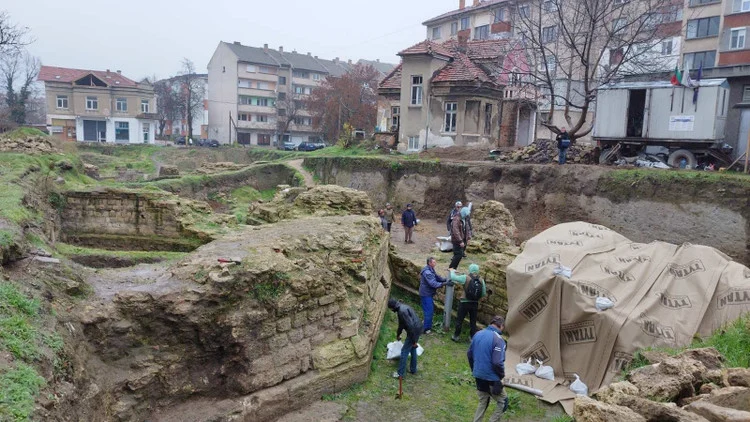
The repeated discoveries in this area—located near Tower No. 10, just inside the fortress entrance—suggest it was a heavily trafficked zone where valuable objects were likely lost over centuries of continuous movement and occupation.
The Symbolism of Roman Love and Loyalty
Roman fidelity rings were more than decorative jewelry. They represented trust, legal marriage, and social identity. The depiction of couples holding hands or facing each other symbolized harmony and mutual respect—values strongly emphasized in Roman marital ideology.
Gold rings, in particular, indicated status and prosperity, making this discovery even more significant. The weight and craftsmanship of the Bononia ring suggest it belonged to a wealthy local family during the city’s peak period.
Ongoing Excavations and Cultural Preservation
The 2025 excavation season at Ancient Bononia has officially concluded, with conservation work currently underway to protect the site through winter. Local authorities have confirmed that funding will continue for future archaeological research at Bononia and the nearby Baba Vida fortress moat, ensuring further discoveries in one of Bulgaria’s most historically rich regions.
This extraordinary find not only enriches our understanding of Roman jewelry and marriage customs, but also reinforces Bononia’s importance as a cultural crossroads where love, power, and history intersected over two millennia ago.
Cover Image Credit: National Museum of Bulgaria.