
6 December 2025 The Future is the Product of the Past

Archaeologists Find Rare Ancient African Figurines in Christian Graves in Negev Desert

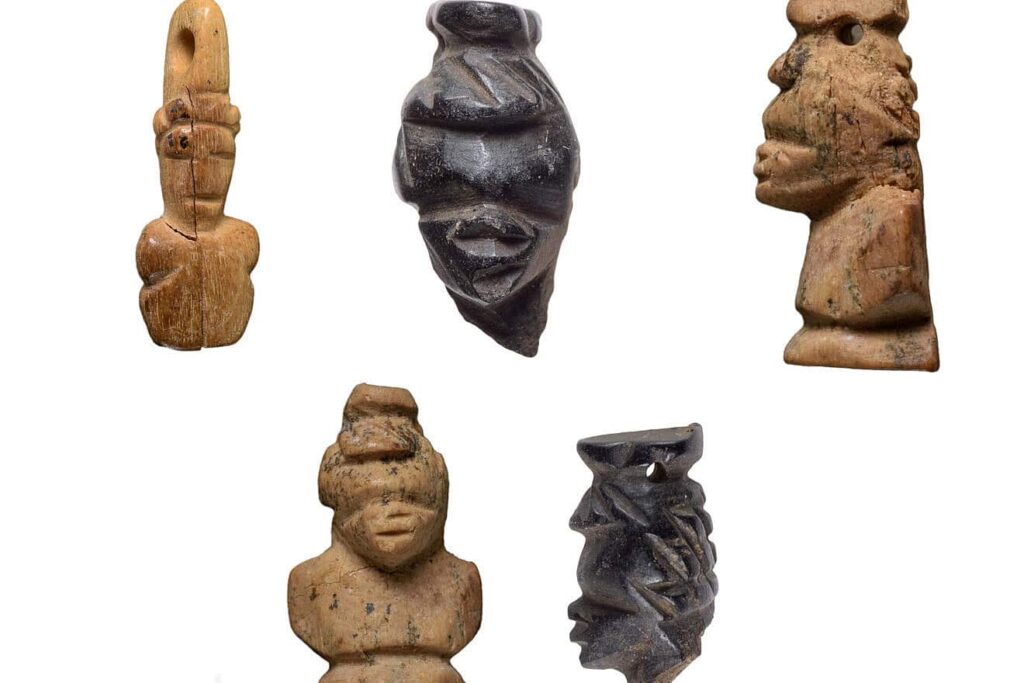
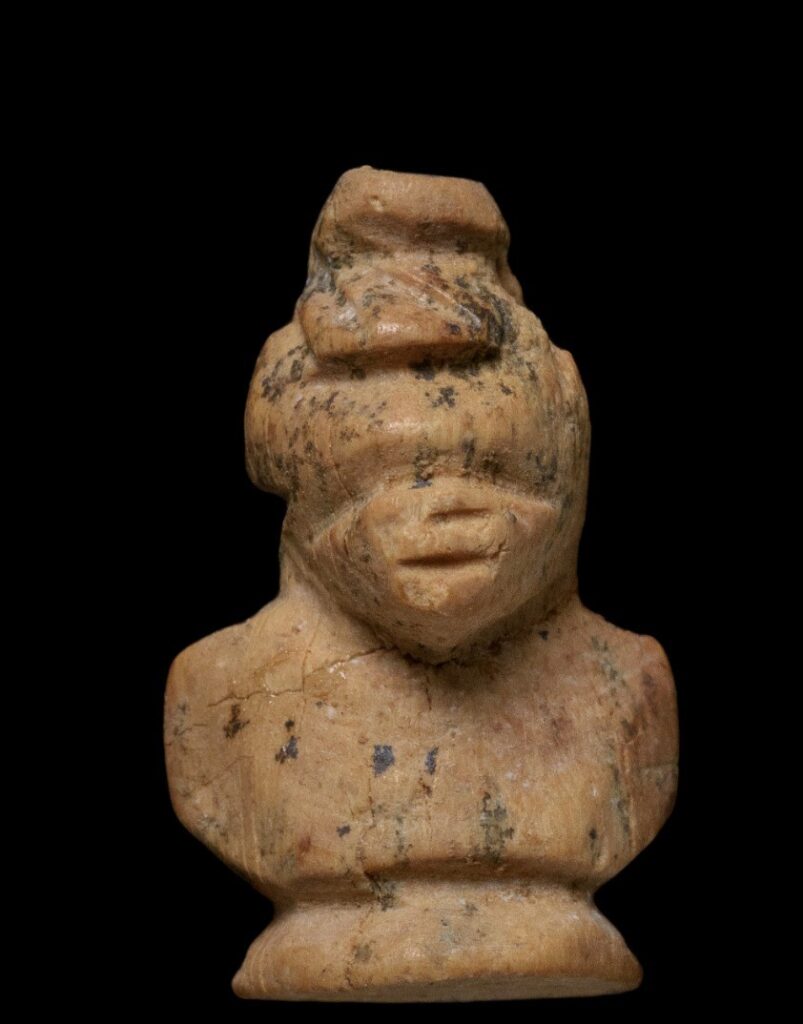
Researchers have uncovered five miniature figurines, including intricately carved African heads, in 1,500-year-old graves in Israel’s Negev Desert. These rare artifacts—found in Christian burial sites at Tel Malḥata—are shedding new light on the region’s unexpected cultural diversity during the Byzantine period.

The statuettes were discovered in 2017 during an excavation at Tel Malhata in the Arad Valley, in graves belonging to women and children.

The discovery, made during excavations by the Israel Antiquities Authority in collaboration with the University of Cologne, is detailed in the latest issue of ʻAtiqot, the Authority’s academic journal. The findings provide evidence of long-distance trade, religious transformation, and African influence in the southern Levant.

Ancient Symbols of Identity and Belief

The figurines, made of bone and ebony wood—a luxury material imported from southern India and Sri Lanka—were found in tombs of women and children. Each figurine features distinct African facial characteristics and is designed with a hole, suggesting it was worn as a pendant or personal amulet.

According to lead researcher Dr. Noé D. Michael, “These figurines may have served not only as ornaments but also as deeply personal items, embodying identity, memory, and ancestral heritage—even after the community had adopted Christianity.”


📣 Our WhatsApp channel is now LIVE! Stay up-to-date with the latest news and updates, just click here to follow us on WhatsApp and never miss a thing!!


Figurines that were discovered in the IAA excavation. Credit: Dafna Gazit, Israel Antiquities Authority

A Crossroads of Trade and Tradition

During the Roman-Byzantine era, Tel Malḥata functioned as a vital trade hub, connecting Africa, Arabia, and South Asia. The presence of African figurines in Christian burial contexts is exceptionally rare and offers compelling evidence of the cultural mosaic that existed in the Negev around the 6th–7th centuries CE.

In addition to the figurines, the graves contained glassware, stone and alabaster jewelry, and bronze bracelets, further highlighting the area’s multicultural character.

Family, Faith, and Forgotten Stories

One grave held the remains of a woman and a child buried side by side—possibly a mother and son—alongside two figurines, suggesting intimate familial connections and possibly shared spiritual beliefs. These burial practices demonstrate how personal traditions were preserved even within a Christian religious framework.
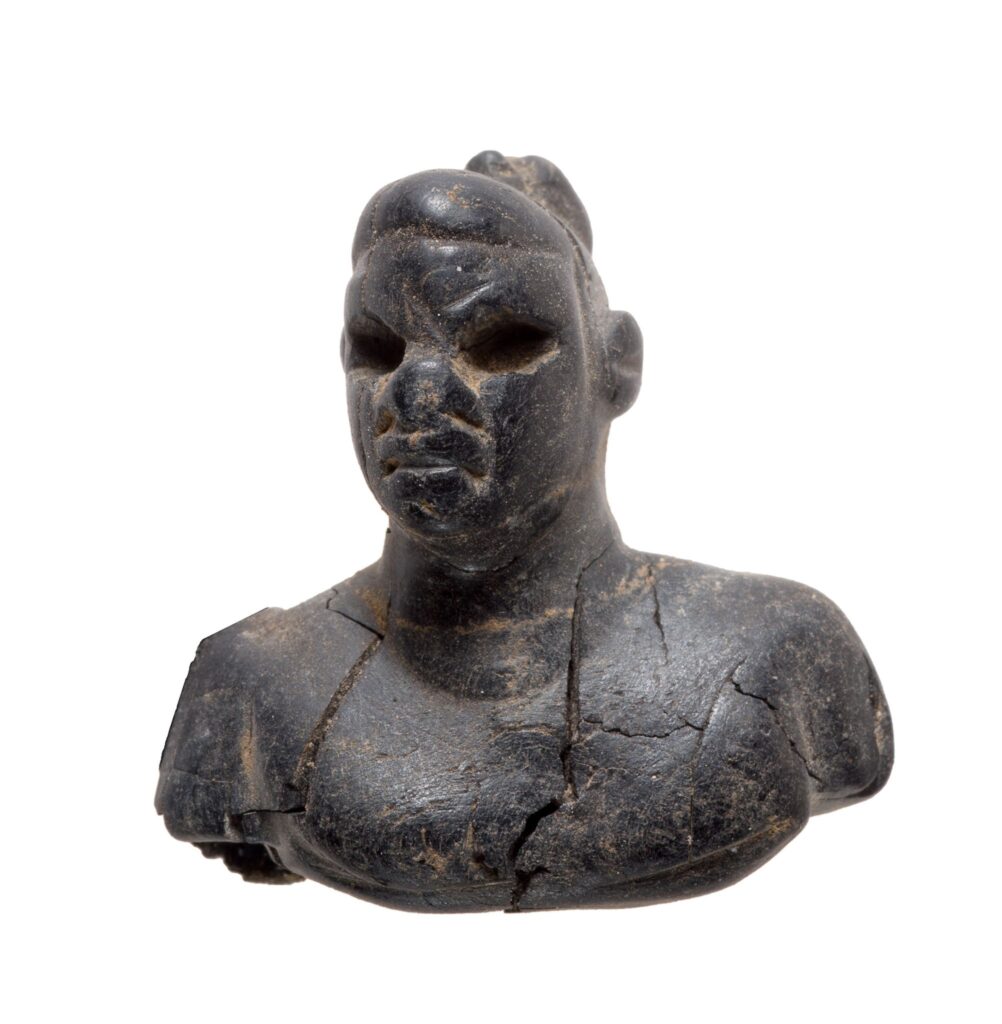
Credit: Dafna Gazit, Israel Antiquities Authority

A Window into the Past

Eli Escusido, Director of the Israel Antiquities Authority, emphasized the emotional and scholarly significance of the find: “These artifacts are a poignant reminder that the Land of Israel has always been a crossroads of civilizations. The people who lived here came from afar, settled, and brought with them the stories, customs, and memories of distant homelands.”

The discovery of these figurines at Tel Malḥata offers far more than a glimpse into ancient burial customs—it reveals a rich and complex web of intercultural relationships, spiritual continuity, and global connections in a region often viewed through a narrow historical lens. The presence of African-inspired artifacts, made from materials sourced from South Asia, in the graves of early Christian communities speaks volumes about the cosmopolitan character of the Negev 1,500 years ago.
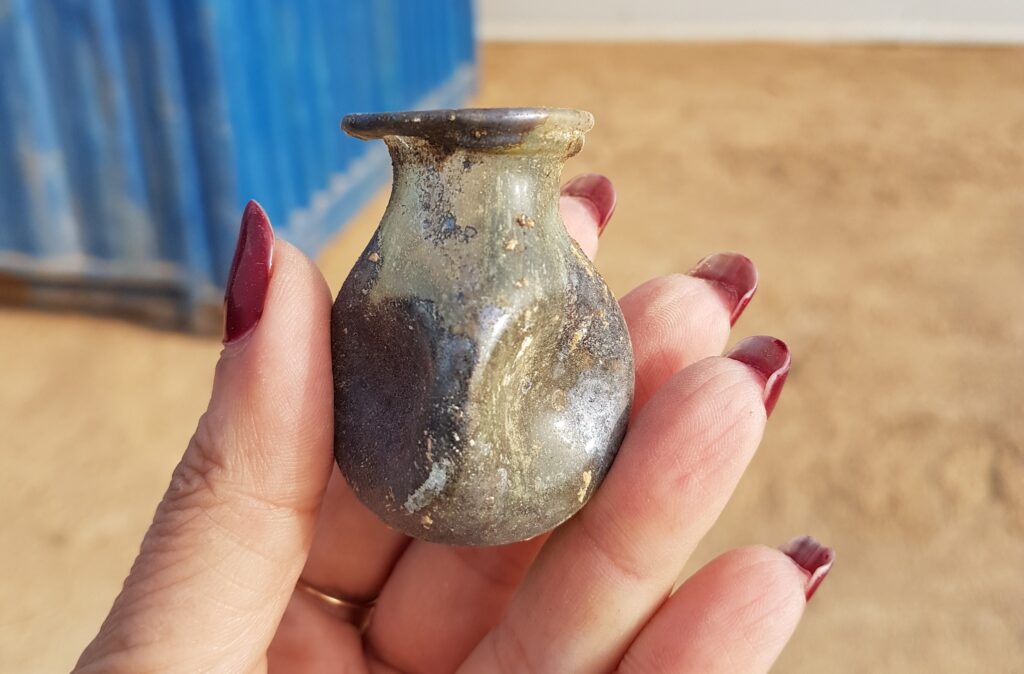
Along with the figurines, glassware, alabaster jewelry, and bronze bracelets were also found. Credit: Svetlana Talis, Israel Antiquities Authority

Such findings challenge the conventional understanding of ancient societies as isolated or homogenous. Instead, they highlight how even in remote desert settlements, people maintained ties—through trade, belief, or heritage—with distant parts of the world. These figurines serve not only as archaeological treasures but also as timeless symbols of how identity, faith, and culture travel across borders and endure through generations.

Atiqot

Cover Image Credit: Dafna Gazit, Israel Antiquities Authority

Related Articles

It may have been designed in Nevali Çori before Göbeklitepe was built

10 October 2021

10 October 2021

Göbeklitepe, Nevali Çori, Karahantepe, and Taştepeler, which will make us rethink what we know about human history, change the information...

Ancient terracotta dancers, and musicians unearthed in China

13 November 2022

13 November 2022

Chinese archaeologists recently discovered a large group of terracotta figurines from a tomb in a group dating to the Northern...

Sleeping Cupid Unearthed in Pula: A Rare Masterpiece of Ancient Roman Art

3 November 2025

3 November 2025

A remarkable discovery has once again placed Pula archaeology in the spotlight. During excavations in the historic center of the...

An Ancient Large Clay Vessel “Hum” 1.75 Meters High Unearthed in Kyrgyzstan

9 March 2024

9 March 2024

During recent archaeological excavations in the town of Uzgen in the Osh province of Kyrgyzstan, a 1.75-meter-high clay vessel known...

During roadwork in Oregon, a woolly mammoth tusk was discovered

21 June 2021

21 June 2021

A 12,000-year-old woolly mammoth tusk was discovered beneath the street by crews rerouting a gas line in Corvallis, Oregon. “Whenever...

Alexander the Great’s Sacred Purple Tunic Found in a 2,400-year-old Macedonian Tomb?

29 October 2024

29 October 2024

Archaeologists have found a sacred chiton (tunic) in a 2400-year-old royal tomb in the Macedonian city of Vergina in northern...

Researchers reveal the 4,500-year-old network of funerary avenues in Arabian Peninsula

15 January 2022

15 January 2022

Archaeologists from the University of Western Australia (UWA) have determined that people living in ancient northwest Arabia built long-distance “funerary...

Ancient Eco-Tech Uncovered in Lebanon: Phoenicians Used Recycled Pottery for Hydraulic Lime Plaster 2,700 Years Ago

23 July 2025

23 July 2025

Excavations at Tell el-Burak Reveal Technological Innovation and Early Sustainable Construction in Iron Age Lebanon In a major archaeological breakthrough,...

Marble inlay floors found in a Sunken Roman villa in Baia, the Las Vegas of the ancient world

9 April 2023

9 April 2023

Expansion of research activities in the Terme del Lacus area in the sunken Baia park, known as the ‘Las Vegas’...

1900 years old funerary altar of a teenage girl discovered in Rome

9 May 2022

9 May 2022

A funerary altar indicating the location of the remains of Valeria, a 13-year-old girl who died in the 2nd century...

Celtic Traditions Endured Long After Roman Conquest: Archaeological Research in Saarland Reveals a Hybrid Past

20 September 2025

20 September 2025

Excavations in Oberlöstern uncover burial mounds, villas, and monuments that blend Celtic and Roman traditions—tracing the roots of European identity....

3500-year-old Ritual Table with All Its Ceramic Dishware Found in Azerbaijan

12 July 2024

12 July 2024

A joint team of Italian and Azerbaijani archaeologists has discovered a 3500-year-old ritual table with the ceramic tableware still in...

Important archaeological find in the seas of Sicily: Archaic stone anchors found off Syracuse

24 November 2023

24 November 2023

During a joint operation by the Maritime Superintendency of the Sicilian Region and the Diving Unit of the Guardia di...

2000-year-old ancient Roman Road, described as the most important in Scottish history, has been discovered

3 November 2023

3 November 2023

A 2000-year-old ancient Roman road was unearthed in Old Inn Cottage’s garden near Stirling, Scotland. The site is located a...

Tomb of an Urartian buried with his dog, cattle, sheep, and 4 horses unearthed

6 September 2021

6 September 2021

In ancient times, the dead were buried with their living and non-living things. The offerings placed as dead gifts varied...