
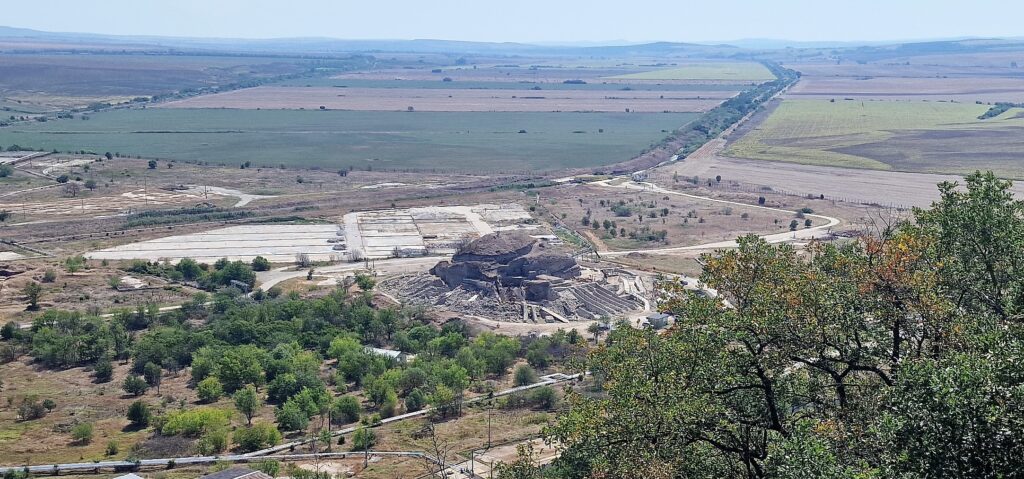
Archaeologists at the prehistoric settlement of Provadia-Solnitsata in Bulgaria have uncovered evidence that people were making beer around 6,500 years ago, raising the possibility that the site preserves some of the earliest known evidence of brewing in Europe.
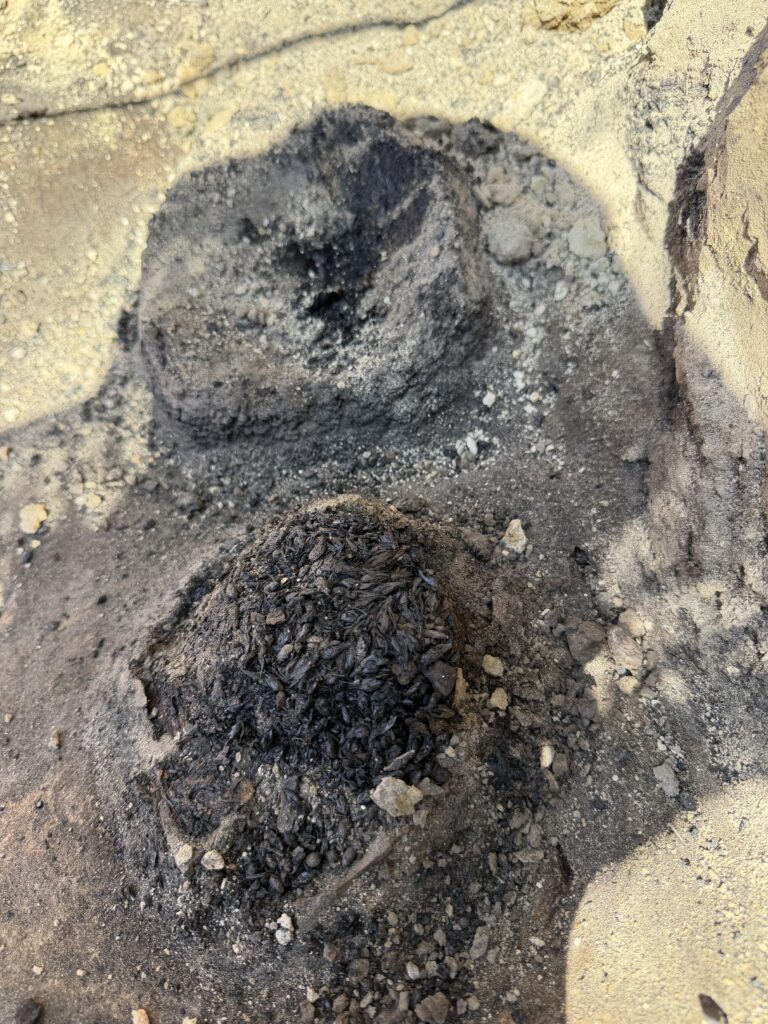
The discovery came from a burned two-storey house dating to around 4500 BC. Beneath two small ceramic bowls, archaeologists found unusually well-preserved charred ears of grain. What initially appeared to be another store of prehistoric food turned out to contain an important clue: the wheat had germinated.
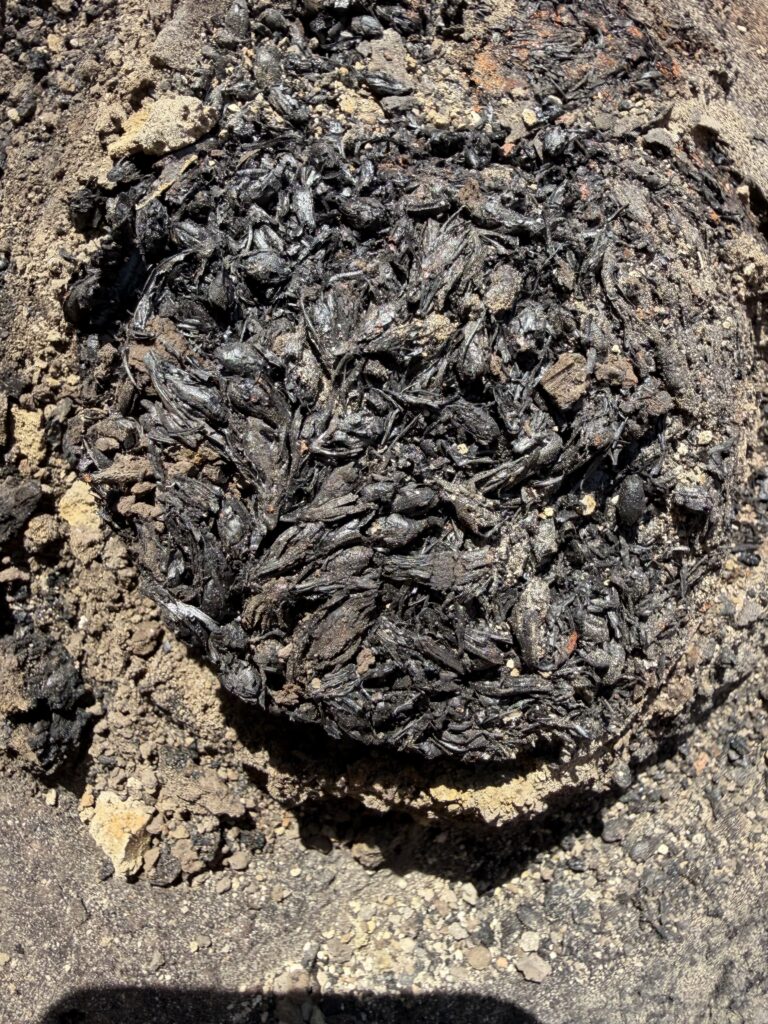
Archaeobotanical analysis identified the grain as emmer wheat and showed that it had apparently been deliberately soaked in water, the crucial first step in turning grain into malt. According to the excavation team, the find provides the first specific early evidence for beer production in what is now Bulgaria.
Germinated wheat beneath two overturned bowls
The grain survived because of the destruction of the house by fire. On the floor of its first storey, excavators encountered two relatively small ceramic bowls lying upside down. When the vessels were carefully lifted, charred grain remained beneath them, some of it still preserved in its ears.
The excavation team consulted archaeobotanist Dr. Elena Marinova-Wolff in Germany, who identified the crop as emmer, one of the principal wheat species cultivated during this period. More importantly, examination showed that the grains had begun to germinate.
That detail changes the interpretation of the find. Grain begins germinating after absorbing substantial quantities of water. During this process, enzymes convert stored starches into simpler sugars. The same biological process forms the basis of malting, making those sugars available for later fermentation.
The Solnitsata team therefore argues that the grain had not simply become wet by accident. It had been intentionally soaked and allowed to germinate as part of a controlled technological process.
From emmer wheat to prehistoric beer
Producing malt requires several deliberate steps. The excavation team notes that grain normally has a moisture content of roughly 11–12 percent, keeping the embryo dormant. After several days of soaking, moisture rises dramatically, and germination begins.
Once that happens, enzymes inside the grain start breaking down starch reserves into sugars. For prehistoric brewers, this transformation offered exactly what was needed to begin producing an alcoholic drink.
Beer and other fermented grain beverages were already known in prehistoric communities of the Near East. What makes the Bulgarian find significant is its date and location. When excavation director Academician Vasil Nikolov presented the season’s discoveries in September, he described it as probably the earliest evidence of beer production in Bulgaria and suggested that it might also rank among the earliest evidence known from Europe.
Beer at Europe’s ancient salt centre
Provadia-Solnitsata was no ordinary Chalcolithic settlement. Occupied between roughly 5600 and 4350 BC, the site developed around one of prehistoric Europe’s most valuable resources: salt.
People here extracted salt from local brine and turned it into a commodity that could be stored and exchanged. Archaeologists have uncovered substantial houses, defensive structures, and evidence of increasingly complex community life around this specialized economy.
The newly discovered malt adds another dimension to that picture. The people living at Solnitsata were not only managing large-scale salt production but also using a sophisticated understanding of grain processing.
Nikolov has said that some houses at the settlement reached two or three storeys, with lower levels associated with storage and upper floors used as living spaces. The building that produced the malt evidence belonged to this developed settlement and dates to an earlier phase of the Late Chalcolithic.
The site’s salt industry has already provided archaeologists with evidence for specialized production, exchange and social organization. The possible brewing evidence now offers a more intimate glimpse into what people may have consumed and prepared inside their homes.
A drink that may have carried ritual meaning
Why people at Solnitsata were making beer remains harder to determine. The excavation team has suggested that the beverage may have been consumed partly for its intoxicating effects and could have played a role in ritual practices.
That interpretation remains more tentative than the identification of malt itself. Archaeology rarely preserves the social setting in which a drink was consumed, and the germinated grain alone cannot establish whether beer was intended for everyday meals, communal gatherings, ceremonies, or some combination of these.
What the charred wheat does reveal is a deliberate sequence of actions. Someone selected the grain, soaked it for days, and allowed it to germinate before the process was interrupted, apparently when the house burned.
More than six millennia later, that unfinished batch has survived as an unexpected record of prehistoric food technology. At a settlement already famous for turning salt into wealth, a handful of blackened emmer grains may now provide evidence for another carefully mastered process: brewing beer.
