
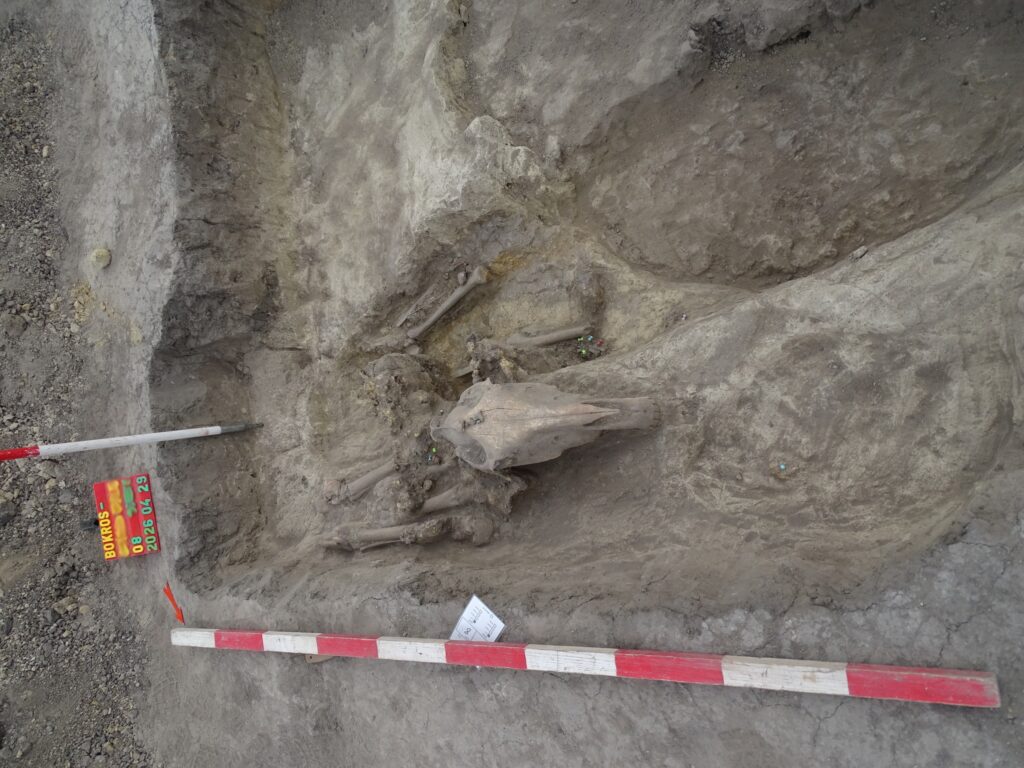
An elite horseman’s grave from the Hungarian Conquest period has been uncovered at Csongrád-Bokros in southern Hungary, offering archaeologists a rare new window into the early Magyars’ arrival and settlement in the Carpathian Basin.
The planned excavation was carried out in April and May by the Tari László Museum in Csongrád under the direction of Dr. Csaba Szalontai and Martin Borsódi. According to the museum, the burial belonged to a high-status mounted warrior who had been interred with rich grave goods. Although the grave had been heavily disturbed by the later digging of a modern storage pit, part of the burial remained intact.
That surviving section is what makes the discovery especially important. Museum specialists say the burial is currently the earliest and most prestigious grave connected to the conquering Hungarians known from the Csongrád district.
A discovery made through community archaeology
The site was first identified in early 2024 thanks to two museum-friendly metal detectorists, Lajos Lénárt and Judit Csentes, who noticed archaeological finds in ploughed farmland. Their discovery led to further investigation, later joined by local historian Ferenc Zsigó of Tiszaalpár.
Zsigó contributed not only additional finds, but also distribution maps showing how the objects were scattered across the site. Such mapping can be crucial when a grave has been disturbed, because it helps archaeologists reconstruct what may have happened to the burial and how the original assemblage was arranged.
The excavation therefore reflects an increasingly important model in Hungarian archaeology: cooperation between professional archaeologists, trained local researchers and responsible detectorists. In this case, that cooperation helped protect a burial that could easily have disappeared into the plough soil.
Rare eastern objects in a warrior’s burial
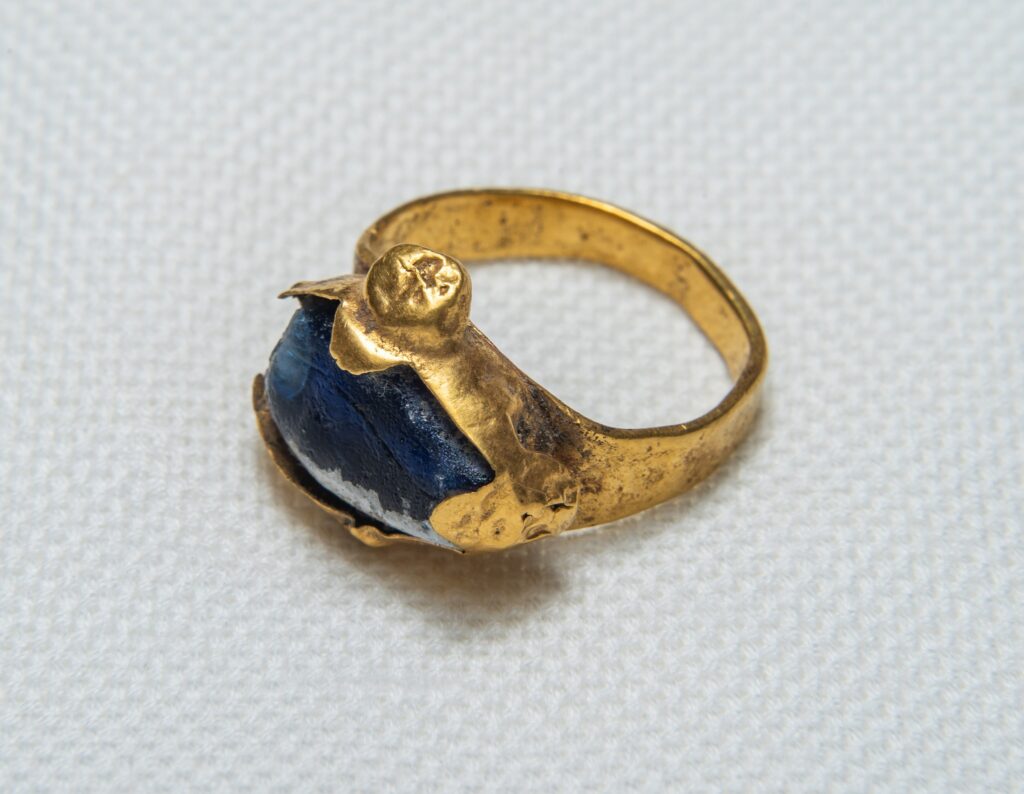
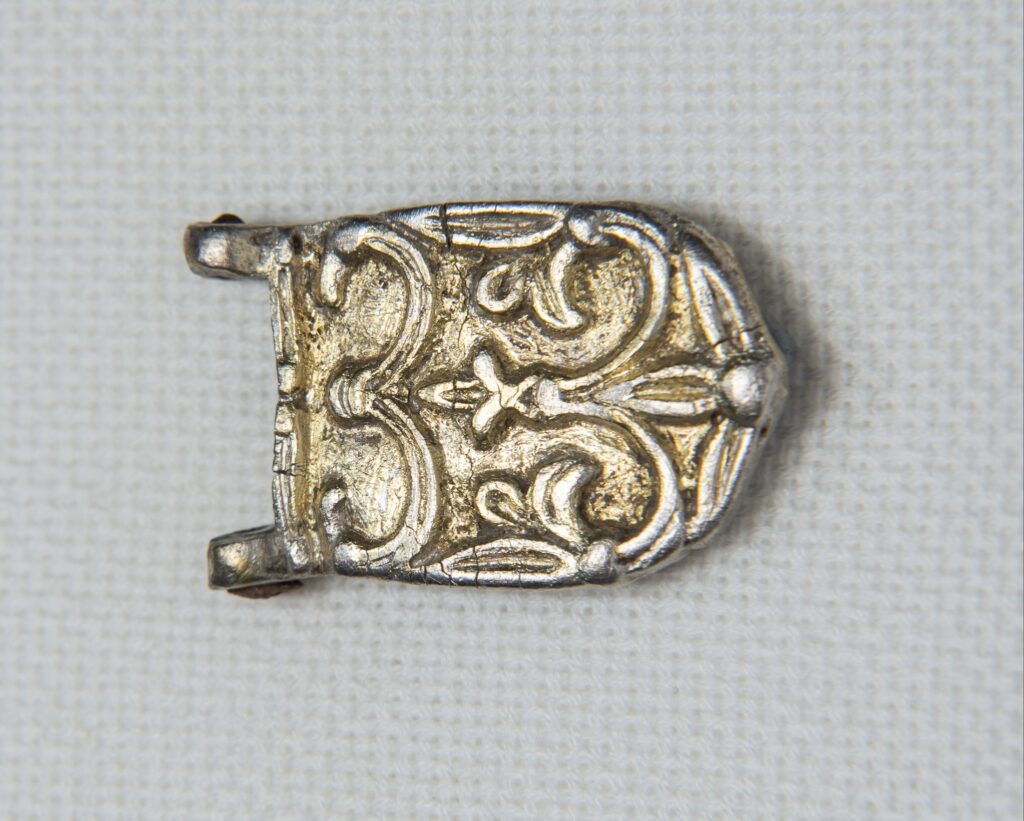
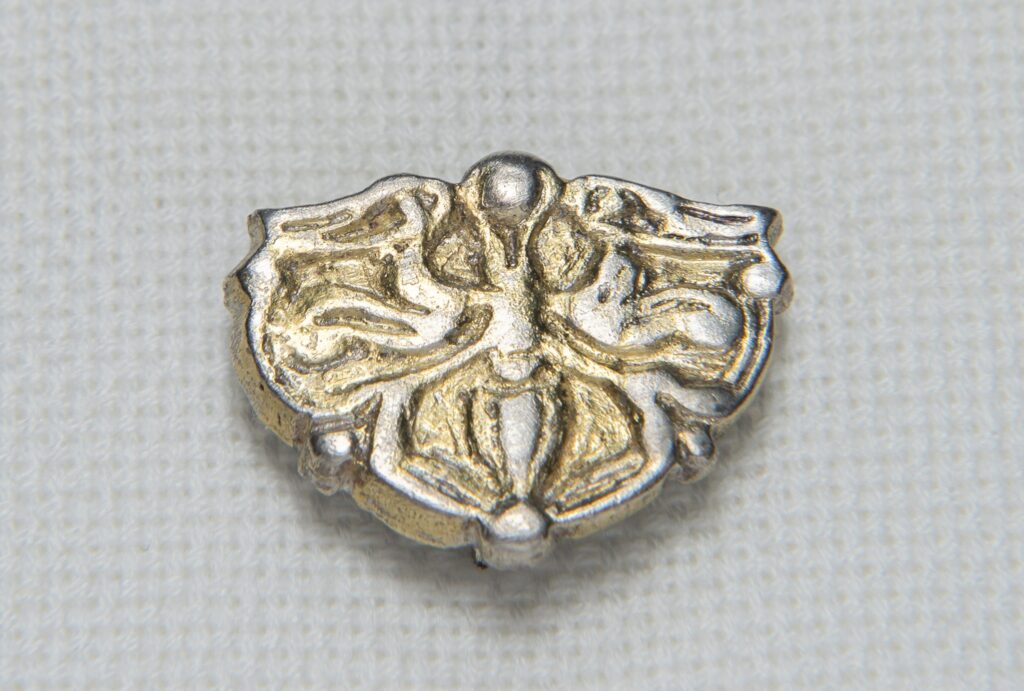
The museum has not yet published a full catalogue of the finds, but its first assessment is striking. The grave contained several rare, possibly unparalleled objects of eastern origin, along with burial customs that may shed light on the movements and cultural links of early Hungarian groups.
Conquest-period elite burials are among the most informative sources for understanding the 9th and 10th centuries in the Carpathian Basin. Written records from this period are limited and often external. Graves, by contrast, preserve direct evidence of identity, status, mobility, warfare and ritual.
Mounted warrior burials are particularly significant. Across the Hungarian Conquest period, horse equipment, weapons, archery gear and symbolic horse remains often appear in high-status graves. These finds point to a society in which mounted warfare, steppe traditions and long-distance contacts played central roles.
The Csongrád-Bokros grave fits into that broader archaeological picture, but it also appears to stand out from it. If the museum’s preliminary interpretation is confirmed, the burial may add a new southern Great Plain reference point to the study of early Hungarian elites.
Csongrád and the southern Great Plain
Csongrád lies near the Tisza River, one of the major waterways of the Great Hungarian Plain. The region has long been a corridor for movement, settlement and cultural exchange. Its landscape of river crossings, floodplain zones and fertile land made it strategically important from prehistoric times through the Middle Ages.
That geography matters for this discovery. The early Hungarians did not enter an empty landscape. The Carpathian Basin was a complex frontier zone shaped by earlier Avar, Slavic, Frankish and Bulgarian influences. A rich Conquest-period grave at Csongrád-Bokros may therefore help researchers examine how incoming Hungarian groups interacted with existing local communities and how elite networks formed in the southern plain.
The museum’s statement is careful, but the implications are clear. The burial may contribute to the wider debate over the migration of early Hungarians and their settlement patterns after their arrival in the Carpathian Basin.
Research now moves to the laboratory
The next stage will be detailed evaluation. Specialists will need to conserve the finds, study their materials, compare them with known Conquest-period objects and examine the burial rite in detail. If human or animal remains were preserved, future scientific analyses could also provide information on diet, mobility, biological profile and possible regional connections.
For now, the Csongrád-Bokros grave already stands as an important discovery. Despite damage caused by later activity, enough survived to identify the burial as the grave of a high-ranking mounted warrior. More importantly, the find adds a rare and potentially valuable piece to the still-developing story of how early Hungarian communities moved, settled and expressed power in the Carpathian Basin.
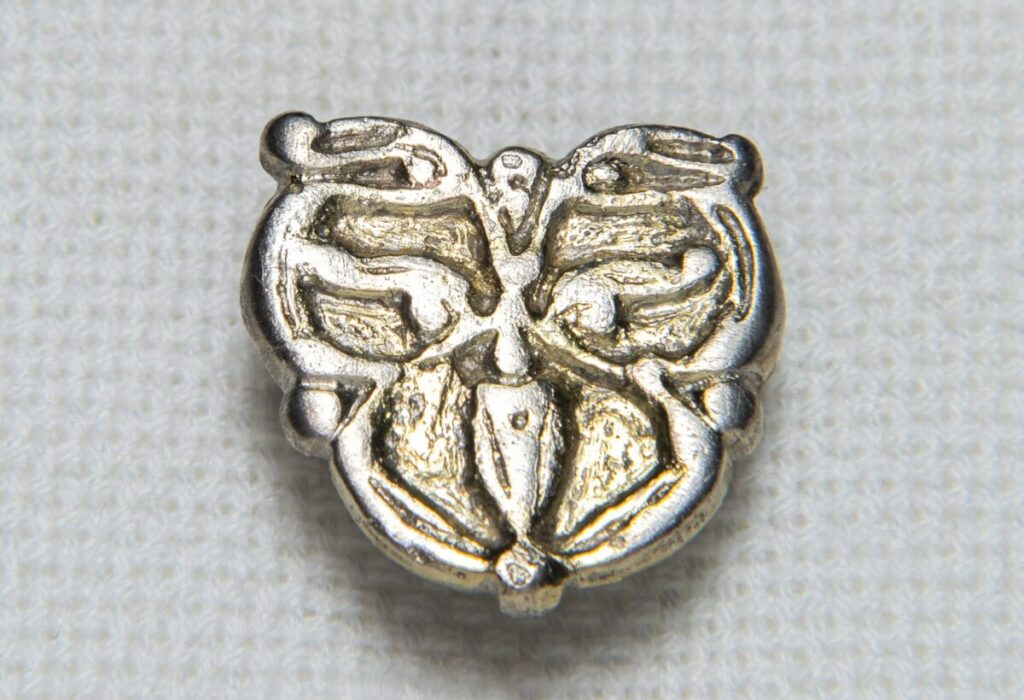
Cover Image Credit: Tari László Múzeum Csongrád via facebook
