
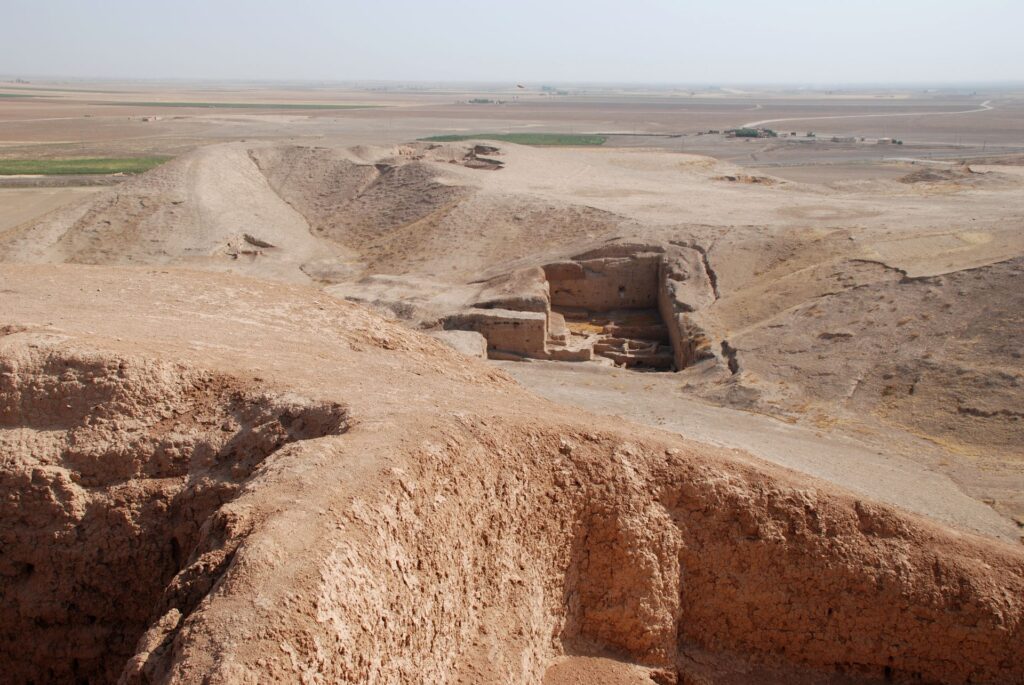
A 6,000-year-old infant skeleton from Tell Brak in northeastern Syria may preserve one of the earliest known cases of child abuse in the archaeological record, according to a study published in the International Journal of Osteoarchaeology.
The child, estimated to have been between six and nine months old at death, was buried during the Late Chalcolithic period, around 4200–3900 BC. Examination of the remains revealed four fractured ribs near the sternum, active porous lesions on both sides of the skull, and abnormal bone formation on the right femur.
The researchers describe the case as possible child abuse rather than a certain diagnosis. After considering disease, birth trauma, accidental injury, and other explanations, they concluded that the pattern of injuries fits best with non-accidental trauma.
The study was carried out by Aleksandra Grzegorska of the University of Warsaw, Tina Jakob of Durham University, and Arkadiusz Sołtysiak of the University of Warsaw.
An infant buried in one of Mesopotamia’s first cities
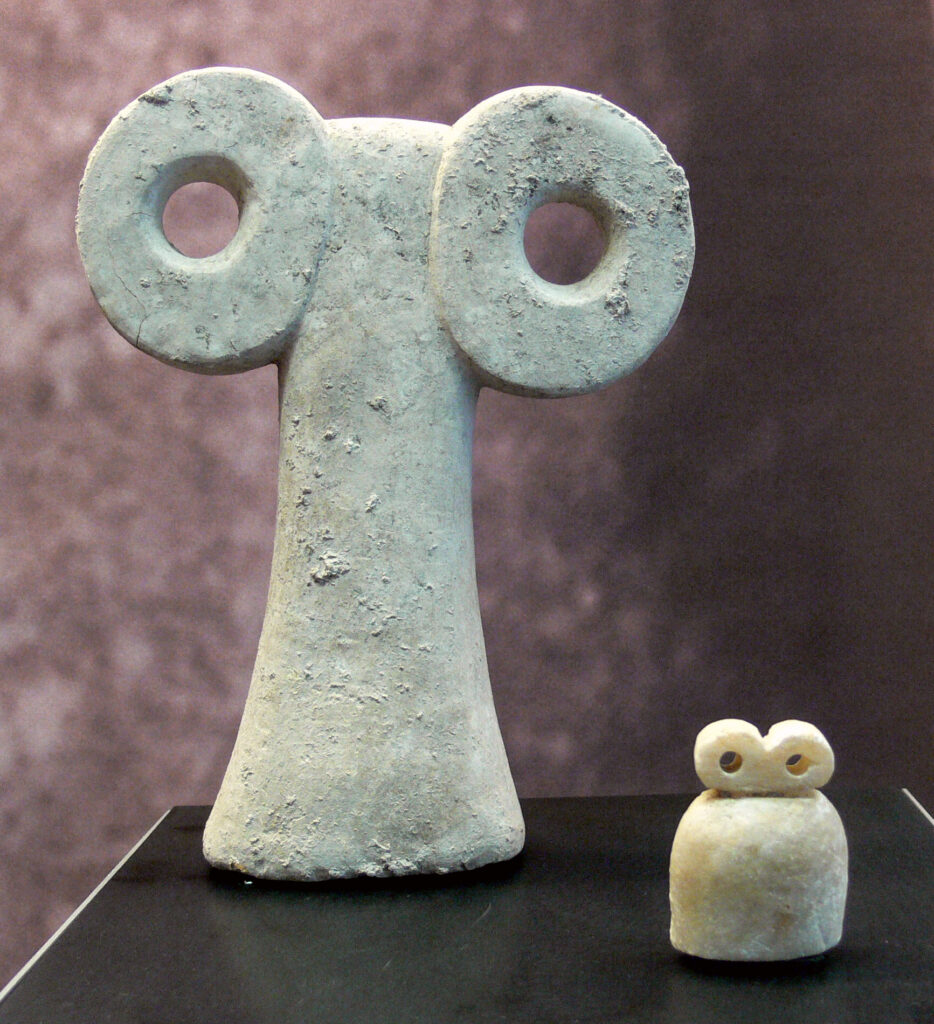
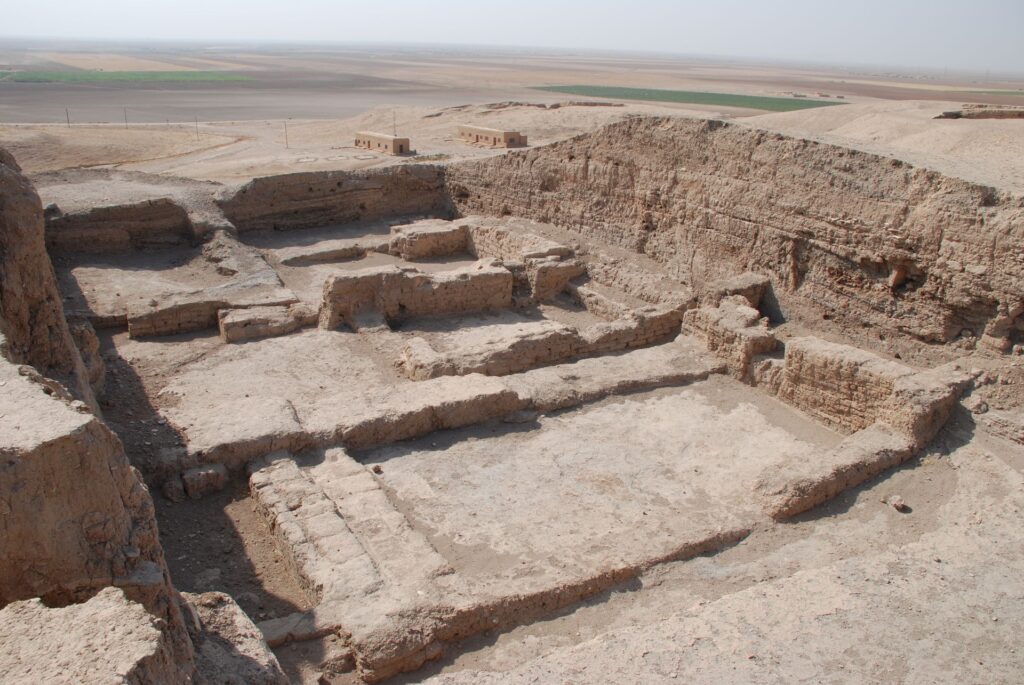
Tell Brak was one of the major early urban centers of northern Mesopotamia. Long before the rise of later imperial capitals, the site had already developed into a large and complex settlement. It is also known for the so-called Eye Temple, where thousands of small eye-shaped idols were discovered.
The infant was found in a burial area within a Late Chalcolithic workshop district. The cemetery contained 63 individuals, most of them children. Researchers compared the child with other infant and child skeletons from the same context and found no other case with a similar pattern of fractures.
That makes the burial stand out, not as evidence for a wider social pattern, but as an unusually clear case in a field where such injuries are rarely visible after thousands of years.
The clearest evidence came from the ribs
The four rib fractures were located in the front part of the chest, close to the breastbone. Some had already begun to heal, showing that the child survived for a period after the injuries occurred.
In modern forensic medicine, rib fractures in very young infants are treated as a serious warning sign. A baby of six to nine months is not normally mobile enough to suffer this kind of trauma through ordinary falls. Injuries in this part of the chest can be caused by strong compression or a direct blow.
The skull findings are less straightforward. Researchers recorded active porous lesions on both parietal bones, while the strongest traumatic evidence came from the fractured ribs. The right femur also showed abnormal bone formation, interpreted as a sign of mechanical stress in the lower limb.
Disease and birth trauma were considered
The authors examined several alternative explanations before proposing non-accidental trauma. Rickets and scurvy were considered unlikely, as the child’s bone density and growth measurements did not point to an underlying skeletal disorder.
Birth trauma was also unlikely. Fractures related to delivery usually heal within weeks, while this child was already several months old. Violent coughing from illness, including diseases such as tuberculosis, was also weighed but did not explain the full pattern of injuries.
The infant’s growth was broadly consistent with other children from the same period, which made a general developmental bone condition less convincing.
What the skeleton can still tell us
The skeletal evidence points to violence during life, but it cannot identify who caused the injuries. In a community such as Tell Brak, infant care may have involved several people, not only the parents.
The study therefore avoids naming a perpetrator or assigning motive. What remains is the physical pattern: a very young child, multiple healing rib fractures, cranial lesions, and lower-limb stress, with no clear disease-based explanation.
Cases like this are difficult to recognize in archaeology. Infant bones are fragile, soft tissue does not survive, and many injuries leave no trace after burial. Even when trauma is preserved, it can be hard to separate accident, illness, and violence.
At Tell Brak, however, the combination of injuries gives researchers a rare view of harm suffered by an infant inside one of the earliest urban communities of northern Mesopotamia. The child’s bones preserve a story that written records from the period could never have named.
Grzegorska, A., Jakob, T., & Sołtysiak, A. (2026). A possible case of child abuse at the early urban centre of Tell Brak, NE Syria. International Journal of Osteoarchaeology, 36(3), 768–774. https://doi.org/10.1002/oa.70123


