Mallorca archaeology, Roman history, and ancient cities are once again at the center of international attention. Archaeologists working on the Spanish island of Mallorca believe they may have discovered a long-lost Roman city, potentially solving a mystery that has puzzled historians for centuries.
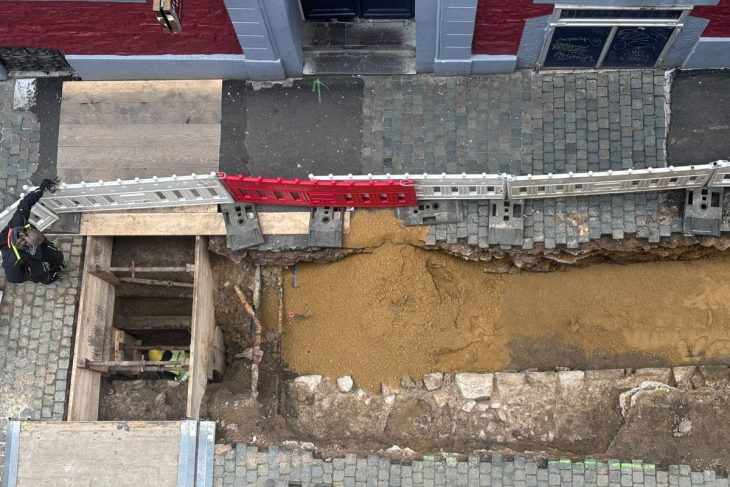
At the archaeological site of Son Fornés, near the town of Montuïri in central Mallorca, researchers from the Autonomous University of Barcelona have uncovered large-scale Roman structures that strongly suggest the presence of a previously unidentified urban settlement. The team believes the site could be Tucis or Guium, two Roman cities mentioned by the ancient author Pliny the Elder, but never definitively located.
A Breakthrough After Decades of Research
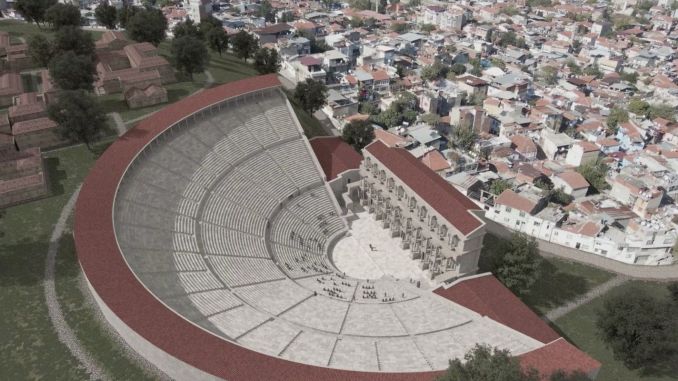
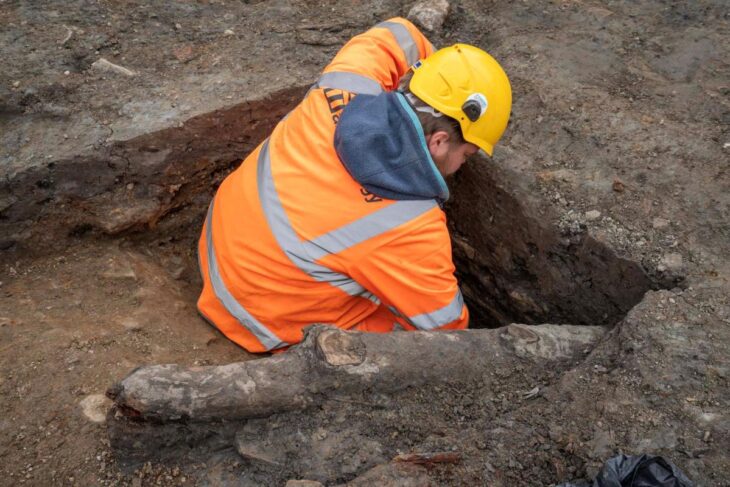
The research group Arqueología Social Mediterránea has been excavating Son Fornés for nearly 20 years. However, discoveries made during the most recent excavation season have taken the project to a new level. Archaeologists uncovered architectural remains that follow a carefully planned Roman urban layout, a key indicator of an officially established Roman city rather than a rural settlement.
The excavated area already covers around 5,000 square meters, roughly the size of Palma’s Es Baluard Museum. According to archaeologist Beatriu Palomar, the findings are so convincing that the team would “even bet on Tucis” being located at this site.
Why Tucis and Guium Matter
Tucis and Guium are among the greatest mysteries of Roman Mallorca. Both cities are believed to have been founded after the Roman general Quintus Caecilius Metellus conquered the Balearic Islands in 123 BCE. This marked the beginning of Mallorca’s full integration into the Roman world.
📣 Our WhatsApp channel is now LIVE! Stay up-to-date with the latest news and updates, just click here to follow us on WhatsApp and never miss a thing!!
During this period, many pre-Roman settlements were reorganized into civitates stipendiariae—tax-paying cities with Roman administrative and political structures. These cities played a crucial role in governing the island, collecting taxes, and spreading Roman culture, law, and infrastructure.
Despite being mentioned by Pliny the Elder, neither Tucis nor Guium has ever been conclusively identified. Over the years, historians proposed locations such as Sineu, Manacor, Petra, and Ses Salines, but none provided archaeological proof—until now.
Roman Artifacts Point to an Important City
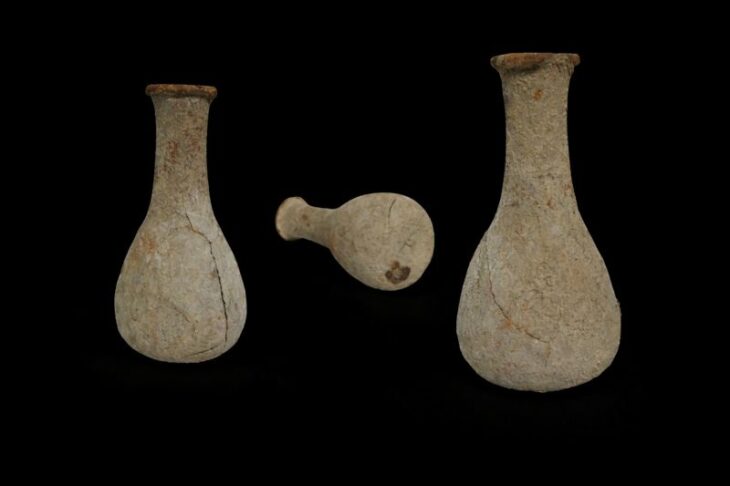
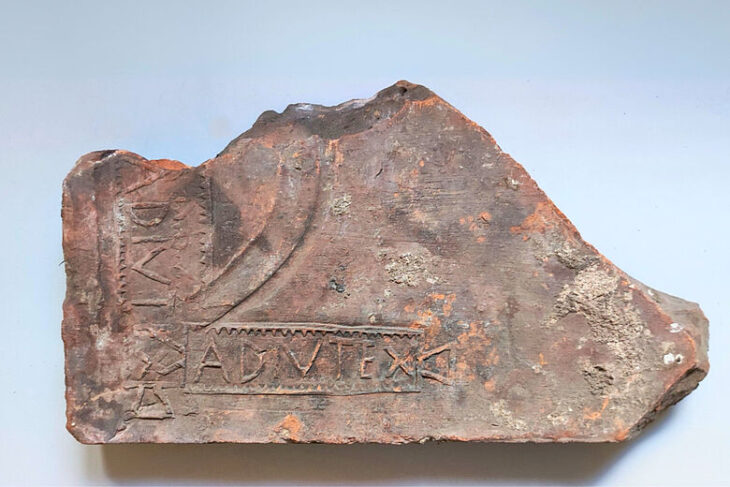
What makes Son Fornés stand out is not only the scale of the structures but also the quality of the artifacts found on site. Archaeologists discovered tegulae, traditional Roman roof tiles that had to be purchased and transported, indicating buildings of high status. In addition, amphorae and fine tableware suggest wealth, trade connections, and a significant population during the Roman Imperial period.
According to Mallorca Magazine, Cristina Rihuete, director of the Son Fornés Archaeological Museum, stated that the volume of materials found on the surface alone indicates an “extremely important Roman site.”
A Unique Site Spanning 2,000 Years of History
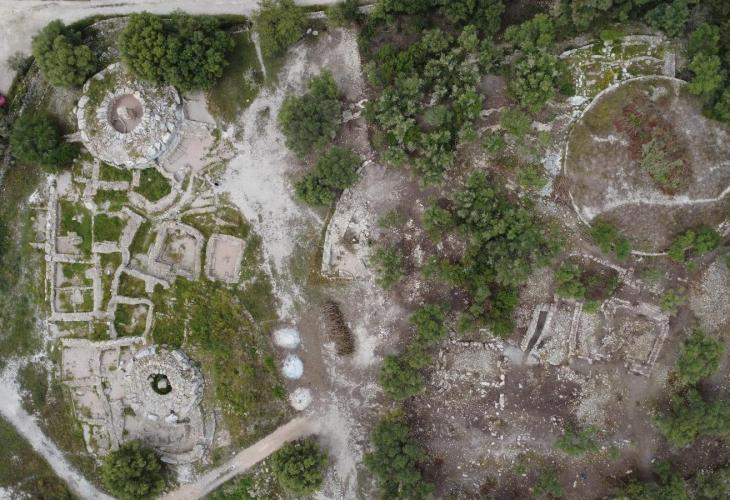
Son Fornés is considered one of the most significant archaeological sites in the Balearic Islands. Excavations have been ongoing since 1975, revealing nearly 2,000 years of continuous human occupation. The site documents Mallorca’s transition from the prehistoric Talayotic culture to Roman rule and into the early Imperial era.
Early layers show a communal society centered around talayots, large circular stone towers used for social and political gatherings. Later phases reveal growing social inequality, the emergence of elites, and eventually Roman-style villas, reflecting broader Mediterranean influences from Phoenician, Punic, and Roman colonization.
Mallorca in the Roman World
Under Roman rule, Mallorca—then known as Balearis Maior—became strategically important due to its location in the western Mediterranean. The Romans introduced roads, ports, agriculture, and new economic systems. Cities such as Pollentia (near modern-day Alcúdia) flourished as administrative and commercial hubs.
If Son Fornés is confirmed as Tucis, it would significantly reshape our understanding of Mallorca’s Roman urban network and political organization.
What Happens Next?
Whether the site truly represents Tucis or Guium may be determined in the next excavation season, when researchers plan to focus on what they believe could be the city center. As archaeologist Vicente Llull puts it, “We are revealing pages of history that were never written.”
For now, Son Fornés stands as one of the most promising archaeological discoveries in Mallorca in decades—one that could finally bring a lost Roman city back into the light.
Cover Image Credit: From an aerial perspective: the excavation site of Son Fornés. Credit: ASOME-UAB