
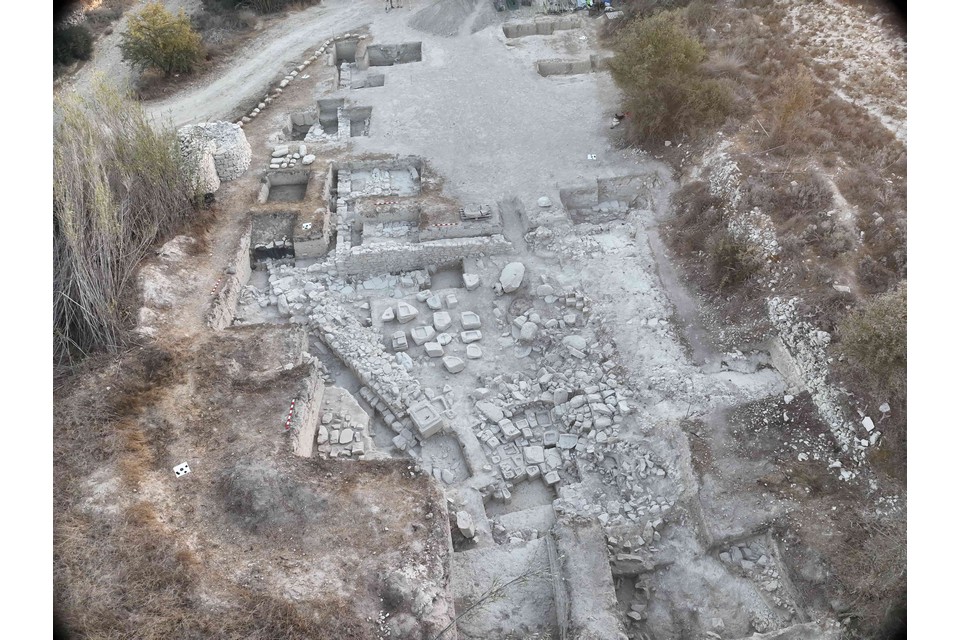
A remarkable archaeological discovery at the Sanctuary of Apollo in Frangissa, near the village of Pera Oreinis in Cyprus, is shedding new light on ancient religious life and ritual practices dating back more than 2,500 years. Archaeologists have uncovered more than 20 ancient votive statue bases in their original positions, along with rare terracotta fragments and undisturbed Archaic-period pottery layers, offering unprecedented insight into the evolution of Cypriot sanctuaries from the Archaic to the Hellenistic eras.
The excavation campaign was officially announced by Cyprus’ Department of Antiquities under the Deputy Ministry of Culture following the completion of the fifth modern archaeological season at the site. The project is led by Dr. Matthias Recke of the University of Frankfurt, with field operations directed by Dr. Philipp Kobusch of the University of Rostock.
Rediscovering a Forgotten Sanctuary
The rural sanctuary of Apollo at Frangissa was first excavated in 1885 by German archaeologist Max Ohnefalsch-Richter, one of the pioneers of Cypriot archaeology. Despite the importance of the discoveries made during those early excavations, the findings were never fully published, and over time the exact location of the sanctuary was lost.
Modern archaeological surveys eventually relocated the site, allowing researchers to revisit the sanctuary using contemporary excavation methods and documentation standards. Since then, each excavation season has revealed new details about one of ancient Cyprus’ most intriguing religious centers.
Located in the foothills west of Nicosia, near the modern community of Pera Oreinis, the sanctuary occupied a strategic position in the island’s interior. During antiquity, the region connected inland settlements with important trade routes leading toward the coast. Sanctuaries like Frangissa were not only places of worship but also social gathering points where communities expressed identity, loyalty, and wealth through offerings to the gods.
Extraordinary Discovery of Statue Bases
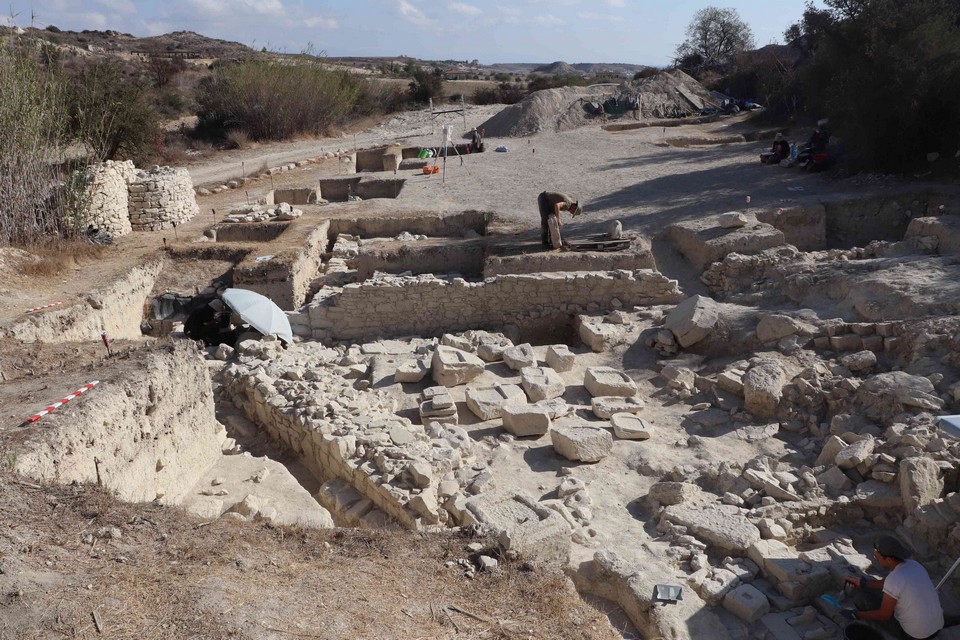
The most spectacular discovery of the 2025 excavation season is the uncovering of more than 20 votive statue bases still standing in their original positions. Archaeologists say this is exceptionally rare because many earlier finds from the sanctuary had been displaced during 19th-century excavations and later reused as backfill material.
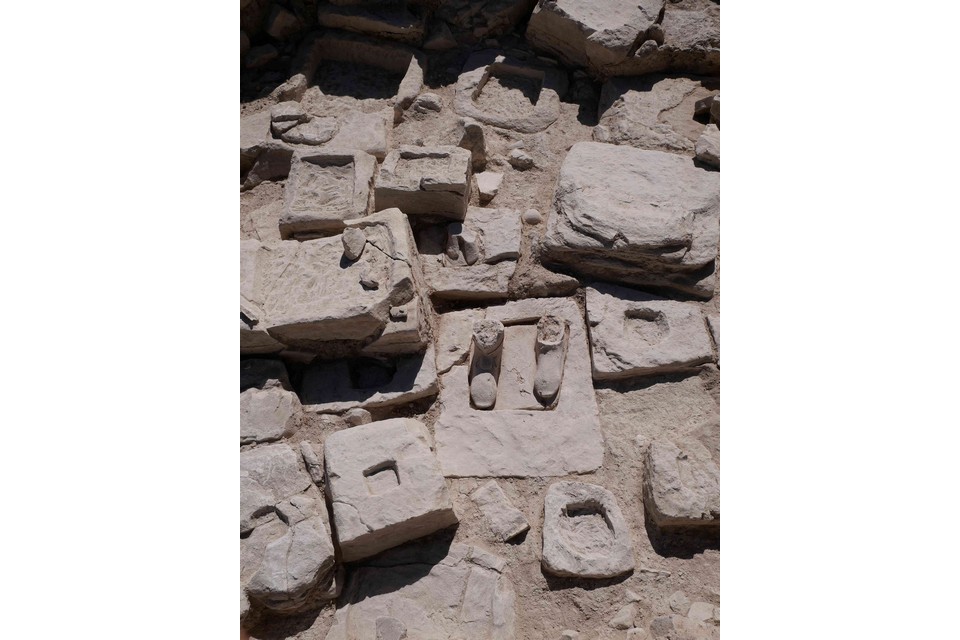
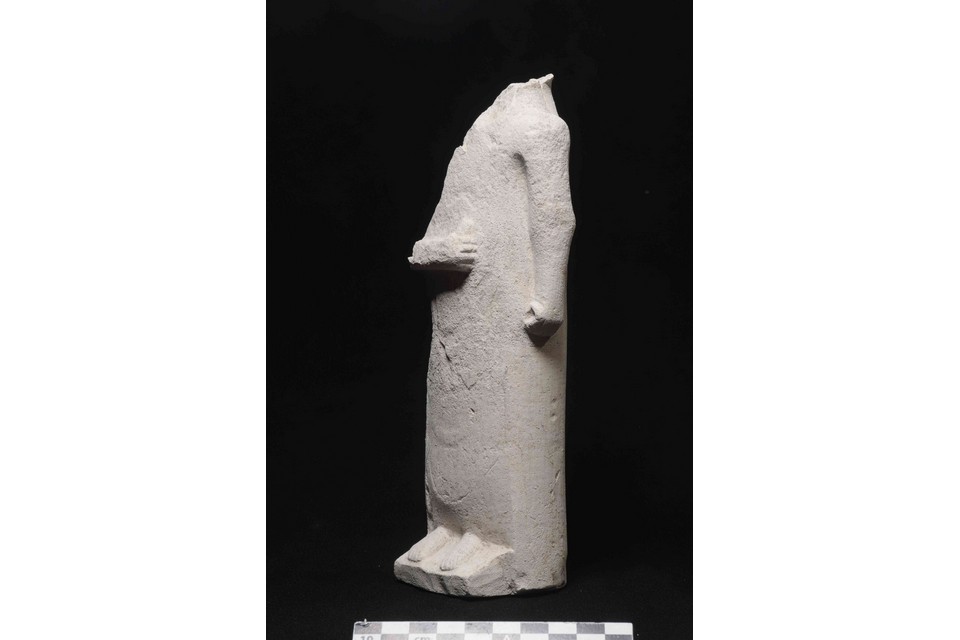
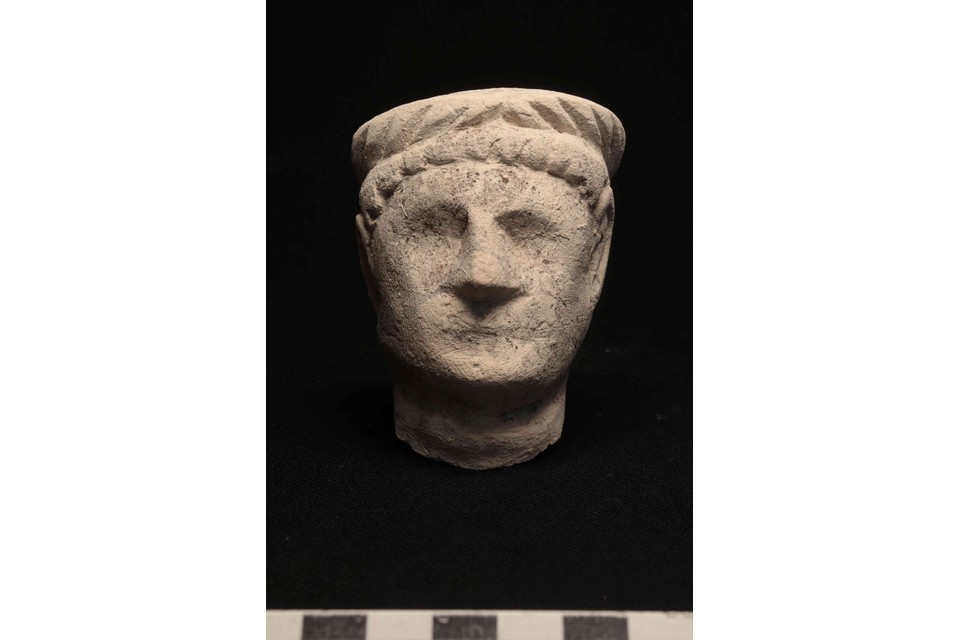
Some of the newly discovered limestone bases still preserve the feet of the statues that once stood upon them. Researchers also identified terracotta feet attached to several bases, marking the first archaeological evidence in Cyprus that clay votive figures were mounted on carved limestone pedestals rather than simply placed directly on the ground.
The arrangement of the bases has fascinated archaeologists. Many were discovered tightly packed together, while others had been carefully stacked on top of earlier offerings in a way that allowed both statues to remain visible. According to researchers, this provides a rare opportunity to understand how worshippers gradually expanded and reorganized sacred spaces over centuries without erasing older dedications.
New Evidence from the Archaic Period
One of the most significant aspects of the excavation is the confirmation of the sanctuary’s Archaic-period phase through clear archaeological evidence. Until now, this early phase had only been suggested by isolated sculpture fragments found around the site.
Excavators identified undisturbed layers containing Archaic pottery for the first time since modern excavations began. These intact layers are considered extremely valuable because they allow archaeologists to establish reliable chronological sequences and better understand how the sanctuary evolved over time.
Researchers also discovered evidence that parts of the sanctuary underwent major reorganization toward the end of the Archaic period. The excavation revealed that older statue bases had been intentionally covered with leveling material before a completely new layer of monuments was installed above them.
More than 100 additional statue bases, likely uncovered during the 1885 excavations and later discarded into the refill soil, were also recovered during the current campaign.
Archaeologists are now investigating whether this large-scale redesign was triggered by destruction — possibly linked to political unrest or natural disaster — or whether it simply reflected the growing popularity of the sanctuary and lack of available space.
Why Apollo Was Important in Ancient Cyprus
Apollo was one of the most widely worshipped gods across the ancient Greek world and held a particularly important role in Cyprus. Associated with music, healing, prophecy, archery, and protection, Apollo often served as a guardian deity for rural communities and sacred landscapes.
Cypriot sanctuaries dedicated to Apollo blended local religious traditions with broader Greek influences, creating unique forms of worship that reflected the island’s multicultural character. Votive statues, pottery, inscriptions, and ritual offerings were essential expressions of devotion and status among ancient worshippers.
The discoveries at Frangissa are helping scholars understand not only religious practices but also the social dynamics of ancient Cyprus — including how communities displayed wealth, honored deities, and reshaped sacred spaces across generations.
A Landmark Discovery for Cypriot Archaeology
Officials from the Department of Antiquities say the latest findings represent one of the most important recent discoveries connected to ancient sanctuaries in Cyprus. The excavation provides a detailed archaeological record of how a sanctuary developed over several centuries, from the Archaic through the Hellenistic periods.
With further excavation campaigns already planned, archaeologists hope future research will reveal additional clues about the sanctuary’s destruction phases, architectural development, and ritual practices.
As excavations continue at Frangissa, the rediscovered Sanctuary of Apollo is rapidly becoming one of the most significant archaeological sites for understanding the religious and cultural history of ancient Cyprus.
Cyprus Department of Antiquities, Deputy Ministry of Culture
Cover Image Credit: Cyprus Department of Antiquities, Deputy Ministry of Culture
