6 February 2026 The Future is the Product of the Past

Archaeologists Uncovered a 1,600-Year-Old Rare Mikveh and Synagogue in Ostia Antica, Near Rome

In a remarkable archaeological discovery, researchers have unearthed a 1,600-year-old rare mikveh (ritual bath) and an ancient synagogue at the Ostia Antica archaeological park, located near Rome. This significant find reveals the vibrant Jewish life in ancient Rome and illustrates the cultural exchanges that thrived in this historic port city.

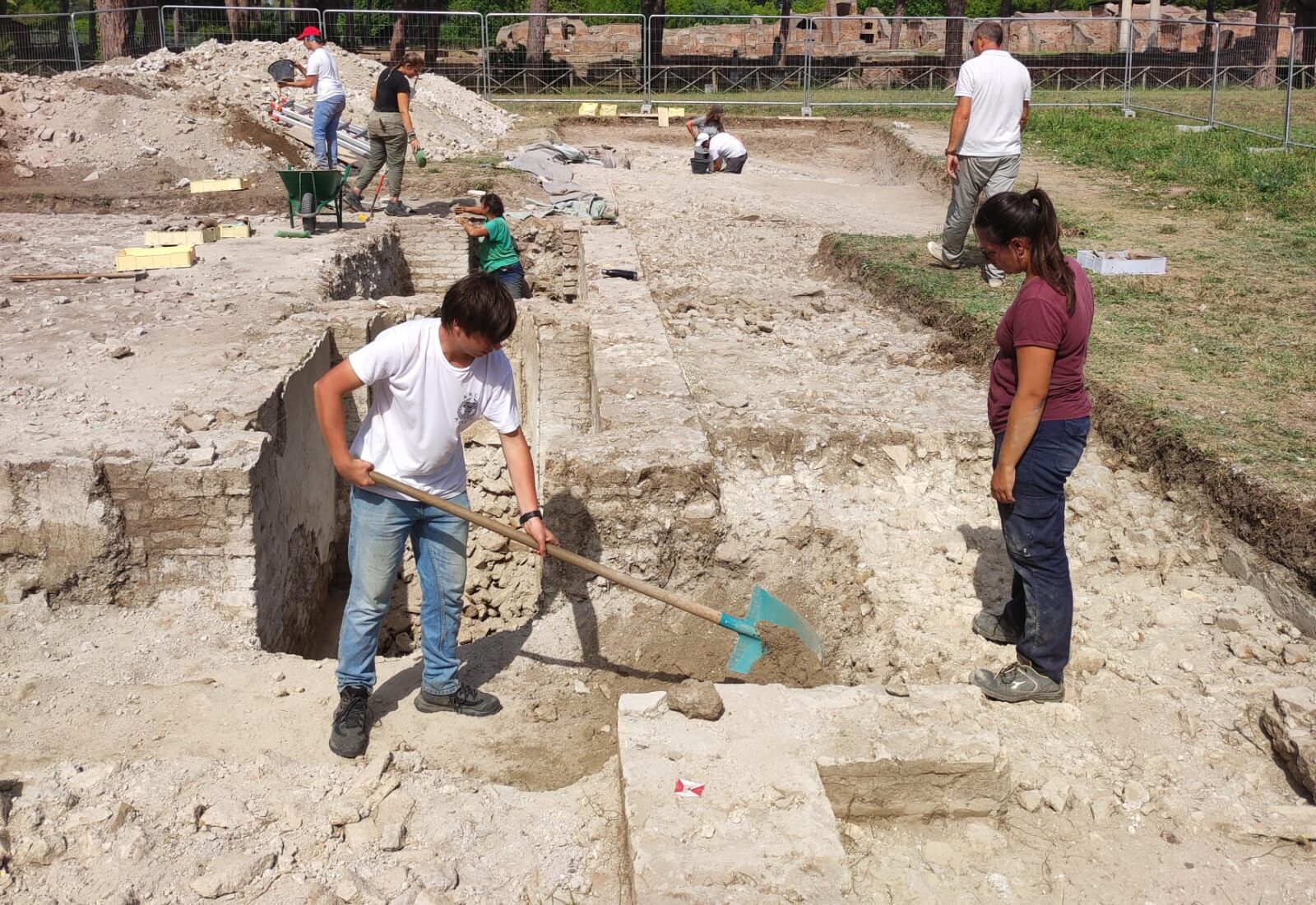
Professor Luigi Maria Caliò from the University of Catania in Sicily directed a dedicated team of archaeologists and students from his university in an excavation campaign as part of the OPS – Ostia Post Scriptum project. Together, they carefully explored different areas of the ancient commercial port, aiming to uncover discoveries of great historical significance.

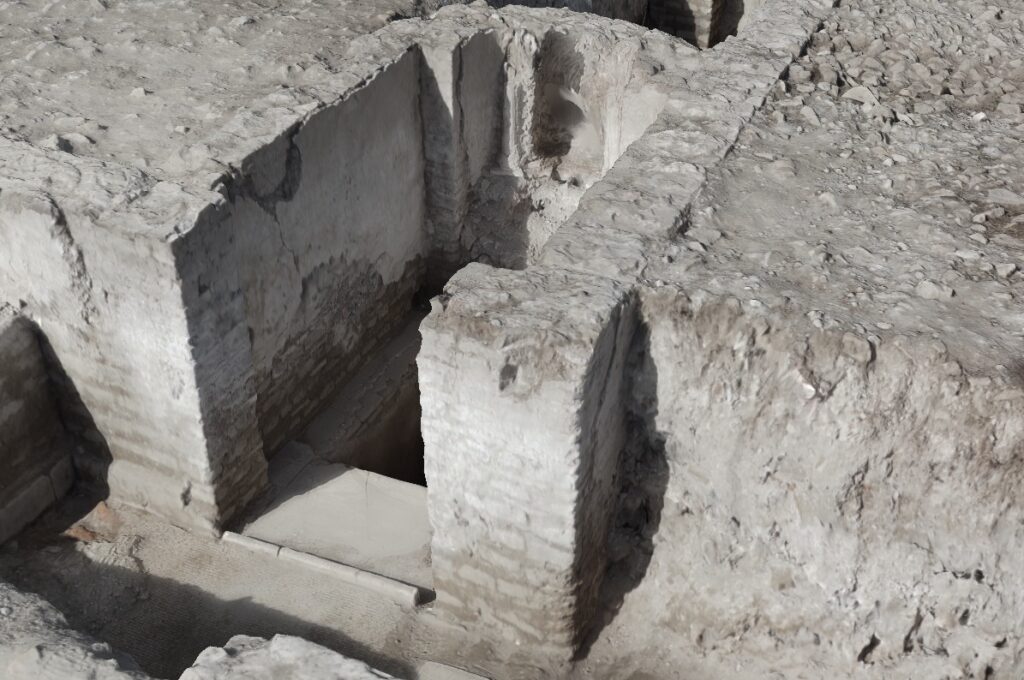
The excavations, part of the Ostia Post Scriptum project funded by the Italian Ministry of Culture, have revealed a well-preserved mikveh, a significant artifact that sheds light on the Jewish community’s practices and traditions during the Roman Empire. The site, which has remained largely unexplored until recent years, is now recognized as a vital crossroads of cultural coexistence.

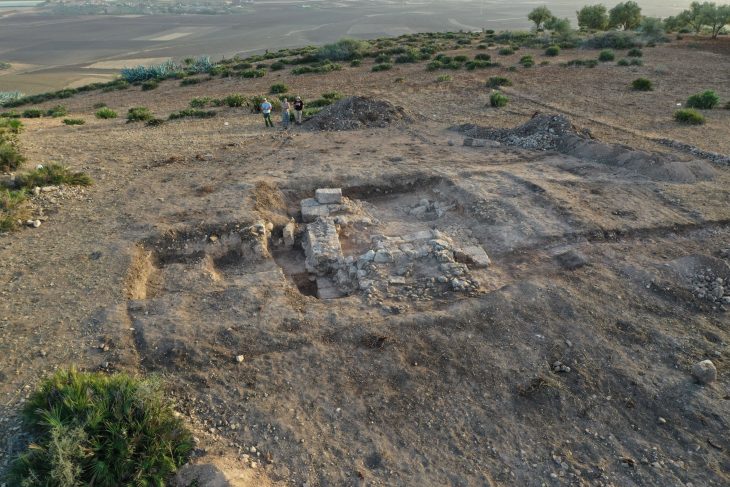
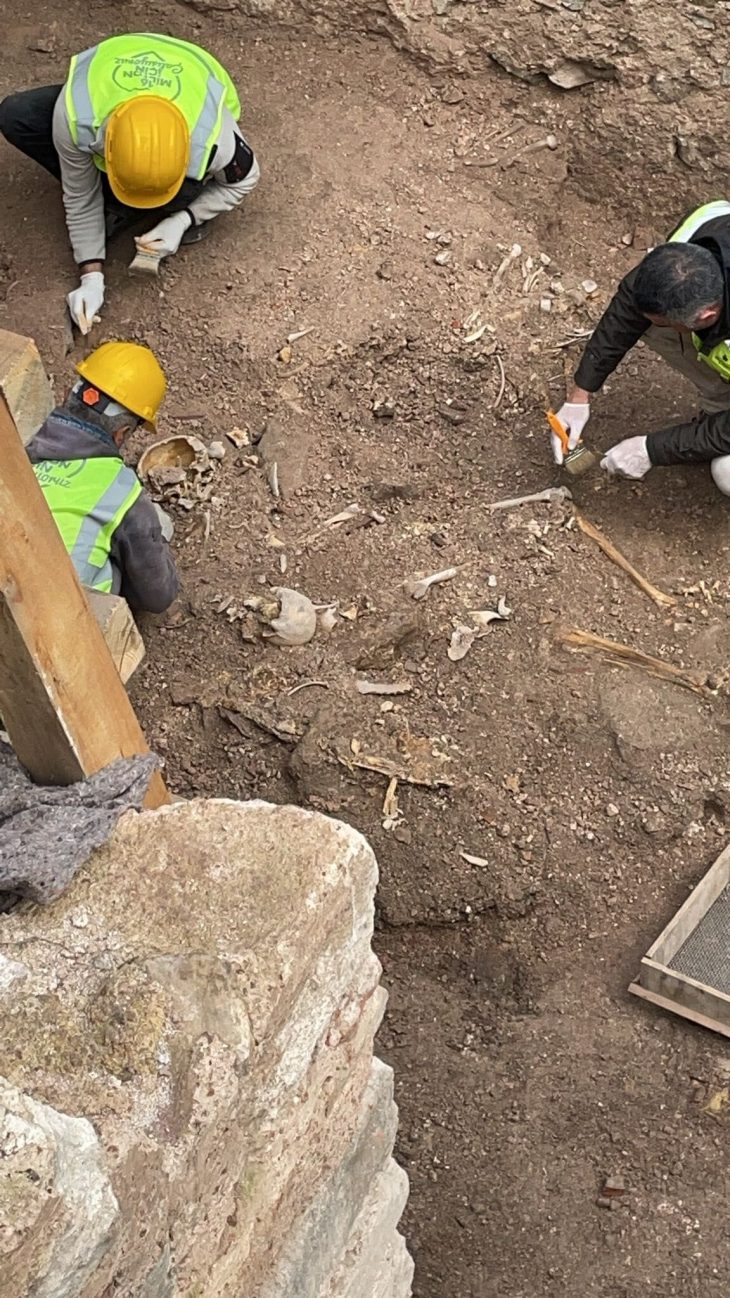
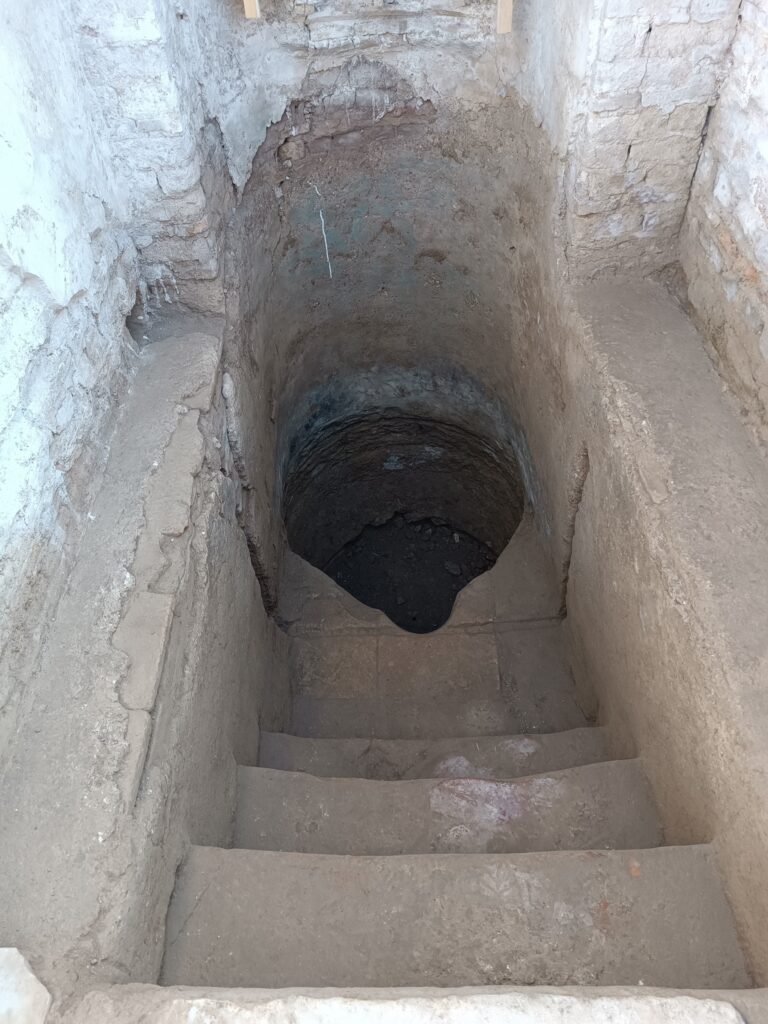
According to the press release from the Ostia Antica archaeological park, the mikveh was discovered within a large Roman structure, featuring an underground well likely used for ritual purification. Among the artifacts found were an oil lamp adorned with Jewish symbols, including a menorah and a palm frond, and a nearly intact glass goblet dating back to the 5th or 6th century CE. These items not only affirm the presence of Jewish rituals but also illustrate the intricate connections between Jewish and Roman cultures.
Credit: Ostia Antica Archaeological Park

Italy’s Minister of Culture, Alessandro Giuli, emphasized the significance of this discovery, stating, “The ancient mikveh at Ostia Antica strengthens our historical understanding of this site as a true crossroads of coexistence and cultural exchange. It represents a unique aspect of the Roman period outside the land of Israel, showcasing the deep-rooted Jewish presence within Roman civilization.”


📣 Our WhatsApp channel is now LIVE! Stay up-to-date with the latest news and updates, just click here to follow us on WhatsApp and never miss a thing!!


Rabbi Shmuel Riccardo Di Segni, Chief Rabbi of Rome’s Jewish community, expressed his enthusiasm for the find, noting its archaeological, historical, and ritualistic importance. “The history of the Jews of Rome is now enriched with another significant monument,” he remarked, highlighting the potential for further discoveries at the site.

Victor Fadlon, president of Rome’s Jewish community, hailed the find as “the oldest of its kind in the Diaspora,” generating excitement within the Jewish community and beyond. The ongoing excavations, led by Professor Luigi Maria Caliò from the University of Catania, aim to uncover more about this ancient Jewish communal center, with hopes of locating the synagogue that likely accompanied the mikveh.
As archaeologists continue their work, the implications of this discovery extend beyond mere artifacts. It serves as a testament to the vibrant Jewish life that thrived in ancient Rome, challenging the notion that Jewish communities were isolated from the broader cultural landscape of the empire.

With plans to make the site accessible to the public soon, the Ostia Antica archaeological park stands poised to become a focal point for those interested in the intertwined histories of Jewish and Roman cultures, offering a glimpse into a past where different peoples coexisted and exchanged ideas in a melting pot of traditions. As excavations continue, the hope remains that even more treasures of this ancient community will be revealed, further illuminating the legacy of Jewish life in the heart of Rome.

Ostia Antica Archaeological Park

Cover Image Credit: Ostia Antica Archaeological Park
Related Articles

Stone Penis Found in Medieval Spanish ruins Had Violent Purpose

11 June 2023

11 June 2023

Archaeologists found a six-inch stone penis while excavating the Tower of Meira (Torre de Meira) in the city of Ría...

A rare reliquary discovered during excavations in Poland

19 October 2023

19 October 2023

Archaeologists have unearthed a rare enkolpion -a medallion with an icon in the center worn around the neck by Eastern...

INAH archaeologists discovered a nose ornament made of human bone in Mexico

31 August 2023

31 August 2023

Archaeologists from the National Institute of Anthropology and History (INAH) have discovered a nose ornament made of human bone in...

Archaeologists Uncover Monumental 2,800-Year-Old Lydian Palace in Sardis, Birthplace of Money

15 August 2025

15 August 2025

Archaeologists excavating the UNESCO World Heritage site of Sardis, located in the Salihli district of Manisa, Türkiye, have uncovered the...

Scottish Archaeologists unearth ‘missing’ Aberdeenshire monastery linked to first written Gaelic

19 November 2023

19 November 2023

One of the biggest mysteries in Scottish archaeological history has been solved with the discovery of the monastery site where...

New documentary searches history of Turkey’s 7,000-year-old Arslantepe Mound

28 December 2021

28 December 2021

The tale of Turkey’s fascinating 7,000-year-old Arslantepe Mound, an ancient building in Malatya, eastern Turkey that was just added to...

Researchers have unveiled text concealed beneath an intricate decorative layer of gold leaf on a page of the famous Blue Qur’an

19 November 2024

19 November 2024

Using multispectral imaging techniques, researchers from the Zayed National Museum have uncovered text hidden beneath an intricate layer of gold...

The 8,000-year-old Aslantepe in Turkey has been added to the UNESCO World Heritage List

26 July 2021

26 July 2021

The Turkish Foreign Ministry said Monday that a rich, 30-meter-high archaeological mound going back 8,000 years in southern Turkey has...

New stone ram heads unearthed in Luxor, Egypt

15 October 2021

15 October 2021

Mustafa al-Waziri, the Secretary-General of the Supreme Council of Antiquities (SCA), recently announced the discovery of new stone ram heads...

Rare 1,900-Year-Old Aramaic Inscription Discovered in Dead Sea Cave Near Ein Gedi

11 August 2025

11 August 2025

Archaeologists have uncovered a rare 1,900-year-old Aramaic inscription in a Dead Sea cave near Ein Gedi, possibly linked to the...

Radiocarbon Dating of Chatham Islands Waka Points to a Bold Polynesian Voyage in the 1400s

22 November 2025

22 November 2025

Rēkohu — internationally known as the Chatham Islands, located 800 kilometres east of mainland New Zealand in the South Pacific...

3 Bronze Shields and Helmet of 2700 Years Old Belonging to Urartians Found in Ayanis Castle

8 September 2024

8 September 2024

Three bronze shields and a bronze helmet dedicated to Haldi, the chief god of the Urartians, were discovered during excavations...

Gold Roman Fidelity Ring: A 2,000-Year-Old Symbol of Love Discovered in Bulgaria

10 January 2026

10 January 2026

Archaeological excavations in Ancient Bononia, located in modern-day Vidin, Bulgaria, have revealed a remarkable discovery that sheds new light on...

Rare African Script Offers Clues to the Evolution of Writing Systems

4 February 2022

4 February 2022

The world’s very first invention of writing took place over 5000 years ago in the Middle East, before it was...

Iron Age Children’s a Unique Funerary Building Discovered in Oman

3 March 2024

3 March 2024

Archaeologists have uncovered a unique Iron Age children’s funerary building at the Manaqi archaeological site in Rustaq, South Al Batinah...