10 December 2025 The Future is the Product of the Past

Archaeologists have uncovered the source of King Solomon’s wealth

An archeological team working in Israel’s Timna Valley believes they have discovered the reason behind King Solomon’s legendary wealth.

The Timna Valley is located in the Israeli desert, further south than Qumran. Since 1964, archaeologists have been excavating there.

Researchers who have been working there since the mid-1960s “have discovered a network of mines, believed to have been worked by slaves under King Solomon, explored in the Smithsonian Channel’s documentary, ‘Secrets: King Solomon’s Mines,” the Express writes.

Archaeologists “may have uncovered” the source of King Solomon’s mythical wealth, according to the Smithsonian Channel documentary.

Professor Erez Ben-Yosef of Tel Aviv University figüred that production at the site was at its thriving 3,000 years ago, during Solomon’s reign.


📣 Our WhatsApp channel is now LIVE! Stay up-to-date with the latest news and updates, just click here to follow us on WhatsApp and never miss a thing!!
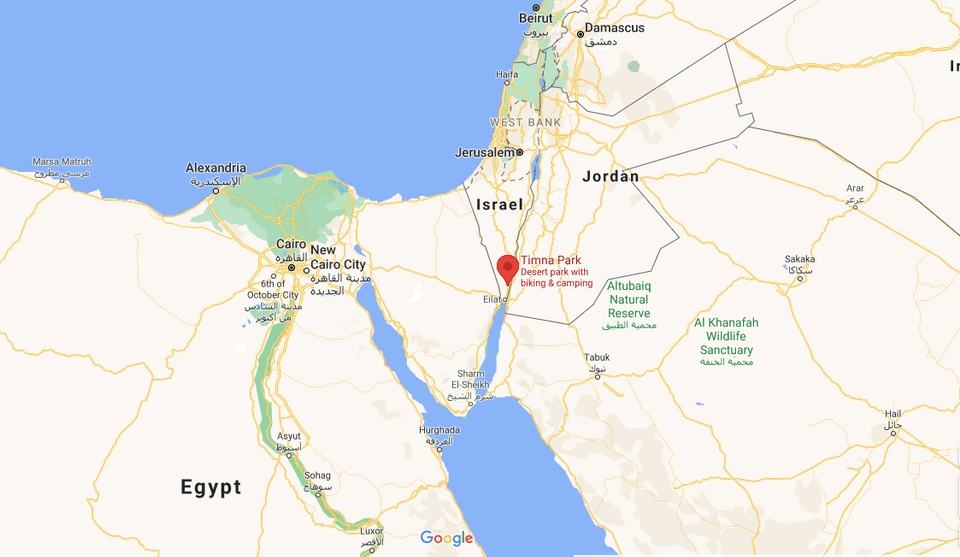


Timna Valley is located in the south of Israel, about 30 kilometres north of the Gulf of Aqaba and the city of Eilat. (Google Maps)
Timna Valley is located in the south of Israel, about 30 kilometers north of the Gulf of Aqaba and the city of Eilat. (Google Maps)

In an article published in Plos One, a team of scientists led by Tel Aviv University’s Prof. Erez Ben-Yosef of the Central Timna Valley Project and Prof. Tom Levy of the Edom Lowlands Regional Archaeology Project demonstrates how the vast mining network experienced change.

The researchers examined hundreds of pieces of slag, and copper smelting leftovers, from old copper mines dating back 500 years. The majority of the samples came from southern Israel’s Timna mining complex — possibly the location of the legendary King Solomon’s Mines — and Faynan, north of Timna in Jordan’s Arava Valley.

From the 13th to the 10th century BCE, the researchers saw a progressive technical advancement in smelting skills and efficiency methods.

Contrary to popular belief, the mines are not filled with gold or silver, but with copper. Ben-Yosef points to signs of extensive copper manufacturing surrounding the location.

Copper, which was used to create tools, ornaments, and weapons, was a valuable metal in ancient times. Copper was the most lucrative industry.

According to Dr. Mohammad Najjar of Friends of Archaeology of Jordan, copper was 3,000 years ago what crude oil is now: an irreplaceable and priceless commodity.

Najjar calls Humanity’s beginning to manufacture its own materials a “quantum leap.” According to Thought Co., copper was the first metal used by mankind.

According to the Express, Najjar has studied ancient copper processes and showed to a Smithsonian documentary how King Solomon’s men would have worked the natural copper found in the caves.

Cover Photo: Timna Valley (Photo: Sergei25/Shutterstock)
Related Articles

The Worst Torture Device in History “Brazen Bull”

2 February 2021

2 February 2021

Agrigentum Tyranny today is in the provincial borders of Agrigento in the Sicily Autonomous Region in the southwest of Sicily....

World’s Oldest Murder

14 February 2021

14 February 2021

Researchers found a mass grave in a cave in Spain, now known as Sima de los Huesos, or the Pit...

The Most Important Works of Achaemenid Persian Metalwork “Oxus Treasure”

21 May 2021

21 May 2021

The Oxus Treasure is a collection of 180 precious metal objects unearthed on the north bank of the Oxus River...

New Details on Mummification Techniques

28 February 2021

28 February 2021

In ancient Egypt, embalming was considered a sacred art, and knowledge of the process was restricted to a few. Egyptologists...

From Prehistoric Georgia ‘World’s oldest wine”

12 July 2022

12 July 2022

For many years in a row, wine has been a popular alcoholic beverage consumed worldwide. While we associate many things...

300-Year-Old Sacred Mummified Mermaid From Japan’s Mystery Solved

20 February 2023

20 February 2023

A mummified mermaid has been worshiped in Japan for centuries because locals believe it has healing powers. However, upon closer...

People knew how to make bread 14,400 years ago

15 May 2022

15 May 2022

Archaeological finds in Jordan’s Black Desert show that humans used stone ovens to bake bread 14,400 years ago. Researchers have...

The mystery of Cathedral of Salamanca’s astronaut figure, isn’t what people think it is

10 March 2022

10 March 2022

There is a photograph of an “astronaut” carved in a 16th century Spanish cathedral in Salamanca. Known as the Catedral...

Interesting from Each Other 7 Amazing Historical Discoveries

21 April 2021

21 April 2021

Archaeologists signed interesting from each other and magnificent discoveries with their work in the last 20 years. Let’s take a...

7500-year-old cursed city of Iran

17 March 2023

17 March 2023

Sialk Hills, located in the southwestern part of Kashan city in Iran, was known among the locals as a ‘cursed...

5,700-Year-old Ancient “Chewing Gum” Gives Information About People and Bacteria of the Past

4 April 2021

4 April 2021

Researchers at the University of Copenhagen have successfully extracted the complete human genome from “chewing gum” thousands of years ago....

A Lynx Buried with Four Big Dogs in an Ancient Roman Well in Hungary

17 April 2024

17 April 2024

Archaeologists have discovered the skeleton of an adult male lynx accompanied by four big dogs in a Roman-era pit in...

In China, 2700-Year-Old Face Cream Made from Moon Milk for Men was Found

14 February 2021

14 February 2021

At a Chinese excavation site with Chinese and German researchers, evidence of a 2,700-year-old male facial cream was found. In...

“Dholavira,” the settlement with the world’s oldest signboard

16 August 2021

16 August 2021

Dholavira, also known as Kotda (which means “big fort”), is one of the islands in Kutch’s vast desert. The city...

Mysterious Archaeological find in Flanders Revealed to be Hernia Truss

24 May 2021

24 May 2021

The hernia truss found during the Hopmarkt excavations in Aalst, in the Belgian state of East Flanders, was a surprise...