
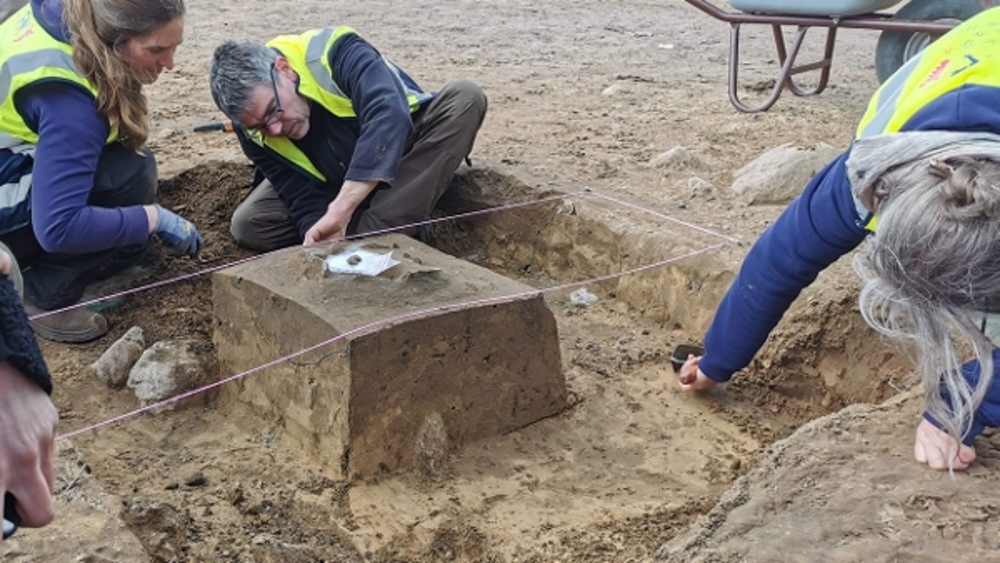
A remarkable archaeological discovery in northern Germany is shedding new light on long-distance connections between the Roman world and Northern Europe. Several rare bronze cauldrons dating from the 3rd to 5th century AD have been unearthed in Schaalby, a municipality in Schleswig-Flensburg, according to the Archaeological State Office of Schleswig-Holstein.
The find is considered extraordinary due to its rarity. Comparable discoveries of this type have only been documented once before in the region, making the Schaalby cauldrons a significant contribution to the study of Roman-era exchange networks and cultural interaction during the Migration Period.
Discovery During Detector Survey
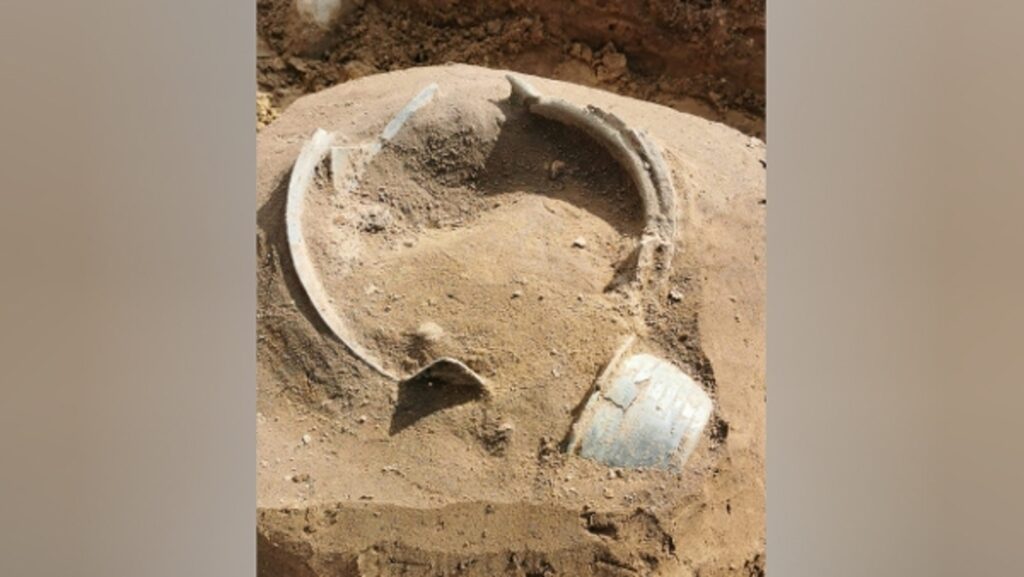
The cauldrons were discovered in late autumn 2025 during a licensed metal detector survey conducted by a Danish detectorist group working closely with German archaeologists. What initially appeared to be a faint signal led to the recovery of fragments from a bronze vessel, including distinctive handle attachments. As excavation progressed, additional fragments suggested the presence of multiple vessels.
Archaeologists now believe these are “Vestland cauldrons,” a type of Roman provincial import. These vessels were originally produced within the sphere of the Roman Empire and are typically found in Scandinavia, along the Rhine, and in coastal areas of the North Sea. Their presence in Schleswig-Holstein is exceptionally rare.
Evidence of Ancient Trade and Cultural Exchange
Vestland cauldrons are more than everyday objects; they serve as valuable indicators of long-distance trade and cultural exchange. Around 1,500 to 1,700 years ago, Northern Europe was not isolated but actively connected to broader economic and cultural networks extending into Roman territories.
Such artifacts suggest that communities in what is now northern Germany participated in exchange systems that brought Roman goods far beyond the empire’s borders. These networks may have involved trade, diplomacy, or even gift-giving among elite groups.
Similar finds in Scandinavia, particularly in Norway and Denmark, have demonstrated that these cauldrons were often associated with high-status individuals. In some cases, they were used in feasting rituals, reinforcing social hierarchy and political alliances.
Burial or Hoard? Context Still Unclear
One of the key questions surrounding the Schaalby discovery is the context in which the cauldrons were deposited. Preliminary evidence suggests that several vessels may have been stacked inside one another and buried together.
Comparable finds across Europe have been interpreted in different ways. Some cauldrons were used as urns in cremation burials, containing human remains and grave goods. Others were discovered as part of hoards—intentional deposits of valuable objects, possibly for ritual purposes or safekeeping during times of conflict.
Ongoing research aims to determine whether the Schaalby find represents a burial, a ritual deposit, or another form of archaeological context. Researchers are also working to establish how many vessels are present and whether any contents have been preserved inside.
Cutting-Edge Technology Meets Archaeology
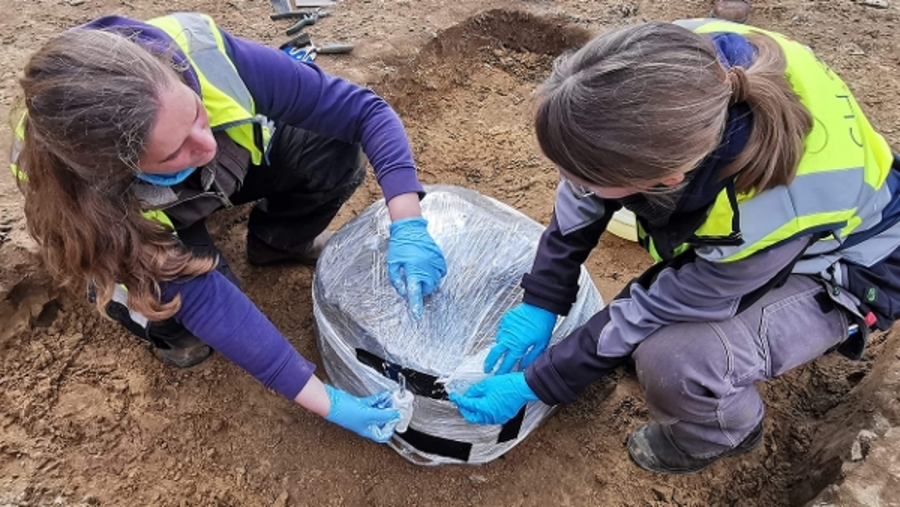
Due to their fragile condition, the cauldrons were recovered using a technique known as block lifting. This method involves removing the objects along with the surrounding soil as a single unit, ensuring that delicate structures remain intact.
The entire block will undergo computed tomography (CT) scanning at the Fraunhofer Institute for Individualized Medical Engineering (IMTE). This non-invasive technology allows researchers to examine the interior of the vessels before physical excavation begins.
CT scanning can reveal hidden contents, structural details, and material differences within the block. These insights enable archaeologists to plan a more precise and careful excavation process in the laboratory, minimizing the risk of damage.
A Region Rich in History
The discovery site lies in an archaeologically significant landscape known for settlement traces from the Viking Age. However, the newly found cauldrons are considerably older, highlighting the region’s importance long before the Viking period.
This finding suggests that the area was already integrated into wider European networks during the Roman Imperial and Migration periods. It reinforces the idea that Northern Europe played a more active role in ancient globalization than previously assumed.
Social Engagement in Archaeology
Interestingly, the discovery was made as part of the “Veteraner i Arkæologien” project led by Aarhus University. This initiative involves military veterans in archaeological fieldwork, combining scientific research with social reintegration and international cooperation.
Scientific Importance and Future Research
The Schaalby cauldrons hold immense scientific potential. Their rarity, uncertain context, and the application of modern imaging technologies make them a key focus for future research.
In the coming months, detailed analyses are expected to provide new insights into ancient trade routes, cultural interactions, and the role of imported goods in Northern European societies.
As archaeologists continue their work, these 1,500-year-old vessels may offer a clearer picture of how interconnected ancient Europe truly was—long before the modern concept of globalization emerged.
Archaeological State Office of Schleswig-Holstein
Cover Image Credit: Archaeological State Office of Schleswig-Holstein
