Archaeologists have officially confirmed that the architectural remains uncovered in the heart of Fano belong to the long-sought basilica designed by Marcus Vitruvius Pollio, the Roman architect whose treatise De Architectura became the foundational text of Western architecture. The announcement, made today at the Mediateca Montanari, was described by Italian authorities as a historic breakthrough that reshapes both the local identity of Fano and the broader understanding of ancient Roman architectural practice.
The discovery, located beneath Piazza Andrea Costa in the center of the city, is the first material evidence of a building explicitly attributed to Vitruvius. While many ancient structures have been linked to the famous architect through inference, this is the first time a building he himself claimed to have designed and built has been confirmed through archaeology.
A Discovery Decades in the Making
The search for the Basilica of Vitruvius has been ongoing for centuries. Vitruvius wrote about the building in Book V of De Architectura, describing it as a rectangular structure surrounded by a peristyle of columns. Despite numerous excavations and speculative theories over time, no definitive remains had ever been found—until now.
The renewed hope for identification began in 2023, when construction work on a building renovation in Via Vitruvio accidentally uncovered a series of impressive Roman walls and marble pavements. The findings suggested the presence of a high-status public building, possibly administrative or ceremonial in nature. However, access to the deeper remains was limited due to modern structures above the site.
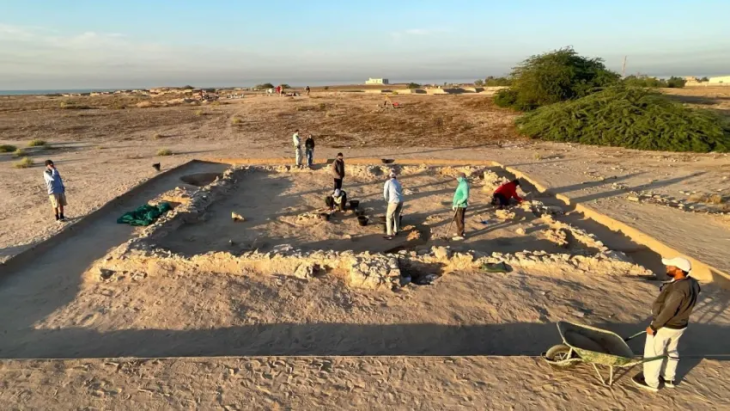
This latest excavation, tied to the redevelopment project of Piazza Andrea Costa, has finally provided the missing link. A careful stratigraphic probe revealed the foundations and column bases of a monumental basilica that matches Vitruvius’ description with remarkable precision.
📣 Our WhatsApp channel is now LIVE! Stay up-to-date with the latest news and updates, just click here to follow us on WhatsApp and never miss a thing!!
The Evidence That Changed History
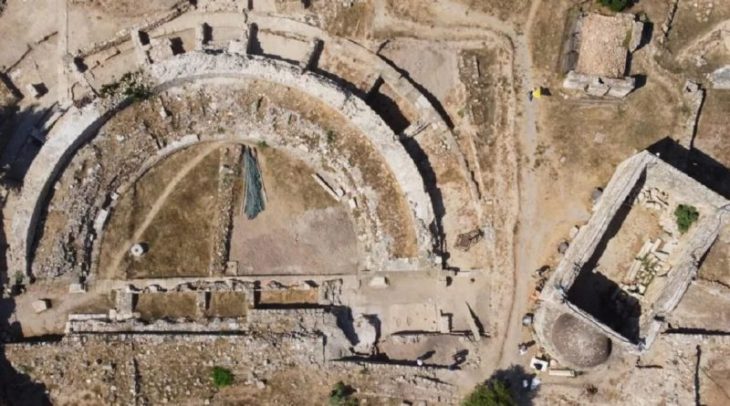
The structure’s layout corresponds exactly to Vitruvius’ written account: a rectangular plan surrounded by a colonnade, with eight columns along the long sides and four along the shorter sides. The archaeological team confirmed this arrangement after uncovering a fifth corner column, which allowed them to accurately fix the orientation and exact footprint of the building.
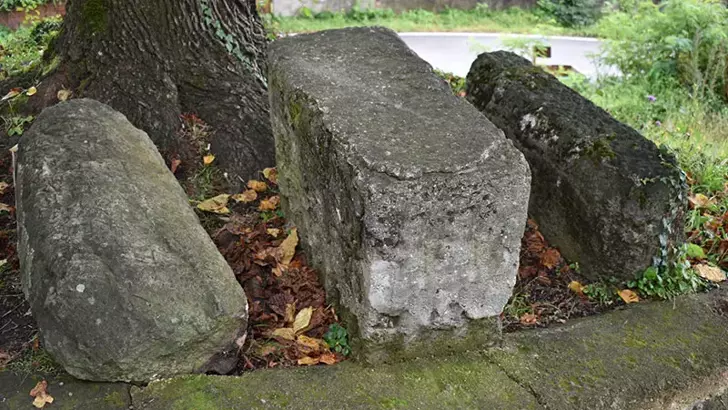
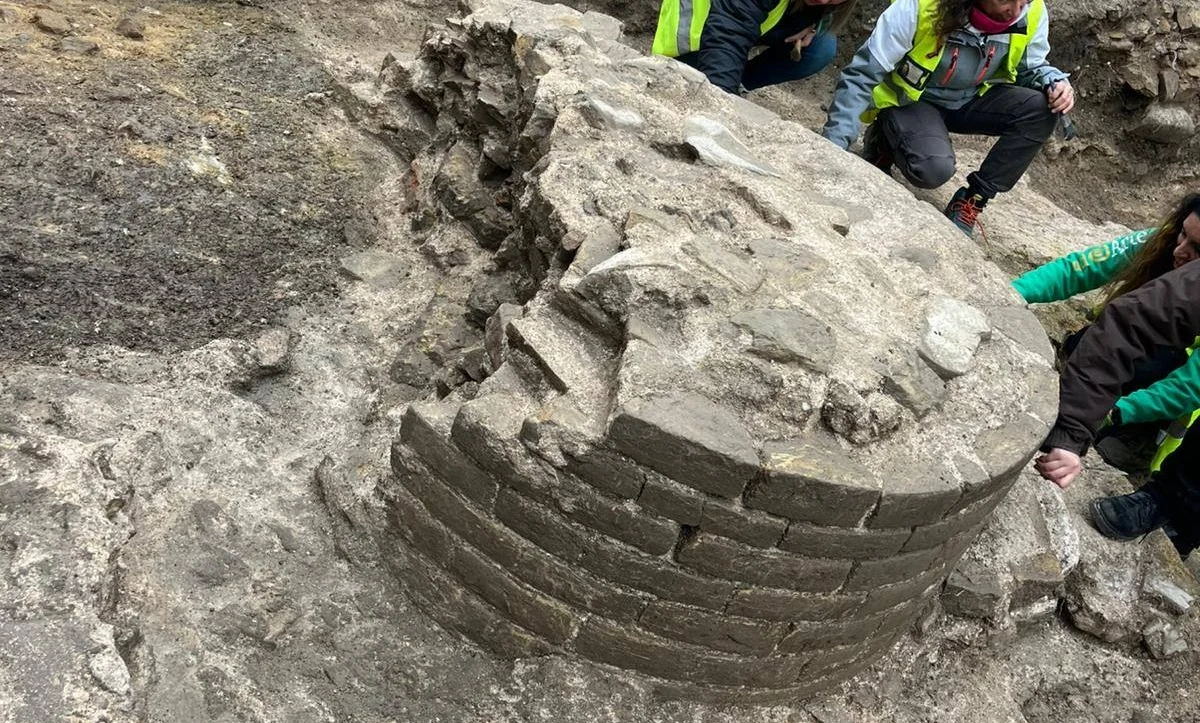
The columns themselves are extraordinary in size. Measurements taken on-site show a diameter of about five Roman feet—roughly 147 to 150 centimeters—and an estimated original height of about fifteen meters. The columns were attached to pilasters and corner supports, indicating a complex structural system designed to support a second story. This detail aligns with Vitruvius’ architectural method, which often combined structural practicality with proportional elegance.
Experts have emphasized the near-perfect match between the physical remains and the measurements derived from De Architectura. In a phrase that has resonated throughout the archaeological community, the planimetric reconstruction from Vitruvius’ text coincides with the discovered remains “to the centimeter.”
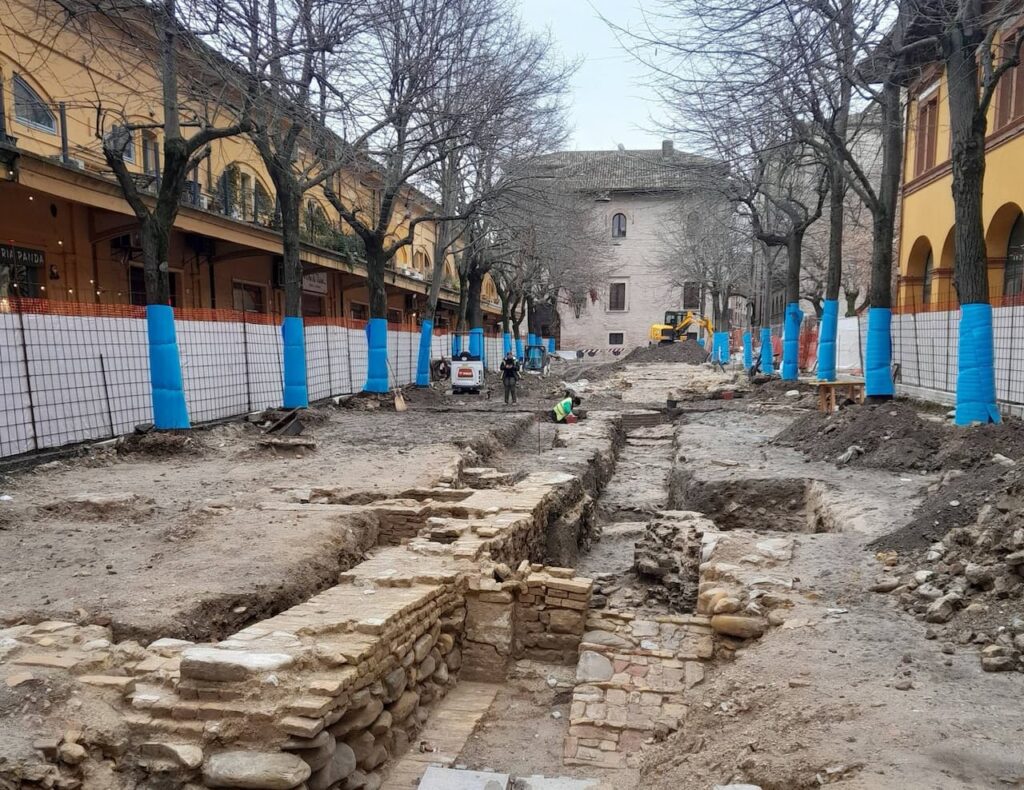
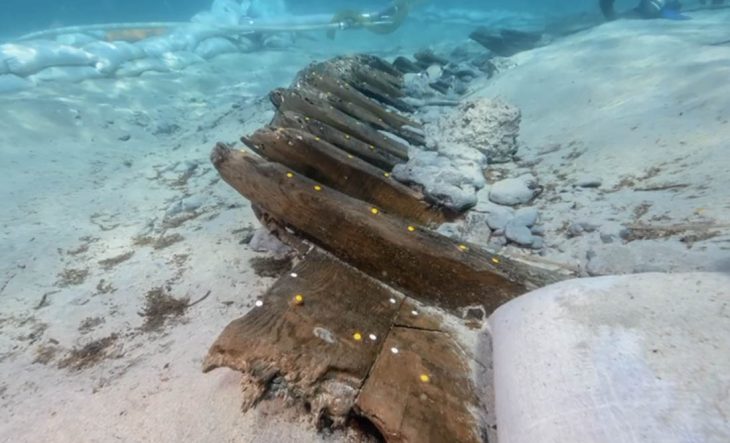
Remains of Vitruvius’ basilica. Credit: Comune di Fano / Italy’s Ministry of Culture
A Moment of National Significance
The press conference was attended by key officials, including the President of the Marche Region, Francesco Acquaroli, the Mayor of Fano, Luca Serfilippi, and Superintendent Andrea Pessina. The Minister of Culture, Alessandro Giuli, joined via video call and declared the discovery “exceptional” and historically transformative.
“This is a discovery we have been waiting for over 2,000 years,” said Mayor Serfilippi, highlighting the emotional and cultural significance for the city. “For centuries, the basilica existed only in words. Today it becomes a tangible reality.”
President Acquaroli described the find as a factor that will rewrite part of Fano’s history and redefine the region’s cultural heritage. He urged national and local institutions to collaborate on turning the discovery into a long-term development opportunity for tourism and education.
Minister Giuli framed the discovery as a foundational moment for Italy’s cultural identity. “The history of archaeological research is divided into before and after the discovery of Vitruvius’ Basilica,” he stated, arguing that the event will be remembered not as a news story but as a key chapter in the history of Western architecture.
Vitruvius and the Legacy of De Architectura
Vitruvius is one of the most influential figures in architectural history. His treatise De Architectura, written in the early 1st century BCE, is the only major surviving text on Roman building practices and theory. The work covers a wide range of topics, from city planning and temple construction to water engineering and building materials. It became a central reference during the Renaissance, profoundly shaping the revival of classical architecture and informing the work of architects such as Palladio and Alberti.
In De Architectura, Vitruvius emphasized three key principles: firmitas (durability), utilitas (utility), and venustas (beauty). These principles became the cornerstone of architectural philosophy for centuries, and the discovery of his basilica offers a rare opportunity to study how he applied these ideals in practice.
What Happens Next
Excavation work funded by Italy’s National Recovery and Resilience Plan (PNRR) will continue in the coming months. The goal is no longer to confirm the basilica’s existence—now certain—but to investigate the broader archaeological context and develop strategies for conservation and public display.
Superintendent Andrea Pessina emphasized that the discovery provides a crucial interpretive key for understanding other nearby remains, including structures beneath the former Sant’Agostino convent. The basilica’s confirmation also allows researchers to better map Fano’s ancient urban landscape, linking scattered evidence into a coherent picture of the city’s public and administrative life under Augustus.
A New Chapter for Fano
For the people of Fano, the discovery is more than an academic achievement—it is a restoration of identity. The basilica, once only described in a book, now rises from beneath the city as a physical testament to the architectural genius of Vitruvius and the enduring legacy of Roman urban planning.
As Italy prepares to open a new chapter in classical archaeology, the stones of Fano have spoken, and their message is clear: the origins of European architectural theory are not only written in history—they are built into the ground beneath us.
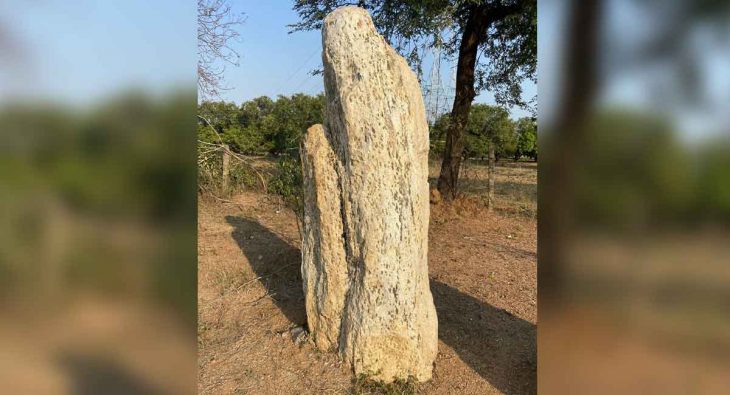
Cover Image Credit: One of the monumental column bases found in Piazza Andrea Costa in Fano. Italy’s Ministry of Culture