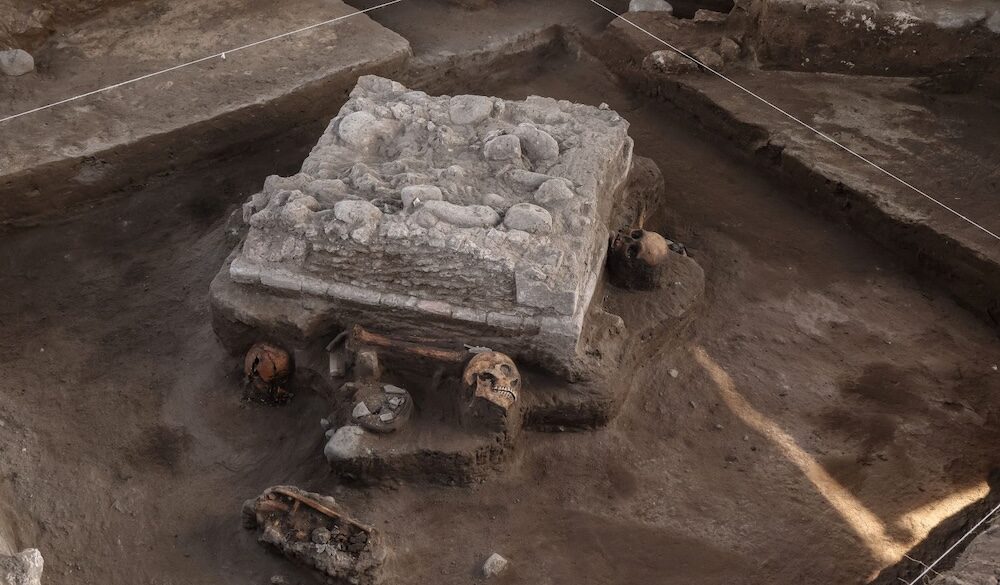
Archaeologists have discovered an ancient Toltec altar with human remains and ritual offerings near Mexico’s Tula ruins.
A striking archaeological discovery near Mexico’s ancient city of Tula has brought new attention to the rituals of the Toltec civilization. Researchers from the National Institute of Anthropology and History have uncovered a ceremonial altar, or momoztli, surrounded by human remains and ritual offerings just outside the Tula Archaeological Zone in Hidalgo.
The find was made during preventive archaeological salvage operations linked to the construction of the Mexico City–Querétaro passenger railway project. Conducted under the supervision of Mexico’s Ministry of Culture, the excavation highlights the critical role of infrastructure-related archaeology in preserving cultural heritage while advancing modern development.
A Window into the Toltec Capital
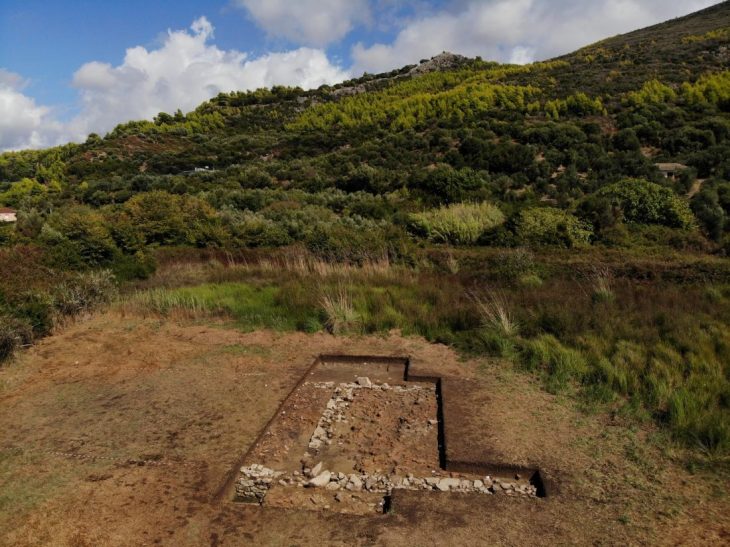
The newly discovered altar is believed to date back to the Tollan phase (900–1150 AD), a period when Tula flourished as the capital of the Toltec civilization. Located approximately 300 meters outside the main protected perimeter of the archaeological zone, near an area known as Tula Chico, the structure provides valuable clues about the urban layout of the ancient city.
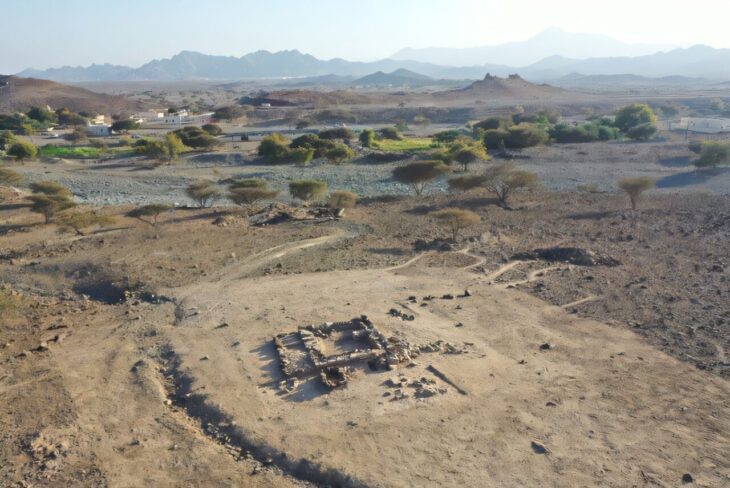
According to archaeologists, the altar measures roughly one meter on each side and was constructed using carefully arranged stone materials, including andesite blocks, basalt, and river stones. The structure likely consisted of at least three low tiers and notably lacks stairways, suggesting a specific ceremonial function rather than public access.
📣 Our WhatsApp channel is now LIVE! Stay up-to-date with the latest news and updates, just click here to follow us on WhatsApp and never miss a thing!!
“This discovery significantly enhances our understanding of the spatial organization of Tula,” explained project coordinator Víctor Francisco Heredia Guillén. “It suggests the presence of elite residential or ceremonial zones extending beyond what was previously mapped.”
Human Remains and Ritual Offerings
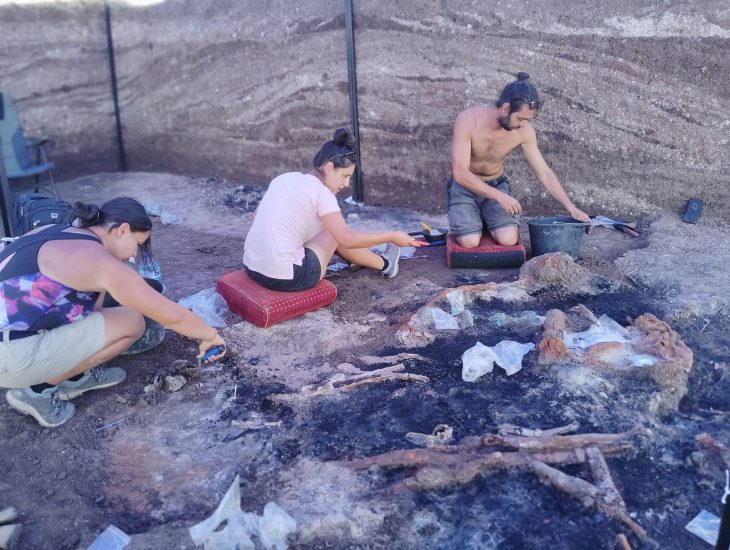
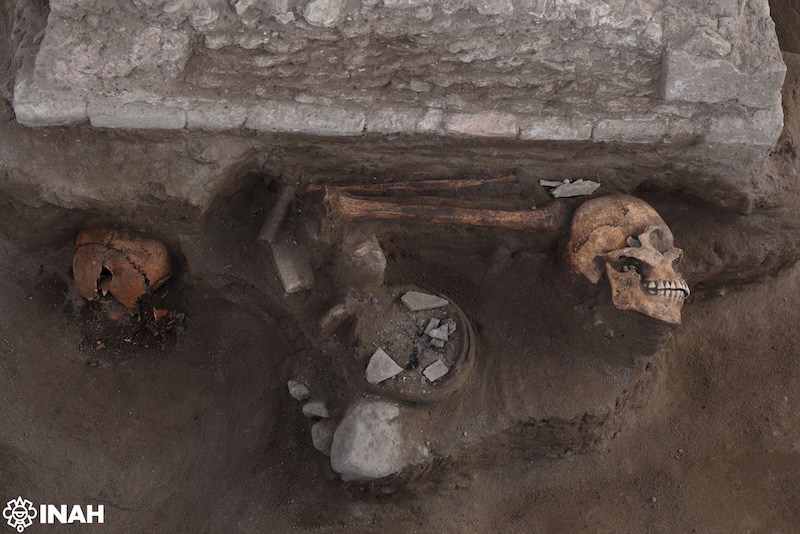
One of the most striking aspects of the discovery is the presence of human remains placed as offerings around the altar. Archaeologists identified four skulls and several long bones, likely femurs, positioned along three sides of the structure. There is a strong possibility that similar remains may be found on the fourth side as excavation continues.
The positioning of the remains indicates ritualistic practices, possibly involving decapitation ceremonies. One skull was found still connected to the vertebral column, which could provide critical evidence for understanding ancient sacrificial methods. Experts note that during this period, such acts were typically carried out using obsidian or flint blades, leaving identifiable marks on the bones.
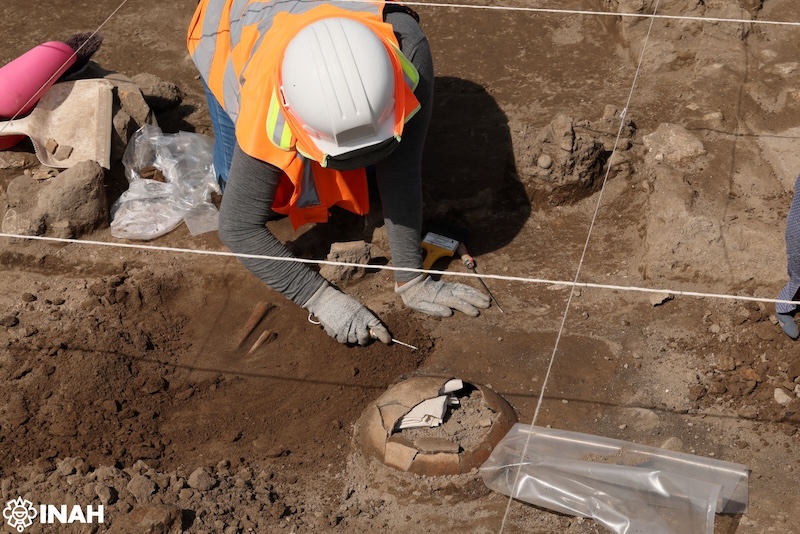
In addition to the human remains, researchers uncovered a variety of artifacts associated with ceremonial and daily life. These include ceramic vessels—such as a black bowl containing another vessel—obsidian fragments, blades, and tools made from bone. Malacological remains (shell artifacts), spindle whorls, and awls were also found, offering insight into both ritual and domestic activities.
Insights into Social Structure
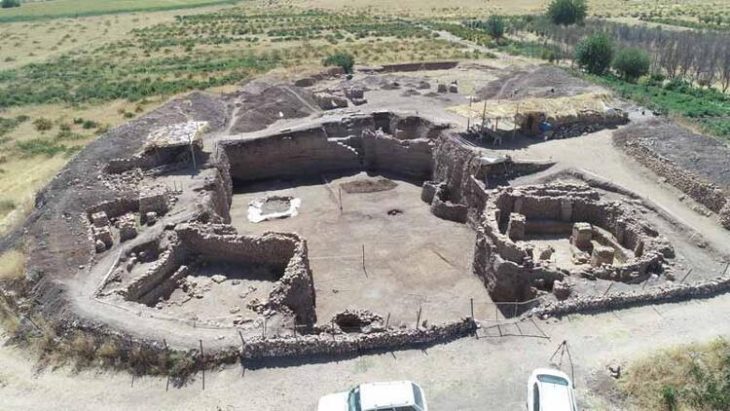
Further excavation revealed traces of walls and compacted floor surfaces surrounding the altar, suggesting it may have been located at the center of a courtyard. This layout supports the hypothesis that the area once formed part of an elite residential or ceremonial complex, possibly including palatial structures.
Archaeologist Emmanuel Hernández Zapata, who led field operations, noted that Tula’s outskirts were historically associated with higher social classes, while common populations lived farther away. “These findings reinforce the idea of a socially stratified urban environment, with distinct zones for elite groups,” he said.
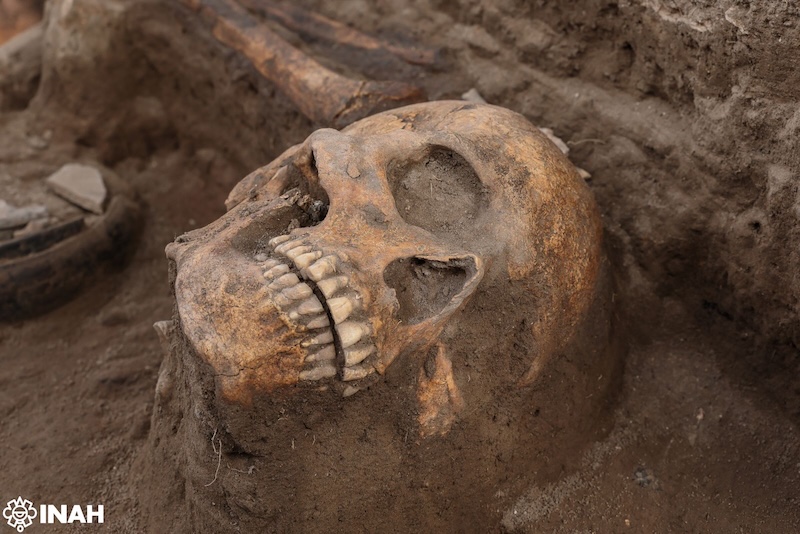
A human skull found near the lower level of the structure. Credit: Gerardo Peña, INAH.
Preservation and Scientific Analysis
All recovered materials are being carefully documented and will undergo detailed analysis in specialized laboratories. Human remains will be studied to determine age, sex, health conditions, and possible causes of death. Ceramic artifacts are being sent to a research facility in Tepeji del Río for classification and conservation.
Meanwhile, digital mapping techniques, including drone imaging, are being used to create precise models of the site before any further intervention. Authorities are currently evaluating the best methods to preserve the altar in situ or relocate it for protection.
Cultural Significance
Mexico’s Minister of Culture, Claudia Curiel de Icaza, emphasized the broader importance of the discovery. She stated that such findings not only deepen historical knowledge but also reinforce the nation’s commitment to safeguarding its cultural legacy.
“Archaeological heritage is the memory of our people,” she said. “Each discovery strengthens our responsibility to study, protect, and share this legacy with future generations.”
A Landmark Discovery
This discovery near Tula stands as a powerful reminder of the richness of Mesoamerican history and the importance of integrating archaeology into modern development projects. As investigations continue, the altar and its offerings promise to reveal even more about the rituals, beliefs, and social dynamics of the Toltec world.
With every layer uncovered, the ancient city of Tula continues to tell its story—one that bridges the past and present in extraordinary ways.
Cover Image Credit: Gerardo Peña, INAH.