
Ancient DNA recovered from İnönü Cave in Türkiye’s Zonguldak province has uncovered evidence that prehistoric people used charcoal-based remedies to treat stomach illnesses 5,000 years ago. The same study revealed that antibiotic resistance genes existed millennia before modern drugs, reshaping our understanding of ancient medicine and microbial evolution.
The findings were recently published in the journal PLOS ONE under the title “Decoding past microbial life and antibiotic resistance in İnönü Cave’s archaeological soil”.
From Prehistoric Medicine to Modern Insights
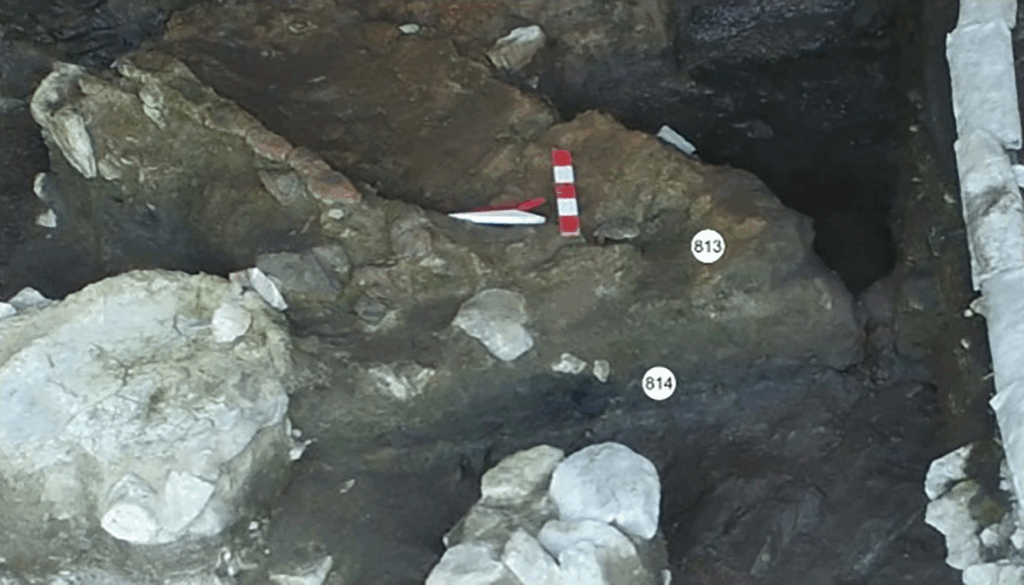
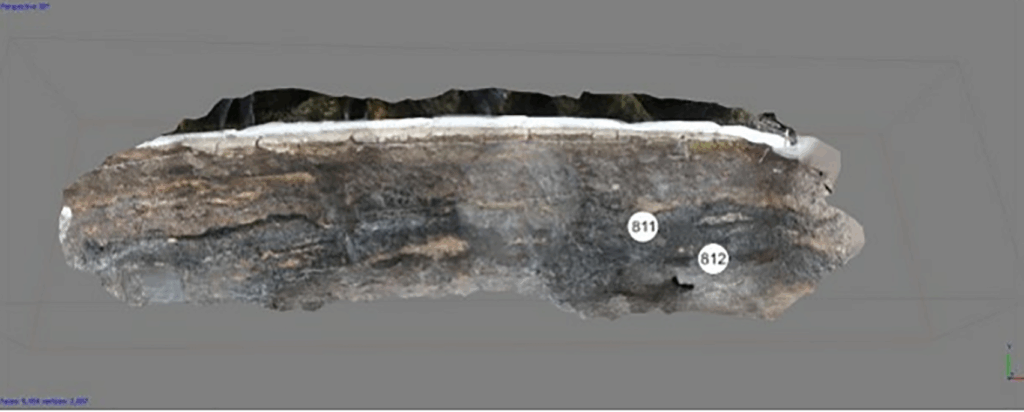
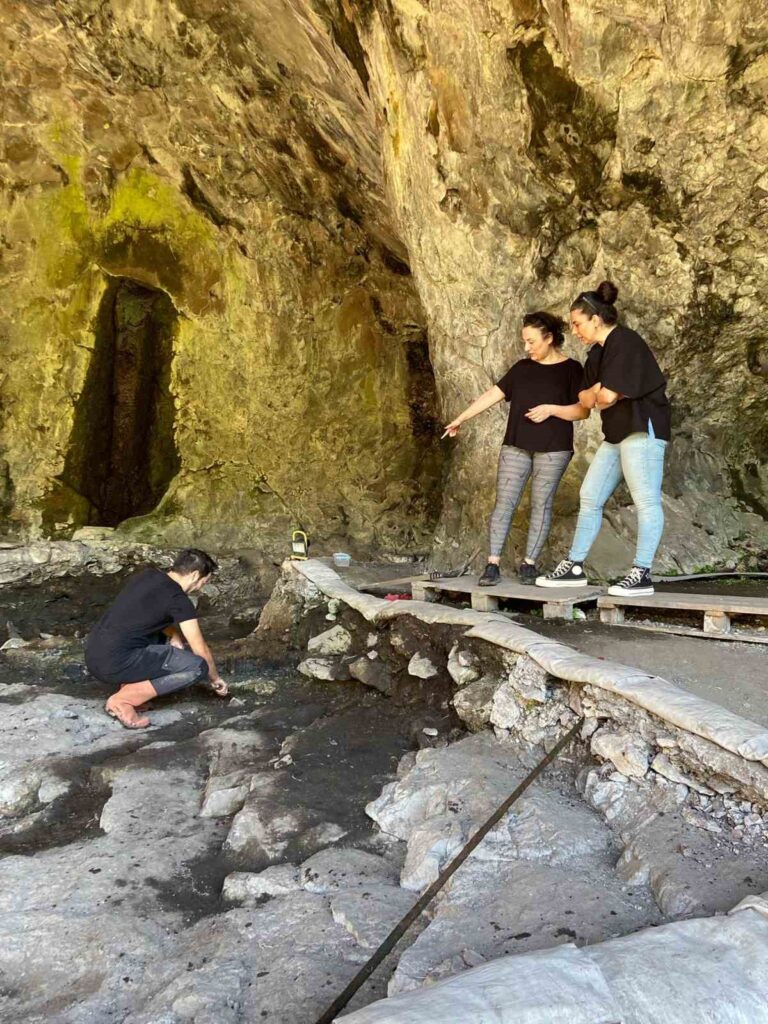
Excavations at İnönü Cave began in 2017 under the direction of Assoc. Prof. Dr. Hamza Ekmen of Zonguldak Bülent Ecevit University (ZBEU). Located in the Black Sea region, the volcanic cave features a freshwater spring and was inhabited from the Chalcolithic Age (ca. 4300 BC) through the Iron Age. Soil samples were carefully extracted from four cultural layers and analyzed with high-throughput DNA sequencing to reconstruct ancient microbial communities.
The research team—led by Assoc. Prof. Dr. Şükran Öztürk (ZBEU Faculty of Pharmacy) and Assoc. Prof. Dr. F. Gülden Ekmen (ZBEU Archaeology)—discovered that people living in the region used coal-derived materials for medicinal purposes. Evidence suggests they treated nausea, diarrhea, stomach pain, and other digestive issues with charcoal-based substances, a practice echoed in modern activated charcoal therapies.
“These findings demonstrate a remarkable continuity of medical knowledge,” said Dr. Ekmen. “What we see in Zonguldak is that prehistoric people understood and used the natural coal deposits in their environment to treat disease long before recorded history.”
Antibiotic Resistance: Not Just a Modern Problem
The study also revealed the presence of antibiotic resistance genes thousands of years old:
tetA gene (Chalcolithic layer, ca. 4300 BC) – conferring resistance to tetracycline.
intl1 gene (Early Bronze Age, ca. 3000 BC) – a mobile element linked to multi-drug resistance.
OXA-58 gene (Late Bronze Age, ca. 1400 BC) – associated with carbapenem resistance.
These discoveries support the resistome hypothesis, which argues that antibiotic resistance evolved in soil bacteria long before humans developed pharmaceutical antibiotics.
“Antibiotic resistance is not only a consequence of modern drug use but a deeply rooted ecological trait,” explained Dr. Öztürk. “Environmental factors such as volcanic geology, mineral-rich water sources, and prehistoric medical practices likely shaped microbial evolution over thousands of years.”
A Rare Window Into Ancient Microbial Ecology
Researchers identified major bacterial groups such as Acidobacteriota, Proteobacteria, Firmicutes, Cyanobacteria, and Actinobacteria, mapping how microbial communities shifted alongside human activities. For example, the Early Bronze Age samples showed a spike in Proteobacteria, linked to animal husbandry and increased soil fertility, while Chalcolithic samples were rich in Cyanobacteria, hinting at aquatic resource use.
This approach represents one of Türkiye’s first large-scale studies of ancient DNA from soil samples, expanding archaeology beyond artifacts to include microbial signatures of daily life.
Historical Context: A Strategic Settlement
İnönü Cave’s location overlooking fertile valleys near the Black Sea coast made it ideal for prehistoric settlement. Archaeological evidence shows continuous habitation, with imported shells, copper objects, and ceramics indicating trade links with Eastern Balkan cultures. By the Late Bronze Age, artifacts suggest contact with Hittite-controlled regions in central Anatolia.
The cave’s unique volcanic geology provided abundant coal, sulfur, and mineral-rich waters. These resources likely influenced both prehistoric diets and treatment practices, a theory supported by the detection of chemical residues and resistance genes associated with natural compounds like aniline dyes—historically used for pain relief.
Interdisciplinary Science in Action
The project is part of Türkiye’s “One Health” initiative, which integrates archaeology, microbiology, and environmental science to track how human health evolved alongside ecological systems. Soil samples were sequenced using Illumina iSeq technology, and data is publicly archived at NCBI BioProject PRJNA1134133.
The authors include experts from Zonguldak Bülent Ecevit University, Ankara University’s Evolutionary Genetics Laboratory, and the University of North Carolina at Chapel Hill, emphasizing the international scope of the work.
Why It Matters
This study has major implications:
Medical History: Confirms prehistoric knowledge of coal’s medicinal properties.
Microbial Evolution: Shows antibiotic resistance genes are ancient and shaped by natural processes.
Archaeological Innovation: Demonstrates the power of ancient soil DNA to reconstruct daily life and disease ecology.
As humanity faces rising antibiotic resistance, these discoveries highlight the value of archaeology in understanding modern health crises. “We often look forward for solutions,” said Dr. Öztürk, “but sometimes the answers lie buried in the soil of our past.”
Ozturk S, Ekmen F, Ekmen H, Ünal EM, Er A, Keskin E, et al. (2025) Decoding past microbial life and antibiotic resistance in İnonü Cave’s archaeological soil. PLoS One 20(7): e0326358. https://doi.org/10.1371/journal.pone.0326358
Cover Image Credit: Öztürk et al., 2025, PLOS ONE
