
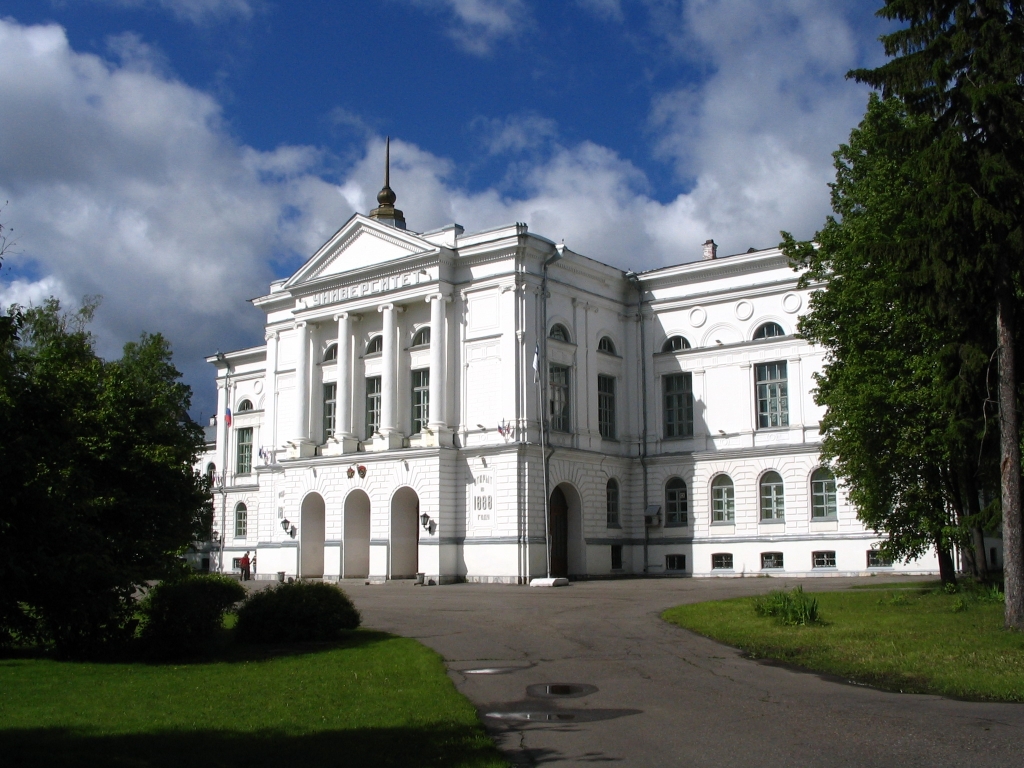
Archaeologists from Tomsk State University (TSU), the oldest university in Siberia, have put forward a compelling hypothesis: a medieval burial mound dating back to the 6th–9th centuries AD may be hidden within the university’s historic grove. The discovery, if confirmed, could shed new light on early medieval warrior burials in Western Siberia and significantly enrich the region’s archaeological record.
The hypothesis is based on a comprehensive study of historical documents, old maps, and museum collections. The research findings were recently published in the Bulletin of Tomsk State University, drawing attention from both academic circles and history enthusiasts.
Spearheads Point to Warrior Burials
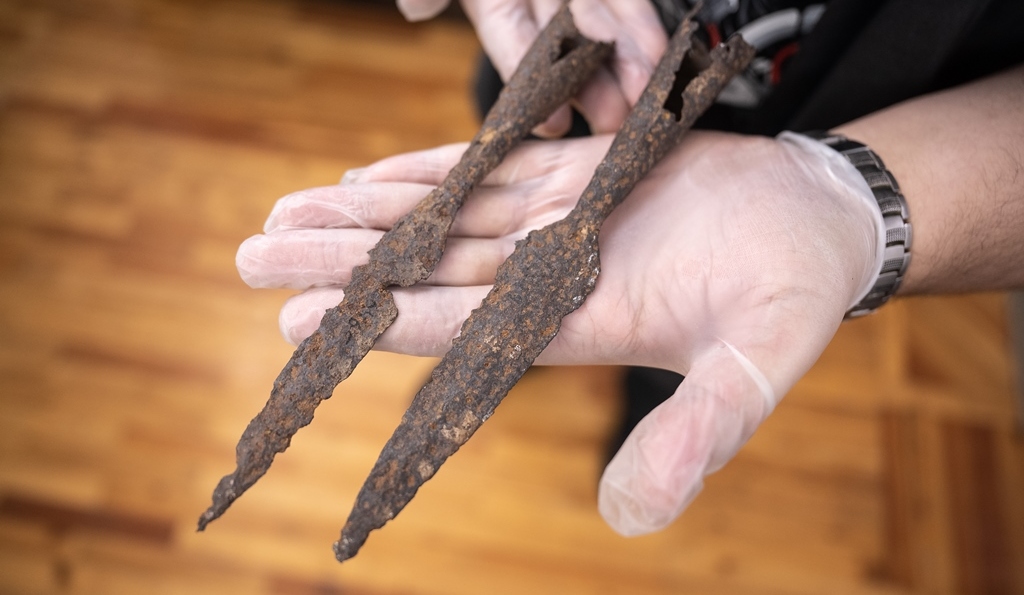
One of the strongest pieces of evidence supporting the theory is the discovery of three ancient spearheads on the university grounds during the 20th century. These artifacts have been preserved since the 1920s in the Museum of the History, Archaeology, and Ethnography of Siberia, named after V.M. Florinsky. Although the exact locations where the spearheads were found remain unknown, archaeologists emphasize that such items are typical markers of warrior burials.
“Finding three spearheads in one area cannot be explained by an ordinary settlement site,” says Evgeny Barsukov, a researcher at TSU’s BioGeoClim laboratory and one of the authors of the study. “This strongly suggests the presence of a burial mound, most likely associated with medieval warriors.”
Forgotten Records Reveal a Lost Mound
The idea of a burial mound resurfaced unexpectedly while researchers were studying the personal diaries of Vasily Florinsky, the founder and organizer of the Imperial Tomsk University. Shortly after arriving in Tomsk, Florinsky carefully surveyed the land designated for the future university buildings.
In his notes, Florinsky described a large earthen mound located on a high promontory at the southwestern edge of the grove. From its summit, he wrote, there was a panoramic view of the floodplain of the Tom River. He also mentioned a nearby lake and marshland at the base of the old riverbank, providing valuable geographical clues.
Surprisingly, this archaeological feature is not mentioned in modern scientific literature and does not appear on the official archaeological map of the Tomsk region. According to Barsukov, this omission makes the potential discovery even more intriguing.
Possible Location Identified
By comparing Florinsky’s descriptions with pre-construction maps and modern campus layouts, researchers believe they may have pinpointed the mound’s location. According to Ilya Korobeynikov, head of the Florinsky Museum at TSU, the burial mound may still exist behind the university’s second academic building.
“These historical and cartographic comparisons allow us to reconstruct the original landscape and correlate Florinsky’s notes with today’s campus,” Korobeynikov explains. “There is a strong likelihood that the mound has survived despite later transformations of the area.”
A Campus Rich in Archaeological Heritage
The university grove is already known as an archaeologically rich site. One of the earliest archaeological discoveries in Tomsk was made on the TSU campus in 1885 during the construction of the Botanical Garden. At that time, a Neolithic stone tool—a polished scraper measuring 16 centimeters in length—was found and documented by Florinsky himself. In addition, several log-coffin burials were later uncovered in the Botanical Garden area.
Despite nearly 150 years of landscape changes, researchers believe the cultural and historical potential of the university grounds remains exceptionally high.
“There is always a chance of discovering artifacts from different eras here, ranging from the Neolithic period to the late Middle Ages,” Korobeynikov notes.
What Comes Next?
Archaeologists are now assessing whether it is feasible to conduct field research at the proposed location of the mound. If confirmed, the site could become a priceless source of information about the early medieval period in Western Siberia—a vibrant and still insufficiently studied chapter of regional history.
The discovery of another burial complex from this era would not only enhance academic understanding but also reinforce Tomsk State University’s unique position at the crossroads of education and ancient history.
The research findings were published in the journal Vestnik Tomskogo Gosudarstvennogo Universiteta (Bulletin of Tomsk State University).
Barsukov, E. V., & Korobeinikov, I. N. (2025). Archaeological sites on the territory of Tomsk University (on the history of archaeological research in the city of Tomsk and its surroundings). Vestnik Tomskogo Gosudarstvennogo Universiteta (Bulletin of Tomsk State University), No. 521, 124–131. https://doi.org/10.17223/15617793/521/13
Cover Image Credit: Public Domain – Wikipedia Commons
