
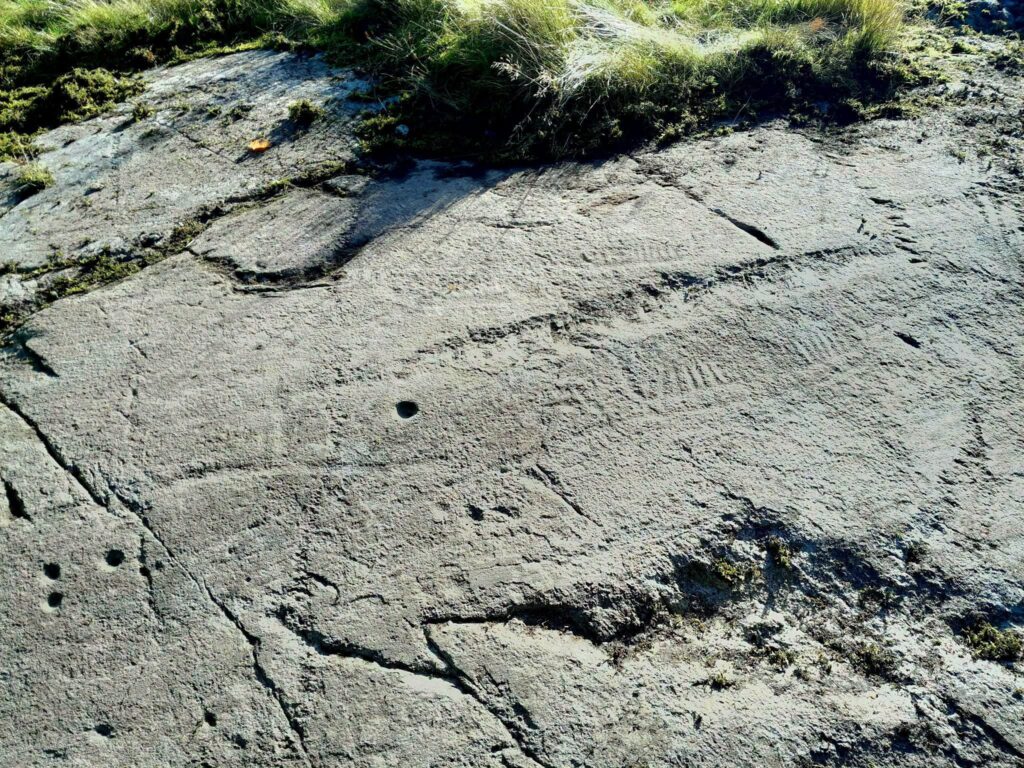
Archaeologists working in Sweden’s celebrated Tanum rock-art landscape have discovered 16 previously undocumented carved rock surfaces, including a large panel covered with well-preserved ships and human figures.
The discoveries came during a new inventory of the UNESCO World Heritage area led by the Foundation for Documentation of Bohuslän Rock Carvings in cooperation with Vitlycke Museum. The team began its work at Trättelanda, at the southern end of the protected landscape, where the survey quickly revealed a series of rock surfaces that had escaped earlier documentation.
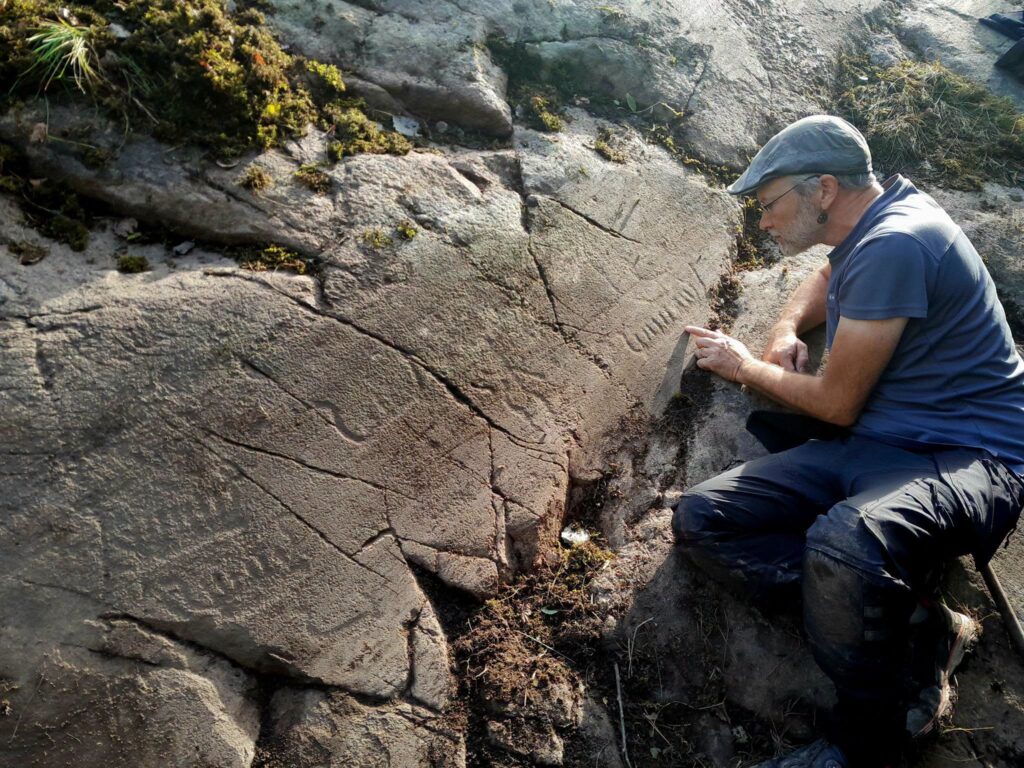
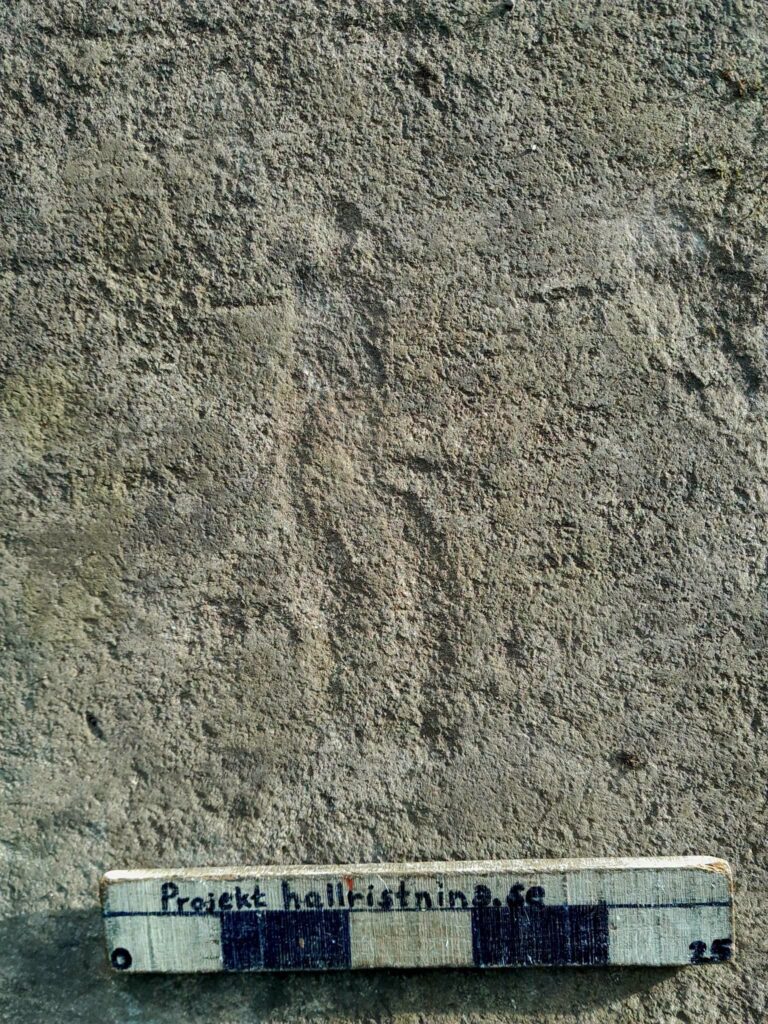
The largest find measures at least 11 by 10 meters, although researchers have not yet established its full extent. Fine-grained granite preserves numerous ships and human figures across the surface, and the team described the carvings as exceptionally well preserved.
The foundation called the panel a “fantastic new discovery” and said work at the site will continue. Since researchers have not yet defined the edges of the carved surface, further documentation could show that the panel extends beyond the area already recorded.
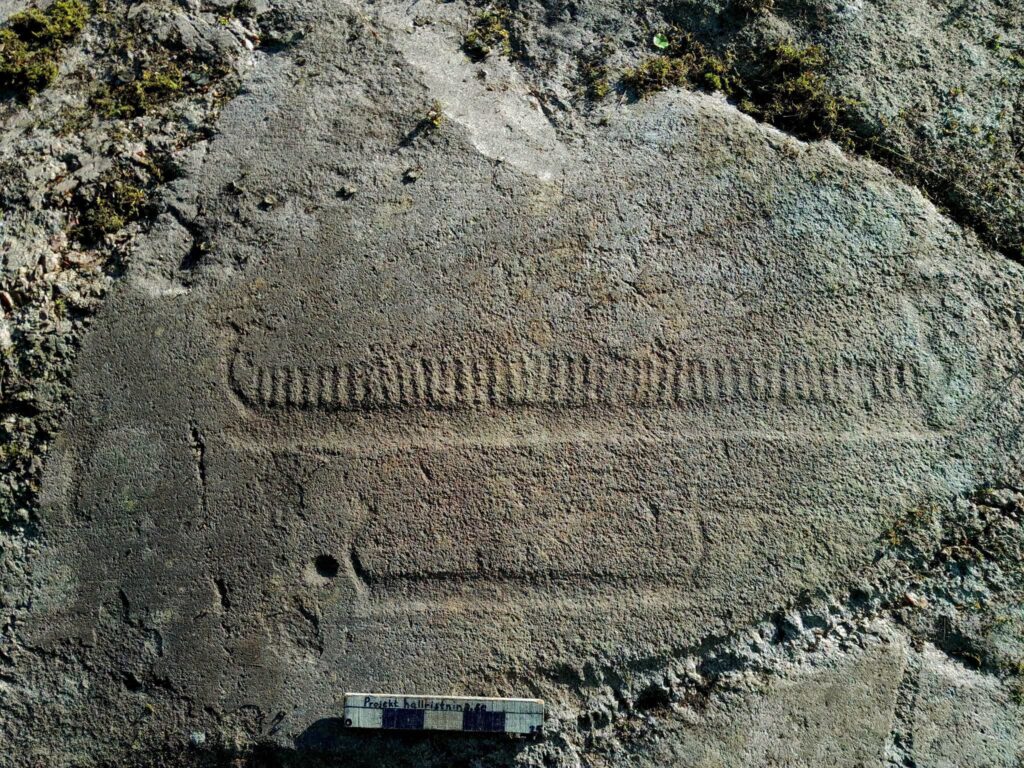
Sixteen new surfaces at the start of the survey
The number of newly identified surfaces makes the discovery especially significant. Rather than adding a single isolated carving to the archaeological record, the survey has so far revealed 16 previously undocumented rock-art surfaces within one of Europe’s most intensively studied prehistoric landscapes.
The inventory has only just begun at Trättelanda. That makes the early results particularly notable and raises the possibility that further work within the World Heritage area could identify additional carvings that earlier surveys missed.
Tanum lies in northern Bohuslän on Sweden’s west coast and contains one of northern Europe’s richest concentrations of prehistoric rock art. UNESCO placed the area on the World Heritage List in 1994 because of the density, variety and preservation of its carvings.
More than 600 known rock-art sites lie within the roughly 41-square-kilometer World Heritage property, while at least 1,500 carving sites are known across northern Bohuslän as a whole. Their imagery includes humans, animals, weapons, symbols and, above all, ships.
Ships across the Bronze Age landscape
Ships rank among the most recognizable motifs in Bohuslän rock art. Some appear as simple outlines, while others carry rows of human figures or form part of more complex scenes involving weapons, animals and ceremonial activity.
Their repeated appearance also reflects a landscape very different from the one visitors see today. During the Bronze Age, higher sea levels brought shorelines and waterways much closer to many of the rock surfaces that now overlook fields and farmland.
At several Tanum sites, prehistoric communities carved ships on rocks that once stood near the coast. Archaeologists therefore study the ship images not simply as representations of boats, but as part of a wider visual world connected with movement, status, warfare, belief and the relationship between communities and the sea.
Researchers have not yet announced a specific date for the new Trättelanda panel. It lies, however, within a rock-art landscape strongly associated with the Nordic Bronze Age, and UNESCO generally places the main Tanum carving tradition between roughly 1700 and 500 BC.
A landscape carved over generations
Bohuslän’s geology helped create the conditions for this remarkable concentration of rock art. When the Scandinavian Ice Sheet retreated around 14,000 years ago, it exposed broad surfaces of smooth granite that later prehistoric communities repeatedly selected for carving.
Artists created the images by pecking and grinding the stone, often returning to the same surfaces over long periods. Some panels eventually accumulated hundreds of figures and became complex visual records built up across generations.
The famous Vitlycke panel offers one of the clearest examples. Stretching for more than 20 meters, it contains roughly 500 carvings, including ships, people, animals and scenes that archaeologists have interpreted in different ways.
Other parts of Tanum contain equally striking images. At Litsleby, a 2.3-meter-tall human figure known as the “Spear God” dominates one of the best-known panels, while nearby carvings show ships crowded with human figures and scenes involving weapons and animals.
The new Trättelanda panel now adds another substantial surface to this already dense archaeological landscape. Its full dimensions remain unknown, and researchers still need to document the individual carvings and determine how far the decorated rock extends.
The discovery also shows that Tanum’s archaeological record is far from complete. Even within a World Heritage landscape examined for generations, substantial groups of rock carvings can still remain outside the documented record until systematic surveys bring them to light.
