
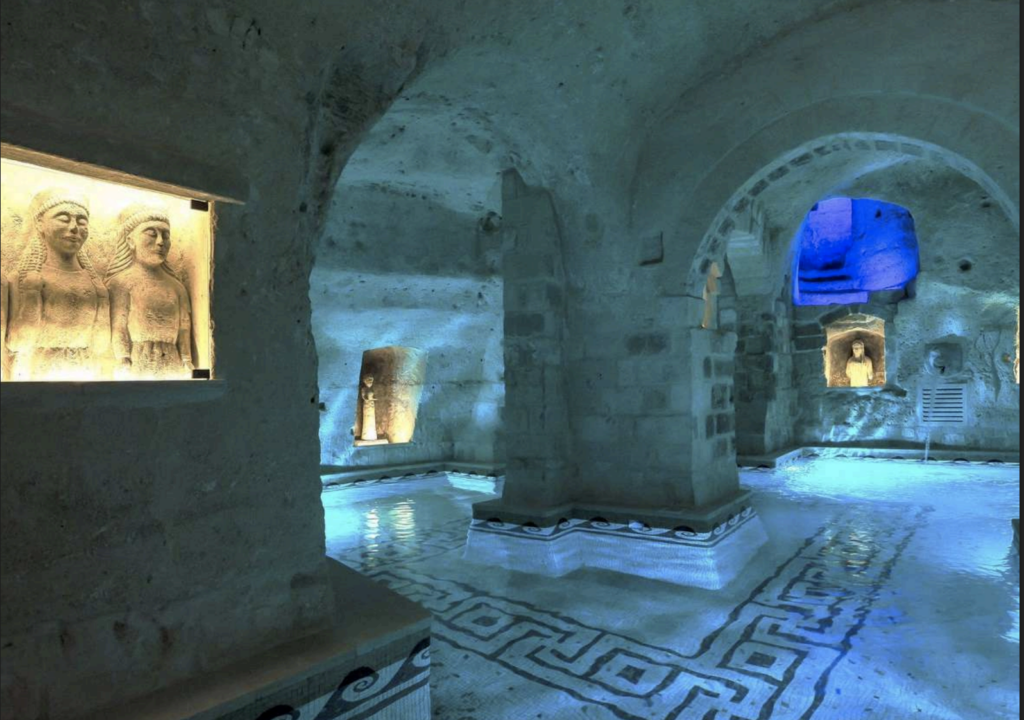
A groundbreaking concept in cultural tourism has emerged in southern Italy with the opening of Moyseion Matera, one of the world’s first “inhabited museums,” located in the historic Sassi di Matera, a UNESCO World Heritage Site. Since opening in November 2024, the project has attracted global attention for transforming the traditional museum experience into something immersive, sensory, and deeply participatory.
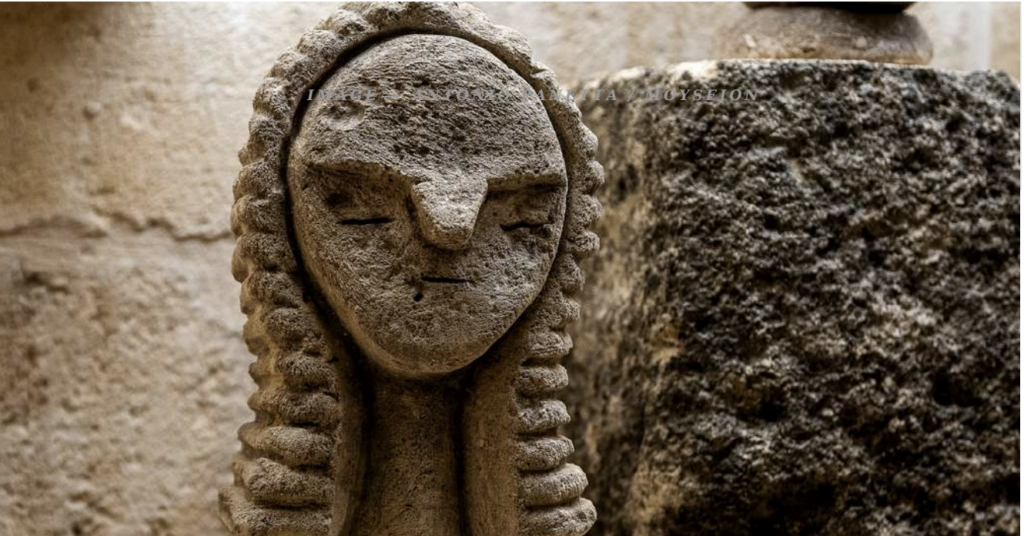
Unlike conventional museums or boutique hotels, Moyseion positions itself as a “living work” where guests do not simply visit—they inhabit. Carved directly into the ancient rock formations of Matera, the property consists of 16 cave dwellings inspired by prehistoric Basilicata and Magna Graecia civilizations. Each space has been meticulously reconstructed using archaeological research, allowing visitors to temporarily step into a symbolic world shaped by history, myth, and ritual.
A New Model of Experiential Tourism
At the heart of Moyseion Matera lies a radical idea: cultural heritage should not only be preserved but reactivated. This philosophy, known as “Poetic Archaeology,” moves beyond static displays and instead engages visitors through lived experience. Guests become participants in a narrative that blends anthropology, performance, gastronomy, and historical reconstruction.
This approach responds to a broader shift in travel behavior. Modern travelers increasingly seek meaningful, transformative experiences rather than passive observation. Moyseion addresses this demand by offering a fully immersive environment where history is not explained—it is lived.
Rituals That Define the Experience
Daily life at Moyseion is structured around a series of rituals inspired by ancient Greek traditions. The journey begins with Xenia, the classical rite of hospitality. Upon arrival, guests are welcomed with a ceremonial hand-washing using water poured into a copper basin, symbolizing respect and transition into a new state of being.
Mornings start with Akràtisma, a historically reconstructed breakfast based on archaeological findings. Dishes such as spelt honey cakes, barley bread, and goat cheese are prepared using ancient recipes developed in collaboration with historians and food anthropologists.
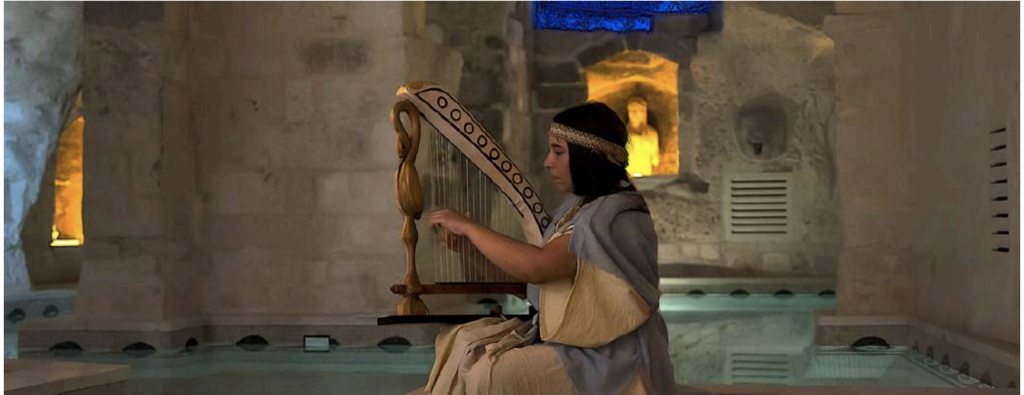
Evenings culminate in the Symposium, a communal gathering featuring wine, traditional foods, and live music performed on ancient instruments. Guests recline and engage in shared storytelling, echoing the intellectual and social traditions of ancient Greece.
The Water Sanctuary: A Ritual, Not a Spa
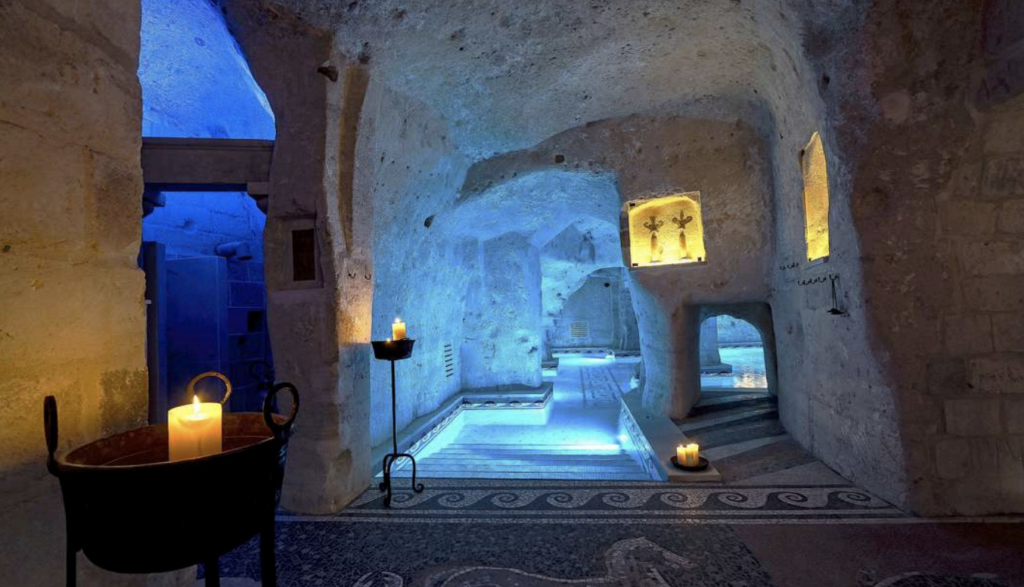
One of Moyseion’s most distinctive features is its underground Water Sanctuary. Designed as a two-level grotto inspired by ancient Greek thermal complexes, the space includes heated pools, mosaic floors, and mythological statues.
Every afternoon, guests can participate in a guided ritual based on the myth of Demeter and Persephone. This immersive experience symbolically represents themes of descent, transformation, and rebirth, blending performance, music, and physical space into a powerful narrative journey.
Architecture, Design, and Academic Collaboration
The entire project was developed under archaeological supervision, ensuring historical accuracy while allowing for creative interpretation. The team behind Moyseion is equally unconventional, consisting of archaeologists, musicians, performers, and scholars rather than traditional hospitality staff.
In addition to hosting guests, Moyseion also functions as a research and cultural hub. Since 2025, it has organized international symposia and educational programs focused on ancient Mediterranean culture, including music residencies in collaboration with institutions linked to Cambridge, Yale, and the British Museum.
Founder Vision and Global Recognition
Moyseion was conceived by Antonio Panetta, an Italian cultural entrepreneur known for pioneering hospitality projects in Matera. His vision builds on decades of work in cultural tourism and heritage preservation, pushing boundaries toward a more interactive and meaningful engagement with history.
The project has already received significant international acclaim. Within months of opening, it earned a 9/10 rating from The Telegraph, while publications like The Guardian and Vanity Fair Italia have highlighted it as one of the most innovative travel experiences in Europe.
Practical Information for Visitors
Moyseion Matera is located in the heart of the Sassi district and offers rates starting from €149 per night. The experience includes accommodation, rituals, breakfast, and access to the Water Sanctuary. The property is designed for guests aged 16 and above, emphasizing a calm, reflective atmosphere
With its fusion of history, performance, and immersive design, Moyseion Matera is not just redefining hospitality—it is creating an entirely new category of cultural experience. For travelers seeking something beyond traditional tourism, this “inhabited museum” offers a rare opportunity to step inside history and live it from within.
Cover Image Credit: Moyseion Matera
