
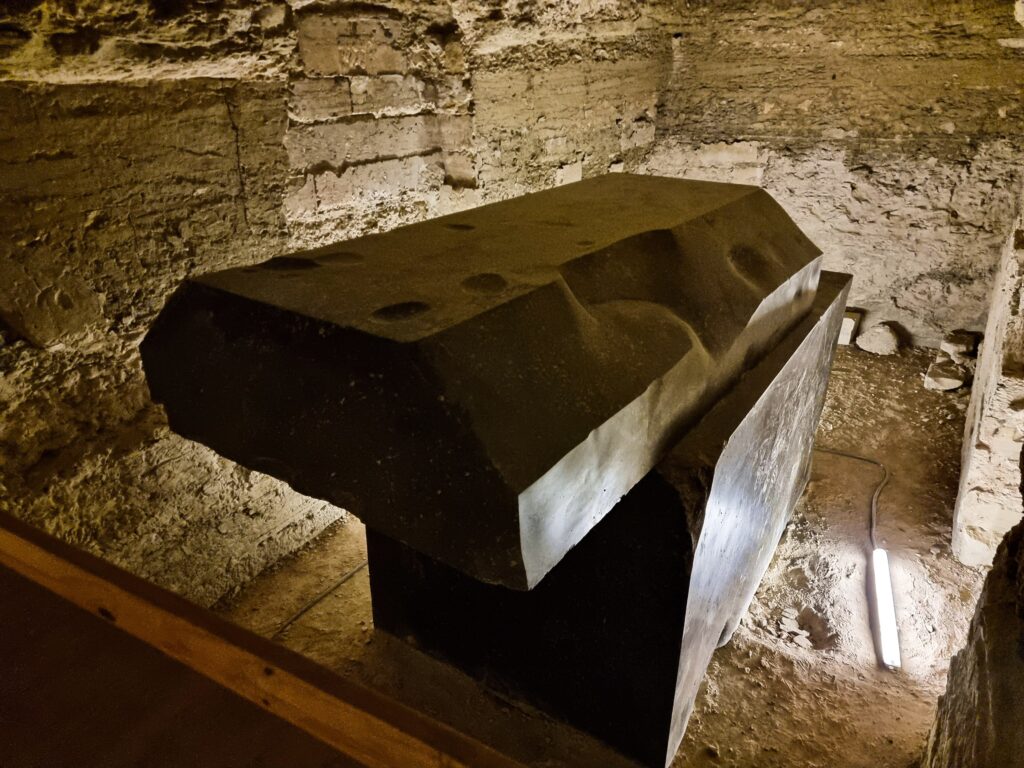
The Serapeum of Saqqara remains one of ancient Egypt’s most arresting underground monuments. Hidden beneath the sands northwest of the Step Pyramid of Djoser, the complex contains massive stone sarcophagi built for the sacred Apis bulls, animals worshipped as living manifestations of the god Ptah in Memphis.
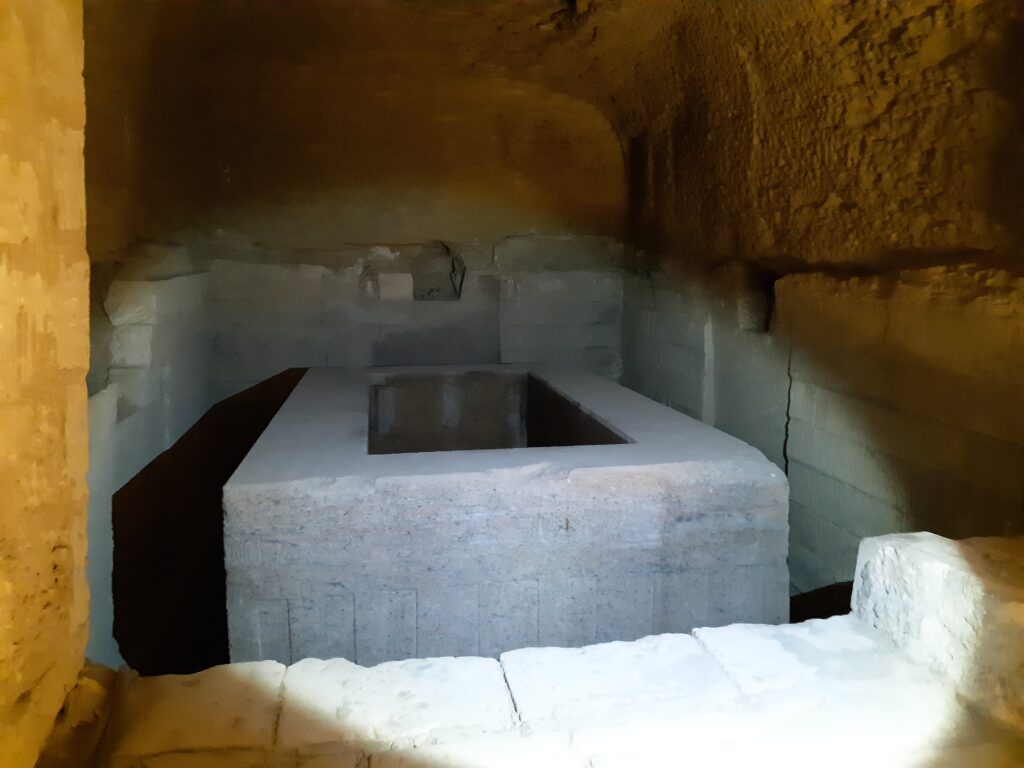
The site is not new to archaeology. It was rediscovered in 1850 by French Egyptologist Auguste Mariette. Yet the Serapeum still unsettles modern visitors for one simple reason: its scale. Long corridors lead into burial chambers where enormous stone coffins, cut from hard materials such as granite and basalt, sit in the darkness with a precision that continues to invite debate.
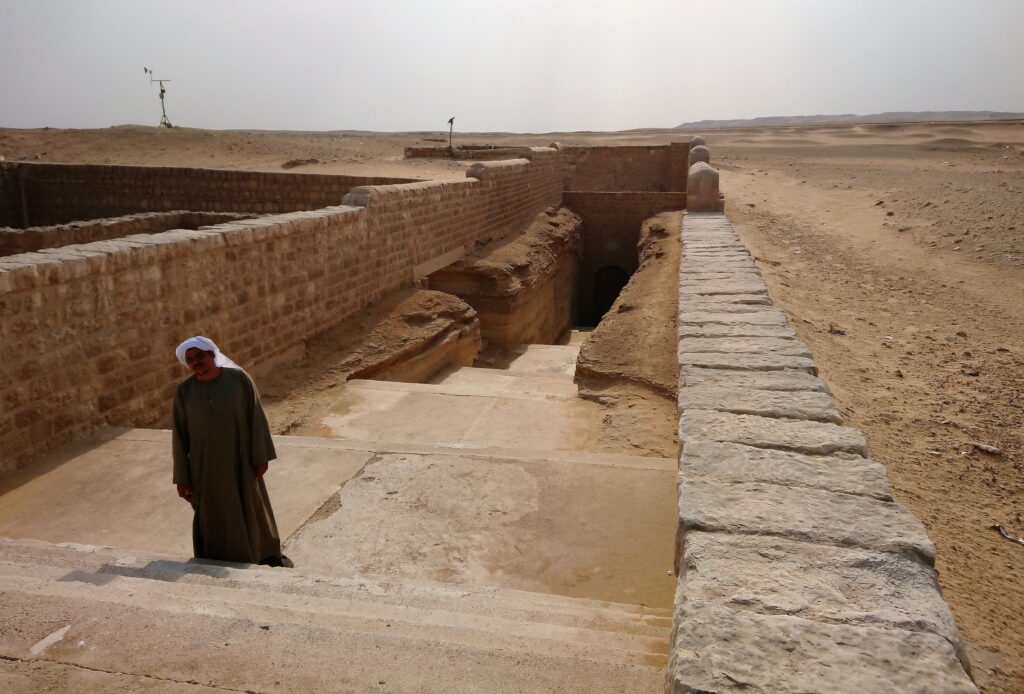
A tomb built for divine bulls
In ancient Memphis, the Apis bull was no ordinary animal. Egyptian priests selected a single bull believed to carry divine signs, and during its life it was treated with extraordinary religious importance. After death, the bull was mummified and buried with elaborate rites before another sacred bull was chosen.
According to Egypt’s Ministry of Tourism and Antiquities, the Serapeum was used from the reign of Amenhotep III in the New Kingdom through the Ptolemaic Period. An avenue of sphinxes once led toward the complex, while its underground galleries held the mummified remains of the sacred animals.
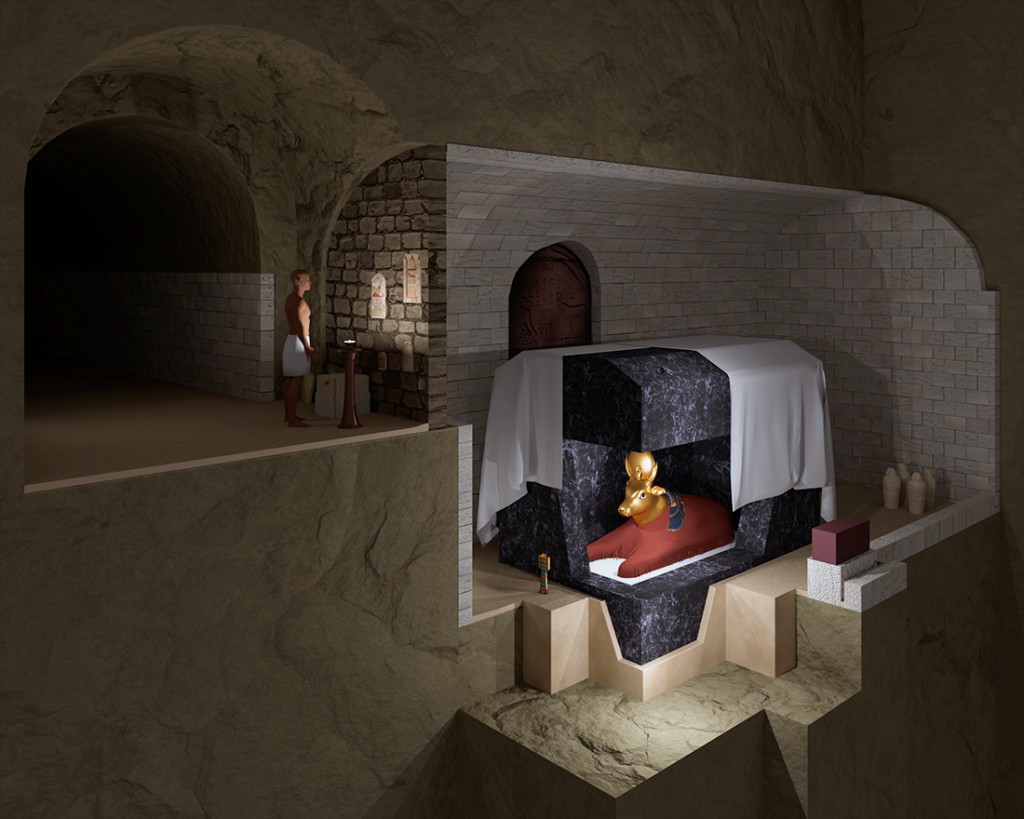
The engineering behind the mystery
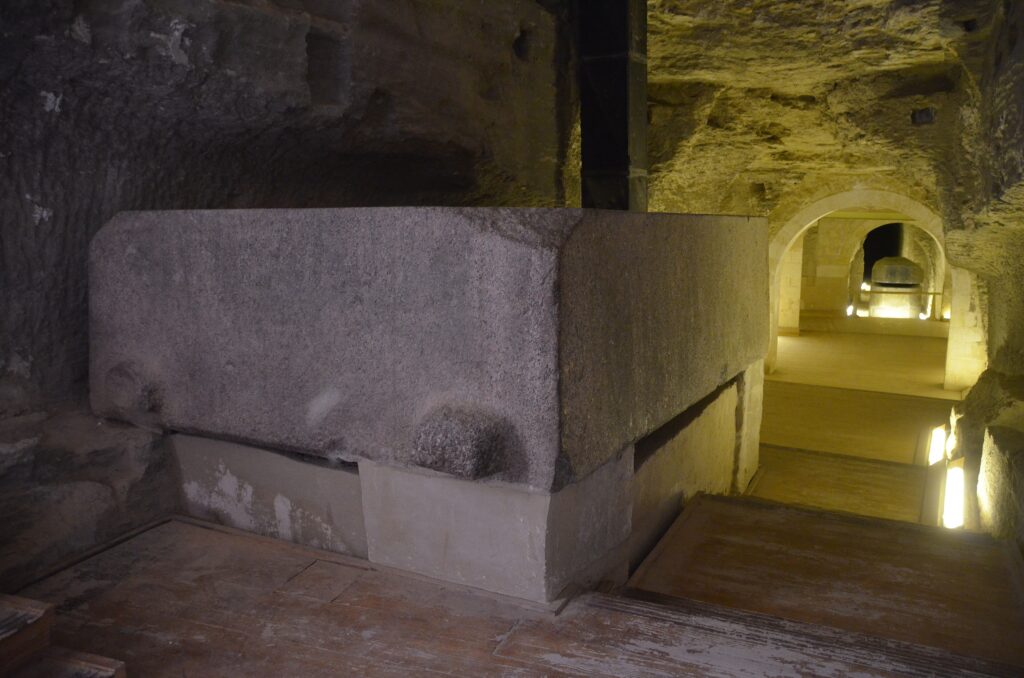
The real fascination of the Serapeum lies in its stone coffins. Some of the largest sarcophagi weigh dozens of tons, with heavy lids placed over carefully hollowed interiors. Their size alone suggests a highly organized operation involving quarrying, transport, manpower, planning and control of narrow underground space.
Claims that the sarcophagi required “lost technology” are often overstated. Egyptologists generally explain the work through skilled stone-cutting, abrasive materials, sledges, rollers, levers and patient labor. But that does not make the achievement less impressive. The Serapeum shows how far Egyptian engineering could go when religion, royal patronage and specialized craft worked together.
Empty chambers and ancient looting
One reason the Serapeum attracts speculation is that many sarcophagi were found empty or disturbed. This has sometimes been used to argue that the coffins were not originally made for bulls. The simpler explanation is also the more archaeological one: the complex was robbed and damaged over time.
The official interpretation still identifies the Serapeum as a burial place for Apis bulls. Saqqara itself was one of Egypt’s most important cemeteries, and the Apis burials formed part of a wider sacred landscape connected to Memphis, Ptah and the afterlife.
A monument between faith and power
The Serapeum was not just a tomb. It was a statement. Each massive coffin turned the death of a sacred bull into a permanent act of devotion. The underground galleries transformed animal burial into royal-scale architecture.
That is why the site remains so powerful today. The mystery is not whether gods or unknown civilizations built it. The deeper question is how ancient Egyptian society organized belief, labor and engineering so effectively that even a burial place for bulls became a monument capable of challenging modern imagination.
Cover Image Credit: Public Domain – CC BY 3.0
