A remarkable archaeological discovery on the island of Cabrera, located just south of Mallorca in the Mediterranean Sea, is shedding new light on the region’s rich and complex past.Recent excavations at the Sa Font site have uncovered both Islamic-era structures and rare ceramic remains linked to the ancient Talayotic culture, offering a deeper understanding of human activity in the western Mediterranean across millennia.
The excavation, led by archaeologists Mateu Riera and Helena Kirchner, has confirmed the presence of buildings dating back to the period of Al-Andalus between the 10th and 12th centuries. This discovery follows earlier findings of over a thousand Islamic ceramic fragments, which initially hinted at settlement during this era.
Islamic Structures Point to Long-Term Settlement
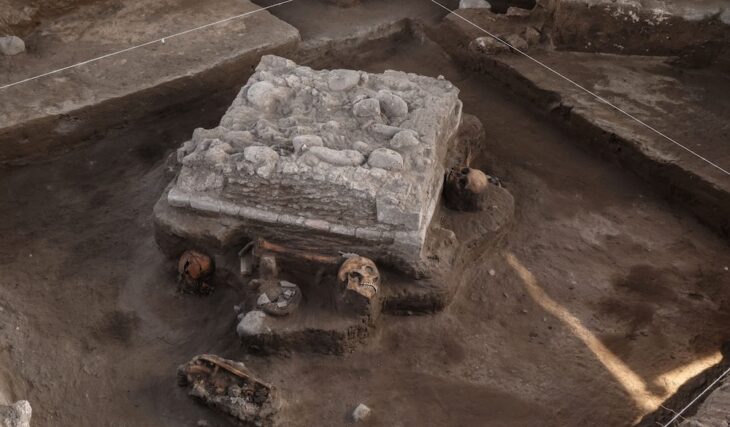
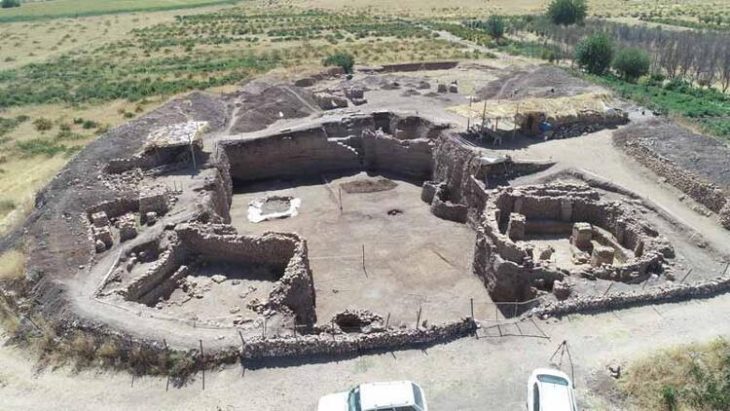
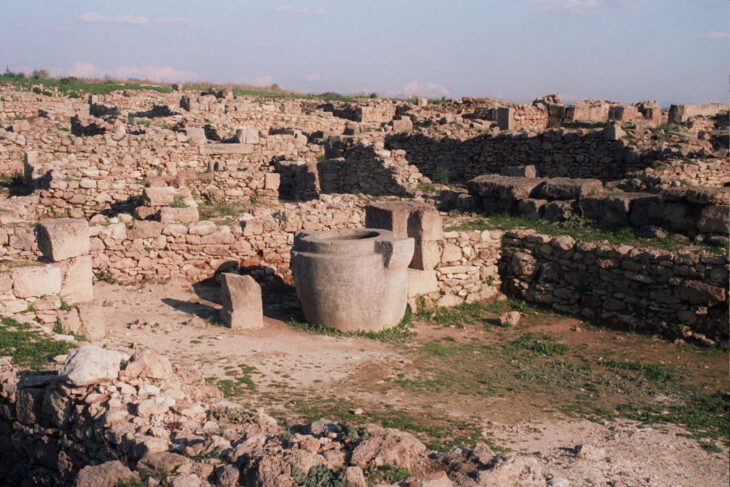
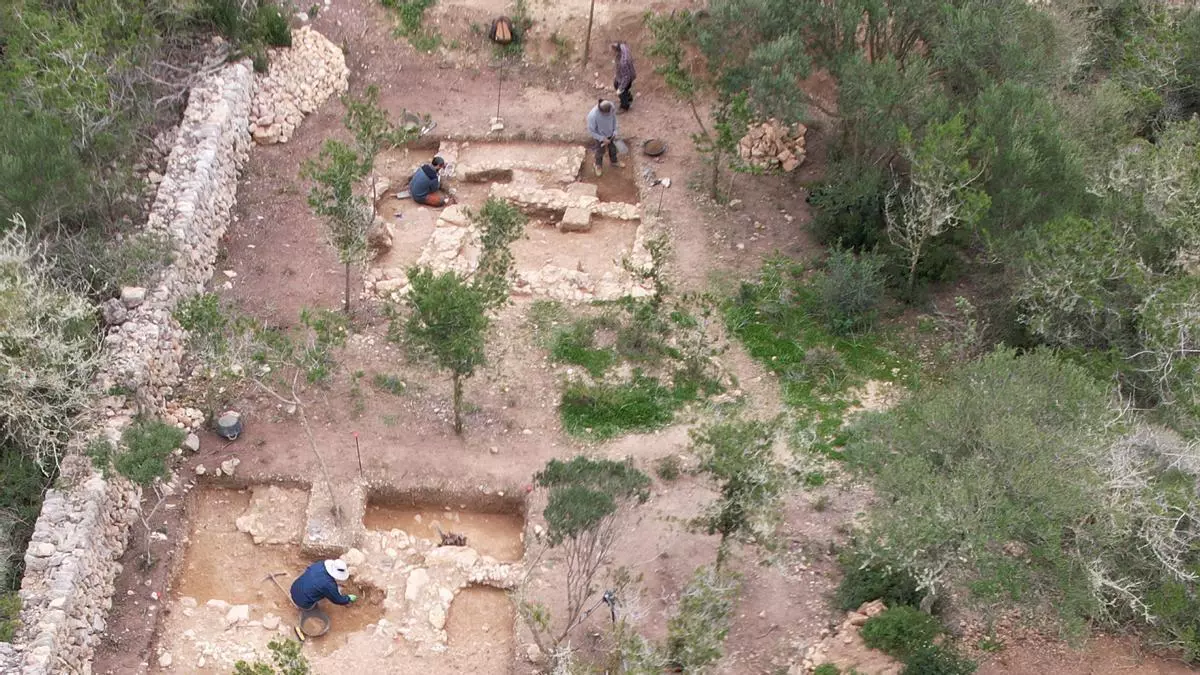
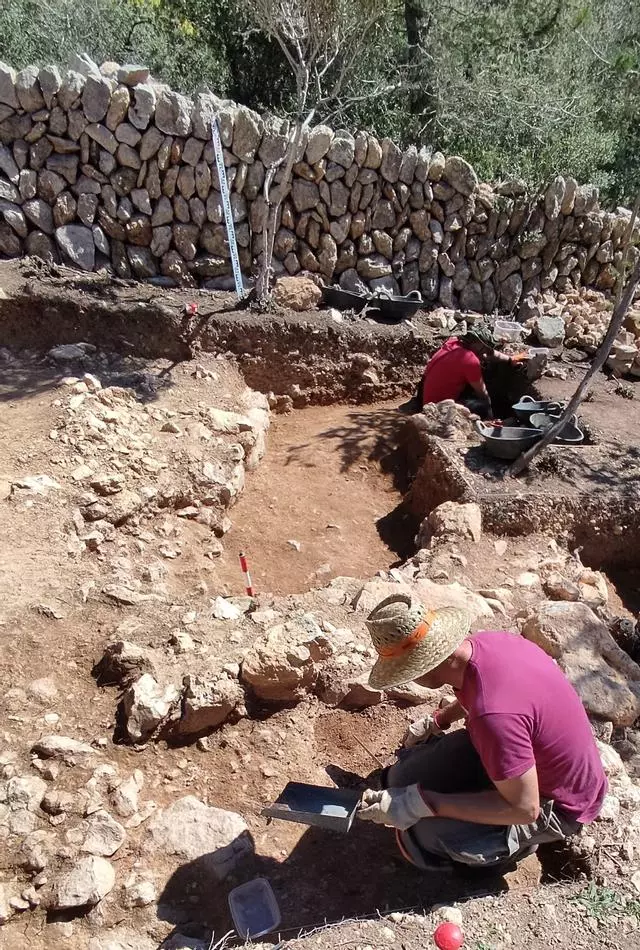
During the latest three-week excavation campaign, researchers uncovered structural remains that indicate sustained occupation. Among the most notable features is a five-meter-long wall constructed from large, roughly squared stone blocks. Evidence suggests that this structure was repaired during the Islamic period, implying continued use and maintenance.
Interestingly, while the wall was actively used during the Andalusí period, its original construction may date back even further. Archaeologists speculate that it could belong to the Byzantine era (6th–10th centuries) or possibly earlier, highlighting the continuity of habitation in Cabrera over centuries.
Additional features, including several holes or pits from the same Islamic period, were also documented. Their exact purpose remains unclear, but future research aims to determine whether they served domestic, agricultural, or industrial functions.
📣 Our WhatsApp channel is now LIVE! Stay up-to-date with the latest news and updates, just click here to follow us on WhatsApp and never miss a thing!!
Talayotic Ceramics: A Window into Prehistoric Culture
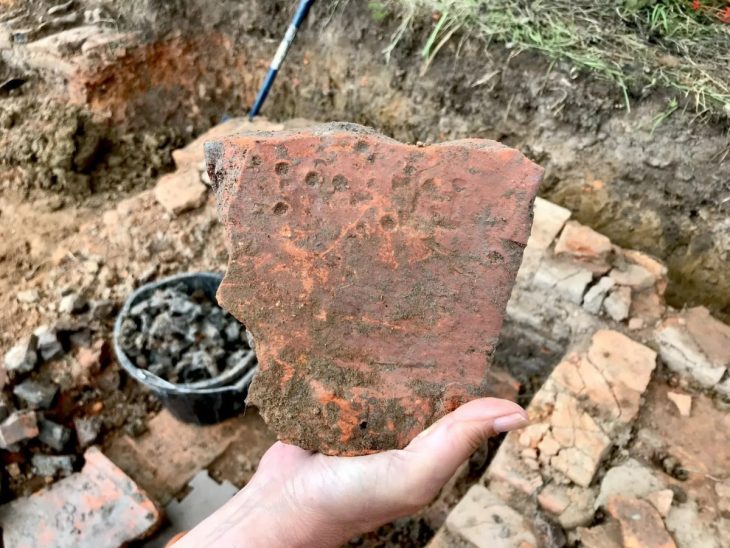
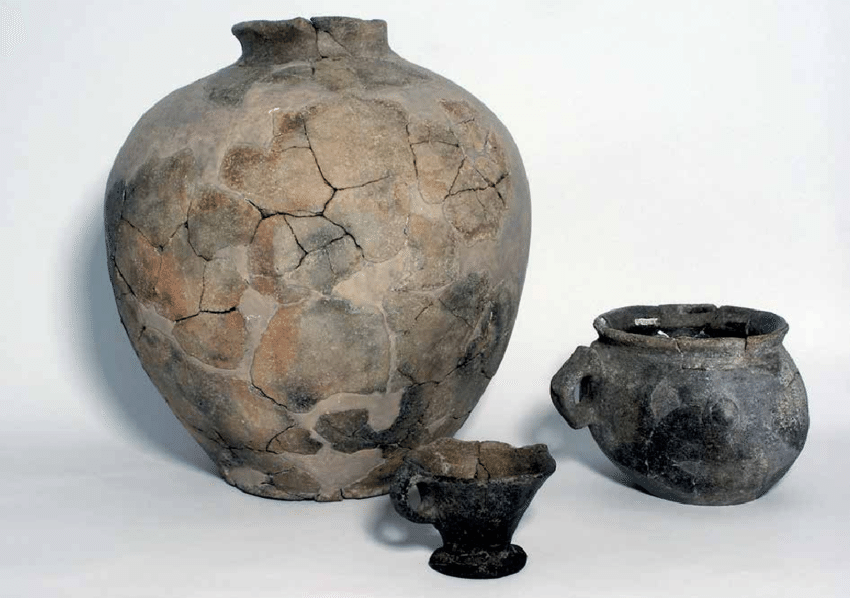
One of the most exciting aspects of the discovery is the identification of ceramics linked to the Talayotic culture. This marks the first time such artifacts have been found at the Sa Font site, opening a new line of investigation into the prehistoric occupation of Cabrera.
The term “Talayotic” refers to a prehistoric culture that flourished in the Balearic Islands during the late Bronze Age and early Iron Age (roughly 1000–123 BCE). It is named after the “talayots,” large megalithic stone towers that are among the most iconic structures of the period. These communities were known for their advanced stone construction techniques, social organization, and extensive use of ceramics for storage, cooking, and ritual purposes.
Talayotic ceramics are typically handmade, with simple forms and minimal decoration, reflecting a utilitarian function. Their presence at Sa Font suggests that Cabrera may have been part of broader trade or settlement networks long before the arrival of later civilizations such as the Romans and Byzantines.
A Crossroads of Mediterranean Civilizations
Beyond the Talayotic and Islamic finds, the excavation has revealed a diverse array of ceramic materials from different historical periods. Byzantine-era ceramics, particularly from the 6th and 7th centuries, were found in significant quantities. These include both locally produced items and imports from North Africa (modern-day Tunisia) and the eastern Mediterranean, indicating active trade routes.
In contrast, Roman-era artifacts (2nd century BCE to 5th century CE) were less abundant, and pre-Roman materials were even rarer. This uneven distribution provides valuable insights into the shifting patterns of settlement and economic activity on the island.
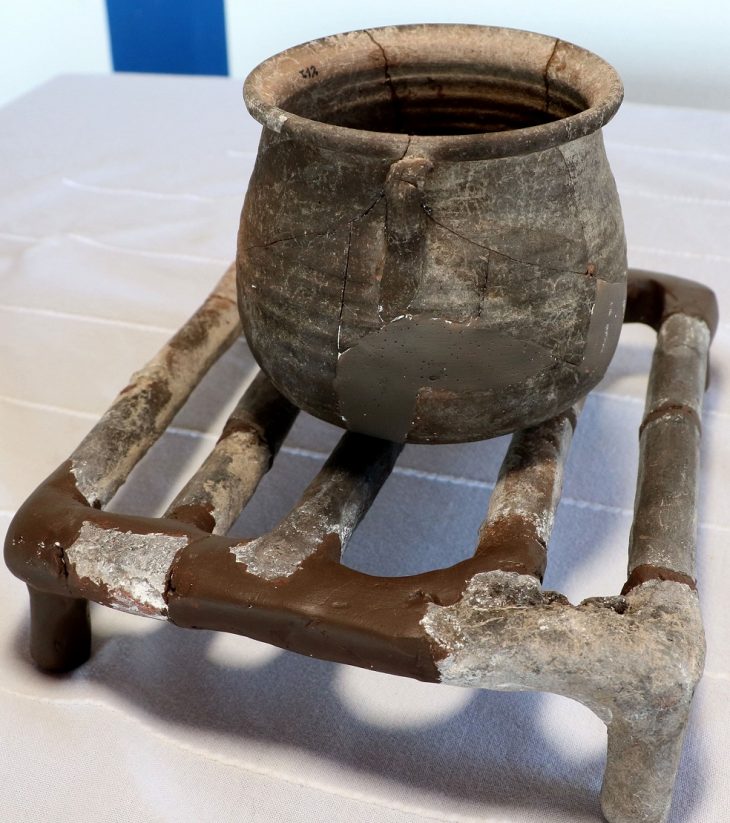
The variety of Islamic ceramics discovered is particularly noteworthy. These include vessels such as plates, jars, pots, and bottles, showcasing a wide range of forms and origins from across the Iberian Peninsula and the western Mediterranean. This diversity reflects the interconnected nature of the Islamic world during the Middle Ages.
Collaborative Effort and Future Research
The excavation involved a multidisciplinary team of archaeologists and researchers, supported by logistical assistance from the Cabrera Maritime-Terrestrial National Park. The project is funded by the European Union through the Horizon program of the European Research Council and is set to continue until 2029.
Future campaigns will focus on further exploring the Talayotic ceramics and clarifying the function of the Islamic-era features. Researchers hope that continued work at Sa Font will uncover additional layers of history, revealing how different cultures interacted and coexisted on this small but strategically significant island.
The discoveries at Cabrera underscore the island’s role as a historical crossroads in the Mediterranean. From the ancient Talayotic civilization to the Islamic period and beyond, each layer of excavation adds a new chapter to the story of human settlement in the region. As archaeologists continue to unearth these buried treasures, Cabrera is emerging as a key site for understanding the cultural and historical evolution of the Balearic Islands.
Cover Image Credit: Top-down view of the structures discovered at the Sa Font archaeological site in Cabrera. Raúl Guardiola