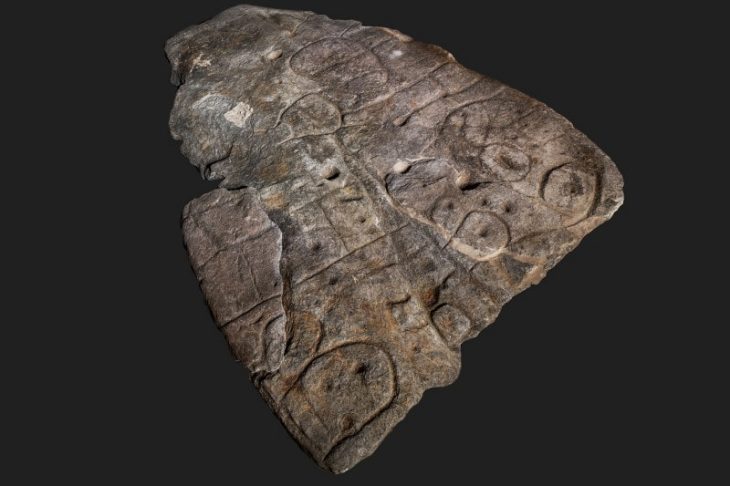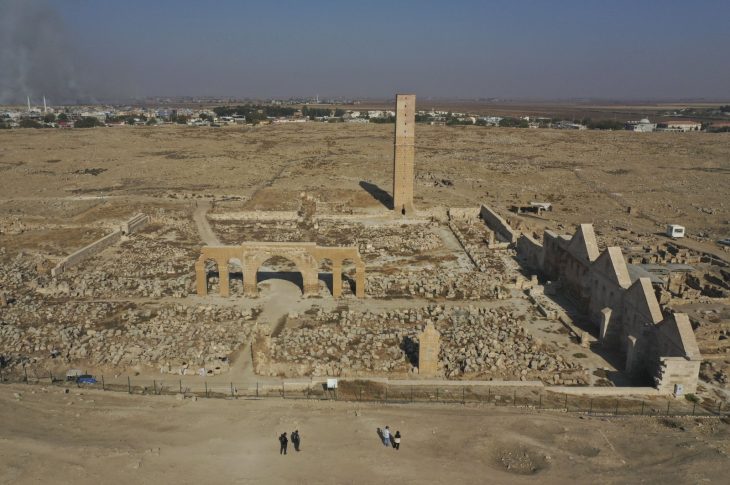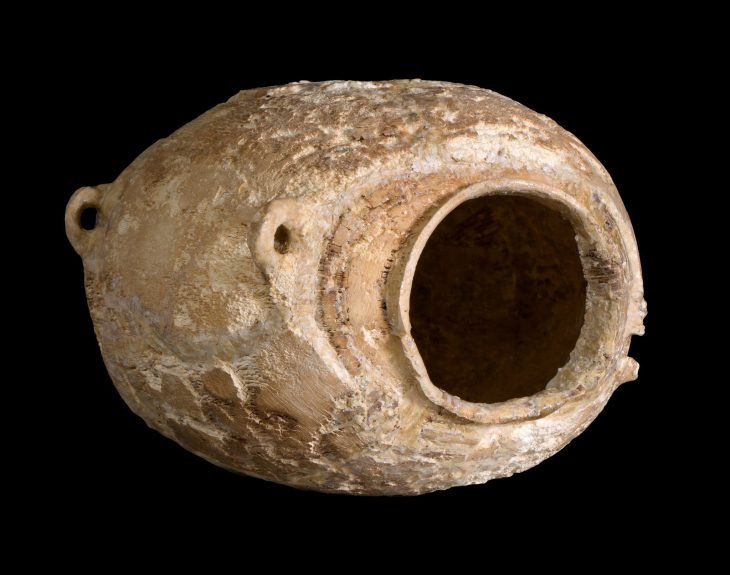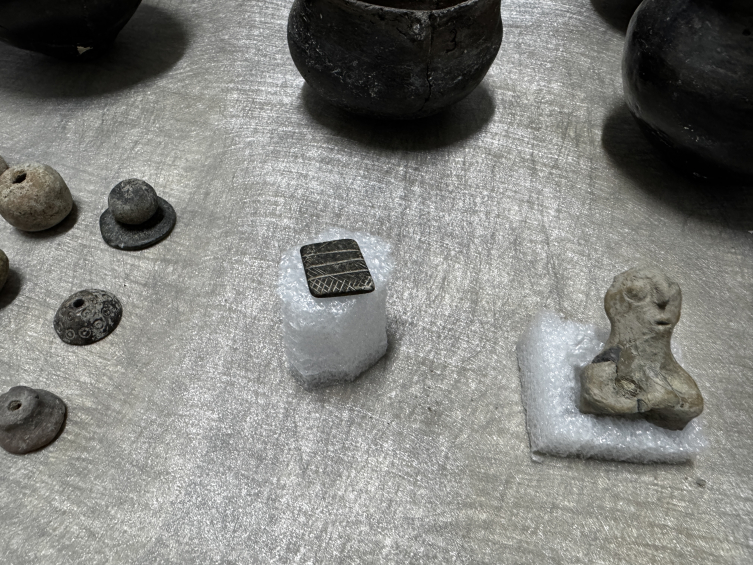
Archaeologists working at Tadım Castle and Höyük in Elazığ, eastern Türkiye, have uncovered a stone seal believed to be around 7,500 years old — a discovery that sheds new light on the deep cultural history of the Upper Euphrates Basin and confirms the region as one of Anatolia’s earliest settlement centers.
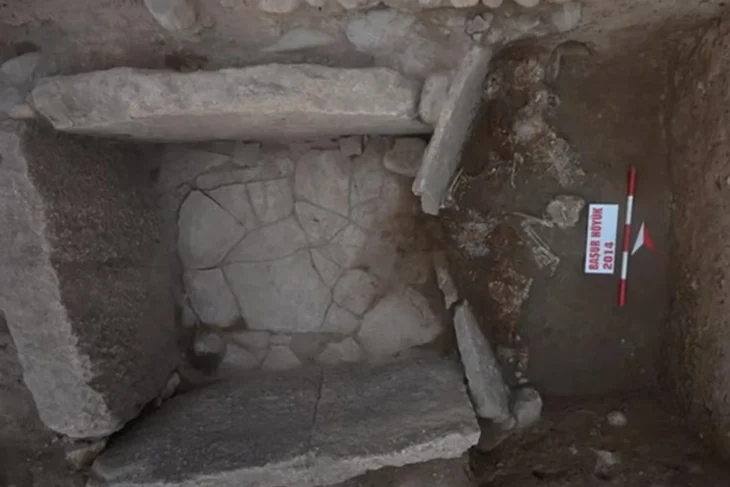
The excavations, carried out under the coordination of the Elazığ Museum Directorate and the Provincial Directorate of Culture and Tourism with the support of the Ministry of Culture and Tourism and the Governorship of Elazığ, form part of the national “Heritage for the Future Project.” The multi-layered mound at Tadım Höyük has revealed cultural remains stretching from the Ottoman and Seljuk eras back to the Neolithic period.
A Unique Artifact Linked to Identity, Ownership, and Early Social Organization
Governor Numan Hatipoğlu emphasized the exceptional nature of the seal within the context of discoveries made so far at Tadım Höyük.
“Among the finds unearthed in Tadım Village, we discovered a stone seal unlike anything previously seen in our city,” Hatipoğlu said. “It is believed that this seal may have been associated with ownership, property marking, or an early form of identity. Research is ongoing. This discovery indicates that civilization in our region dates back to approximately 7500 BCE. All of these finds show that Elazığ has been a settlement center since ancient times.”
The stone seal is currently preserved at the Elazığ Archaeology and Ethnography Museum, where specialists are conducting detailed analysis to better understand its function, symbolism, and possible administrative role within prehistoric society.
📣 Our WhatsApp channel is now LIVE! Stay up-to-date with the latest news and updates, just click here to follow us on WhatsApp and never miss a thing!!
Stone seals from this period are often interpreted as indicators of emerging economic organization, particularly in relation to grain storage, exchange systems, trade, or household ownership marks. The Tadım Höyük seal therefore, offers rare evidence of early social structure and proto-bureaucratic practices in prehistoric Anatolia.
Discovery of a Bull-Headed Altar Adds Ritual Dimension to the Site
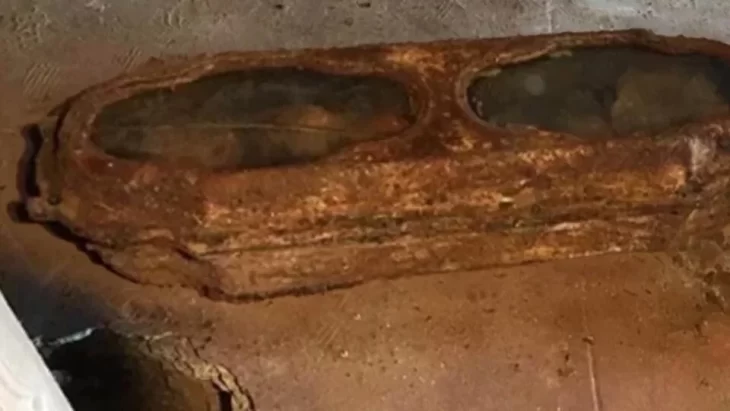
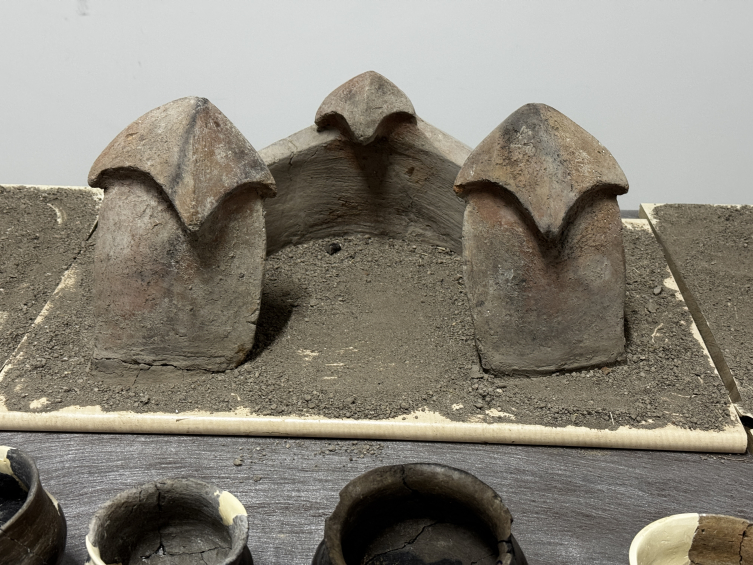
Beyond domestic and administrative remains, Tadım Höyük has also yielded striking ritual artifacts. Among the most remarkable is a 160 x 130-centimeter bull-headed altar dated to the Late Chalcolithic and Early Bronze Age.
The altar — featuring symbolic bull imagery associated with power, fertility, and communal ritual in ancient Near Eastern cultures — suggests that Tadım was not only a residential settlement but also a site with ceremonial and spiritual significance. Together with ritual hearths and stylized figurines found at the site, the altar strengthens interpretations of Tadım Höyük as a center where daily life and religious practice were deeply intertwined.
A Site Layered With History: From Neolithic Life to Early Urban Culture
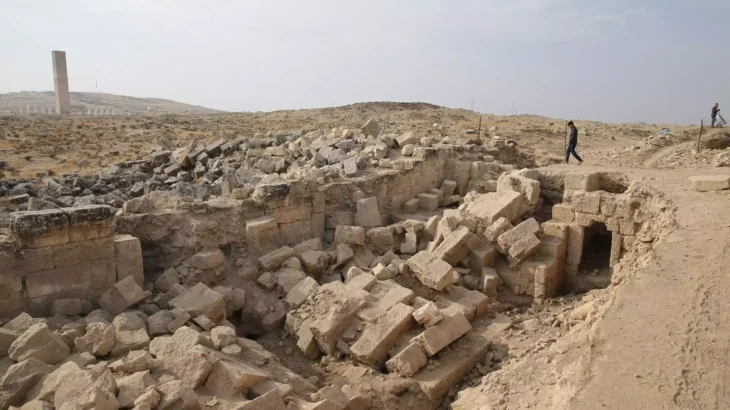
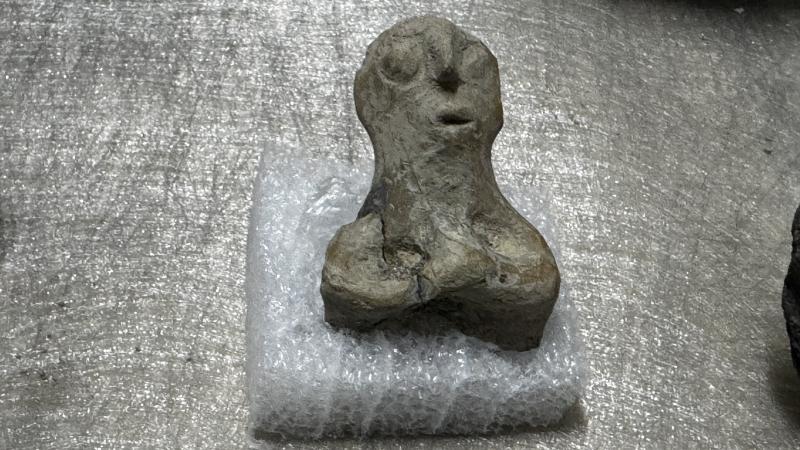
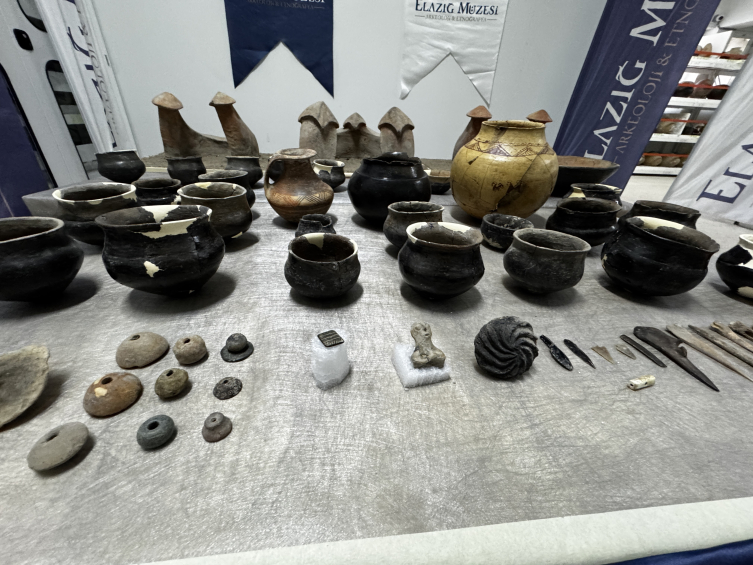
Tadım Höyük, located near Tadım village in the Fırat Basin, is one of the most important multi-layer archaeological mounds in Eastern Anatolia. The site occupies a strategic location along historical trade and migration routes connecting Mesopotamia, the Caucasus, and Central Anatolia. Previous seasons of excavations have uncovered Karaz-type ceramics, stylized figurines, geometric pottery, grain stamp seals, stone tools, arrowheads, ritual hearths, and a monumental bull-headed altar dated to the Late Chalcolithic and Early Bronze Age.
These findings suggest that Tadım Höyük was not only a domestic settlement but also a ritual, economic, and possibly administrative center. The presence of specialized pottery styles—shared with regions such as Nakhchivan and Erzurum—indicates cross-regional interaction and cultural exchange. Archaeologists believe the community may have played a role in early agricultural organization and trade networks in the Upper Euphrates Basin. The newly unearthed stone seal strengthens this interpretation.
Year-Round Conservation and Expanding Excavations
Excavation work at Tadım Castle and Höyük continues throughout the year with conservation, restoration, analysis, and documentation activities led by the Elazığ Museum Directorate. The project not only contributes to scientific research but also supports cultural tourism and regional heritage awareness.
Beyond Tadım Höyük, excavations across Elazığ— including Harput Castle, Palu Castle, and Salkaya village—have produced equally striking results. A Roman bath identified through ground-penetrating radar and a mosaic featuring animal figures are among the latest discoveries that add to the city’s archaeological richness. Plans are underway to expand excavation areas, establish visitor facilities, and enhance accessibility for cultural tourism in upcoming seasons.
Governor Hatipoğlu emphasized that uncovering and preserving such finds strengthens both historical knowledge and local identity. “As we continue working layer by layer, we expect even more significant archaeological outcomes for our province,” he noted.
Beyond domestic and administrative remains, Tadım Höyük has also yielded striking ritual artifacts. Credit: AA
Tadım Höyük: A Growing Focus for Global Archaeology
With its deep stratigraphy and rare artifacts, Tadım Höyük is increasingly recognized as a key reference site for researchers studying early Anatolian societies and the origins of organized settlement life. The site helps bridge gaps between Near Eastern civilizations and the emerging complex cultures of prehistoric Anatolia.
The discovery of the 7,500-year-old stone seal marks a milestone in this research journey—illuminating how early communities expressed identity, managed resources, and shaped the foundations of social organization long before written records emerged.
As excavations continue, Tadım Höyük is expected to shed even more light on the origins of culture in the Upper Euphrates Basin—firmly establishing Elazığ as one of the most important archaeological landscapes in Türkiye.
Cover Image Credit: AA