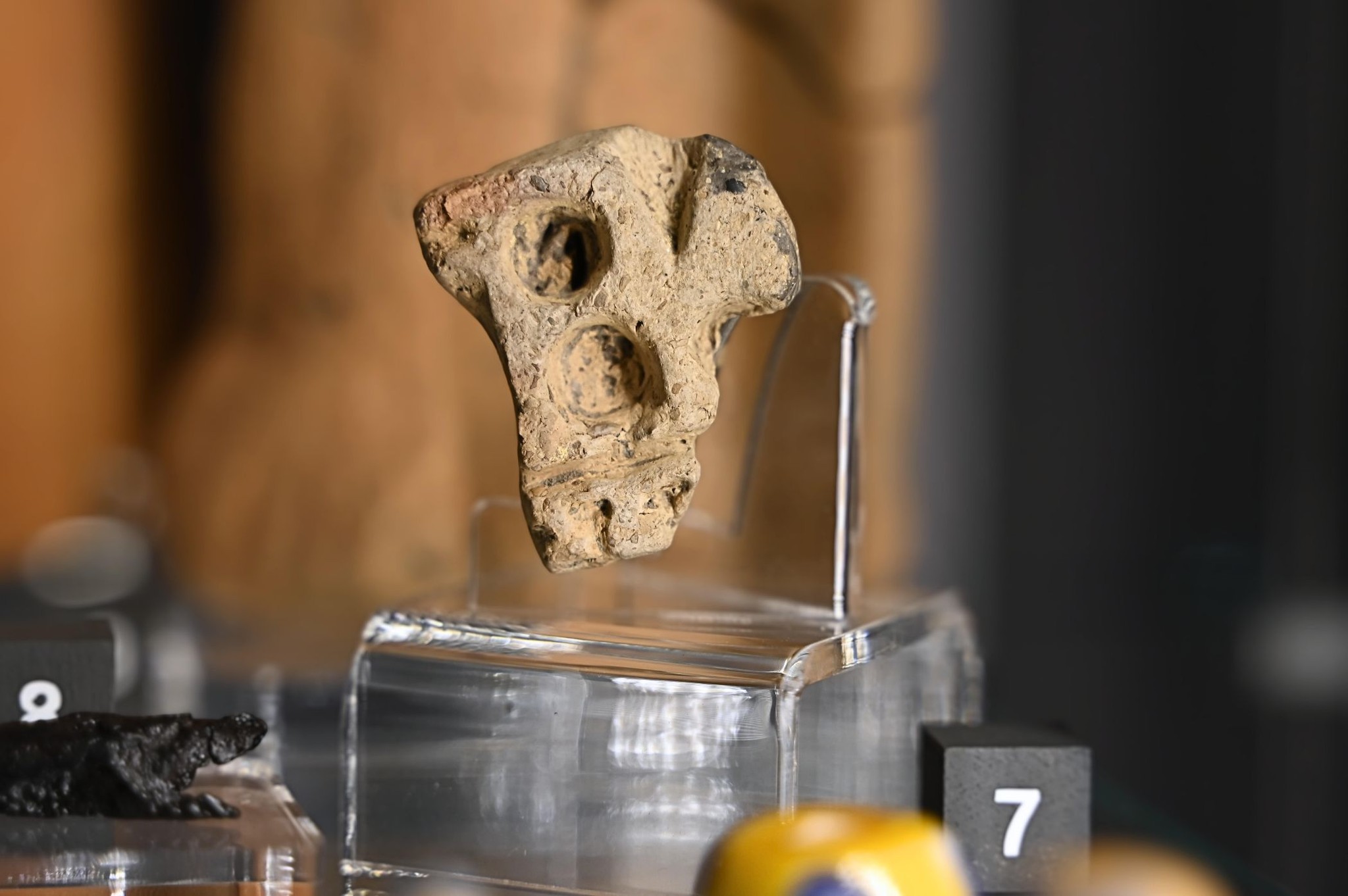
A mysterious clay artifact discovered near Jarosław in southeastern Poland may represent the first known pintadera ever found in the country. According to archaeologist Dr. Marcin Burghardt of the Muzeum w Jarosławiu Kamienica Orsettich, the 2,500-year-old object was likely used as a stamp for decorating textiles or applying pigment to the human body.
If confirmed, the find would mark a significant archaeological breakthrough, offering new insight into Iron Age cultural connections between present-day Poland and communities of the Carpathian Basin.
Discovery During Highway Excavations
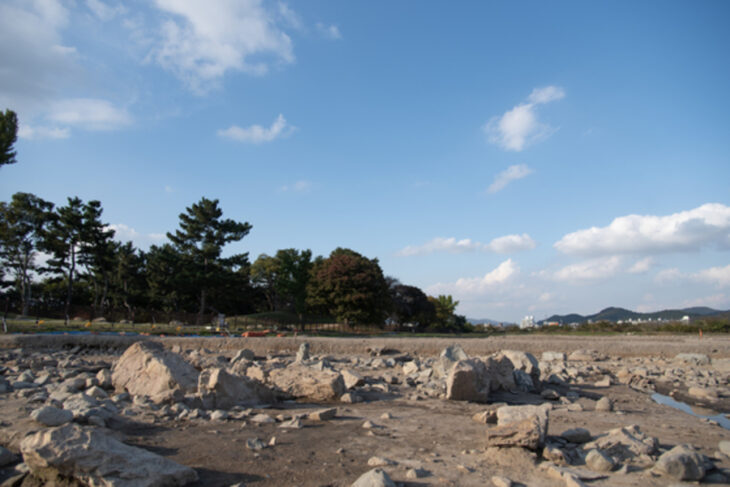
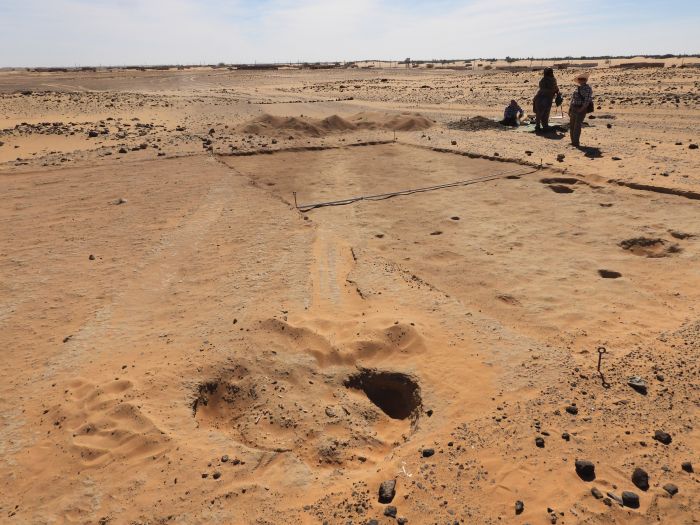
The artifact was unearthed in 2011 in the village of Nienowice, near Jarosław, during archaeological rescue excavations conducted ahead of the construction of the A4 motorway. The dig revealed the remains of a settlement dating from the 6th to the 3rd–2nd centuries BCE.
The settlement was initially inhabited by communities associated with the Pomeranian culture, who migrated to southeastern Poland from the northwest. From the 4th century BCE onward, evidence suggests the arrival of new populations connected with the Jastorf culture, often linked to early Germanic tribes such as the Bastarnae and the Scirii.
Among the many artifacts discovered at the site, one small clay object stood out for its unusual shape and decorative features.
📣 Our WhatsApp channel is now LIVE! Stay up-to-date with the latest news and updates, just click here to follow us on WhatsApp and never miss a thing!!
A Puzzling Object with Geometric Ornamentation
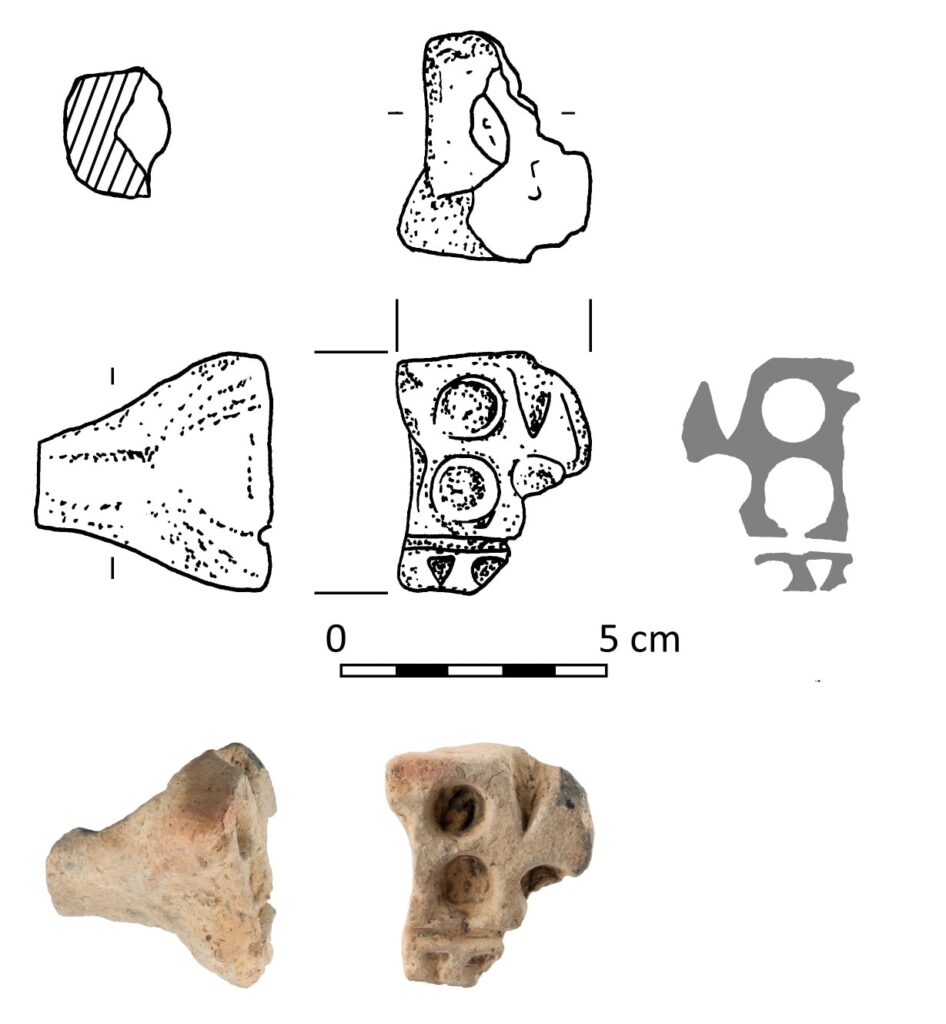
The artifact measures just 4.3 centimeters in height and takes the form of an irregular clay pyramid with concave sides and a broken handle. Its base—measuring 4.2 by 3.7 centimeters—is decorated with a geometric pattern composed of incised lines and triangular and circular indentations.
Due to its fragmentary condition and atypical form, the artifact’s function was initially difficult to determine. Early interpretations suggested it may have been part of a clay figurine or a so-called “fire animal” pedestal—objects known from Jastorf culture contexts and associated with fire worship or domestic cult practices.
However, further analysis led Dr. Burghardt to propose a different interpretation.
Evidence Points to a Pintadera
The object’s flat working surface, carved decorative pattern, and traces of a handle closely resemble clay stamps known as pintaderas. Such objects are particularly characteristic of communities from the Great Hungarian Plain during the Early Iron Age, associated with the Vekerzug culture.
These pintaderas are generally dated to the 6th and early 5th centuries BCE. In some scholarly interpretations, the Vekerzug culture is linked to the ancient tribe of the Sigynnae, described by classical historians such as Herodotus and Strabo.
Clay pintaderas have frequently been found in female graves, often accompanied by stone palettes, pigment lumps, and bone cosmetic containers. This context has led researchers to believe they may have formed part of a prehistoric “toilet set,” used either for body decoration or for applying patterns to textiles.
How Was the Stamp Used?
The Nienowice stamp appears to be a negative-type pintadera, meaning it would not directly apply a raised design but rather create a background effect. According to Dr. Burghardt, it may have been used to apply wax or resin onto fabric. The treated textile would then be immersed in dye, leaving the wax-covered areas undyed and producing geometric motifs composed of circles and triangles.
This technique resembles early forms of resist dyeing, a process known in various ancient cultures.
Researchers do not exclude the possibility that the object may also have played a role in ritual or magical practices, given the symbolic nature of geometric ornamentation in prehistoric societies.
First Pintadera Found in Poland
While pintaderas are known from regions of the Carpathian Basin, this is the first time such an object has been identified on Polish soil. Dr. Burghardt emphasizes that although it is the only example of its kind discovered in Poland so far, it is not the only artifact from Nienowice indicating contact with the Vekerzug cultural sphere.
Other discoveries at the site include striking yellow glass beads, distinctively shaped spindle whorls used in textile production, and some of the earliest pottery in Poland produced using a potter’s wheel. These finds collectively suggest active long-distance exchange networks and technological transmission during the Early Iron Age.
Jarosław Region: A Prehistoric Crossroads
Konrad Sawiński, director of the Muzeum w Jarosławiu Kamienica Orsettich, noted that this is not the first discovery in the Jarosław area to be described as “the first of its kind in Poland.”
According to Sawiński, such finds demonstrate that the region was a dynamic center of cultural development long before the medieval founding of the city. Far from being a peripheral zone, southeastern Poland appears to have been integrated into broader European cultural networks more than two millennia ago.
The discovery also underscores the importance of rescue archaeology conducted ahead of infrastructure projects. Without the motorway excavations, this remarkable artifact might never have come to light.
Artifact on Public Display
Visitors can view the clay stamp—believed to be Poland’s first pintadera—at the permanent exhibition of the Muzeum w Jarosławiu Kamienica Orsettich. The display offers a rare opportunity to see firsthand an object that may redefine understanding of Iron Age cultural connections in Central Europe.
As further research continues, archaeologists hope to confirm the artifact’s function definitively. Whether used for textile decoration, body art, or ritual practice, the small clay object from Nienowice is already reshaping perspectives on prehistoric Poland’s place within ancient European networks.
Cover Image Credit: Muzeum w Jarosławiu Kamienica Orsettich via Facebook