For centuries, ancient texts have described powerful cities, wealthy capitals, and sacred trade centers that once shaped human civilization. While archaeology has uncovered many remarkable sites, some of the most important cities mentioned in ancient writings have never been located. Wars, climate change, shifting rivers, and the passage of time have erased their physical traces, leaving scholars to rely on inscriptions, tablets, and historical accounts.
Here are seven ancient cities mentioned in early texts whose exact locations remain unknown, followed by other legendary lost cities that continue to puzzle researchers.
- Irisagrig: The City Known Only Through Tablets
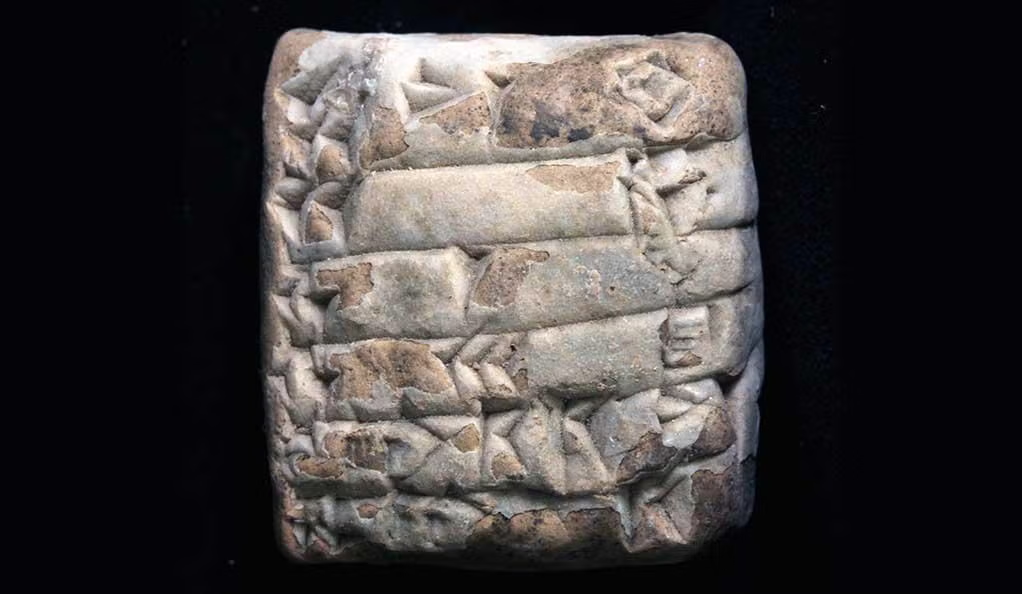
Irisagrig is known almost entirely from Sumerian administrative tablets dating back nearly 4,000 years. These texts surfaced on the antiquities market after the 2003 invasion of Iraq, suggesting the city was looted before archaeologists could document it.
The tablets describe a prosperous city with royal palaces, kennels filled with dogs, and a temple dedicated to Enki, the god of wisdom and water. Despite detailed records of daily life, festivals, and religious practices, the physical ruins of Irisagrig have never been found, and its location remains undisclosed.
- Itjtawy: Egypt’s Missing Middle Kingdom Capital
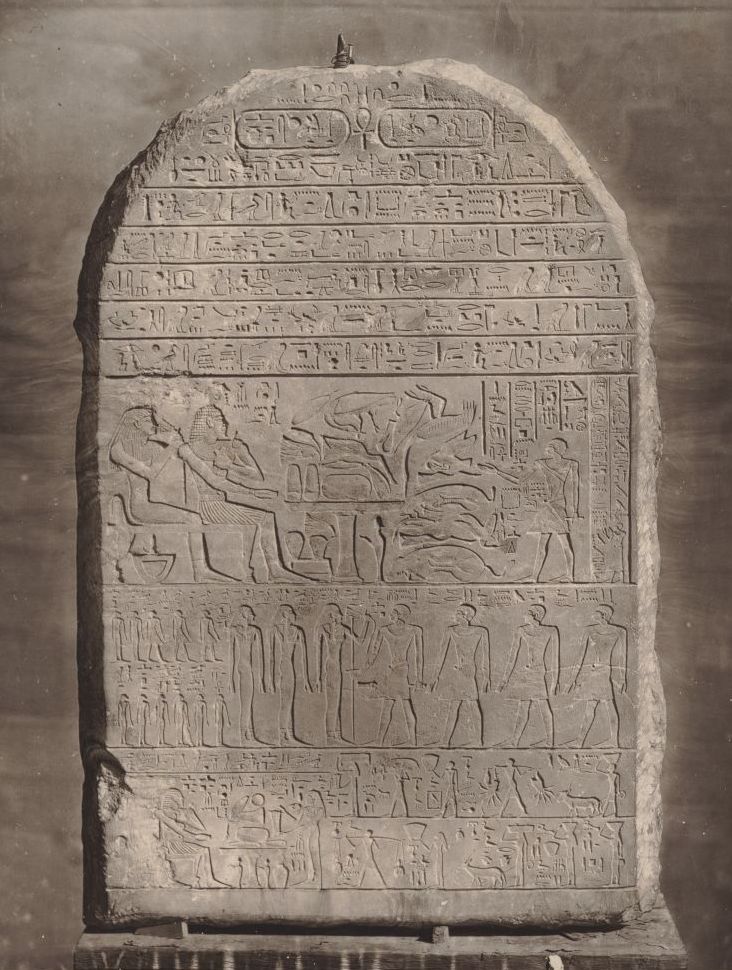
Founded by King Amenemhat I around 1980 BCE, Itjtawy served as the capital of Egypt during the Middle Kingdom. Ancient Egyptian texts portray it as a symbol of political unity following years of instability. Unlike earlier capitals rooted in religious tradition, Itjtawy appears to have been deliberately placed to control both Upper and Lower Egypt, reflecting a new model of centralized governance.
📣 Our WhatsApp channel is now LIVE! Stay up-to-date with the latest news and updates, just click here to follow us on WhatsApp and never miss a thing!!
Ancient texts suggest that Itjtawy functioned as a bureaucratic and military hub, housing royal residences, administrative offices, and possibly training centers for officials. The city oversaw extensive irrigation projects and agricultural redistribution, which helped stabilize Egypt after a period of political fragmentation.
Although its exact location remains unknown, archaeological clues—such as Middle Kingdom cemeteries, inscriptions, and administrative records—indicate that Itjtawy likely stood near the Faiyum region or the Memphite area, close to major Nile routes. After the decline of the Middle Kingdom, the city gradually disappeared from historical records, possibly abandoned or absorbed by later settlements.
Despite its disappearance, Itjtawy played a crucial role in shaping the classical Middle Kingdom state, influencing later royal capitals in both layout and administrative structure.
- Akkad: Capital of the First Empire
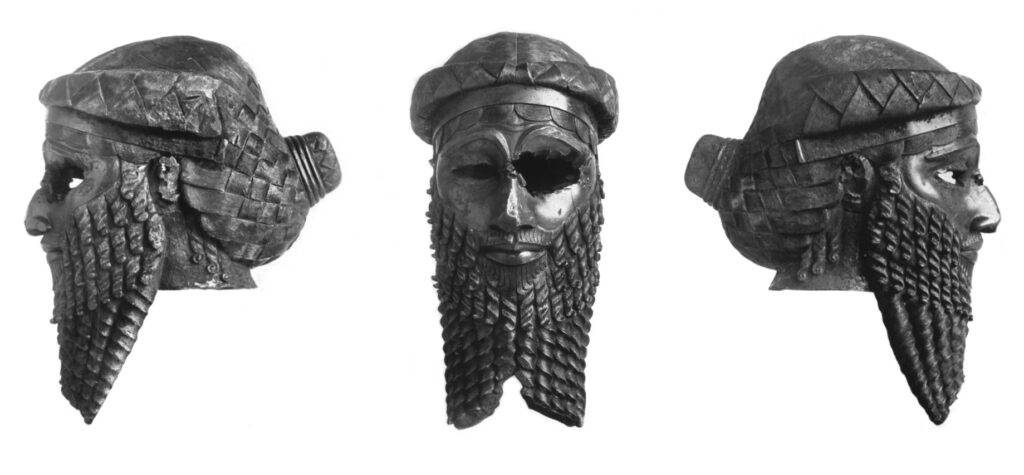
Akkad (Agade) holds a unique place in history as the capital of the world’s first known empire. Founded around 2300 BCE by Sargon of Akkad, the city became the political, military, and ideological heart of an empire that unified Mesopotamia under a single ruler for the first time.
Unlike many ancient capitals, Akkad is known almost entirely through royal inscriptions, administrative tablets, and later Mesopotamian chronicles. These texts describe Akkad as a city favored by the goddess Inanna, whose main temple, the Eulmash (Ulmas) Temple, played a central role in state ideology. Kings claimed divine support through rituals performed there, reinforcing Akkad’s authority over distant regions.
Akkad was not only a military center but also a bureaucratic innovation hub. Akkadian became the first widely used international diplomatic language, replacing Sumerian in many official contexts. Clay tablets record standardized taxation, ration distribution, and provincial governance—systems that influenced later Assyrian and Babylonian administrations.
One of the most intriguing aspects of Akkad is its mysterious collapse around 2150 BCE. Later texts refer to the “Curse of Akkad,” a literary composition blaming the empire’s fall on divine punishment after King Naram-Sin allegedly offended the gods. Modern research suggests that severe drought and climate instability may have played a decisive role, disrupting agriculture and trade networks.
Despite intensive surveys in Iraq, Akkad has never been identified archaeologically. Scholars believe the city may lie beneath later settlements, river sediments, or modern urban areas, possibly near the ancient course of the Euphrates. Continuous habitation in Mesopotamia may have erased visible traces of the city.
Although Akkad itself remains undiscovered, its influence is unmistakable. The concept of empire, centralized kingship, and state-controlled religion all trace their roots back to Akkad. Later Mesopotamian rulers continued to invoke Akkad’s name as a symbol of legitimate power long after the city vanished.
- Washukanni: The Elusive Mitanni Capital
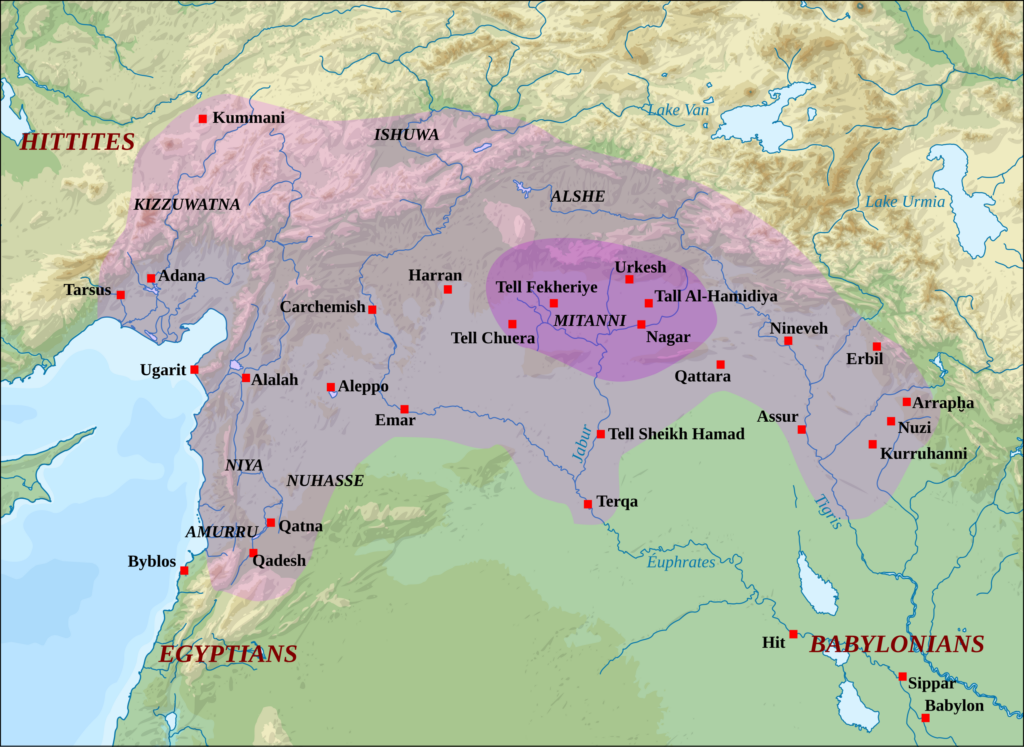
Washukanni was the capital of the Mitanni Empire, a powerful state that dominated parts of northern Mesopotamia between 1550 and 1300 BCE.
Washukanni is primarily known from Hittite, Egyptian, and Assyrian diplomatic texts, including royal letters and international treaties. These sources suggest that the city was not only a political capital but also a key diplomatic center during the Late Bronze Age.
One of the most intriguing aspects of Washukanni is its association with Indo-Aryan royal names and deities, such as Mitra, Varuna, and Indra, which appear in Mitanni treaties. This indicates a culturally diverse elite ruling over a largely Hurrian-speaking population.
Some scholars propose that Washukanni may have been located near a major river or water source, as its name is sometimes interpreted as meaning “source of good water.” Despite archaeological surveys in northeastern Syria, no site has been definitively identified as the Mitanni capital.
- Thinis: The City of Egypt’s Earliest Kings
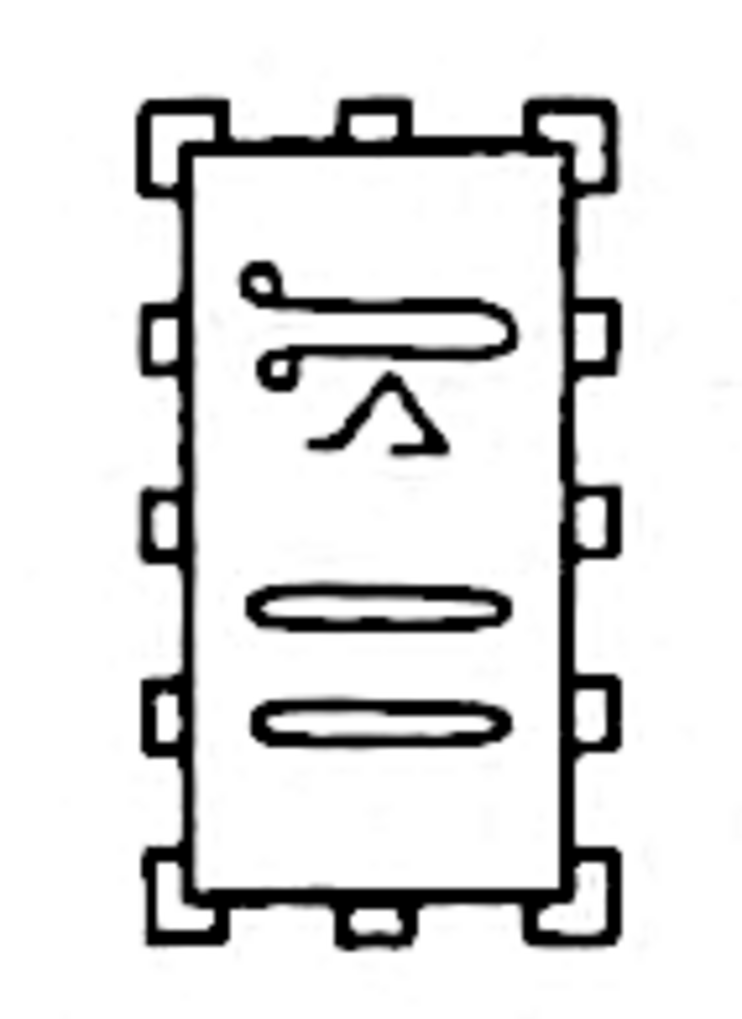
Thinis (also called Tjenu) appears in ancient Egyptian records as a major political center during the early dynastic period. According to later historians, some of Egypt’s first kings ruled from this city during the unification of the country around 3000 BCE.
Thinis occupies a unique place in Egyptian history as a political center before the rise of Memphis. Early Egyptian king lists and later historians suggest that Thinite rulers were instrumental in the unification of Upper and Lower Egypt.
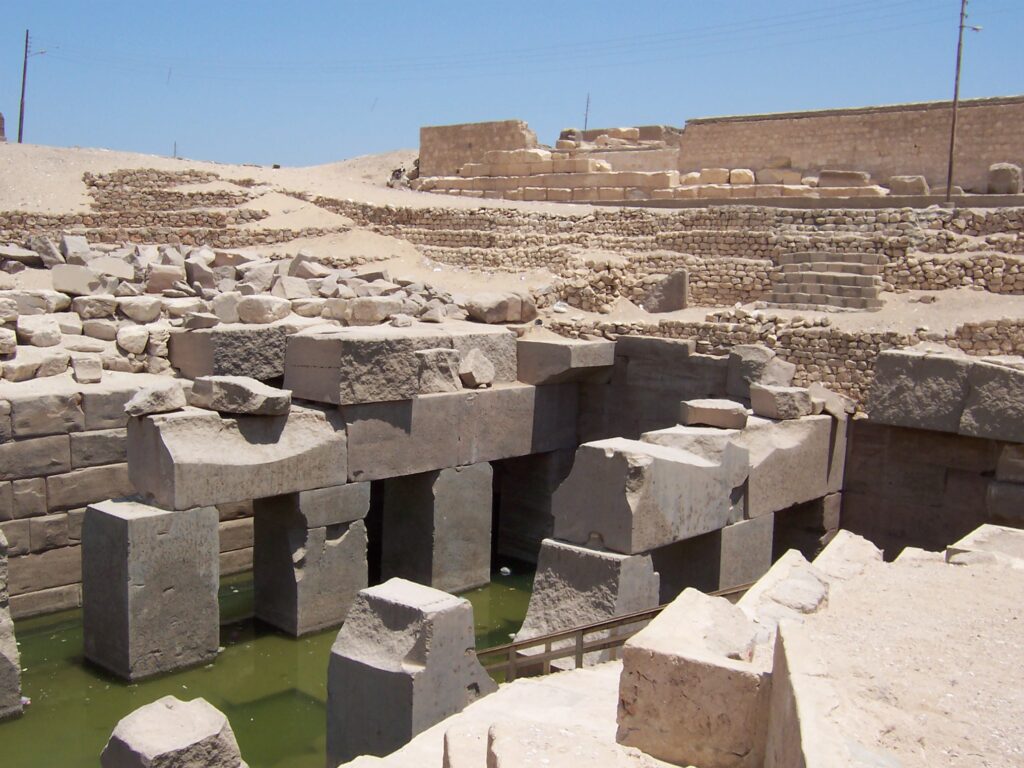
Although the city itself has never been found, its influence is evident in the nearby royal cemeteries of Abydos, where some of the earliest dynastic tombs are located. These burials indicate a highly organized elite society capable of state formation.
Thinis is also significant for giving its name to the Thinite Period, a formative phase in Egyptian civilization. After losing its status as a capital, the city appears to have continued as a religious and administrative center, gradually fading from historical records while leaving behind a lasting legacy.
- Aratta: The Wealthy Rival of Uruk
Aratta is mentioned in Sumerian epic texts, particularly in stories describing diplomatic conflicts with the city of Uruk. It is portrayed as a distant land rich in precious metals, skilled craftsmanship, and monumental architecture.
Whether Aratta was a real city or a legendary ideal remains debated. Possible locations include the Iranian Plateau or eastern Anatolia, but no archaeological evidence has confirmed its existence.
- Punt: The Land of the Gods
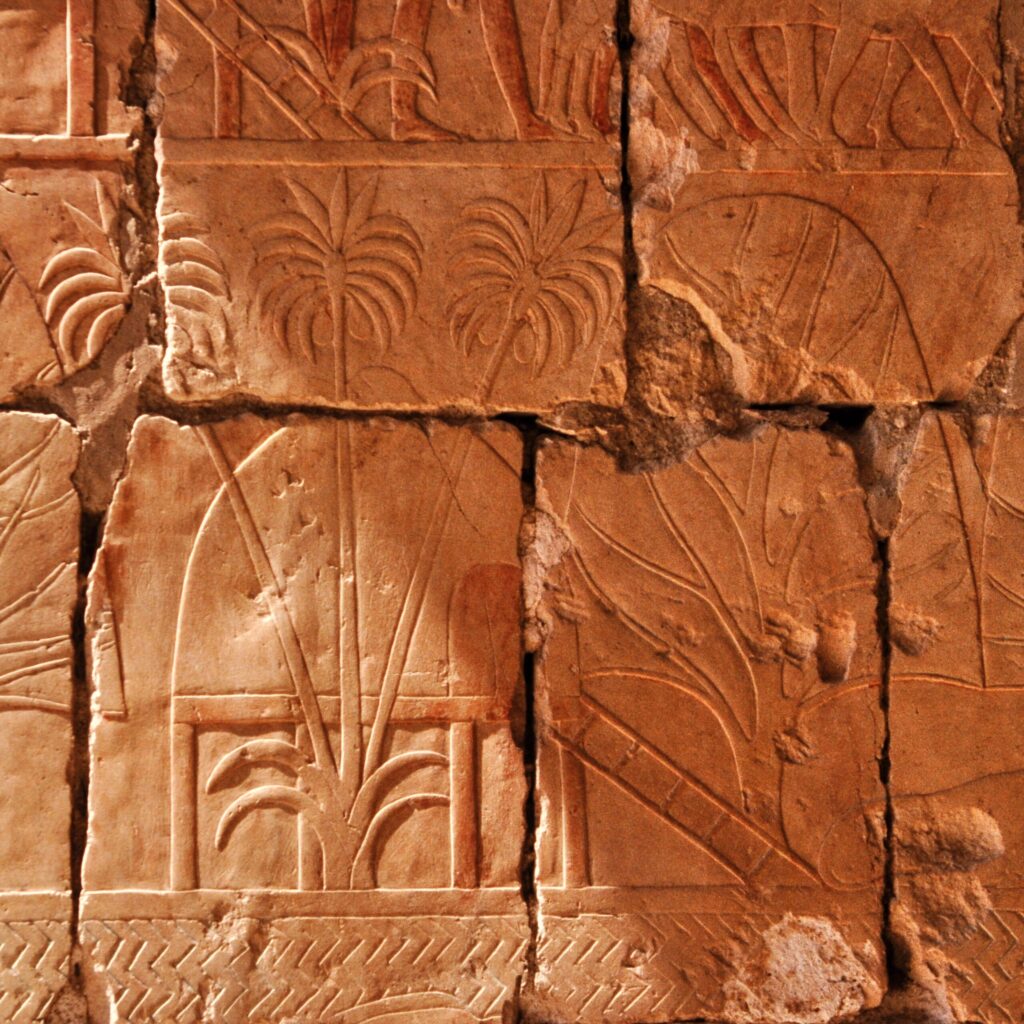
The Land of Punt is frequently mentioned in ancient Egyptian inscriptions as a vital trade partner supplying gold, incense, ebony, and exotic animals. Reliefs from the reign of Queen Hatshepsut depict detailed trade expeditions to Punt.
Despite these vivid depictions, Punt’s exact location remains unknown. Theories place it somewhere in the Horn of Africa or southern Arabia, but no city definitively identified as Punt has been found.
More details
This relief depicts incense and myrrh trees obtained by Hatshepsut’s expedition to Punt. Credit: Wikipedia Commons
Other Legendary Lost Cities in Ancient Sources
Beyond these seven, ancient literature speaks of other mysterious places whose existence remains uncertain. Dilmun, mentioned in Sumerian texts as a sacred trade hub, is associated with Bahrain, yet its capital city has not been clearly identified. Thule, described by Greek and Roman writers as the northern edge of the known world, may represent a real settlement or a symbolic boundary rather than a single city.
Perhaps the most famous of all is Atlantis, described by Plato as a technologically advanced civilization that vanished beneath the sea. While often considered mythical, Atlantis continues to inspire debate and exploration.
A Past Still Buried
These lost cities demonstrate how written history can survive long after physical structures disappear. Advances in satellite imagery, remote sensing, and artificial intelligence may one day reveal their locations. Until then, they remain among archaeology’s greatest mysteries—silent cities waiting to be rediscovered.
Cover Image Credit: Yale News