Archaeologists in Germany have uncovered the first confirmed Roman marching camps in Saxony-Anhalt, providing groundbreaking evidence of Roman military operations far beyond the Rhine frontier in the early 3rd century AD.
For the first time, researchers have identified Roman marschlager—temporary marching camps—at several sites in Saxony-Anhalt, eastern Germany. The discoveries near Aken, Trabitz, and Deersheim mark the northeasternmost Roman military camps ever documented in what was once known as free Germania. The findings significantly expand current knowledge of Roman military strategy and challenge long-held assumptions about the limits of Roman campaigns east of the Rhine.
Archaeological Breakthrough in Central Germany
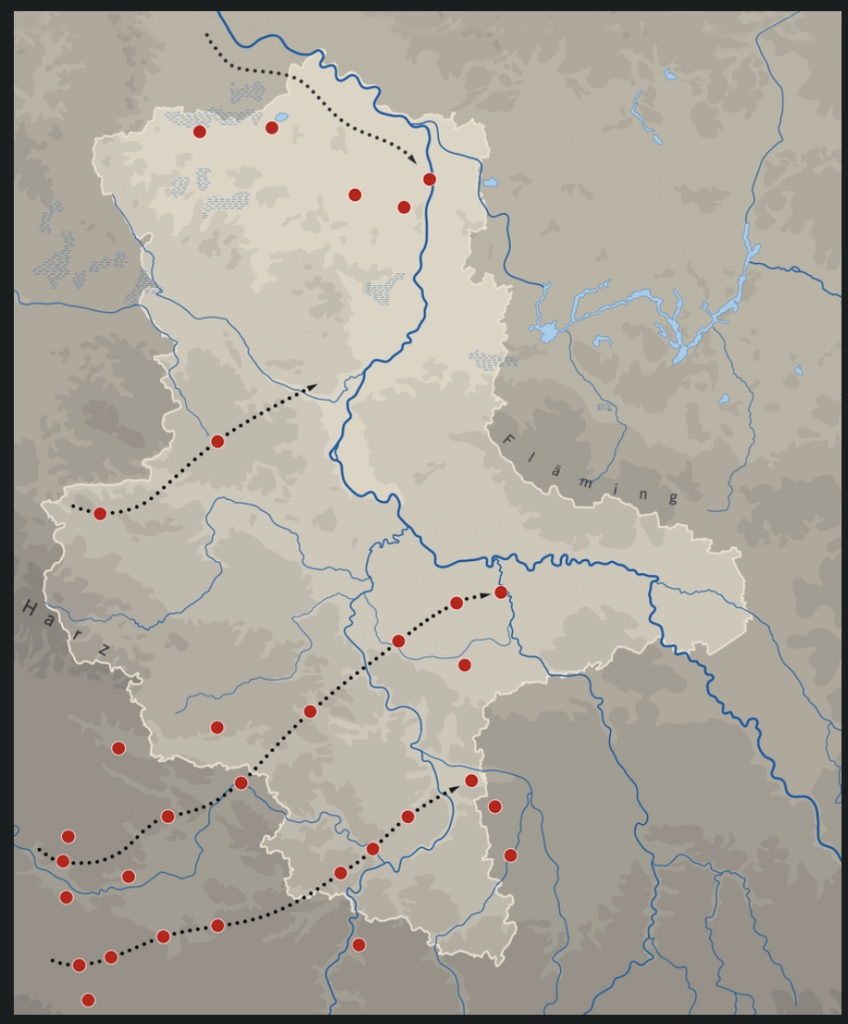
The newly identified camps are located between the northern Harz Mountains and the Elbe River, in the modern districts of Anhalt-Bitterfeld, Salzlandkreis, and Harz. According to the State Office for Heritage Management and Archaeology of Saxony-Anhalt (LDA), the camps date to the early 3rd century AD, approximately 1,800 years ago.
State archaeologist Harald Meller described the discovery as an archaeological sensation, noting that these are the most northeasterly Roman marching camps ever found in the region. Until now, Roman activity in Saxony-Anhalt had been inferred mainly from coin finds and isolated military artifacts. The absence of structural evidence had left many Roman campaigns mentioned in ancient sources archaeologically unproven.
What Are Roman Marching Camps?
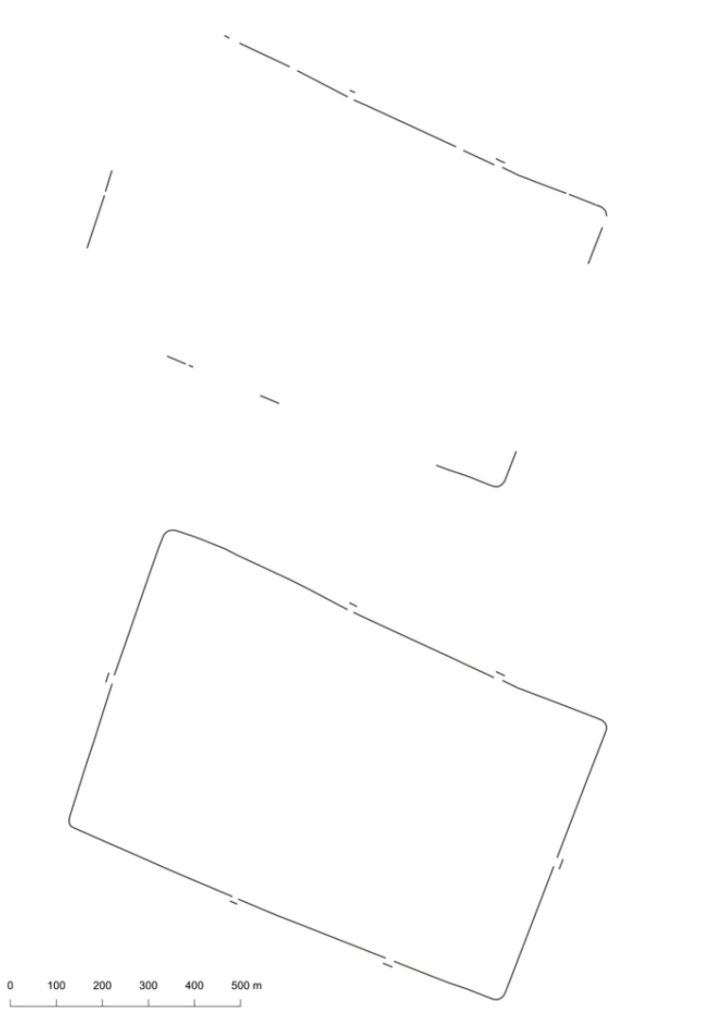
Roman marching camps were highly standardized temporary military installations, constructed by legions at the end of each day’s march. They typically featured a rectangular layout with rounded corners, V-shaped defensive ditches (fossa fastigata), controlled entrances, and characteristic outer obstacles known as titula. Inside, the camps followed a strict internal road system centered on the command headquarters (principia).
📣 Our WhatsApp channel is now LIVE! Stay up-to-date with the latest news and updates, just click here to follow us on WhatsApp and never miss a thing!!
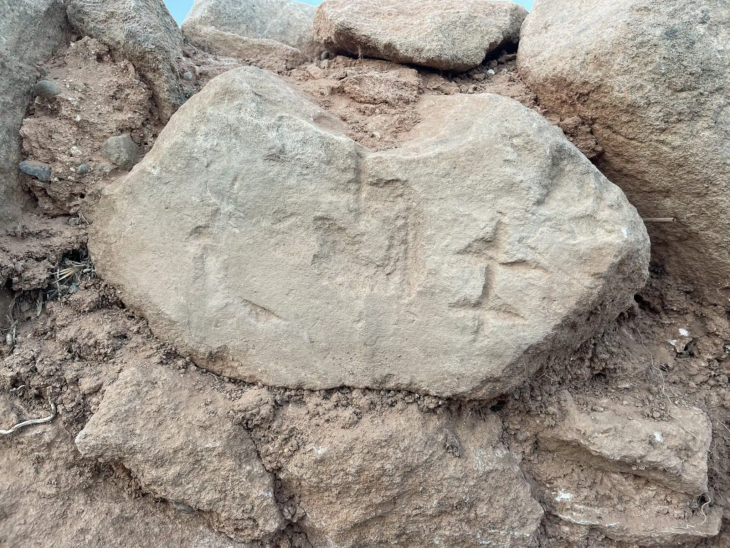
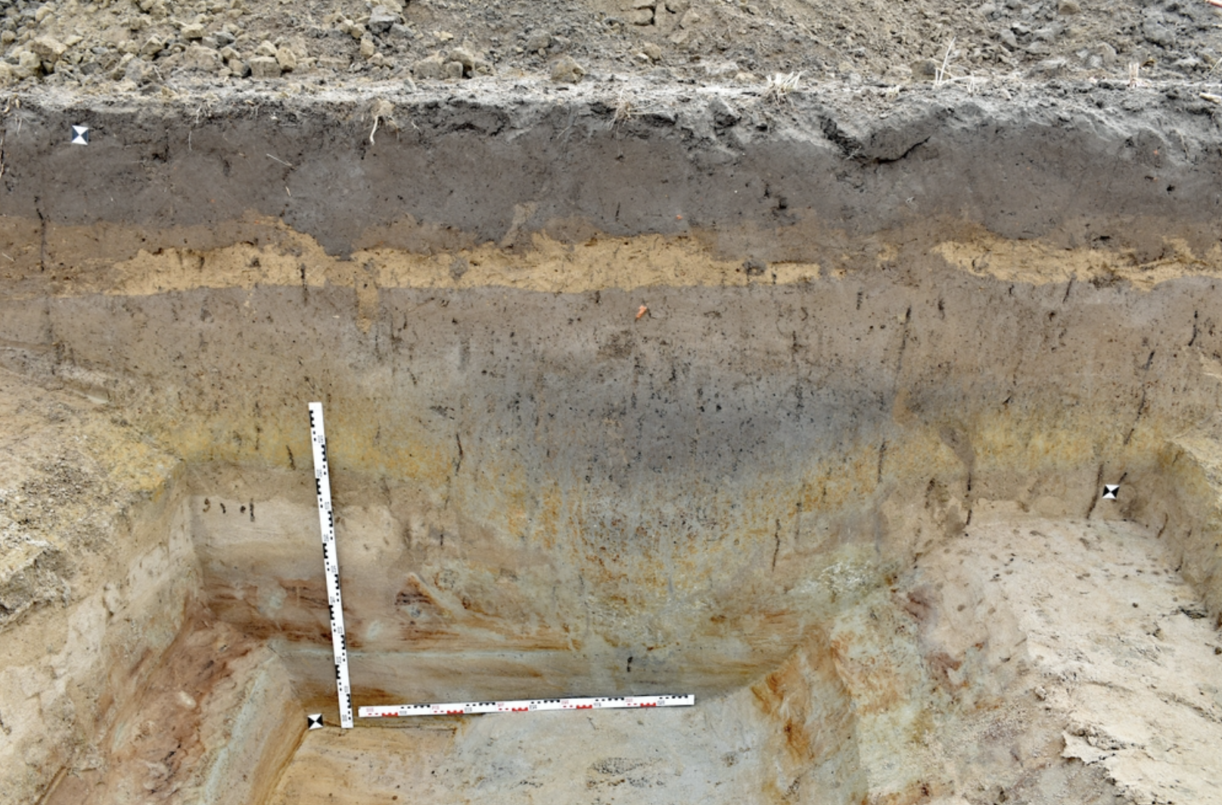
The camps discovered in Saxony-Anhalt show all these defining features. Excavations revealed defensive ditches up to 1.8 meters wide and more than 1.5 meters deep, confirming their Roman origin beyond doubt.
Discovery Through Aerial and Remote Sensing Technology
The sites were identified using a combination of satellite imagery, aerial photography, geophysical surveys, and targeted excavations. The distinctive geometric ditch patterns stood out clearly in digital orthophotos, allowing archaeologists to differentiate them from prehistoric or medieval features.
Volunteer heritage researchers played a crucial role in spotting and reporting the initial anomalies. Subsequent investigations by professional archaeologists confirmed the presence of Roman military architecture at all three locations.
Coins, Artifacts, and Precise Dating
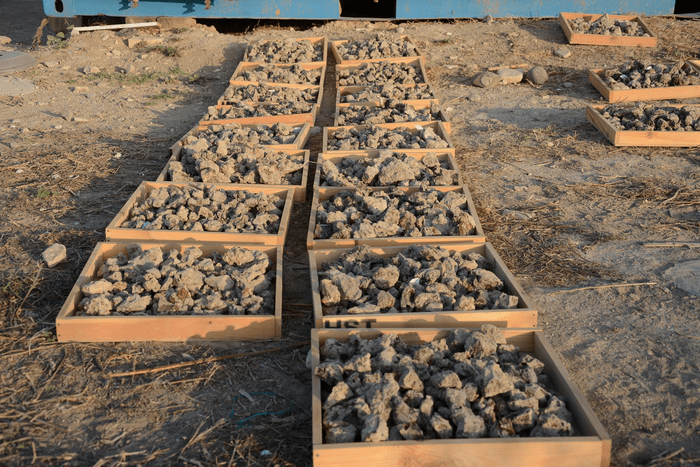
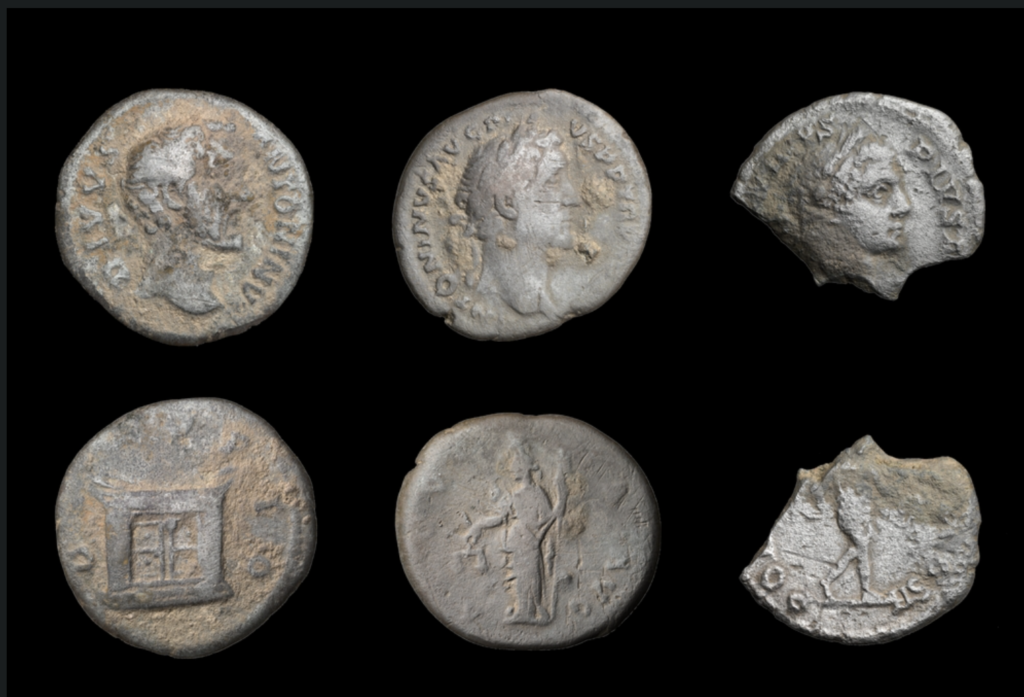
More than 1,500 metal finds were recorded during systematic surveys, including iron nails from legionary sandals, bolts, fibula fragments, and Roman coins. Particularly significant was a silver denarius of Emperor Caracalla (reigned 211–217 AD) discovered at the Trabitz site. This coin serves as a terminus post quem and strongly supports a dating to the early 3rd century.
Radiocarbon analyses further corroborate this timeframe, indicating that the camps were likely used during a period of renewed Roman military activity deep inside Germanic territory.
Rethinking Roman-Germanic Warfare After Varus
For centuries, the Roman defeat in the Battle of the Teutoburg Forest in 9 AD was seen as the definitive end of Roman ambitions east of the Rhine. While the Romans abandoned plans for permanent occupation, the new findings demonstrate that large-scale military operations continued well beyond the imperial frontier long after the disaster.
Ancient sources mention Roman punitive expeditions and defensive campaigns against emerging Germanic confederations in the 3rd century. One late Roman account describes a campaign under Emperor Maximinus Thrax that penetrated hundreds of miles into Germanic lands. Another possible historical context is Caracalla’s campaign of 213 AD, previously thought to have taken place mainly near the Roman border.
The Saxony-Anhalt camps suggest these campaigns reached much further northeast than previously assumed.
Implications for Roman Military History
“These discoveries allow archaeology to confirm Roman military operations that are only vaguely described in historical texts,” Meller explained. Until now, scholars largely located 3rd-century Roman-Germanic conflicts close to the limes, the fortified Roman border system. The new evidence forces a reassessment of Roman strategic mobility and intelligence in central Europe.
The roughly similar dimensions of the camps at Aken and Trabitz also suggest a coordinated campaign involving multiple marching stages, consistent with a large legionary force advancing along established routes.
Future Research and Broader Significance
The LDA Saxony-Anhalt plans to continue intensive research at the sites, including further excavations and landscape analysis. The goal is to better understand Roman troop movements, logistics, and interactions with Germanic groups in the Middle Elbe–Saale region.
If the camps are conclusively linked to Caracalla’s campaigns, historians may need to revise prevailing interpretations of Roman warfare in the 3rd century. More broadly, the discoveries highlight how modern remote sensing and interdisciplinary archaeology can transform knowledge of ancient history.
A New Chapter in the Roman-Germanic Frontier Story
The Roman marching camps of Saxony-Anhalt represent a major step forward in understanding Rome’s northern strategy. Far from marking an absolute boundary, the Rhine frontier now appears to have been a launch point for deep and sustained military incursions into Germania—long after Rome officially renounced territorial conquest.
As research continues, these camps promise to reshape the historical map of Roman Europe and offer rare, tangible insight into one of antiquity’s most contested borderlands.
Landesamt für Denkmalpflege und Archäologie Sachsen-Anhalt
Cover Image Credit: Profile of a characteristic Roman V-shaped ditch (fossa fastigata), marching camp of Aken 1. State Office for Heritage Management and Archaeology of Saxony-Anhalt, Thomas Koiki.