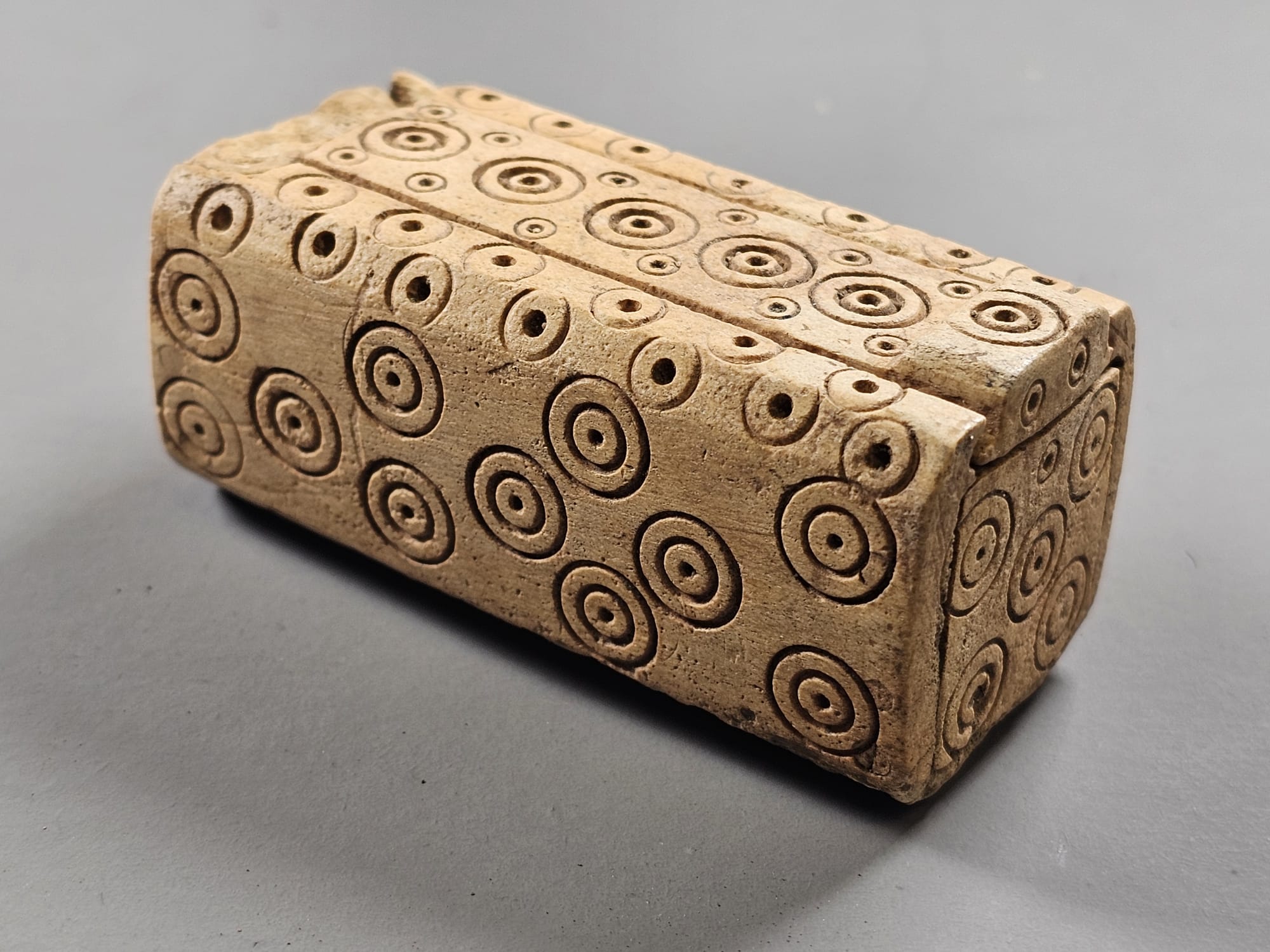
Archaeologists in England have uncovered an extraordinary artefact that is reshaping our understanding of daily life and burial practices in Late Roman Britain. A rare and finely crafted bone box, unlike anything previously recorded, has been discovered in a Roman-era grave at the Milestone Ground site in Broadway, Worcestershire.
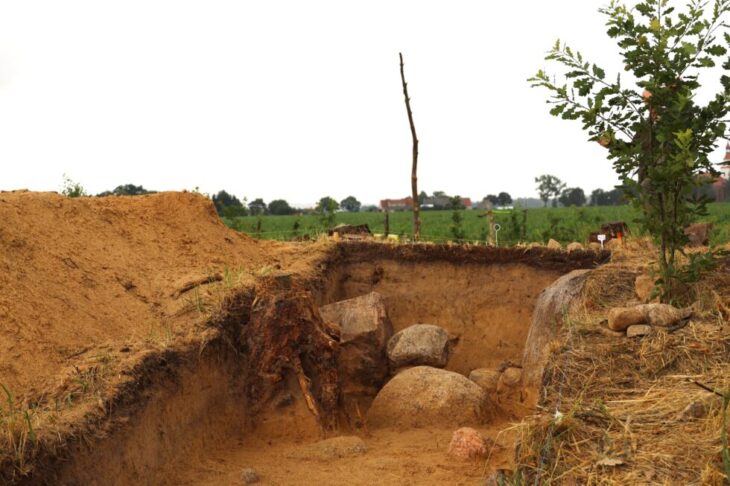
The discovery was made during an archaeological excavation led by Worcestershire Archaeology ahead of planned development in the north Cotswolds. The site has revealed evidence of continuous human activity spanning approximately 8,000 years, from the Mesolithic period through Roman occupation and into the Anglo-Saxon Middle Ages. While many important finds were uncovered, this unique Roman bone box has emerged as the most remarkable.
A One-of-a-Kind Late Roman Artefact
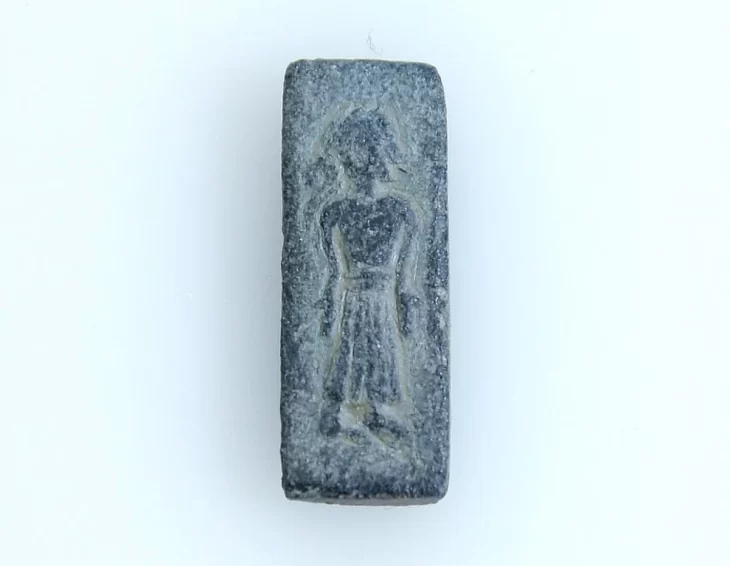
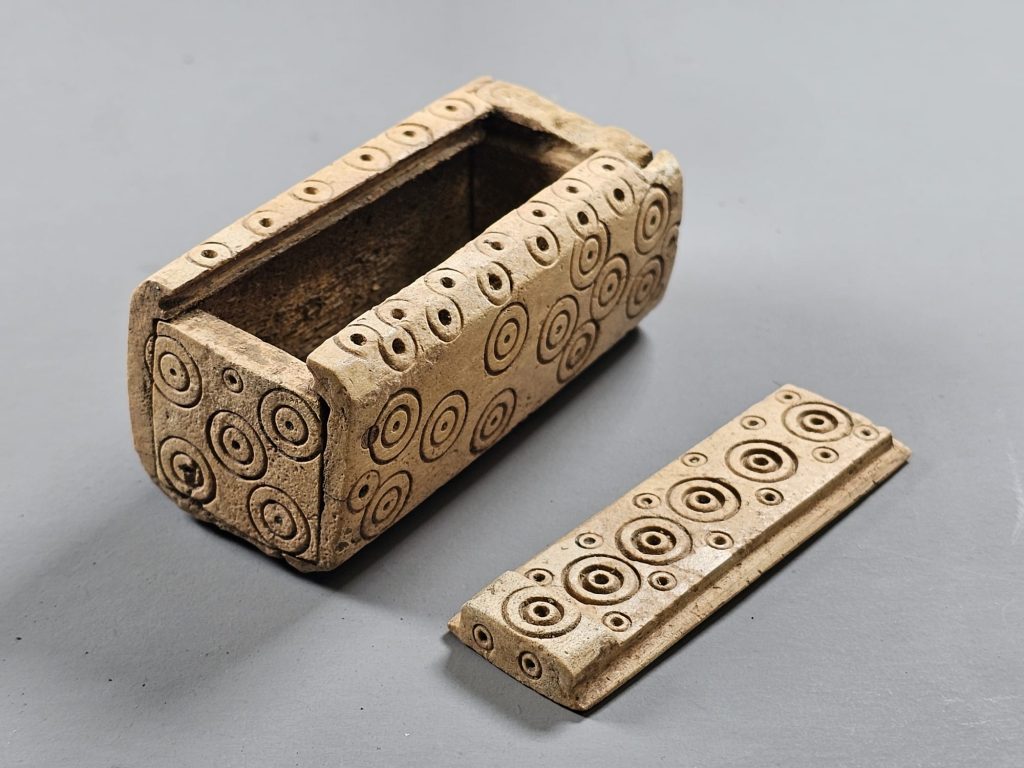
The box was found carefully placed in the grave of a young woman and remains intact in exceptional condition. Measuring just 2.7 inches (68mm) long, 1.3 inches (33mm) wide, and 1.2 inches (30mm) deep, the artefact is petite yet highly detailed. It features a sliding lid and is decorated with a distinctive ring-and-dot pattern, a motif commonly associated with Roman objects such as gaming dice.
Specialist analysis has revealed that the box was carved from the bone of a roe deer, highlighting the advanced craftsmanship and material knowledge of the period. Radiocarbon dating of the burial confirms a late Roman date, supporting stylistic interpretations based on the decoration.
What makes this find particularly significant is its uniqueness. To date, no comparable bone box has been identified in the archaeological record, making it a one-of-a-kind Roman discovery in Britain.
📣 Our WhatsApp channel is now LIVE! Stay up-to-date with the latest news and updates, just click here to follow us on WhatsApp and never miss a thing!!
Insights into Roman Life and Burial Customs
Archaeologists believe the box may have been used to store ointment, cosmetics, or a similar substance. Its careful placement within the grave strongly suggests that it was a valued personal possession, either cherished by the woman during her lifetime or considered symbolically important by those who buried her.
Jamie Wilkins, who led the excavation, described the discovery as “extraordinary, not only because of the box’s craftsmanship and condition, but because of the story it tells about the community that lived here.” He added that he had never encountered an object like it before, emphasizing the rarity and importance of the find.
The burial offers valuable insight into personal identity, status, and ritual in Late Roman Britain, particularly regarding the lives of women, which are often underrepresented in the archaeological record.
Thousands of Years of History at Milestone Ground
The Roman bone box is just one highlight from the Milestone Ground excavation. Archaeologists uncovered evidence of prehistoric activity, Roman settlement, and Saxon occupation, demonstrating Broadway’s long-standing significance as a place of human habitation.
Broadway’s location along a major routeway across the Cotswolds escarpment likely contributed to its enduring importance. Over millennia, different communities were drawn to the area for trade, travel, and settlement, leaving behind a rich archaeological landscape beneath today’s village.
The excavation was commissioned and funded by Wychavon District Council as part of the planning process. Ongoing specialist research is now underway, and once completed, all finds and records will be deposited with the county museum in line with best archaeological practice.
Featured on BBC’s Digging for Britain
The remarkable Roman bone box discovery will soon reach a wider audience. The Broadway excavation is set to feature in episode three of the upcoming series of Digging for Britain, presented by Professor Alice Roberts. The new series will air on BBC Two and BBC iPlayer from 7 January 2026, with the Broadway site appearing on Wednesday 21 January.
This unique artefact not only highlights the skill of Roman craftspeople but also provides a rare, personal connection to an individual who lived nearly 1,600 years ago—making it one of the most significant Roman archaeological discoveries in recent years.
Cover Image Credit: Wychavon District Council