New archaeological discoveries at Hala Sultan Tekke, one of the most important harbor cities of the Late Bronze Age, are shedding remarkable new light on Cyprus’ role as a major economic and cultural hub in the ancient Mediterranean. Excavations conducted in May–June 2025 have revealed richly furnished 14th-century BC chamber tombs, preserved almost intact for more than three millennia.
The excavation campaign was carried out by the Department of Antiquities of the Deputy Ministry of Culture of the Republic of Cyprus, under the direction of Professor Peter M. Fischer of the University of Gothenburg (Sweden). Research focused on Area A, the city’s extramural cemetery, following earlier geophysical surveys and surface investigations.
A Thriving Bronze Age Port City
Located near the Larnaca Salt Lake, Hala Sultan Tekke (Dromolaxia–Vyzakia) covered at least 25 hectares and was founded around 1650–1630 BC, during the transition from the Middle to the Late Bronze Age. For nearly five centuries, the city flourished as a strategically positioned harbor before its destruction and abandonment around 1150 BC.
Its prosperity was built primarily on copper production and export, using raw materials from the nearby Troodos Mountains. Archaeological remains—including slag heaps, furnaces, crucibles, and ore fragments—confirm large-scale, urban metalworking activities. The city’s well-protected harbor enabled copper to be shipped across the Mediterranean, making Hala Sultan Tekke a magnet for international merchants between the 15th and 13th centuries BC.
Tombs Sealed by Time
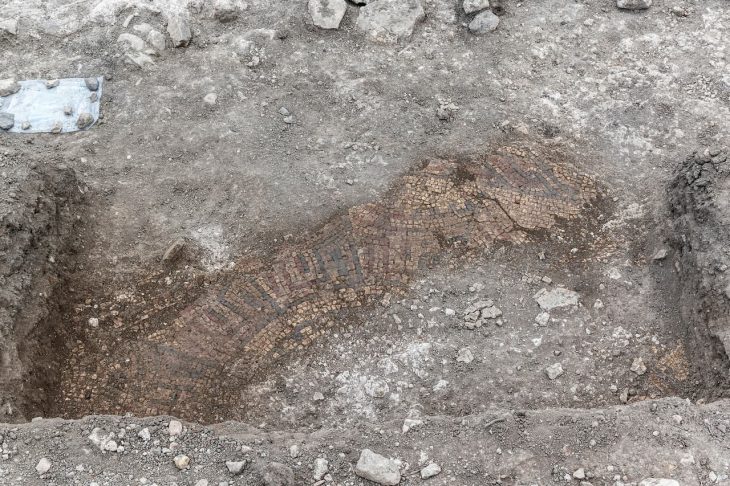
The 2025 excavation uncovered a long-abandoned well and two chamber tombs, both dating to the 14th century BC. Geological drilling next to the well revealed high groundwater salinity at a depth of approximately ten meters, likely explaining why the well was already abandoned in antiquity.
📣 Our WhatsApp channel is now LIVE! Stay up-to-date with the latest news and updates, just click here to follow us on WhatsApp and never miss a thing!!
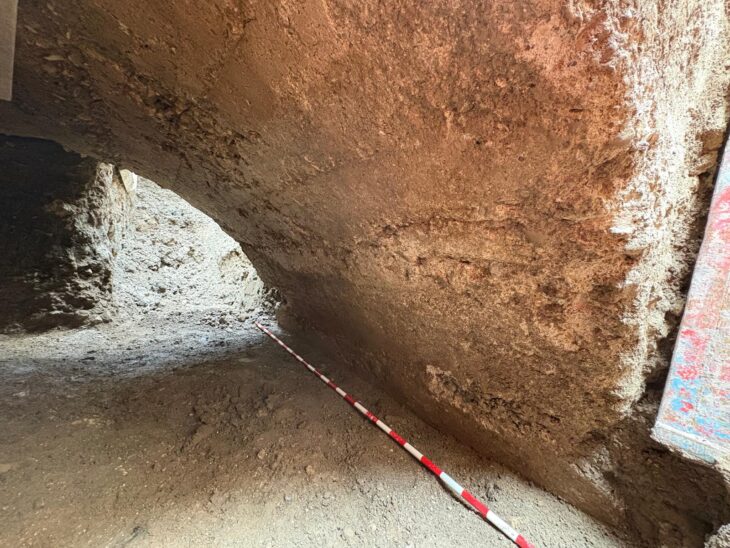
Crucially, the tombs’ ceilings had collapsed in ancient times, unintentionally sealing the burial chambers and protecting their contents from later disturbance. Despite some damage, the archaeological contexts remained exceptionally well preserved, allowing researchers to reconstruct burial customs with unprecedented clarity.
Luxury Goods from Across the Ancient World
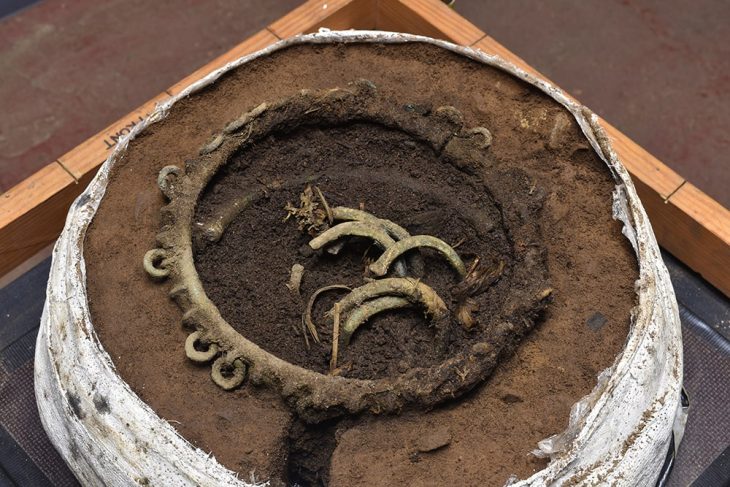
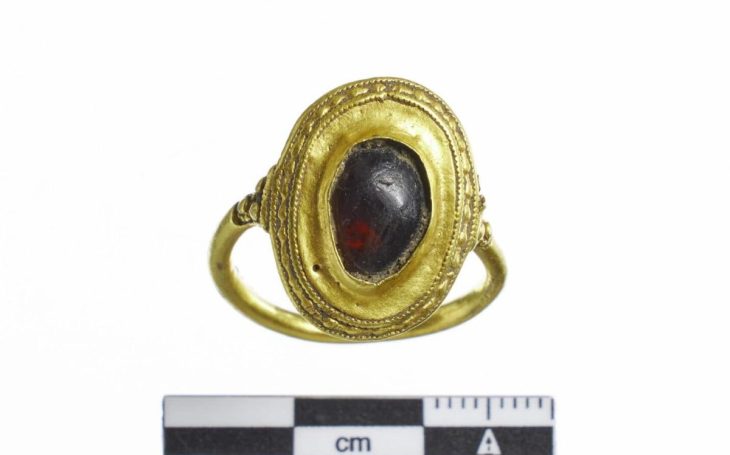
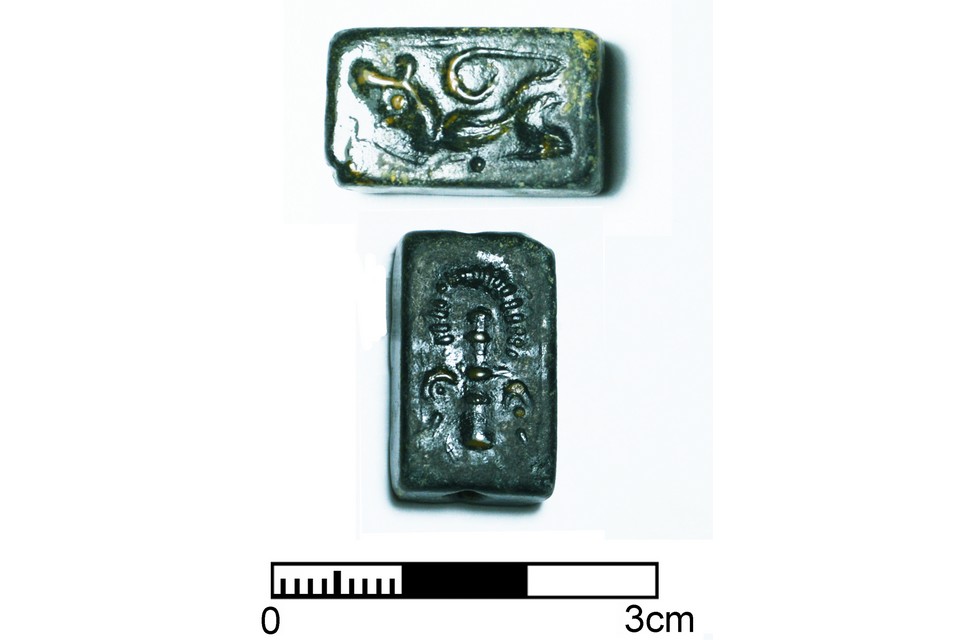
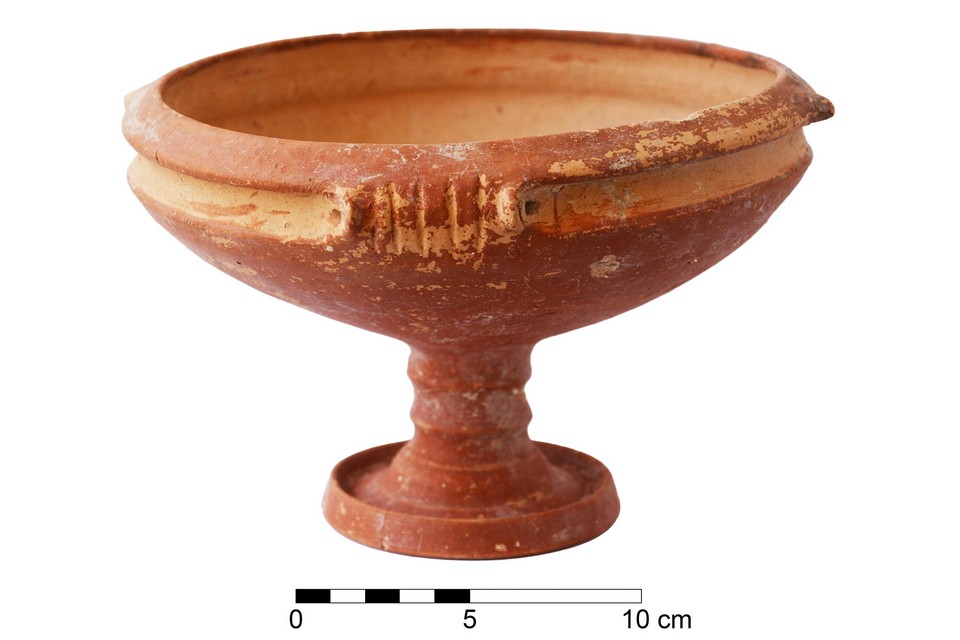
The tombs yielded a rich assemblage of grave goods, including finely crafted local Cypriot pottery, tools, and personal ornaments. Most striking, however, is the extensive collection of imported luxury items, offering compelling evidence of long-distance trade networks.
Artifacts uncovered originate from:
Mainland Greece (notably Berbati and Tiryns),
Crete and the Aegean islands,
Egypt, including ivory objects and high-quality alabaster vessels,
Afghanistan, in the form of deep-blue lapis lazuli (Sar-i-Sang mine),
India, represented by red-brown carnelian from Gujarat,
and the Baltic region, through amber beads and even an amber scarab.
Additionally, Nuragic pottery from Sardinia confirms previously documented trade routes linking Cyprus with the western Mediterranean, where Cypriot copper—often cast as distinctive oxhide ingots—was exchanged across vast distances.
Insights into Bronze Age Society and Ritual
Stratigraphic evidence shows that the tombs were reused over multiple generations, often for more than a century. Older remains were carefully rearranged to make space for new burials, reflecting strong concepts of family continuity and kinship.
Preliminary bioarchaeological analysis indicates that individuals of all ages—from newborns to adults—were interred, with few living beyond the age of 40, consistent with life expectancy patterns of the era. Ongoing studies, including ancient DNA analysis, aim to further illuminate family relationships, health conditions, demographics, and lifestyles within this elite Bronze Age community.
A Major Center of Power and Exchange
The findings strongly reaffirm Hala Sultan Tekke’s status as a major economic and cultural center of the Late Bronze Age. The wealth and diversity of imported goods suggest that the tombs belonged to members of a ruling elite deeply involved in copper export and international commerce. Variations in foreign objects between tombs may even point to specialized trading roles or the presence of migrant communities within the city.
As the Republic of Cyprus announces further excavation campaigns at the site, Hala Sultan Tekke continues to transform our understanding of Cyprus as a pivotal crossroads of ancient global trade, connecting Europe, the Near East, Africa, and Asia more than 3,000 years ago.
Deputy Ministry of Culture, Republic of Cyprus
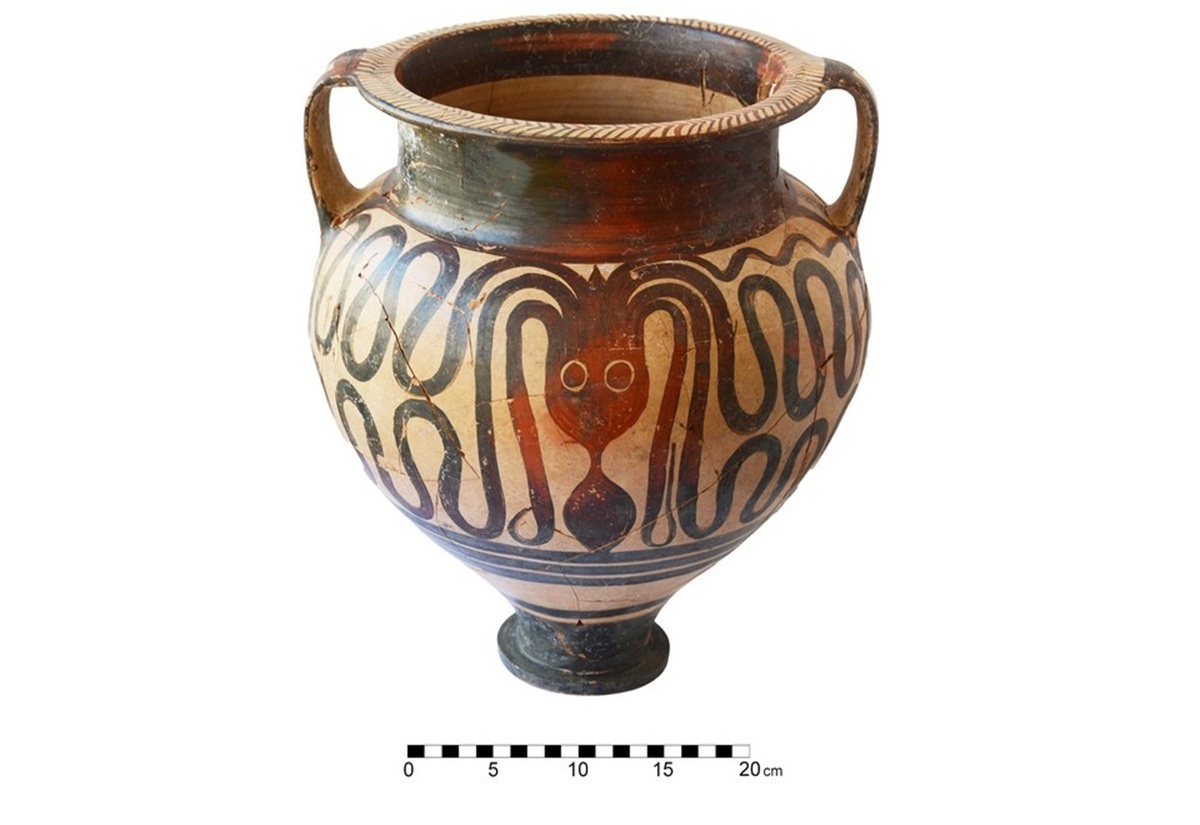
Cover Image Credit: Large Minoan octopus krater. Ministry of Culture of the Republic of Cyprus, Department of Antiquities