A 17th-century Royal Charter that laid the legal foundations of Leeds was once just moments away from being cut up and repurposed as a decorative lampshade. The remarkable survival story, recently highlighted by the BBC News, has re-emerged as the city prepares to mark 400 years since the original charter was granted.
The document, first issued to Leeds by Charles I in 1626, formally incorporated the town as a “free borough” and a “body corporate and politic.” In practical terms, that royal approval transformed Leeds into a self-governing civic entity with defined political, economic and administrative powers—an essential step in its evolution into the major urban centre it is today.
A Copy Born of War
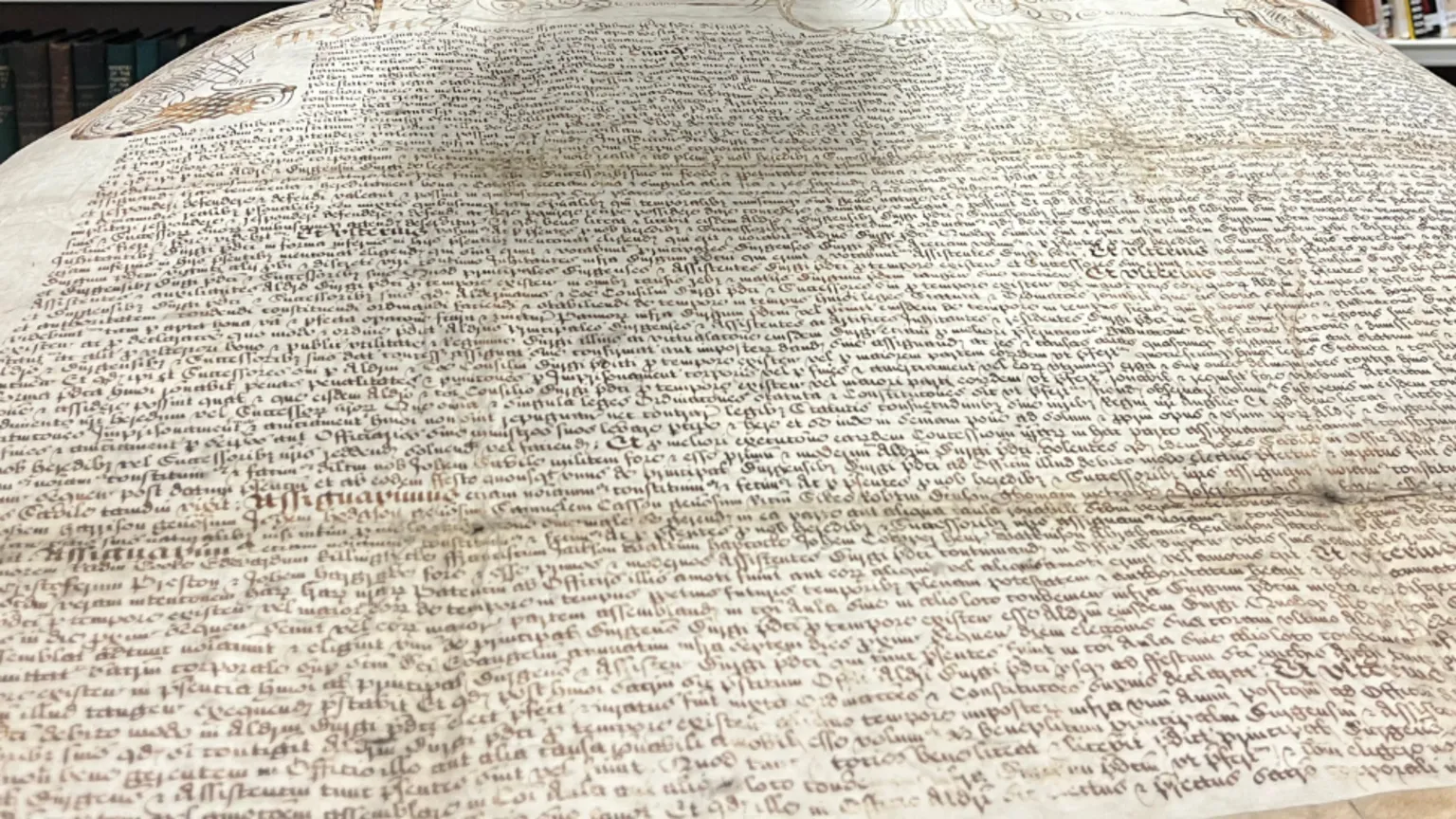
The surviving parchment is not the original 1626 charter. That earlier version was lost during the turmoil of the English Civil War. In 1646, amid the conflict that reshaped England’s political landscape, a precise Latin-language copy was produced on animal skin vellum to preserve the legal authority of the original grant.
For centuries, this 1646 copy quietly endured—until its extraordinary near-miss in the mid-20th century.
In the 1950s, C. E. Cheshire, a bookseller in Canterbury, purchased what he believed to be a piece of antique vellum at a village sale in east Kent. Unaware of its historic value, he took the parchment back to his shop, where it slipped behind a bookcase and remained forgotten for six years.
📣 Our WhatsApp channel is now LIVE! Stay up-to-date with the latest news and updates, just click here to follow us on WhatsApp and never miss a thing!!
When he rediscovered it, Cheshire considered turning the large sheet of aged vellum into a decorative lampshade. Before proceeding, however, he sought the opinion of an archivist friend. That decision proved pivotal.
A Missing Link in Civic History
The archivist immediately recognised the document’s importance. It was not just old parchment—it was the only surviving copy of Leeds’ founding Royal Charter.
Archivists at the West Yorkshire Archive Service later described the episode as astonishing. Alex Pearson, archives assistant, emphasised the document’s historic weight, calling it a physical embodiment of one of the most significant moments in Leeds’ history.
Royal charters in early modern England were more than symbolic gestures. They formalised municipal rights, regulated trade and governance, and defined the legal status of towns within the kingdom. For Leeds, the 1626 charter marked the beginning of structured civic autonomy—an administrative framework that enabled the town’s rapid commercial growth in subsequent centuries.
Without that charter, Leeds’ transformation from a modest market settlement into a powerhouse of the Industrial Revolution would have followed a very different trajectory.
From £10 Offer to Public Gift
Once news of the discovery reached Leeds, the Corporation offered to purchase the charter for £10 and 10 shillings—a modest sum even at the time. Yet Cheshire declined the payment. In 1952, he instead donated the document as a gift to the citizens of Leeds.
In a letter addressed to the city authorities, he wrote that, having come to understand the document’s significance as a “missing link” in Leeds’ civic history, he and his son wished to present it to the city.
That act of generosity ensured the charter’s preservation in public hands.
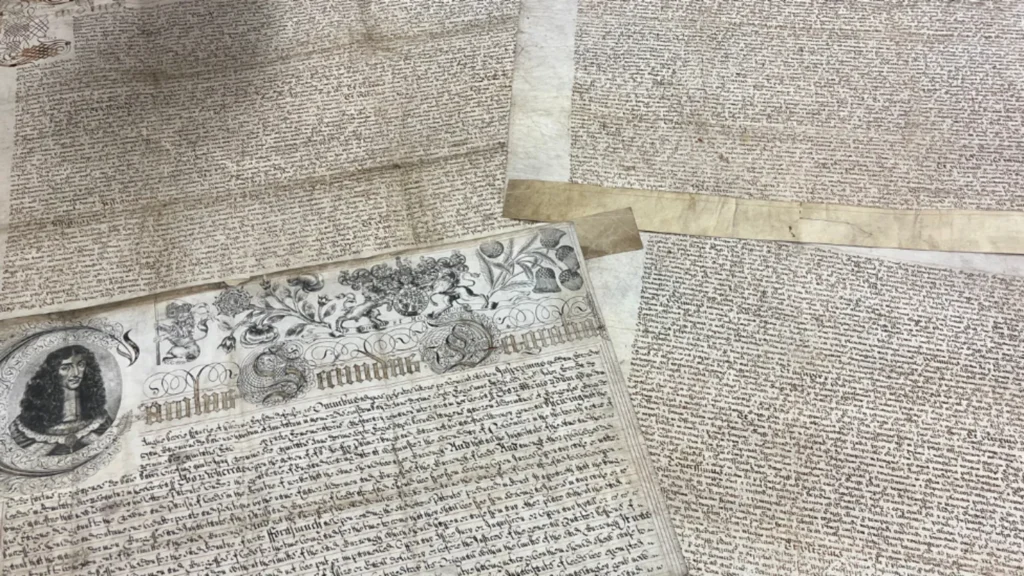
Today, the vellum document is safeguarded by the West Yorkshire Archive Service in Leeds. It is preserved alongside a second charter granted by Charles II in 1661, which extended further autonomy to the city after the Restoration.
400 Years On
As Leeds marks four centuries since its original incorporation, the charter is set to go on public display as part of the city’s anniversary celebrations. Four hundred years after Charles I’s grant, the document remains a tangible reminder of the legal and institutional foundations that shaped modern Leeds.
Its survival also offers a broader lesson about cultural heritage. Historic artefacts do not always reside in grand libraries or museum vaults. Sometimes they lie forgotten behind a bookshelf—misidentified, overlooked, nearly discarded.
That the only surviving copy of Leeds’ founding charter narrowly escaped becoming a household ornament underscores both the fragility and resilience of historical memory. Thanks to a moment of curiosity and an archivist’s trained eye, a cornerstone of civic history was saved from obscurity—and from the scissors.
West Yorkshire Archive Service
Cover Image Credit: West Yorkshire Archive Service