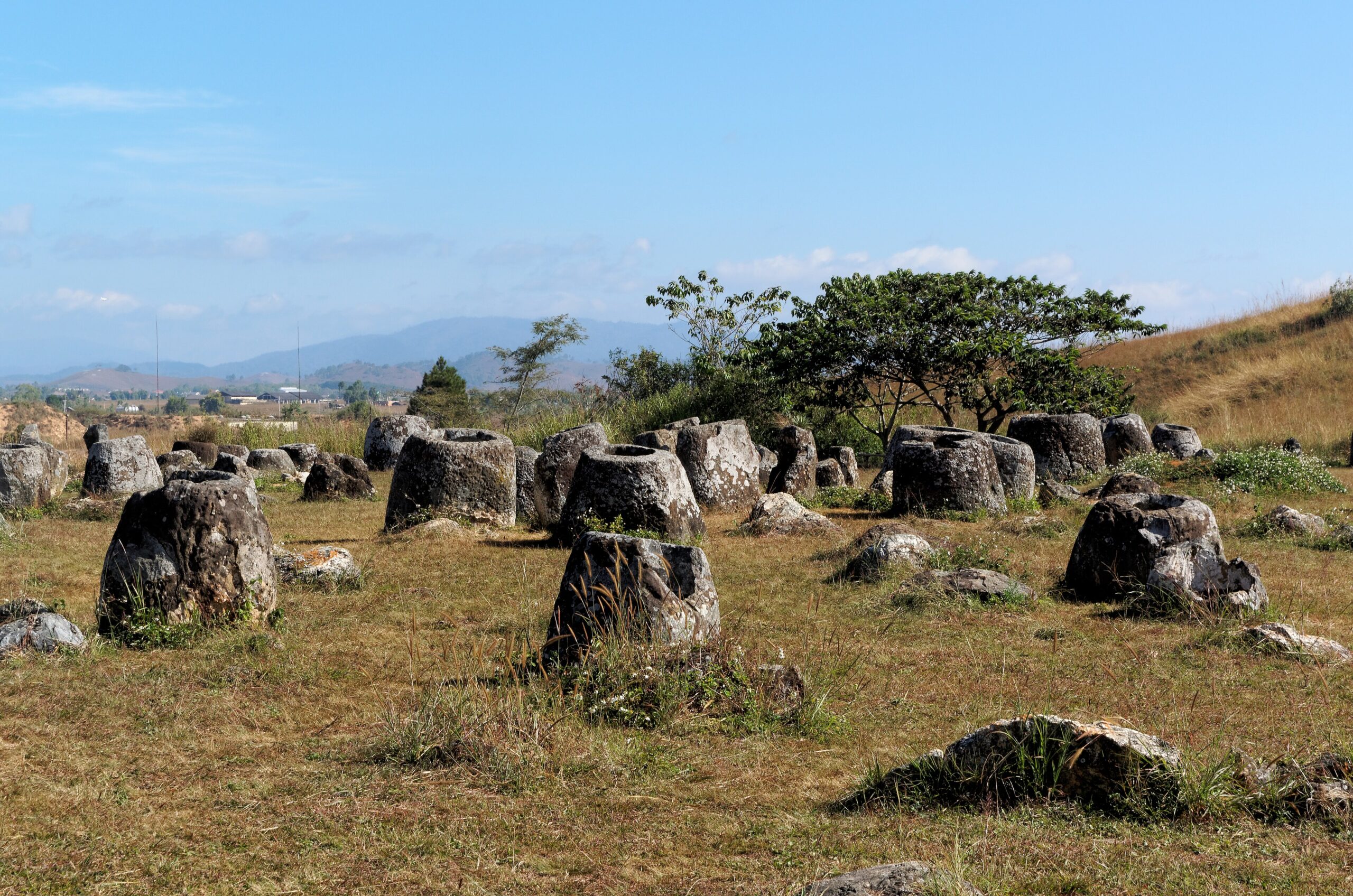
On a remote plateau in Laos, thousands of massive stone jars sit scattered across the landscape, silent witnesses to a civilization that has puzzled researchers for decades. Known as the Plain of Jars, this UNESCO-listed site is once again at the center of groundbreaking discoveries led by an international team of archaeologists determined to unlock its secrets.
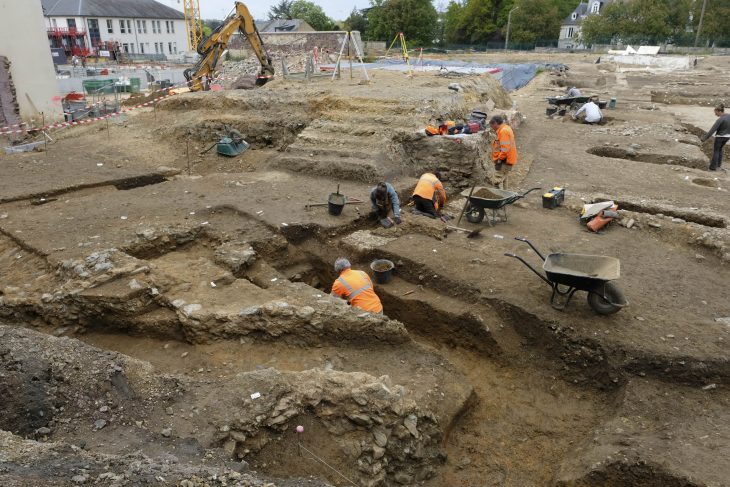
Since 2016, a collaborative research initiative between Lao and Australian experts—led by Louise Shewan, Dougald O’Reilly, and Thonglith Luangkhoth—has been steadily piecing together evidence of an ancient megalithic culture that once thrived in the region. Their work, supported by the University of Melbourne and the Australian Research Council, combines cutting-edge science with traditional excavation to shed new light on one of Southeast Asia’s greatest archaeological enigmas.
A Landscape of Mystery
The Plain of Jars takes its name from the thousands of enormous stone vessels—some reaching up to three meters in height and weighing several tons—that dot the hills and plains of Xieng Khouang Province. Carved from solid rock and transported from quarries up to 10 kilometers away, these megaliths are believed to form part of an extensive funerary landscape.
Yet fundamental questions remain unanswered: who created them, when they were constructed, and how such भारी structures were moved across rugged terrain. Despite decades of study, the jars continue to guard their origins.
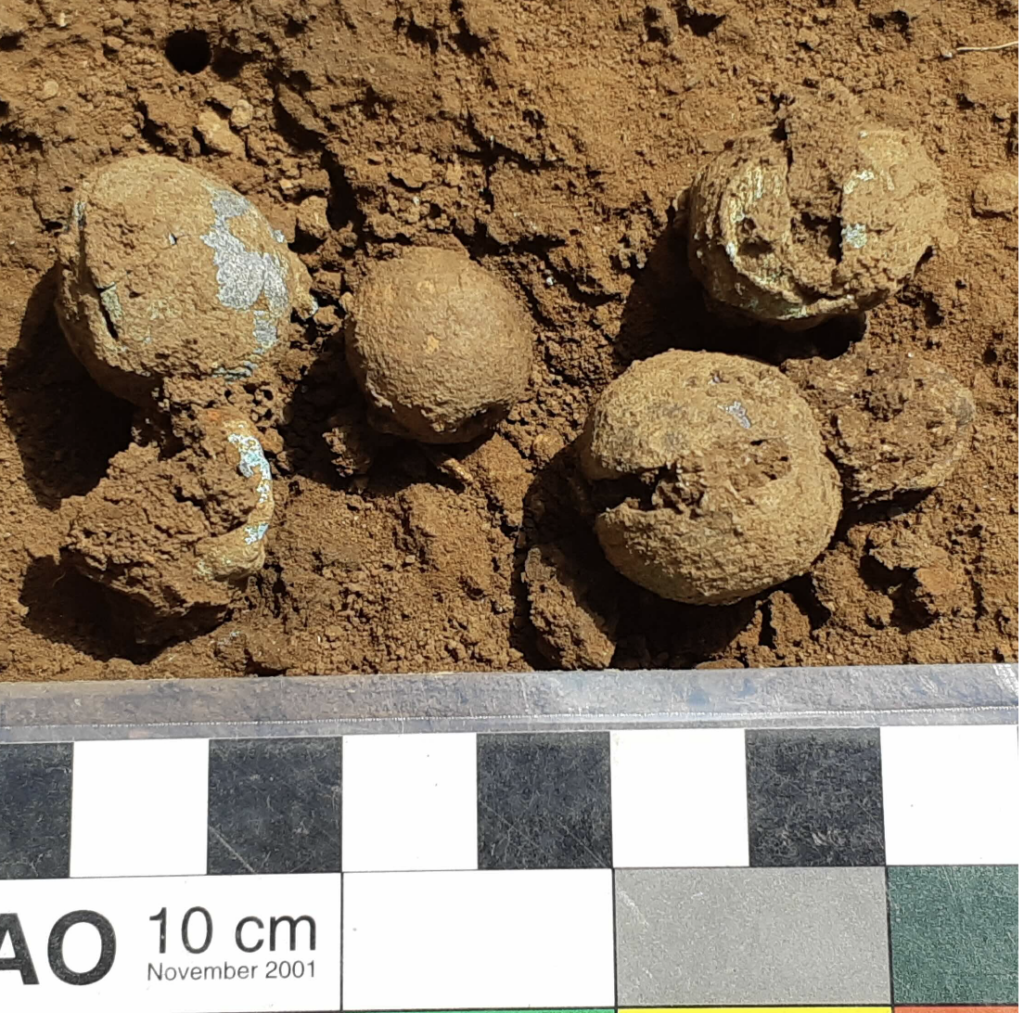
Recent excavation campaigns, however, are offering new clues. Archaeologists have uncovered a wide array of artifacts, including ceramic vessels, iron tools, glass beads, and copper-alloy bells—objects that point to complex burial rituals and a sophisticated cultural system.
📣 Our WhatsApp channel is now LIVE! Stay up-to-date with the latest news and updates, just click here to follow us on WhatsApp and never miss a thing!!
Burials, Bones, and Ritual Practice
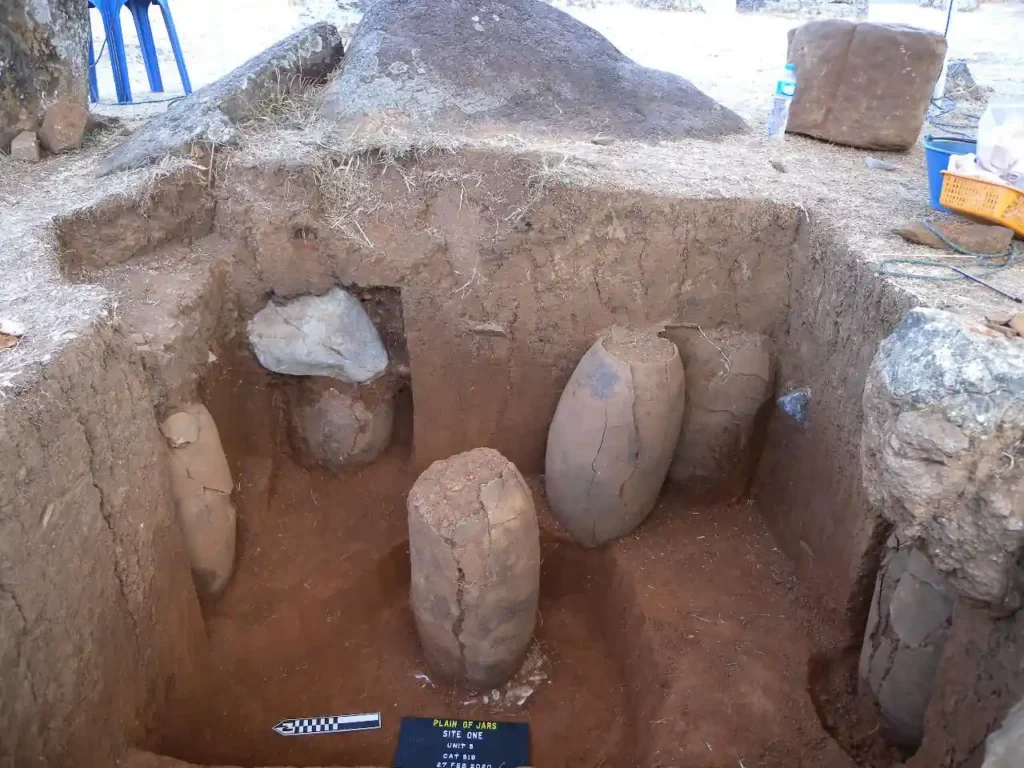
Among the most significant findings are human remains discovered in and around the jars. Teeth and bone fragments suggest the practice of secondary burial, where the dead were initially interred elsewhere before being reburied near the jars, often inside ceramic containers.
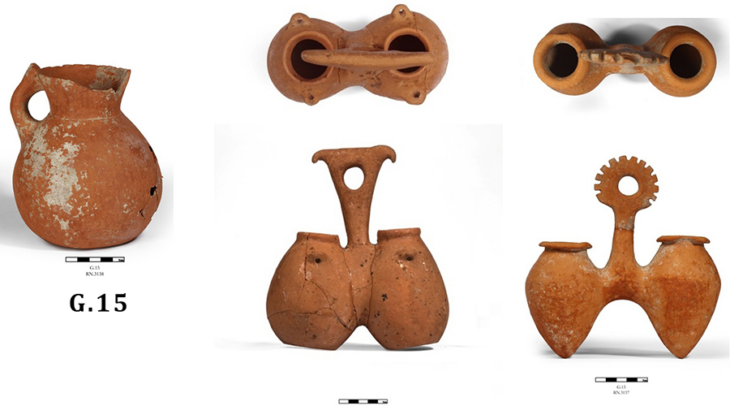
These fragile vessels, some standing up to 60 centimeters tall and decorated with intricate patterns, provide crucial insight into prehistoric funerary customs. However, their delicate condition—caused by low-temperature firing—has made conservation a major challenge.
To address this, the research team has worked closely with local experts, conducting conservation training workshops at the Xieng Khouang Provincial Museum. Using specialized adhesives and Japanese tengujo paper, conservators have successfully reconstructed several vessels, preserving them for future study and public display.
Ancient Artefacts, Modern Science
The project’s scientific dimension has been equally impressive. Metal artifacts recovered from burial sites were transported to Melbourne for conservation at the Robert Cripps Institute for Cultural Conservation. There, researchers tackled one of the biggest threats to ancient metals: corrosion, including the feared “bronze disease.”
Advanced, non-destructive analysis conducted at the university’s Materials Characterisation and Fabrication Platform confirmed that the artifacts were stable, allowing students and specialists to proceed with delicate restoration work.
One particularly intriguing object—an iron implement containing traces of a wooden shaft—has captured researchers’ attention. Was it a tool, a weapon, or a ritual object? To find out, scientists turned to CT and micro-CT scanning at facilities including the university’s Brain Centre Imaging Unit and the TrACEES Platform.
The resulting 3D images revealed mineralized remnants of wood within the iron structure, offering a rare glimpse into ancient craftsmanship and material use. These findings not only help identify the object’s purpose but also highlight the advanced technological capabilities of the people who created it.
From Lab to Museum
Following conservation, the artifacts have been returned to Laos, where they now form the centerpiece of a new exhibition at the Xieng Khouang museum. Supported by the Australian Embassy’s Small Grants Program, the exhibit presents the story of the Plain of Jars in both English and Lao, ensuring accessibility for local and international audiences.
Visitors can explore restored ceramics, conserved metal objects, and vibrant glass beads, alongside a reconstructed burial scene that vividly illustrates prehistoric funerary practices. The exhibition represents a significant step forward in public archaeology, bridging the gap between research and community engagement.
Importantly, conservation efforts do not end with repatriation. The museum has been equipped with environmental monitoring systems to track humidity and temperature, allowing ongoing collaboration with Australian experts such as Jonathan Kemp to ensure the long-term preservation of these priceless artifacts.
A Partnership Beyond Archaeology
The project also reflects the strength of diplomatic and cultural ties between Australia and Laos, which have spanned more than 70 years. By investing in the training of Lao heritage professionals, the initiative ensures that local communities remain at the forefront of preserving their own history.
This collaborative model has been instrumental in securing the Plain of Jars’ status as a UNESCO World Heritage Site, recognizing its global significance and helping to protect it for future generations.
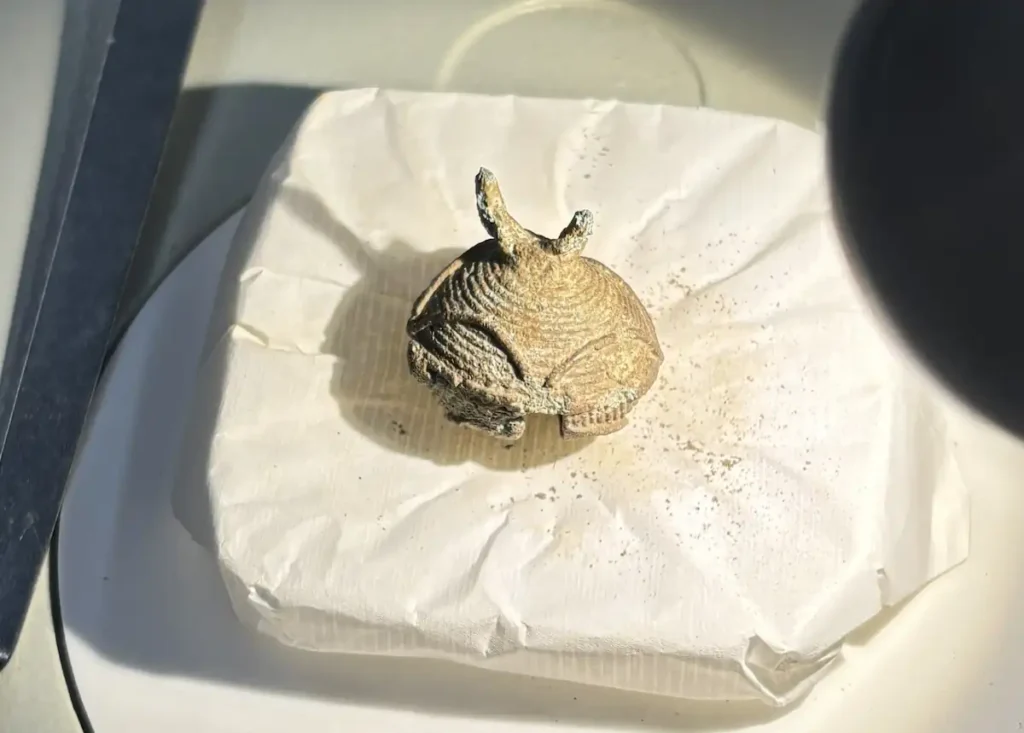
Restored bronze-alloy bell. Credit: Robert Cripps Institute for Cultural Conservation
The Mystery Continues
Despite these advances, the central mystery of the Plain of Jars remains unsolved. Researchers are now employing techniques such as luminescence dating to determine when the jars were created, as well as isotopic analysis of human remains to reconstruct the lives of those buried there.
All findings are being made publicly available through a digital repository developed with the Melbourne Data Analytics Platform, fostering international collaboration and further research.
For now, the giant jars continue to stand in quiet defiance of time, their secrets only partially revealed. But with each excavation, each restored artifact, and each scientific breakthrough, archaeologists move one step closer to understanding the people behind this extraordinary landscape.
And as the work continues, one thing is certain: the Plain of Jars is no longer just a mystery—it is a story slowly, meticulously being told.
Cover Image Credit: Jakub Hałun – Public Domain