A groundbreaking underwater archaeological mission led by the Greek Ministry of Culture has unveiled a remarkable series of discoveries in the waters surrounding Karpathos and Kasos, shedding new light on more than 26 centuries of Aegean maritime history. The research, conducted in October 2025, forms part of an ambitious long-term initiative launched in 2019 to map the submerged cultural heritage of the southeastern Aegean Sea.
A historic island with a legacy of exploration
Karpathos, an island referenced as early as the works of Homer and later inspiring writers like Jules Verne, continues to captivate historians and explorers alike. This first systematic underwater archaeological survey of the island marks a major milestone in understanding its historical significance.
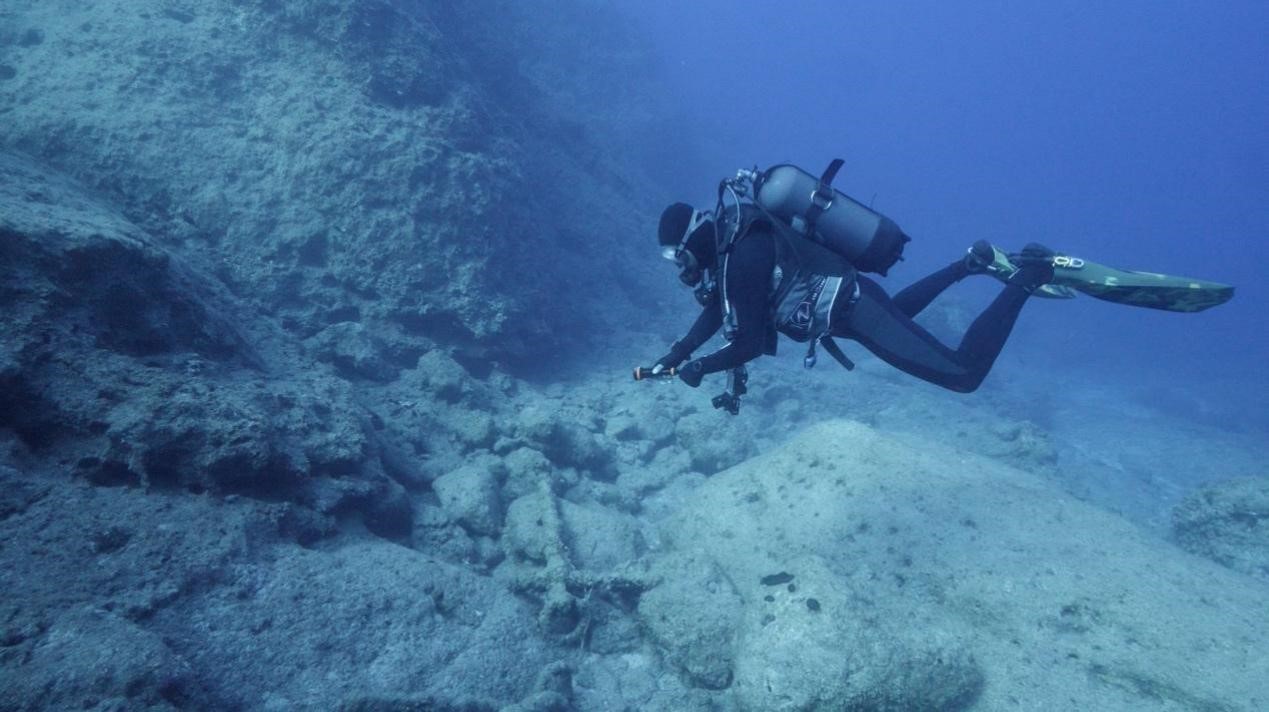
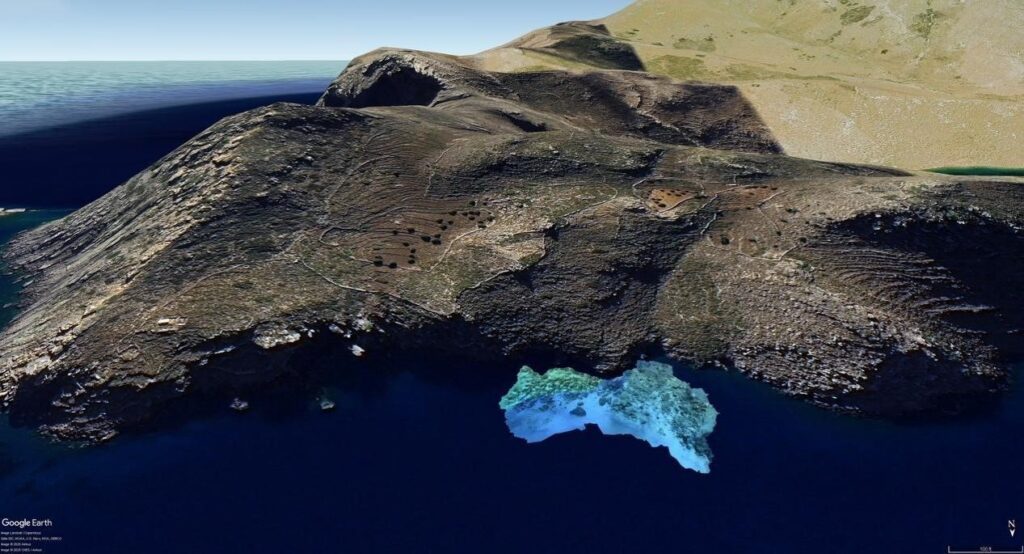
An international team of more than 40 scientists and specialists conducted over 120 dives at depths ranging from 3 to 45 meters in northern Karpathos and around the nearby islet of Saria. Their work focused on areas where visible remains of ancient settlements still exist, including sites associated with Vrykous and Nisyros—two of the four cities that once formed the legendary “Karpathos Tetrapolis,” as described by Strabo in Geographica.
Major underwater discoveries reshape historical understanding
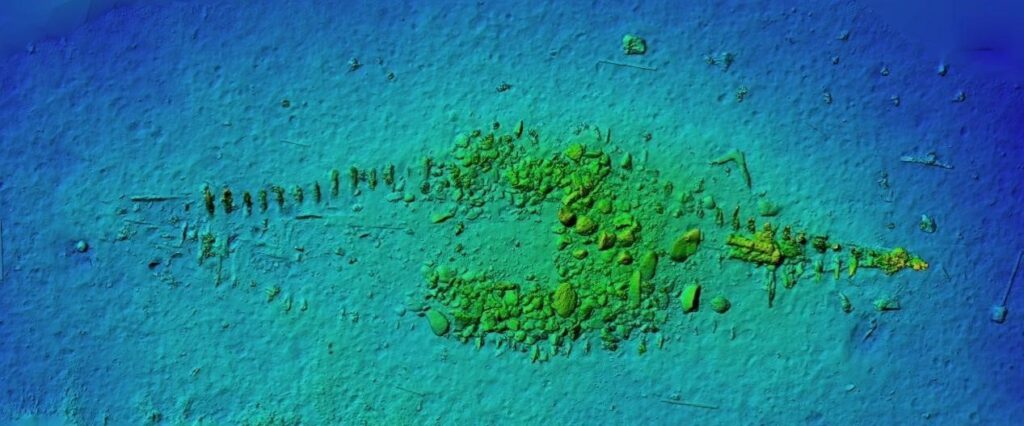
The mission revealed a wealth of submerged cultural artifacts spanning from the late 7th century BC to the mid-19th century AD. These findings provide a continuous timeline of maritime activity in the region, reinforcing its importance as a strategic hub in ancient and later periods.
Among the most significant discoveries are:
📣 Our WhatsApp channel is now LIVE! Stay up-to-date with the latest news and updates, just click here to follow us on WhatsApp and never miss a thing!!
Five shipwrecks, including four ancient vessels and one from a more recent era
Ancient port infrastructure, offering new insights into trade and navigation networks
Commercial amphorae, used for transporting goods across the Mediterranean
More than 20 Byzantine anchors, particularly concentrated near the area of Tristomo
These findings, combined with known residential and ecclesiastical remains in the region, highlight the importance of Karpathos during Late Antiquity as a center of commerce and cultural exchange.
International collaboration drives success
The success of the expedition was made possible through extensive international collaboration. Experts from Mexico’s National Institute of Anthropology and History and the Norwegian Maritime Museum joined Greek researchers, contributing specialized knowledge in underwater archaeology, conservation, and maritime history.
The project was funded by multiple institutions, including the General Secretariat for the Aegean and Island Policy and the National Hellenic Research Foundation, alongside private sector partners and foundations. Additional logistical and technical support was provided by organizations, local municipalities, and diving centers, demonstrating a strong network of cooperation across public and private sectors.
Climate change and cultural preservation
In parallel with the archaeological survey, researchers completed an innovative initiative focused on protecting underwater cultural heritage from climate change. This pilot program, supported by the Aikaterini Laskaridis Foundation, introduced advanced “in-situ” conservation techniques in the waters of Kasos.
The project aims to safeguard submerged artifacts from environmental threats such as rising sea temperatures, ocean acidification, and increased storm activity. By preserving these relics directly within their underwater environment, scientists hope to maintain their integrity while minimizing disruption.
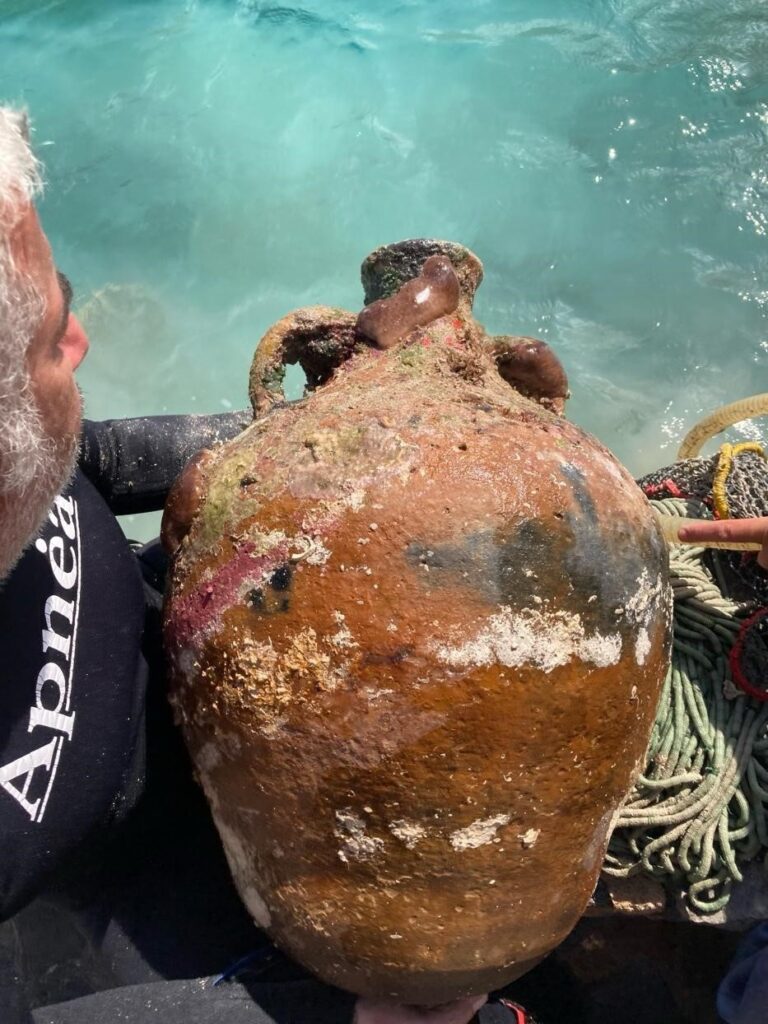
Late Roman Period amphora recovered from shipwreck KTH1. Credit: E. Diamant – Greek Ministry of Culture
A new chapter in Aegean archaeology
The discoveries on Karpathos and Kasos mark a significant advancement in underwater archaeology in Greece and the broader Mediterranean. By uncovering shipwrecks, trade artifacts, and port structures, researchers are piecing together a more detailed picture of ancient maritime networks and regional interactions over thousands of years.
As exploration continues, these findings are expected to deepen our understanding of the Aegean’s role in global history—while also emphasizing the urgent need to protect underwater cultural heritage in the face of modern environmental challenges.
With ongoing research and international cooperation, the seas of Karpathos may yet reveal even more secrets hidden beneath their surface.
Cover Image Credit: Recording of Byzantine Anchors. S. Apostolopoulo – Greek Ministry of Culture