A 500,000-year-old elephant bone hammer found in southern England reveals advanced tool-making skills of early human ancestors
Archaeologists have uncovered a remarkable prehistoric tool made from elephant bone that is now considered the oldest of its kind ever discovered in Europe. Dating back nearly half a million years, the fossilised implement provides rare and compelling evidence of the technological sophistication and cognitive abilities of early human ancestors living in prehistoric Britain.
The discovery was analysed by researchers from University College London (UCL) and the Natural History Museum, London, and the findings were published in the peer-reviewed journal Science Advances. According to the research team, the tool was most likely crafted and used by early Neanderthals or an earlier human species known as Homo heidelbergensis.
A Rare and Valuable Prehistoric Hammer
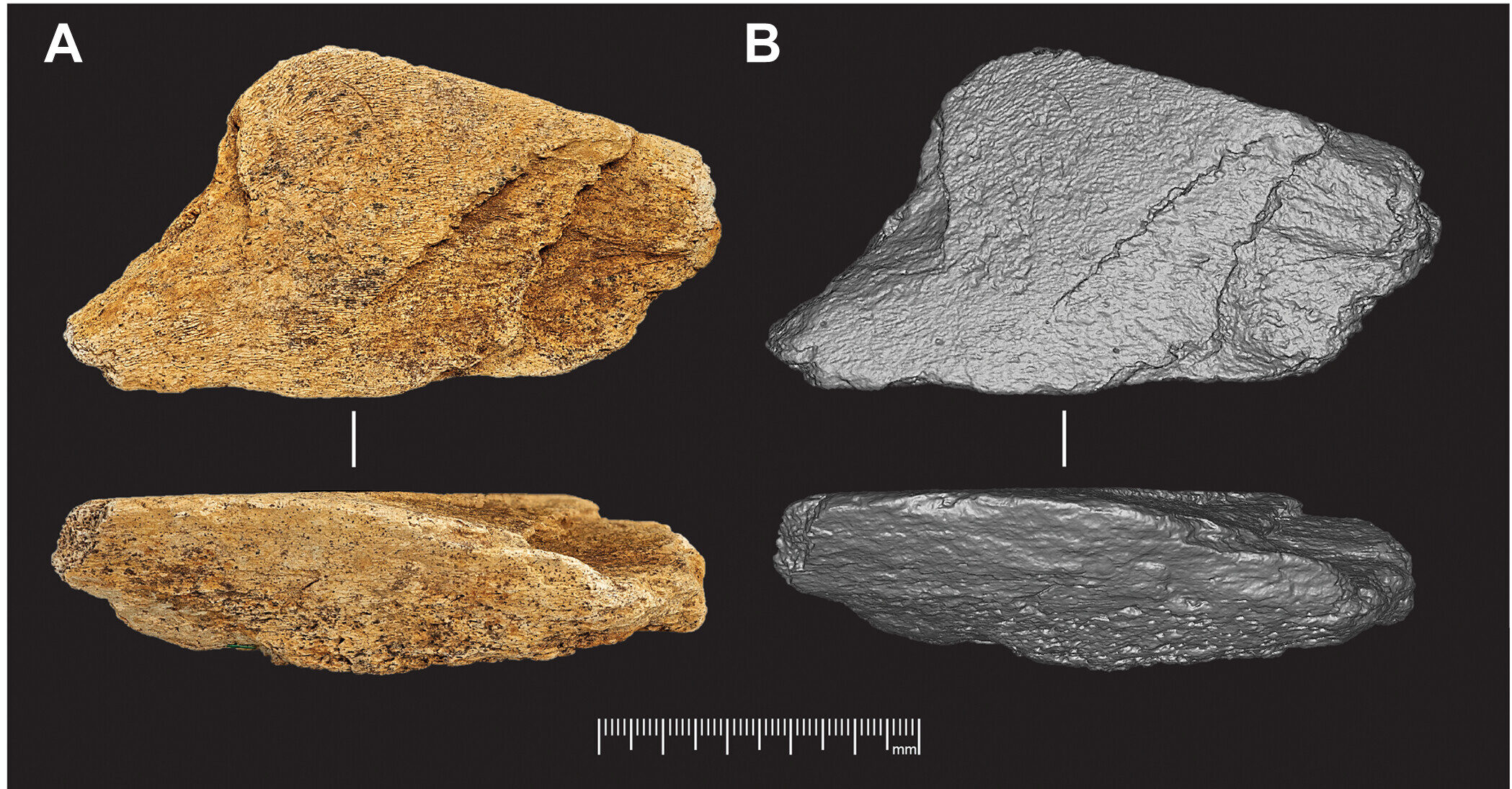
The ancient tool is a hand-held soft hammer, also known as a retoucher, used in stone tool production. Unlike stone hammers, bone retouchers allowed for more precise shaping and sharpening of stone handaxes and cutting tools that became dulled through repeated use. This process, called knapping, was essential for maintaining effective tools used in hunting, butchery, and daily survival.
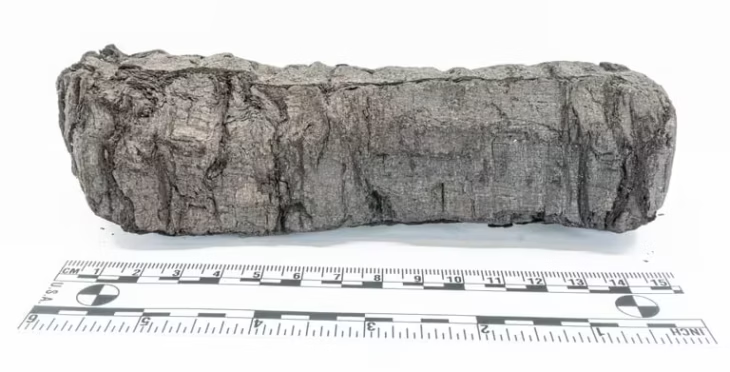
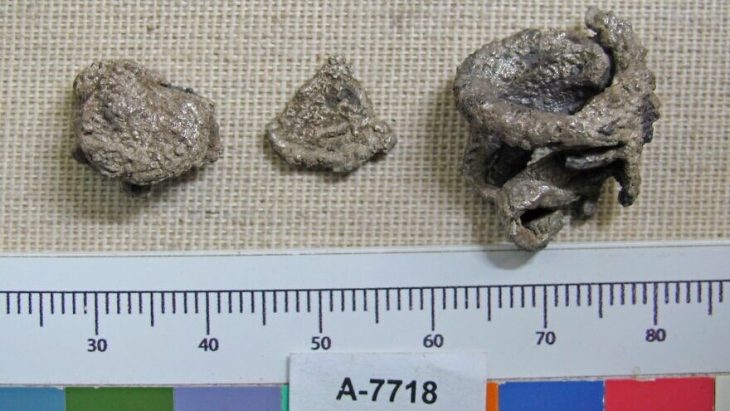
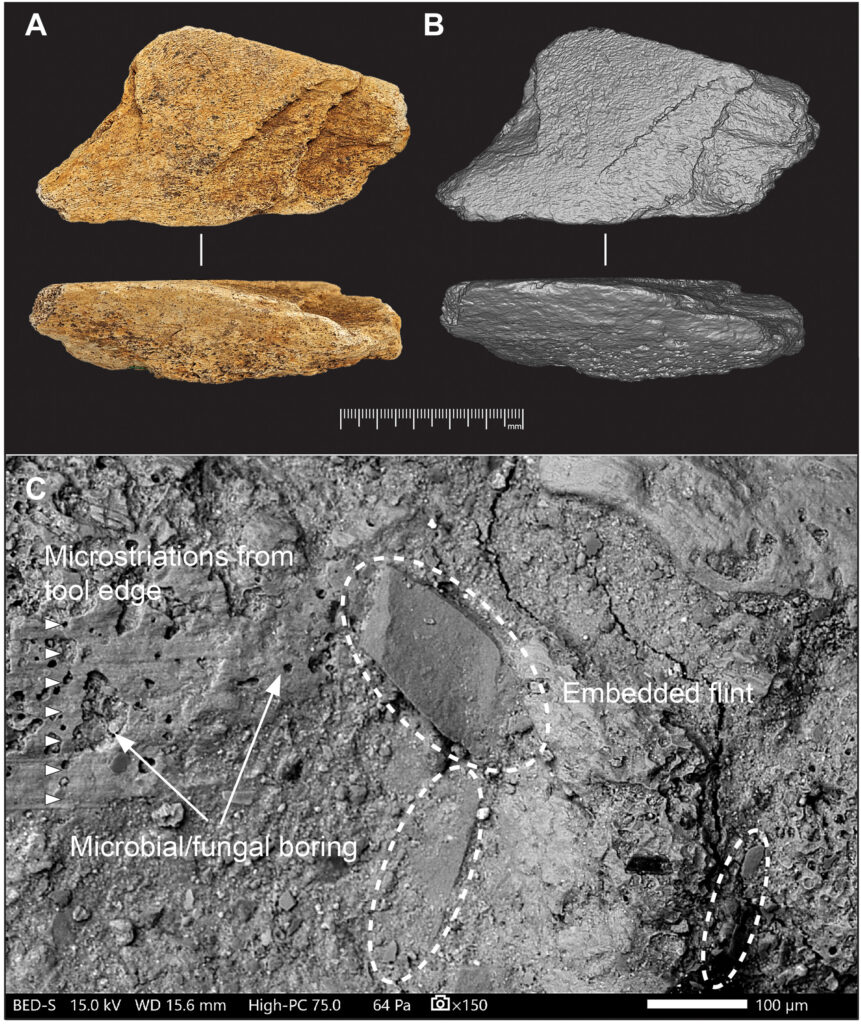
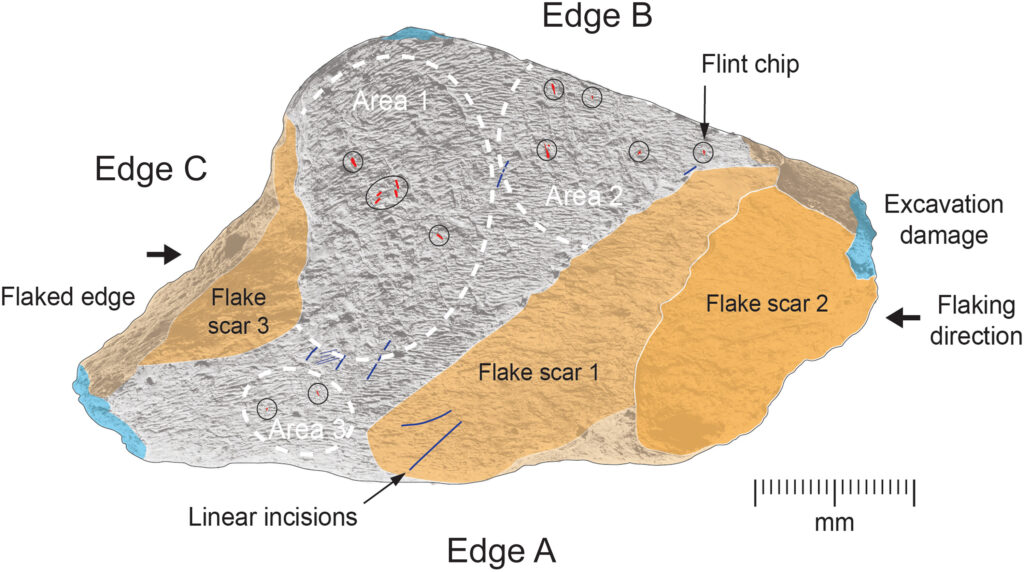
The fossilised bone fragment is roughly triangular in shape, measuring about 11 centimetres long, six centimetres wide, and three centimetres thick—approximately the size of a human palm. Microscopic analysis revealed intentional shaping, impact scars, and notches along its edges, all of which clearly indicate it was deliberately manufactured and repeatedly used as a tool.
📣 Our WhatsApp channel is now LIVE! Stay up-to-date with the latest news and updates, just click here to follow us on WhatsApp and never miss a thing!!
Elephant Bone: A Strategic Material Choice
What makes this discovery particularly significant is the material itself. The tool is made from cortical bone, the dense outer layer of bone tissue, which is thick and durable enough to withstand repeated impacts. This density strongly suggests that the bone originated from either an elephant or a mammoth, although the fragment is too incomplete to identify the exact species or skeletal element.
Elephants and mammoths were rare in prehistoric southern England, making their bones an uncommon and valuable resource. Researchers believe early humans deliberately selected elephant bone because it was more resilient than other animal bones, allowing it to function as a long-lasting hammer.
“This remarkable discovery showcases the ingenuity and resourcefulness of our ancient ancestors,” said Simon Parfitt, lead author of the study and a researcher at UCL’s Institute of Archaeology. “They possessed not only a deep understanding of local materials, but also the technical skill to create highly refined stone tools. Elephant bone would have been rare, valuable, and worth preserving.”
Discovered Decades Ago, Recognised Only Recently
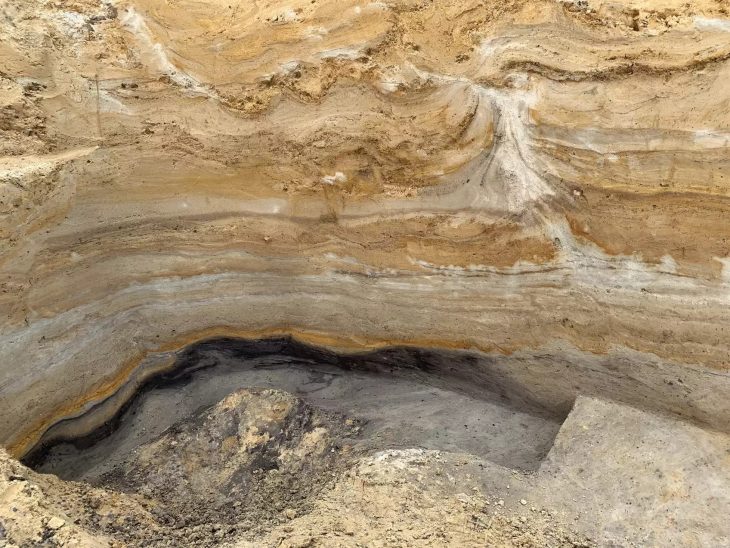
Interestingly, the elephant bone fragment was first excavated in the early 1990s at the famous Boxgrove archaeological site near Chichester in West Sussex. Boxgrove is one of the most extensively studied Lower Palaeolithic sites in Europe and has yielded hundreds of stone tools, along with bone and antler artefacts.
However, it was only through recent re-examination of the material—using 3D scanning technology and high-powered electron microscopes—that scientists recognised the bone as a deliberately crafted tool. Tiny fragments of embedded flint were found within the impact marks, confirming that the bone had been used to strike stone tools multiple times.
Evidence of Advanced Cognitive Abilities
According to the researchers, the use of an elephant bone retoucher reflects a high level of abstract thinking, planning, and material knowledge. Early humans not only recognised the usefulness of elephant bone but also collected, shaped, transported, and reused it over time—behaviours associated with advanced cognitive development.
“Our ancient ancestors were far more sophisticated than we often assume,” said Dr Silvia Bello, co-author of the study and a Merit Researcher at the Natural History Museum. “Using a rare material like elephant bone to repeatedly sharpen stone tools shows complex thinking and technological foresight.”
Placing the Discovery in Global Context
While elephant bone tools have been found in Olduvai Gorge in Tanzania, dating back as far as 1.5 million years, such discoveries are extremely rare in Europe. Very few elephant bone tools in Europe predate 43,000 years ago, the period when Homo sapiens began spreading across the continent and producing ivory tools, art objects, and structures.
This newly identified tool, dated to around 500,000 years ago, is therefore the oldest elephant bone tool ever discovered in Europe. Most previously known examples come from much later periods or warmer southern regions, making the Boxgrove find particularly exceptional.
A Window into Prehistoric Innovation
It remains unclear whether the elephant was hunted or whether its bones were scavenged from a natural death. However, deformation patterns on the tool suggest it was shaped and used while the bone was still relatively fresh.
Supported by English Heritage, UCL, and the Calleva Foundation, the research offers a rare glimpse into how early humans adapted to their environments using limited but valuable resources.
Ultimately, this prehistoric elephant bone hammer challenges long-held assumptions about early human capabilities and highlights a surprising level of innovation, planning, and craftsmanship in Europe’s distant past.
University College London (UCL)
Parfitt, S. A., & Bello, S. M. (2026). The earliest elephant-bone tool from Europe: An unexpected raw material for precision knapping of Acheulean handaxes. Science Advances, 12(4). https://doi.org/10.1126/sciadv.ady1390
Cover Image Credit: Parfitt & Bello, 2026 -Science Advances