A charred piece of bread, buried for five millennia beneath the soil of central Anatolia, is now rewriting what we know about early cuisine—and the symbolic role of food in ancient societies.
New research published in reveals that a remarkably well-preserved loaf unearthed at Küllüoba Höyük, near Eskişehir in modern-day Türkiye, is not only one of the oldest known examples of bread from the Early Bronze Age, but also one of the clearest windows into how—and why—people baked it.
What emerges is more than a simple recipe. It is a story of technology, ritual, and the quiet complexity of daily life 5,000 years ago.
A Recipe Hidden in Ashes
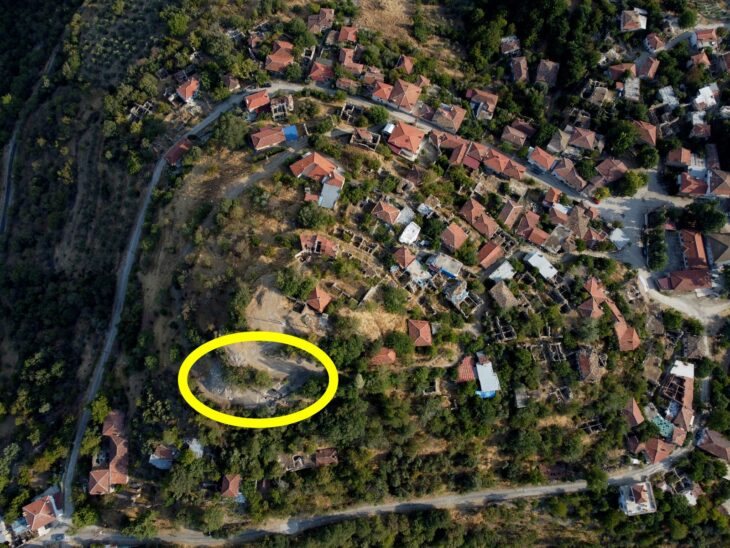
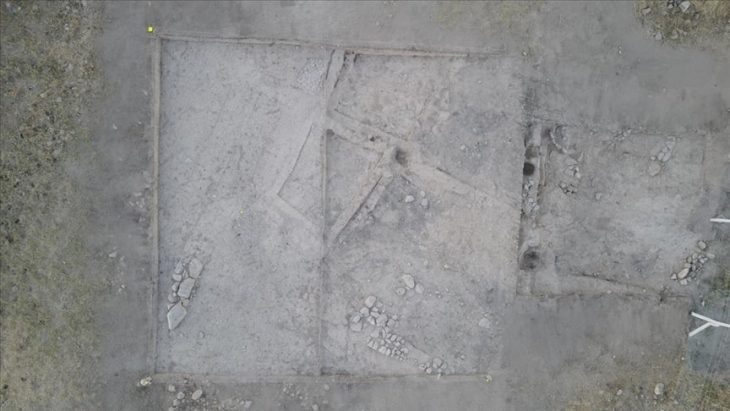
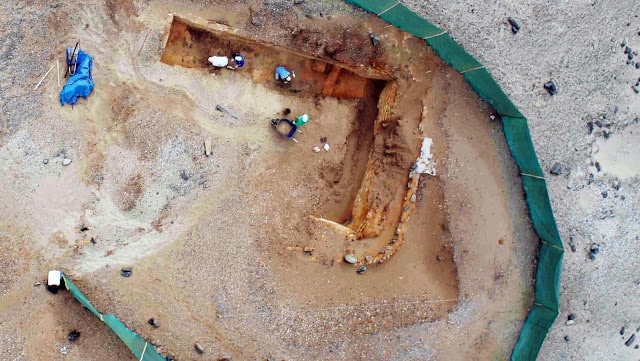
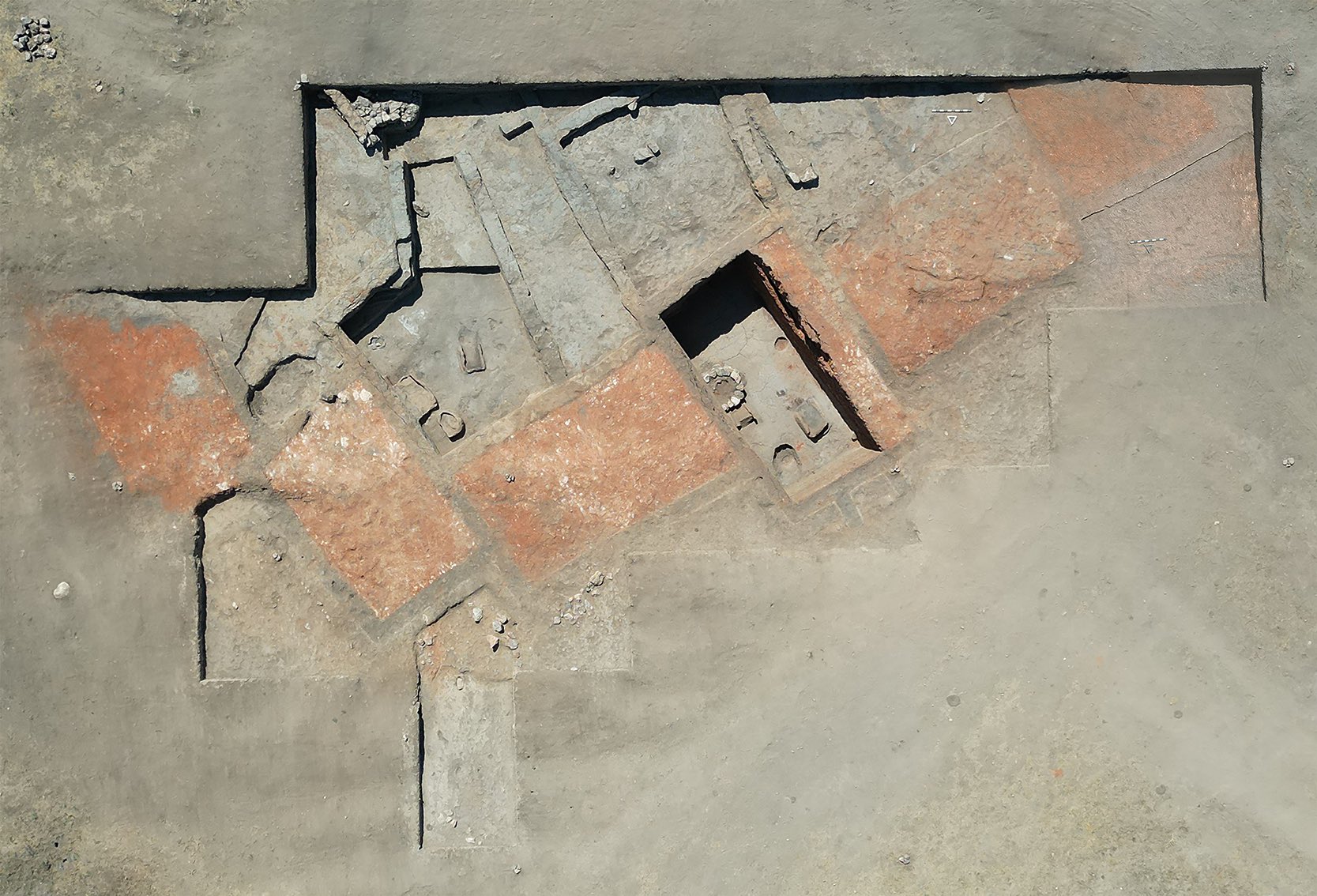
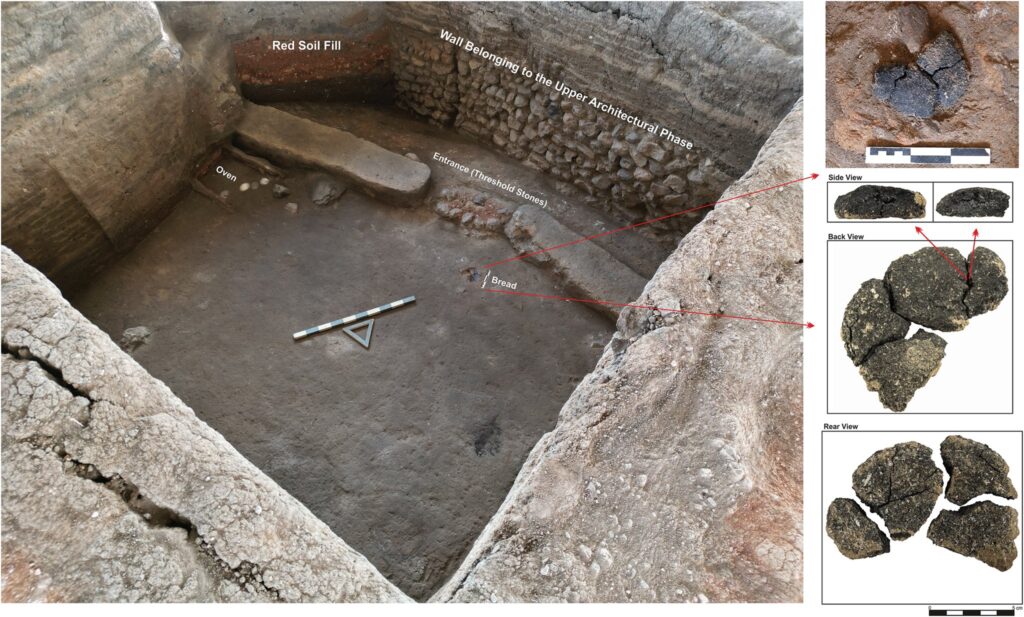
The bread, dating to approximately 3000 BCE, was discovered intact near the entrance of a structure during excavations at Küllüoba. Measuring about 12 centimeters in diameter, it had been deliberately carbonized and carefully sealed beneath a layer of clean soil—an unusual context that immediately set it apart.
Scientific analysis revealed that the loaf was made primarily from coarsely ground emmer wheat (Triticum dicoccum), mixed with a smaller amount of lentils (Lens culinaris). This combination suggests a surprisingly balanced and nutrient-rich recipe for the period.
📣 Our WhatsApp channel is now LIVE! Stay up-to-date with the latest news and updates, just click here to follow us on WhatsApp and never miss a thing!!
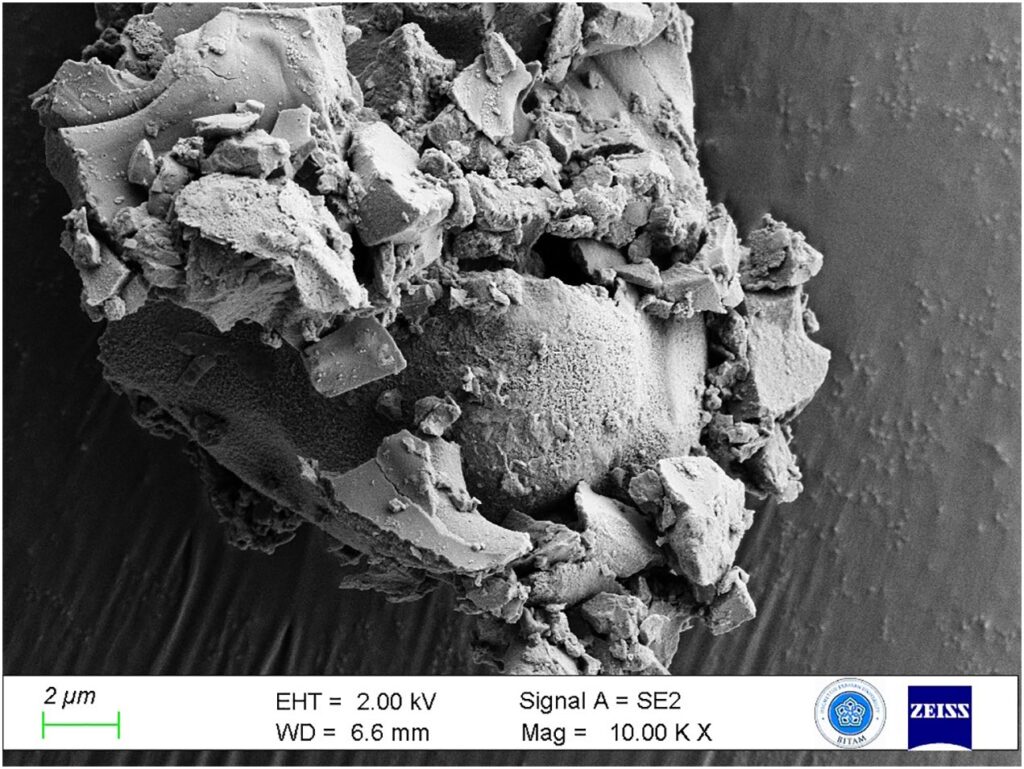
Microscopic examination uncovered irregular air pockets within the bread, indicating that the dough had been kneaded and possibly fermented—a detail that points to a level of culinary sophistication not always associated with early Bronze Age communities.
Even more telling was the presence of grain husk fragments, showing that the flour had not been finely sieved. Instead, the bread was made using whole, minimally processed ingredients, resulting in a dense, fiber-rich texture.
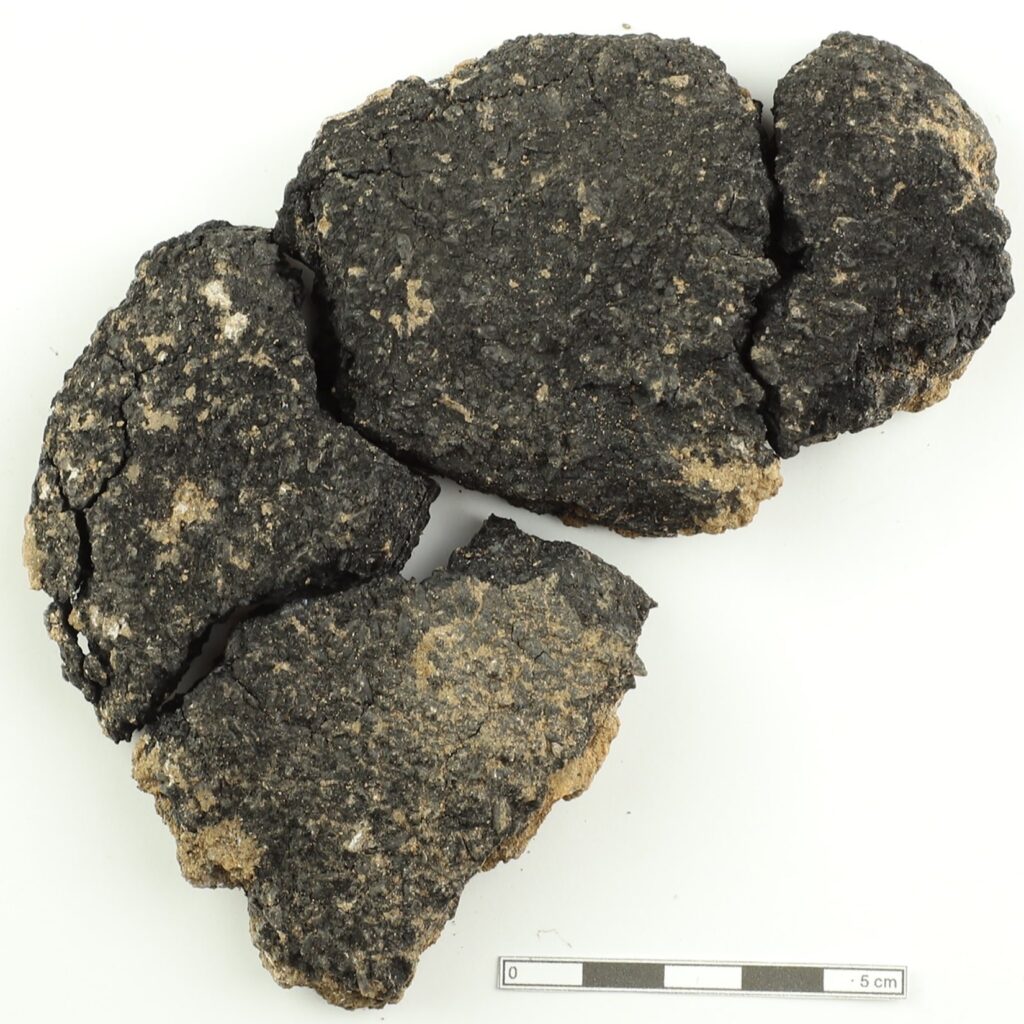
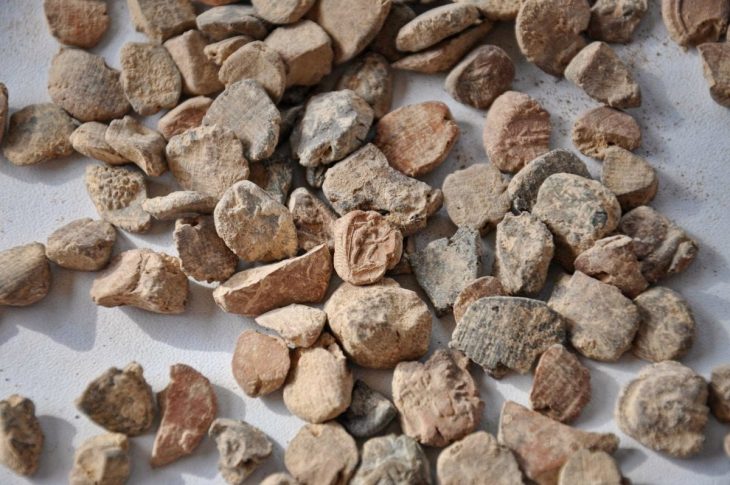
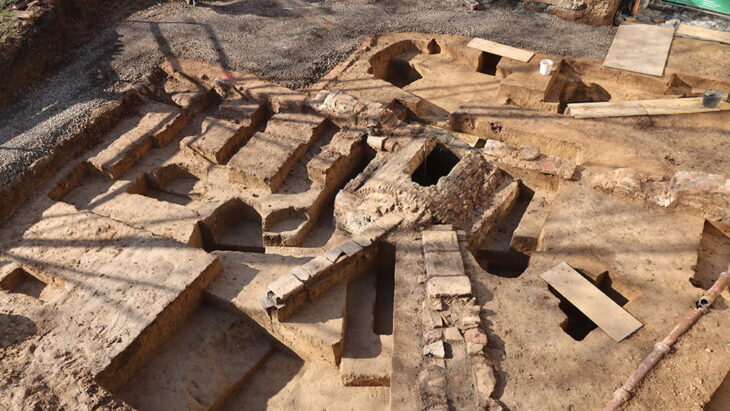
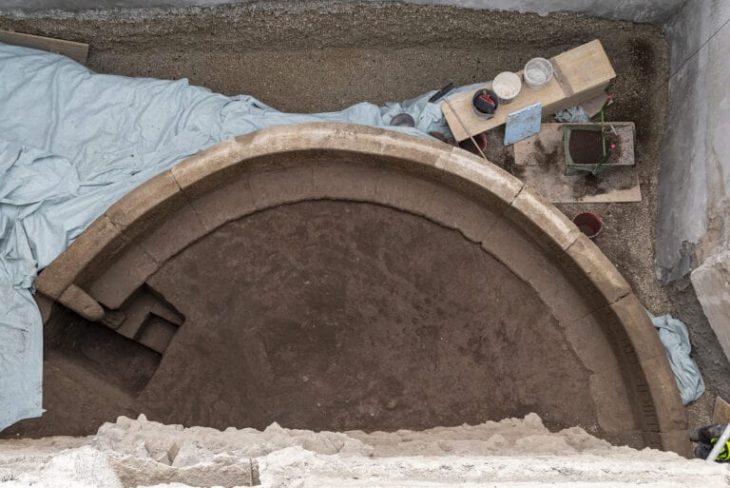
5,000-year-old bread discovered at Küllüoba in Anatolia reveals one of the earliest known recipes and evidence of ritual food practices in the Early Bronze Age. Credit: Kavak et al. (2026)
Early Food Technology Was More Advanced Than Expected
The study applied a suite of advanced archaeometric techniques—including scanning electron microscopy, Raman spectroscopy, and thermal analysis—to reconstruct how the bread was produced.
These methods revealed that the loaf had been baked at temperatures exceeding 150–160°C, suggesting controlled cooking conditions and possibly the use of ovens or well-managed hearths.
Chemical signatures detected within the sample confirmed the presence of carbohydrates, proteins, and lipids, offering a detailed snapshot of its nutritional composition. Meanwhile, the preservation of starch granules showed that the bread retained much of its internal structure even after baking and carbonization.
Taken together, the findings suggest that bread-making in Early Bronze Age Anatolia was not experimental or rudimentary—but already refined and intentional.
Not Just Food: A Ritual Offering
Yet perhaps the most striking aspect of the discovery is not how the bread was made, but why it was placed where it was.
The loaf was found just beside a doorway, intentionally burned and sealed beneath a sterile soil layer. This context strongly indicates that it was not discarded kitchen waste, but rather a deliberate deposit—likely part of a ritual associated with the abandonment of the building.
Such practices have parallels in earlier Neolithic traditions, where structures were sometimes ceremonially closed with offerings. The Küllüoba bread appears to represent a continuation of this cultural logic into the Early Bronze Age.
According to excavation director Prof. Dr. Murat Türkteki, the find demonstrates that bread was not merely a staple food, but also a symbolically charged object, embedded in social and ritual practices.
This interpretation aligns with broader archaeological evidence suggesting that bread has long functioned as a medium of meaning—linking nourishment, identity, and belief systems across cultures.
From Survival to Social Meaning
Bread’s origins stretch back even further than agriculture itself. Archaeological evidence from sites such as Shubayqa 1 in Jordan shows that hunter-gatherer communities were already producing bread-like foods over 14,000 years ago.
By the time of the Early Bronze Age, however, bread had become something more structured—both technologically and socially.
At Küllüoba, the choice of ingredients, the preparation techniques, and the ritual context all point to a society in which food production was deeply intertwined with organization, belief, and identity.
The inclusion of lentils alongside wheat suggests not only nutritional awareness but also culinary experimentation. Meanwhile, archaeobotanical data from the site shows a broader agricultural system involving barley, einkorn wheat, and other crops, reflecting a diversified food economy.
In this light, the bread is not an isolated artifact. It is part of a wider system—one that connects farming, cooking, and cultural expression.
A Rare Window into Ancient Life
Well-preserved bread remains from this period are exceptionally rare, especially those found in a clear ritual context. That rarity makes the Küllüoba discovery particularly valuable.
Unlike fragmented or ambiguous food residues, this loaf provides a complete, analyzable object—one that bridges the gap between everyday life and symbolic practice.
It also demonstrates the growing role of scientific techniques in archaeology. Without modern analytical methods, such as spectroscopy and thermal modeling, much of the bread’s story would have remained invisible.
What This Ancient Bread Tells Us About Early Societies
The Küllüoba bread offers something unexpectedly modern: a reminder that food has always been more than sustenance.
Five thousand years ago, people were already combining ingredients thoughtfully, managing cooking techniques precisely, and assigning meaning to what they consumed.
In that sense, the discovery resonates far beyond archaeology. It touches on enduring human questions—about how we eat, why we cook, and what food represents in our lives.
And perhaps most strikingly, it suggests that even in the earliest urbanizing societies of Anatolia, a simple loaf of bread could carry both nourishment and meaning.
Kavak, S., Tuna, Y., Eker, Y. R., Akyol, Ş., Özcan, A. C., & Türkteki, M. (2026). Archaeometric analysis of Early Bronze Age bread from Küllüoba Höyük. PLOS ONE, 21(3), e0344705. https://doi.org/10.1371/journal.pone.0344705
Cover Image Credit: Kavak et al. (2026)