Archaeologists working beneath the streets of Zaragoza, Spain, have uncovered the remains of what may be a Roman bridge with aqueduct functions, a rare structure that is reshaping historians’ understanding of how the ancient city of Caesaraugusta was planned and supplied with water nearly two millennia ago.
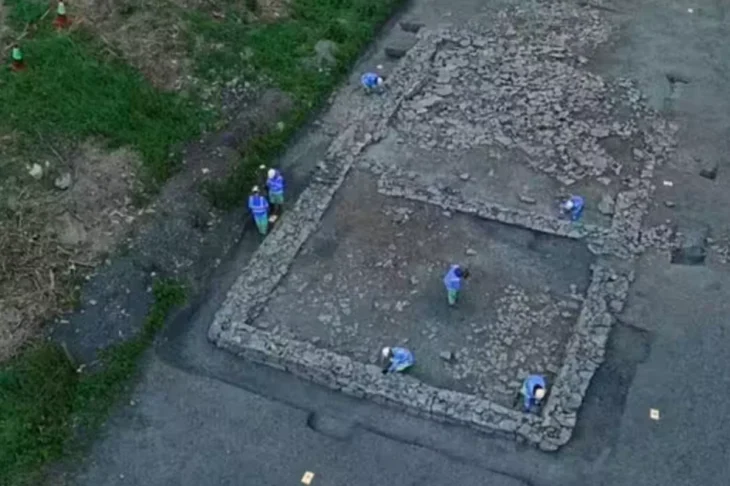
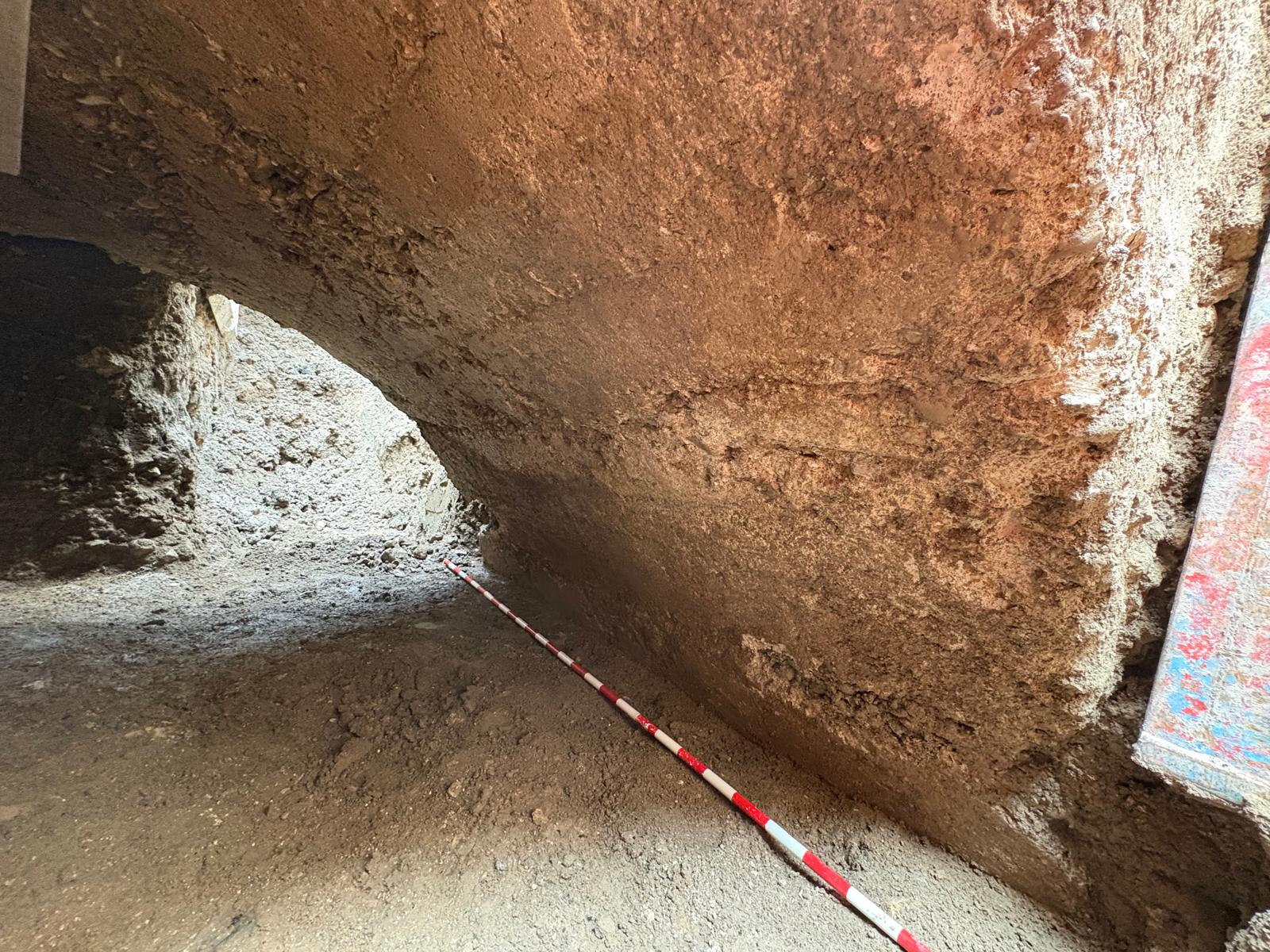
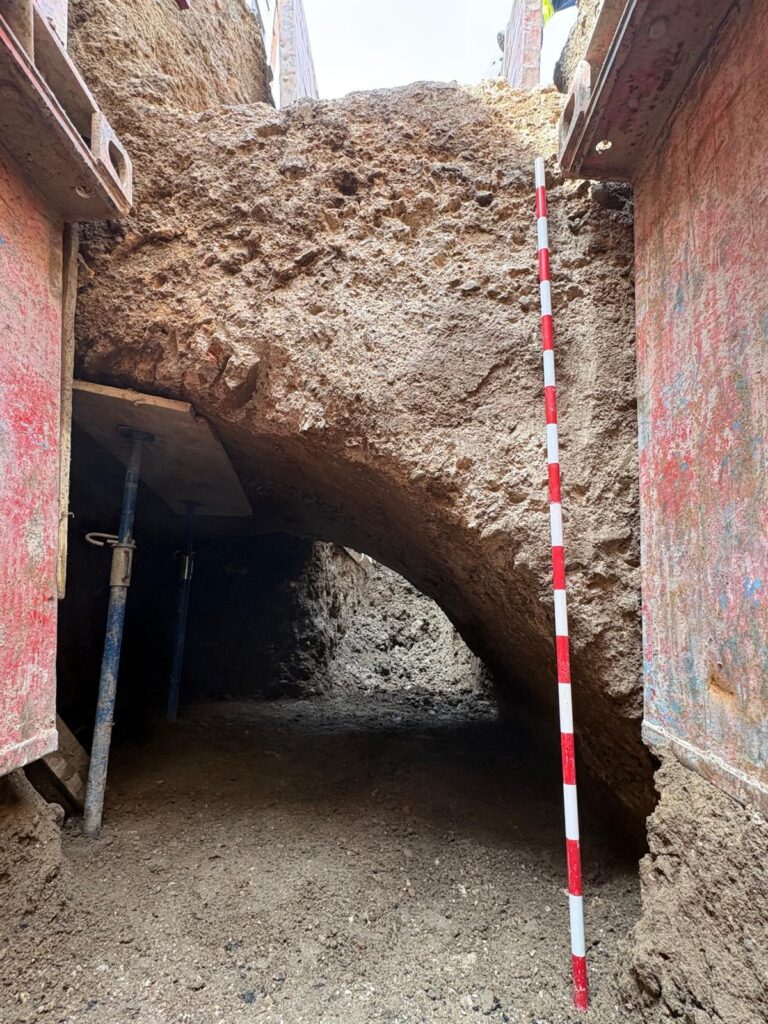
The discovery emerged during urban renewal works at San Miguel Square and the historic Coso avenue, where infrastructure upgrades prompted archaeological monitoring of the subsurface layers. At roughly four meters below the modern street level, archaeologists encountered a large Roman arch built from opus caementicium, the durable concrete widely used by Roman engineers.
According to municipal archaeologists, the structure may once have formed part of a bridge that also carried water into the Roman city, effectively functioning as a combined bridge-aqueduct system. If confirmed, it would represent the first archaeological evidence of such a structure ever documented in Zaragoza.
A Roman Engineering Structure Hidden Beneath the City
The remains were discovered in trenches opened at the intersection of Coso and Espartero Street, an area that in Roman times lay near a natural depression or shallow valley. Archaeologists believe the newly discovered structure originally crossed this low area, enabling both transport and water management within the city.
The construction material—Roman hydraulic concrete—suggests the structure dates back to the early decades after the foundation of Caesaraugusta, a Roman colony established during the reign of Emperor Augustus around the late 1st century BC.
📣 Our WhatsApp channel is now LIVE! Stay up-to-date with the latest news and updates, just click here to follow us on WhatsApp and never miss a thing!!
José Juan Domingo, head of Zaragoza’s Municipal Archaeology Service, explained that the find could represent a key piece in understanding the city’s infrastructure.
“This discovery is extremely important for the historical record,” Domingo noted. “It is the first structure of this type identified in Zaragoza, and it provides valuable information about how the Roman city managed its water supply and urban planning.”
Water Supply and Urban Planning in Caesaraugusta
The discovery also sheds new light on one of the long-standing questions about Roman Zaragoza: how water from the nearby Huerva River reached the city.
Archaeologists now suspect that the newly discovered structure may have functioned as part of an early hydraulic system transporting water from the river into the urban center. Such systems were common in Roman cities, where aqueducts and engineered bridges ensured reliable water access for baths, fountains, and domestic consumption.
Although Caesaraugusta is known to have possessed advanced Roman infrastructure, the exact configuration of its water supply network has remained partly hypothetical.
The new find may therefore provide crucial physical evidence to support or refine these theories.
Redefining the Boundaries of the Roman City
Beyond its hydraulic significance, the structure is also helping researchers better understand the original extent of Caesaraugusta itself.
For decades, scholars debated whether the area between the Coso avenue and the Huerva River had been a peripheral district or a later suburban expansion.
The newly documented archaeological layers suggest otherwise.
According to Domingo, the remains indicate that this zone formed part of the consolidated Roman city from its earliest phases, rather than a secondary neighborhood or vicus that developed later outside the core urban area.
If confirmed, this interpretation expands the known footprint of ancient Caesaraugusta and suggests that Roman Zaragoza was already larger and more integrated than previously assumed.
Documenting and Preserving the Structure
Following the discovery, the archaeological team carried out a full documentation process including photography, detailed drawings, and 3D scanning of the structure.
Rather than removing the remains, authorities have opted to preserve the structure in situ beneath the pavement, a common conservation strategy in European cities where archaeological remains lie beneath active urban environments.
Once documented, the structure was carefully protected and reburied so that the modernization works in the area could continue without damaging the heritage site.
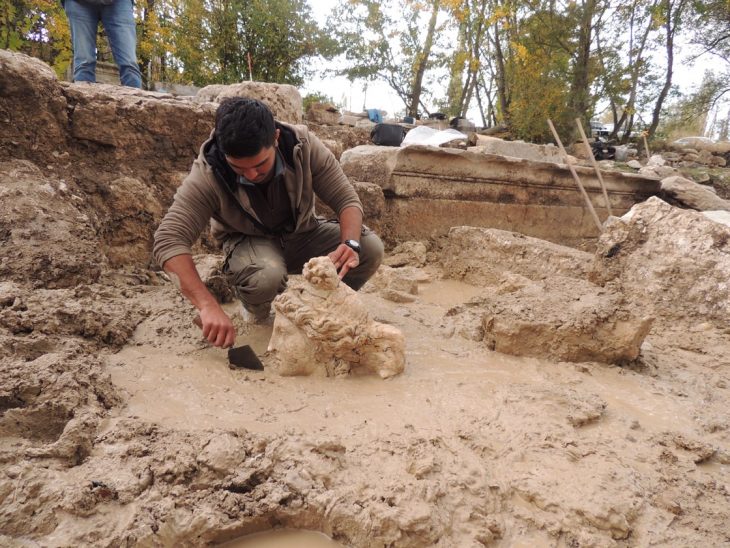
However, the importance of the discovery has prompted archaeologists to open an additional test excavation nearby to determine whether more sections of the structure survive underground.
If additional arches or associated channels are found, researchers may be able to reconstruct the original dimensions and full function of the structure.
Layers of History Beneath Zaragoza
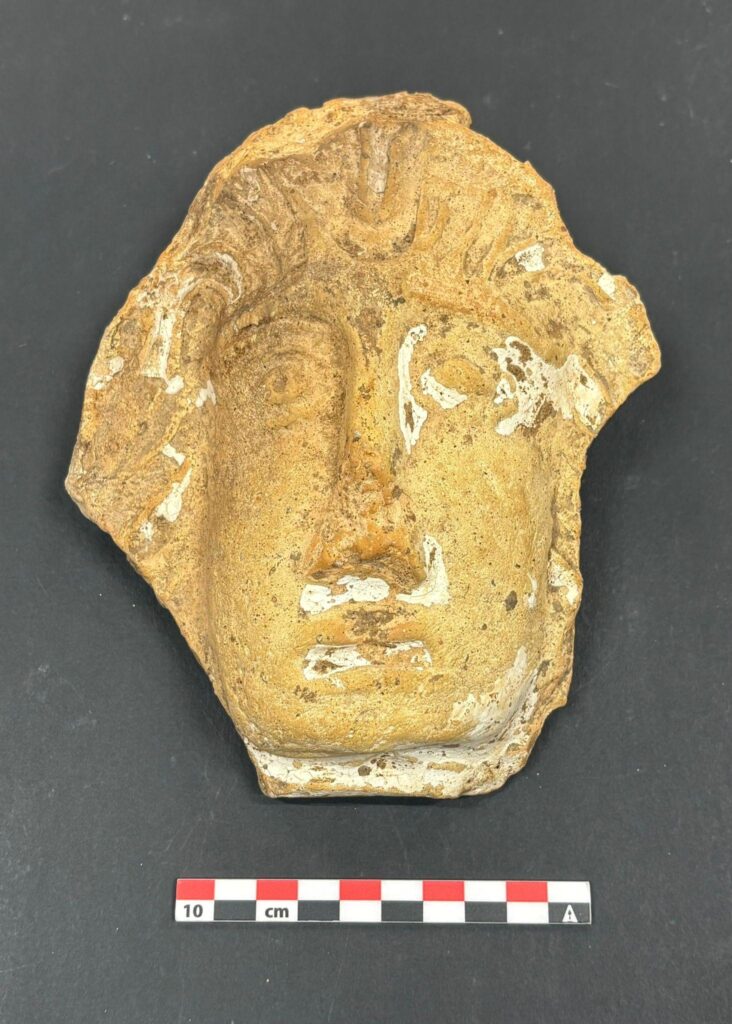
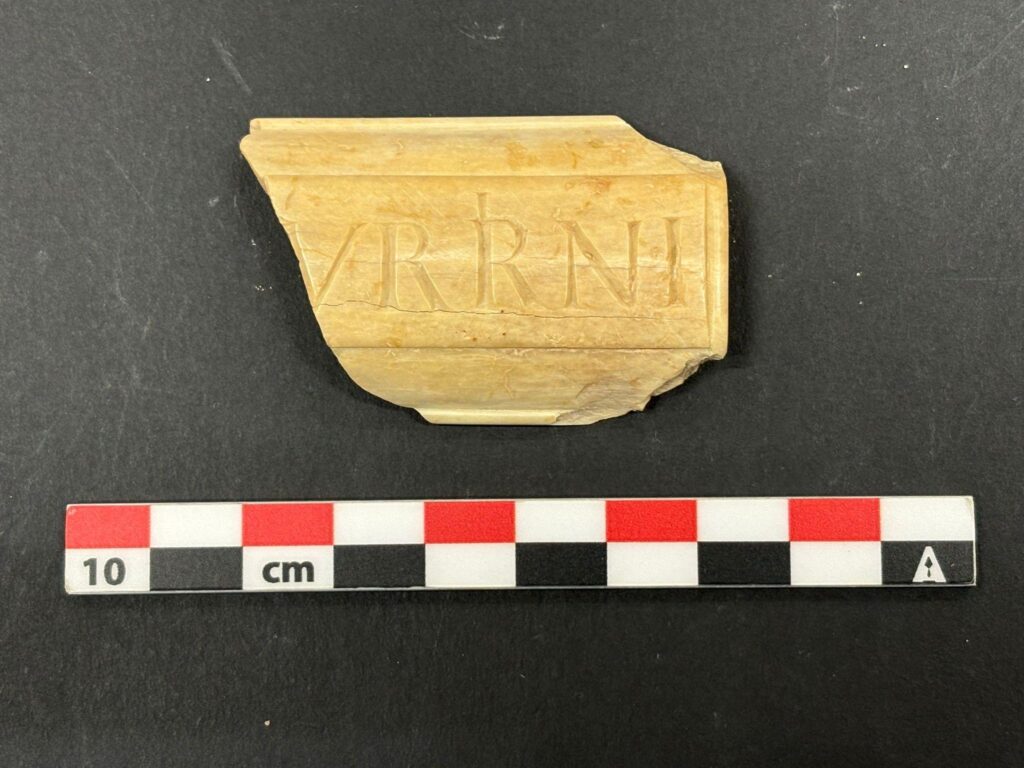
The excavations have also yielded a variety of archaeological artifacts from different historical periods, including pottery fragments and other material remains. These items have been transferred to municipal laboratories for cleaning, analysis, and cataloging.
Archaeologists caution that many remains in Zaragoza’s underground layers appear fragmented or poorly preserved, partly because for centuries construction projects were carried out without archaeological supervision.
Systematic heritage monitoring of urban works only began in the 1980s, meaning that earlier building activities often disturbed or destroyed archaeological contexts.
Despite these challenges, each new discovery adds another piece to the complex historical puzzle of the city.
A City Built on Roman Foundations
Founded as Colonia Caesar Augusta, Zaragoza was one of the most important Roman urban centers in the Ebro Valley and the only city in the Roman Empire named directly after Emperor Augustus.
Over the centuries, its Roman streets, walls, and infrastructure were gradually buried beneath layers of later construction.
Today, modern urban works continue to reveal fragments of that ancient past—sometimes just a few meters below the pavement.
The newly discovered bridge-aqueduct structure beneath the Coso is another reminder that the Roman city still lies hidden beneath Zaragoza, waiting to be rediscovered piece by piece as the modern city evolves above it.
Cover Image Credit: Ajuntament de Zaragoza