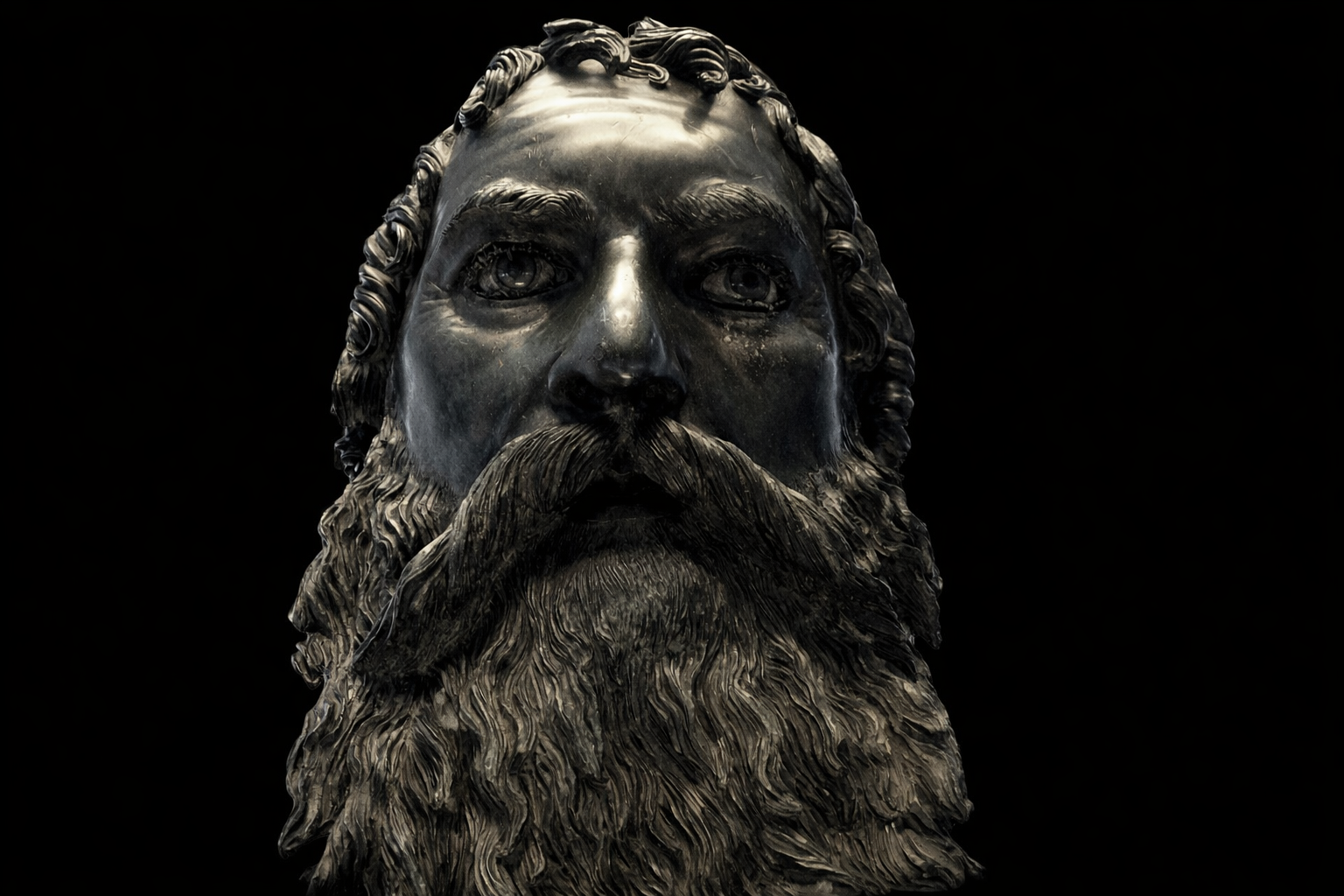
New research sheds light on a long-standing ancient mystery, suggesting that a previously unknown figure named Epimenes may have served as the personal physician of King Seuthes III of Thrace.
For more than seven decades, a massive stone inscription discovered in central Bulgaria has puzzled historians. Known as the Great Inscription of Seuthopolis, the text dates back over 2,300 years and records a solemn oath involving the Thracian royal family. At the heart of the inscription stands a shadowy individual named Epimenes—a man so important that kings and queens swore publicly to protect him, yet so enigmatic that his identity remained unknown.
Now, a recent academic study published in Studies in Ancient Art and Civilization proposes a compelling solution: Epimenes was likely the personal physician of the Odrysian king Seuthes III, one of the most powerful Thracian rulers of the early Hellenistic age.
The Discovery of Seuthopolis and Its Greatest Puzzle
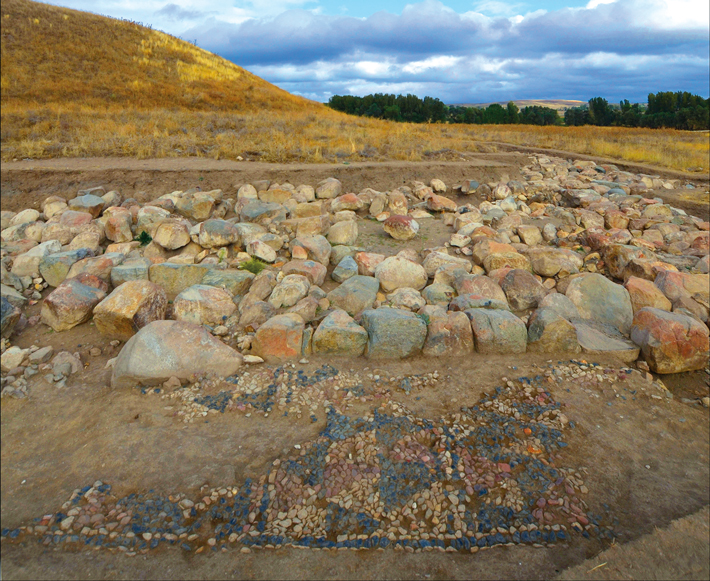
The story begins in 1953, when rescue excavations in what is now central Bulgaria revealed the ruins of an unknown ancient city. Archaeologists soon realized they had uncovered Seuthopolis, a royal capital founded at the end of the 4th century BCE and named after its ruler, King Seuthes III.
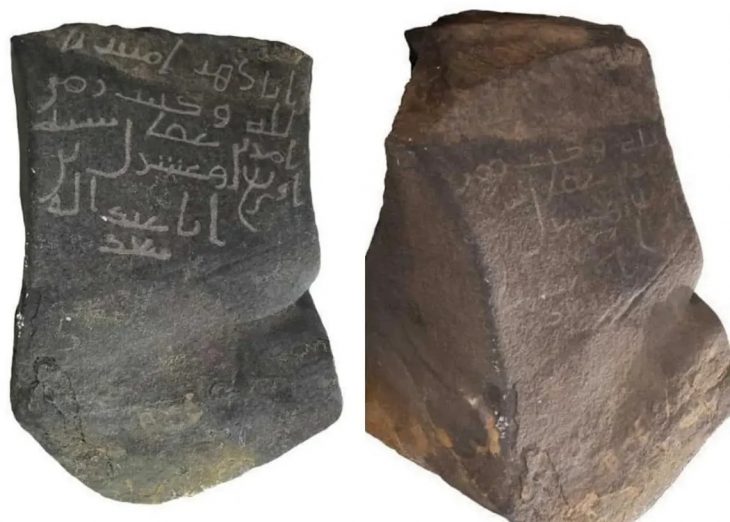
Within the palace complex—specifically in a temple dedicated to the Great Gods of Samothrace—researchers found a large Greek inscription carved on stone. The text records an oath sworn by Queen Berenice and her sons, confirming that Epimenes and all his possessions were to be handed over to another ruler, Spartokos, for lifelong service. Crucially, the oath guarantees Epimenes’ personal safety and the protection of his property.
📣 Our WhatsApp channel is now LIVE! Stay up-to-date with the latest news and updates, just click here to follow us on WhatsApp and never miss a thing!!
But who was this man, important enough to require such extraordinary legal and religious safeguards?
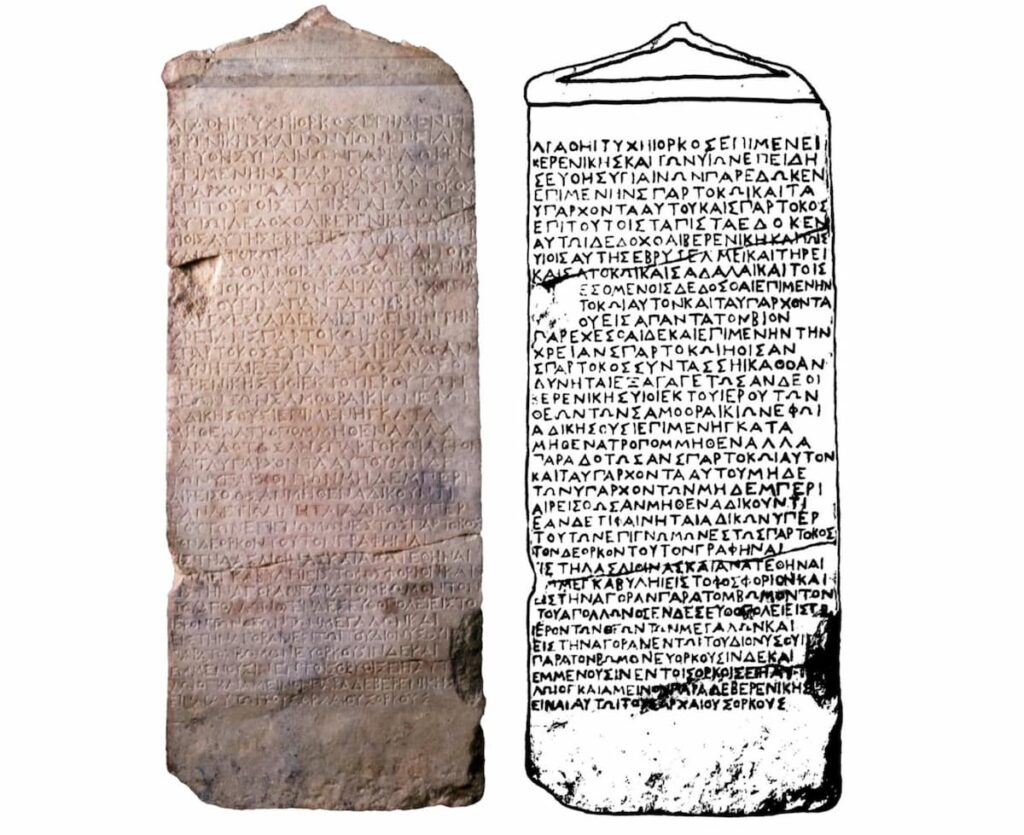
A New Interpretation: Epimenes as Royal Physician
In their study, historians Jordan Iliev and Andrii Zelinskyi reexamined every detail of the inscription and earlier interpretations. Their conclusion challenges decades of speculation that portrayed Epimenes as a military commander, political hostage, or temple servant.
Instead, the researchers argue that Epimenes was a highly specialized professional, most plausibly a physician attached to the royal household.
One key detail supports this theory: the inscription explicitly states that Seuthes III transferred Epimenes “while being in good health.” Such a remark is extremely rare in ancient legal texts and would be unnecessary unless health itself were central to the relationship. The authors suggest that this phrase subtly acknowledges Epimenes’ medical role.
Equally telling is the fact that Epimenes and his possessions are inseparable throughout the text. He had no entourage, no political title, and no territorial authority—yet his personal belongings were so important that confiscating them was strictly forbidden. This fits well with the idea of a physician whose portable tools, medicines, and instruments were essential to his work.
Life Inside the Palace Walls
Another striking clue lies in Epimenes’ residence. According to archaeological evidence, he lived in the temple of the Samothracian Gods, located within the most secure part of the royal palace, next to the throne room itself. This would have been an impossible refuge for an ordinary fugitive.
For Iliev and Zelinskyi, the location makes sense only if Epimenes needed constant access to the king and his family—exactly what would be expected of a personal physician in a royal court.
The gods invoked as guarantors of the oath add further weight. Copies of the inscription were displayed near sanctuaries of Apollo, the Greek god of healing, and Artemis Phosphoros, associated with childbirth and well-being. Their presence may have been deliberately chosen to reflect Epimenes’ medical function and to reassure him of divine protection.
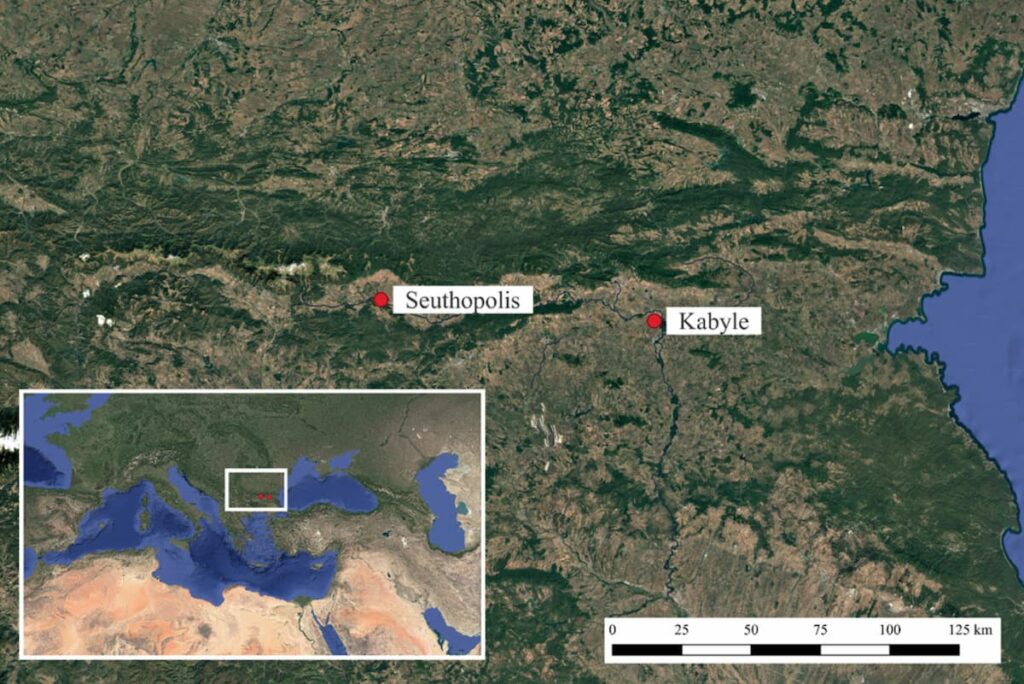
Who Was King Seuthes III?
Understanding Epimenes also requires understanding the man he served. Seuthes III ruled the Odrysian kingdom during a turbulent period following the death of Alexander the Great. A skilled political operator, Seuthes navigated the power struggles between Alexander’s successors while consolidating his own authority in Thrace.
He founded Seuthopolis as a planned royal capital, blending Thracian traditions with Greek urban design, administration, and language. His court was cosmopolitan, attracting Greek artisans, scribes—and, quite possibly, physicians trained in the Hippocratic tradition.
Royal medicine was not a luxury in the Hellenistic world but a necessity. Kings depended on personal physicians not only for treatment, but also for survival in an era of intrigue, poisonings, and constant warfare.
Parallels from Ancient History
The scholars point to a famous parallel: Democedes of Croton, a celebrated Greek physician who served the Persian king Darius I in the 6th century BCE. Like Epimenes, Democedes enjoyed high status and wealth but lacked personal freedom, remaining bound to royal service. Even royal oaths were sworn in his favor after successful treatments.
Epimenes’ situation appears remarkably similar—valuable, protected, indispensable, yet not free.
How Did Epimenes Reach Thrace?
The study outlines several possibilities. Epimenes may have arrived voluntarily from Greek coastal cities known for medical expertise. Alternatively, he could have been captured during conflicts between Seuthes III and the Macedonian general Lysimachus. A third scenario links him to Queen Berenice herself, who was likely of Macedonian aristocratic origin and may have brought a personal physician with her.
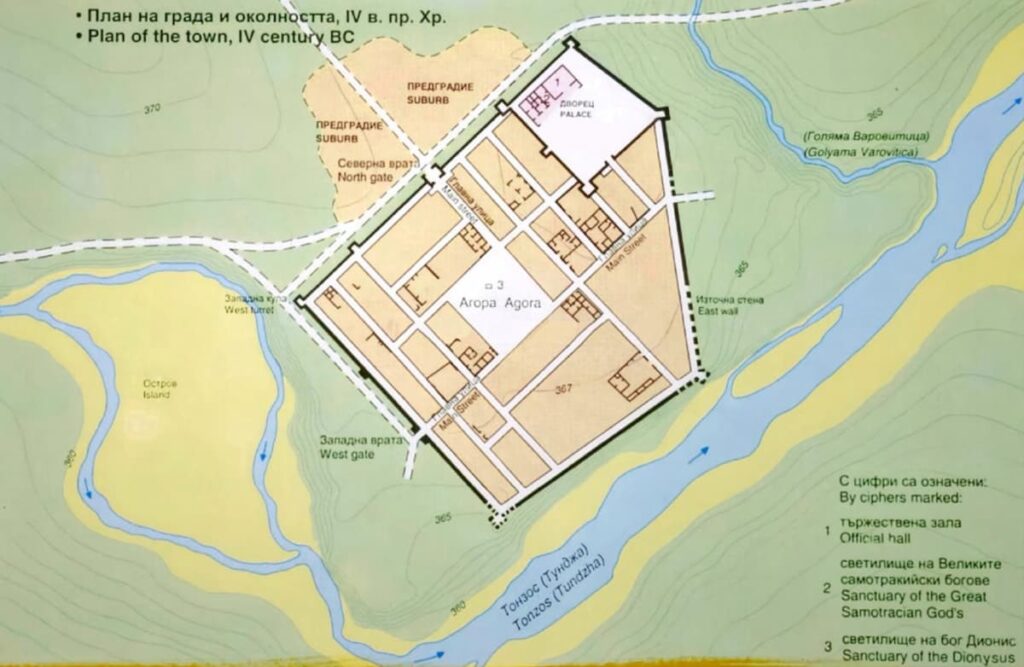
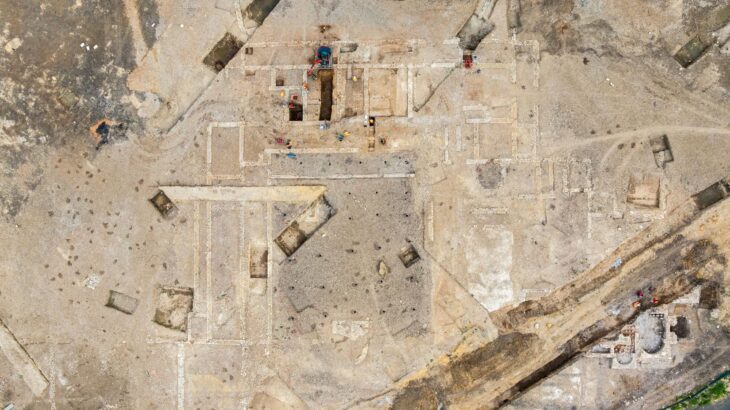
Plan of Seuthopolis highlighting the royal palace and the Temple of the Great Samothracian Gods, where the Great Inscription was displayed within the court of King Seuthes III. Credit: Jordan Iliev, Andrii Zelinskyi (2025), Studies in Ancient Art and Civilization
A Mystery Reframed, Not Closed
No medical instruments have yet been found at Seuthopolis, and Epimenes is mentioned nowhere else in surviving sources. The authors are careful to present their conclusion as a well-supported hypothesis, not a definitive solution.
Still, by grounding their argument entirely in epigraphic evidence and historical parallels, Iliev and Zelinskyi offer the most coherent explanation to date.
More than 2,300 years after it was carved in stone, the Great Inscription of Seuthopolis may finally be telling us what it was meant to preserve: the story of a king, his family, and the physician entrusted with their lives.
Iliev, J., & Zelinskyi, A. (2025). Epimenes of Seuthopolis as a possible physician in the Odrysian royal court. Studies in Ancient Art and Civilization, 29, 119–136. https://doi.org/10.12797/SAAC.29.2025.29.06
Cover Image Credit: Bronze Head of Seuthes III, sculpted by Silanion or one of his circle of sculptors. Public Domain