10 December 2025 The Future is the Product of the Past

A 2,000-year-old Roman sewage system has been discovered in western Turkey

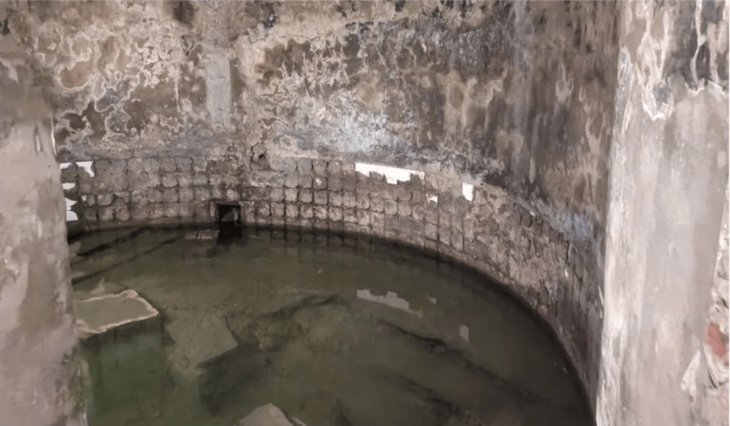
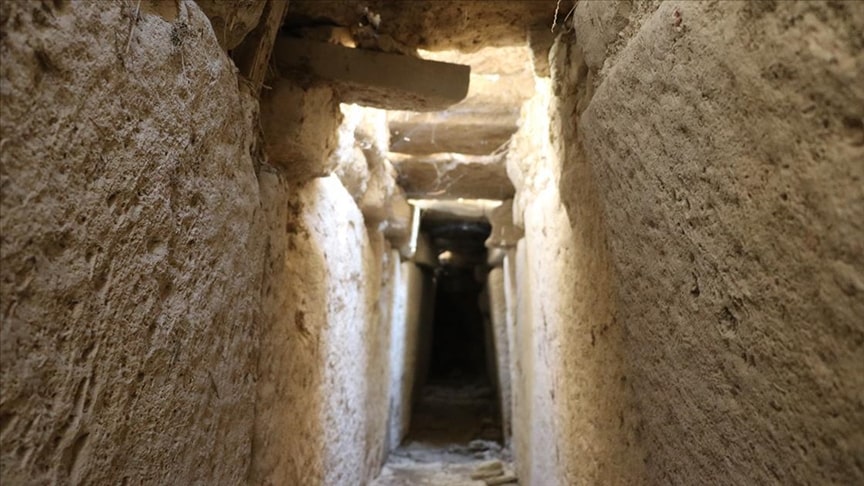
The archaeological excavations carried out in the ancient city of Tripolis in the western province of Denizli’s Buldan district have unearthed the Roman-era sewage system.

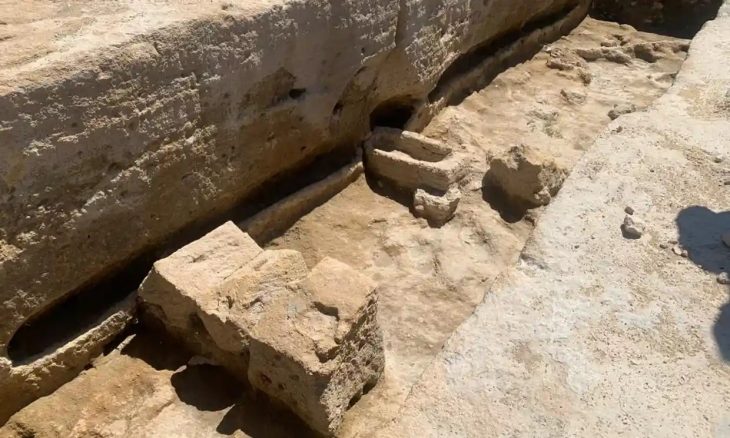
The Roman-era sewage system, 160 centimeters (5.2 feet) in height and 70 centimeters (2.3 feet) wide.

The excavations have been carried out throughout the year in the ancient city under the direction of Bahadır Duman, associate profession at the Pamukkale University’s Archaeology Department.

Duman told the state-run Anadolu Agency that they had been working in three areas. “While working in the sanctuary, which we can call the heart of the city, we found various finds dating back to the Hellenistic era. A sewer system was detected right under the 1-kilometer-long Colonnaded Street, which is one of the main roads of the city. This year, we cleaned a part of it during the excavations. The gigantic sewer has dimensions that a person can easily enter and walk through,” he said.

Duman stated that all the wastewater of the city was collected in this main sewer system and transferred to Buldan Stream and from there to the Büyük Menderes River at that time.


📣 Our WhatsApp channel is now LIVE! Stay up-to-date with the latest news and updates, just click here to follow us on WhatsApp and never miss a thing!!
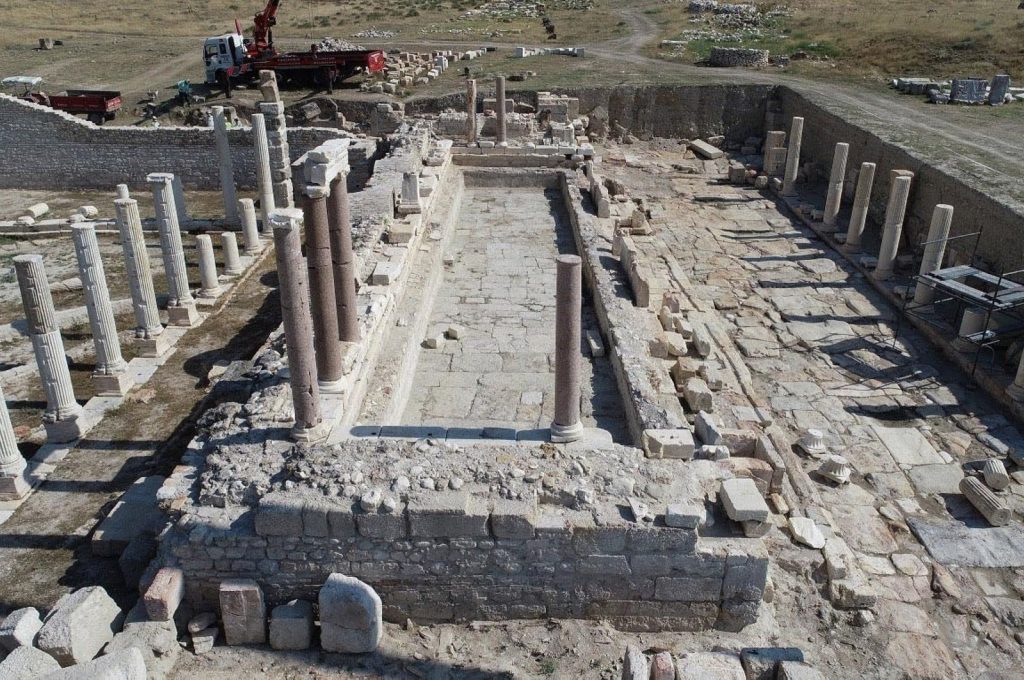


Tripolis Ancient City

Noting that the sewage system reveals the Roman architecture and engineering, Duman said: “The difference of the system in Tripolis from the others is that it is still intact. The main sewer system is one of the rare examples, which makes it important. The city has two 9-meter-wide streets that we have found so far. We believe that this system was made to provide a clean environment. We are planning to open the sewerage systems under all the main streets within five years.”

Related Articles

Portugal’s Enigmatic Roman Building “Tower of Centum Cellas”

4 February 2024

4 February 2024

The Tower of Centum Cellas (also known as the “Tower of St. Cornelius”), located in the Mount of Santo Antão...

Return of a 4,250-year-old Hattian golden beak-spouted ewer to Turkey

27 October 2021

27 October 2021

The 4,250-year-old golden beak-spouted ewer was returned to the Anatolian Civilizations Museum by the Gilbert Art Foundation. Culture and Tourism...

Unprecedented necropolis site found in Cappadocia, one of Türkiye’s most important tourism centers

8 July 2024

8 July 2024

In Cappadocia, located in the Central Anatolia Region of Türkiye, known for its unique moon-like landscape, underground cities, cave churches,...

‘Incredibly Rare’ Roman Mausoleum Unearthed Near London Bridge Station

13 June 2023

13 June 2023

Archaeologists report discovering an “incredibly rare” and featured preserved floors and walls Roman mausoleum near London Bridge Station, UK. Archaeologists...

Mandrin cave in France shows Homo Sapiens arrived in Europe almost 10,000 years earlier than thought

10 February 2022

10 February 2022

According to archaeological research published in Science magazine on Wednesday, Homo sapiens ventured into the Neanderthal territory in Europe far...

Archaeologists find an Anglo-Saxon church at Stoke Mandeville excavation site

13 September 2021

13 September 2021

Archaeologists working on the HS2 project found the remains of an Anglo-Saxon church during their excavations at the former St...

Collectors In The Prehistoric World Recycled Old Stone Tools To Preserve The Memory Of Their Ancestors

16 March 2022

16 March 2022

A first-of-its-kind study at Tel Aviv University asks what drove prehistoric humans to collect and recycle flint tools that had...

Extraordinary 27,000-Year-Old Gravettian Female Figurine Head Discovered at Amiens-Renancourt, Northern France

9 July 2025

9 July 2025

Recent archaeological excavations at the Amiens-Renancourt 1 site in northern France have unveiled an extraordinary Gravettian-era female figurine head, dating...

The first mother-daughter burial from the Roman period found in Austria

3 May 2024

3 May 2024

Modern scientific methods are increasingly uncovering spectacular results from archaeological finds dating back a long time. A grave discovered 20...

Poland’s oldest copper axe discovered in the Lublin region

30 March 2024

30 March 2024

A copper axe from the 4th to 3rd millennium BC identified with the Trypillia culture was found in the Horodło...

Archaeologists Discovered a New Pyramid Resembling Teotihuacán in Tikal

17 April 2021

17 April 2021

Researchers discovered a new pyramid complex in the Tikal in Guatemala. About 65 km south of El Mirador in the...

Europe’s Oldest Blue Pigment Found in Stone Age Paint Box

30 September 2025

30 September 2025

Archaeologists in Germany have uncovered the earliest evidence of blue pigment ever used in Europe, rewriting our understanding of Stone...

Uncovering the People of the Sunken Land: Homo erectus Rises Again in the Madura Strait

13 October 2025

13 October 2025

Beneath the waves between Java and Madura, scientists have unearthed the first underwater fossils of Homo erectus— revealing a lost...

Excavations at Sheffield Castle Reveal the First Surviving Examples of 17th-Century Civil War Abatis

9 March 2025

9 March 2025

Excavations at Sheffield Castle, part of the Castlegate regeneration project by Sheffield City Council, have revealed the first known surviving...

Britain’s Hidden Treasures: The Pieces of Rare Iron Age Helmet Found at Snettisham

19 January 2025

19 January 2025

Thanks to advanced scientific testing, the copper alloy fragments unearthed at Snettisham, Norfolk, at one of Britain’s most significant archaeological...