A remarkable archaeological discovery in central China is shedding new light on one of the earliest known civilizations in East Asia. Researchers, drawing on findings reported by Xinhua News Agency, have uncovered a sophisticated water management system dating back approximately 4,000 years in Henan Province. The discovery offers compelling evidence of advanced urban planning and state-level organization during the time of the Xia Dynasty.
Major Discovery at Wangchenggang Site
The excavation took place at the Wangchenggang Site, located in the historic city of Dengfeng. This site has long been considered crucial for understanding early Chinese civilization, and the latest findings reinforce its importance.
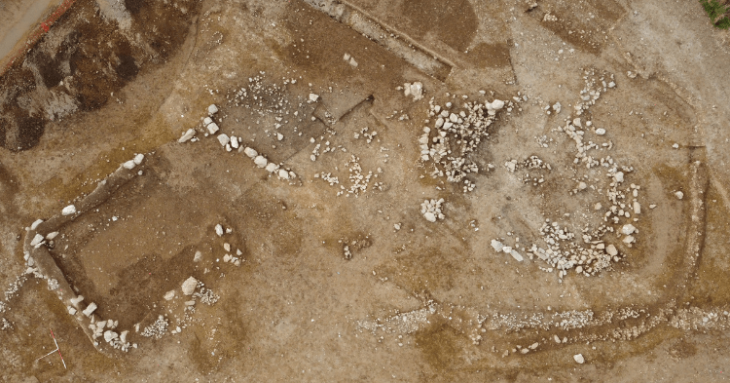
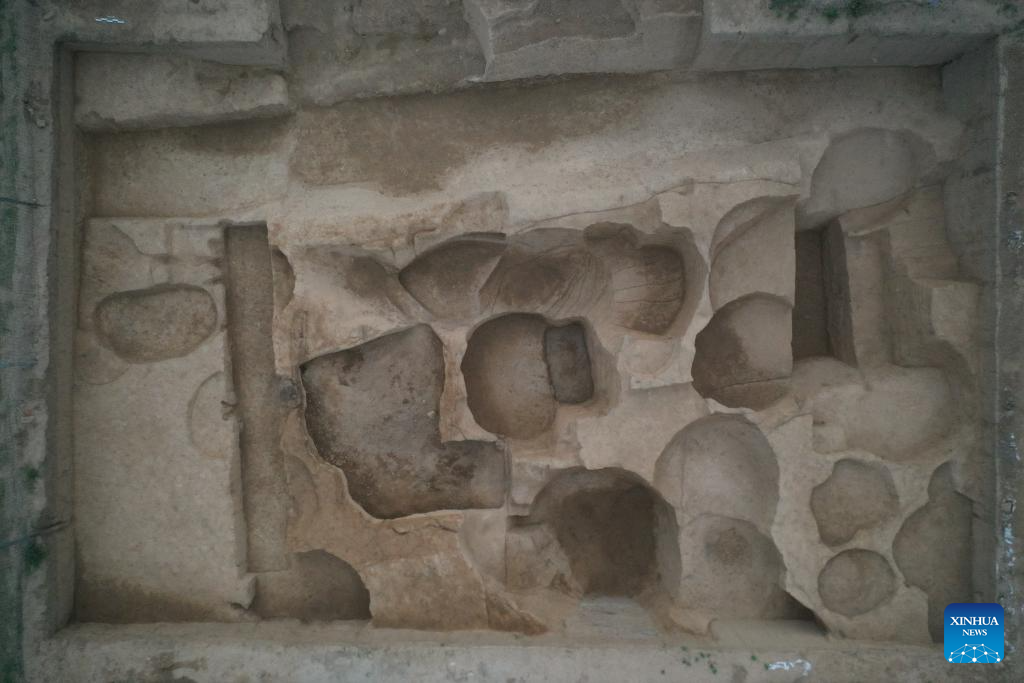
Archaeologists identified two large artificial ditches from the early Xia period. Each ditch measures roughly three meters in width and extends over 120 meters in length. Running in a north-south direction, these ditches connect to a broader moat approximately 10 meters wide. Together, they form a comprehensive system designed for water supply, drainage, and spatial organization.
According to lead archaeologist Ma Long, the uniform structure of the ditches indicates a high level of engineering precision. “The consistency in design shows deliberate planning and technical expertise,” he noted. The construction would have required the removal of thousands of cubic meters of earth, suggesting coordinated labor on a large scale.
Evidence of Early Urban Planning
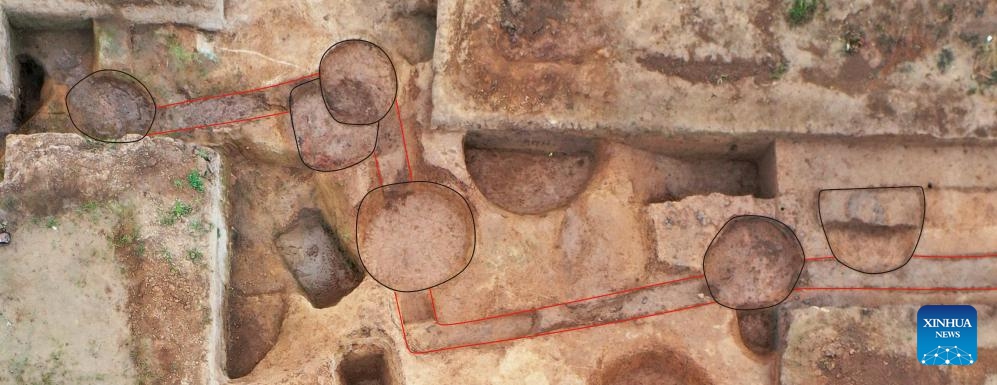
Beyond the main ditches and moat, researchers uncovered a network of smaller channels ranging from 0.3 to one meter in width. These secondary channels appear to have been connected to residential structures and kilns, providing efficient drainage for rainwater and wastewater. This system would have helped maintain dry and sanitary living conditions—an essential feature for any early urban settlement.
📣 Our WhatsApp channel is now LIVE! Stay up-to-date with the latest news and updates, just click here to follow us on WhatsApp and never miss a thing!!
Experts believe this layered and hierarchical water system reflects a sophisticated understanding of urban infrastructure. Yang Wensheng, vice director of the Henan Provincial Institute of Cultural Heritage and Archaeology, emphasized that such complexity points to standardized engineering practices and centralized control.
“This discovery demonstrates that even in the Xia Dynasty, there was already a unified organizational capacity,” Yang explained. “It is strong archaeological evidence of an early state-level society.”
The Xia Dynasty: Myth or Reality?
The Xia Dynasty has long occupied a unique place in Chinese history. Traditionally regarded as the first dynasty recorded in ancient texts such as the Records of the Grand Historian, its existence was once debated due to limited physical evidence.
However, discoveries like the one at Wangchenggang are increasingly bridging the gap between legend and archaeology. The scale and sophistication of the water system support the idea that the Xia Dynasty was not merely mythical but represented a real and organized political entity.
Henan Province, often referred to as the cradle of Chinese civilization, has yielded numerous artifacts from early dynastic periods. Its fertile plains along the Yellow River made it an ideal location for early settlements, agriculture, and the development of complex societies.
Broader Historical Significance
The newly discovered water channels provide insight not only into engineering but also into governance and social structure. Large-scale infrastructure projects typically require centralized authority, resource management, and labor organization—hallmarks of a functioning state.
Comparisons can be drawn with other ancient civilizations, such as Mesopotamia and Egypt, where irrigation systems played a crucial role in societal development. The Wangchenggang findings suggest that ancient China was developing similar capabilities independently, highlighting its parallel evolution as one of the world’s earliest centers of civilization.
Ongoing Research and Future Discoveries
Archaeologists are continuing their work at the site, with further excavations expected to reveal additional details about the settlement’s layout and daily life. Researchers hope to uncover more structures, artifacts, and possibly written records that could provide deeper insights into the Xia Dynasty.
As investigations progress, the discovery is likely to play a key role in reshaping our understanding of early Chinese history. It not only reinforces the historical credibility of the Xia Dynasty but also underscores the ingenuity and organizational capabilities of ancient societies.
The unearthing of a 4,000-year-old water channel network in central China marks a significant milestone in archaeology. By revealing advanced engineering and urban planning from the Xia Dynasty, the discovery offers a rare glimpse into the origins of Chinese civilization. As research continues, the Wangchenggang site may hold even more secrets waiting to be uncovered, further illuminating one of history’s earliest dynasties.
Cover Image Credit: This undated diagram shows a channel linking to individual buildings or kilns at the Wangchenggang site in Dengfeng, central China’s Henan Province. Credit: Henan Provincial Institute of Cultural Heritage and Archaeology/Handout via Xinhua