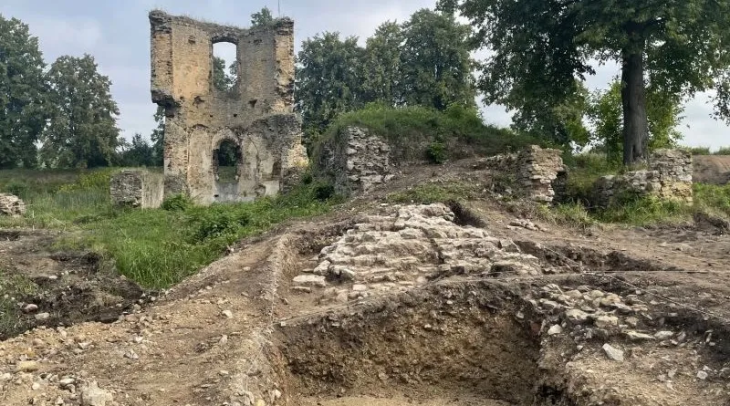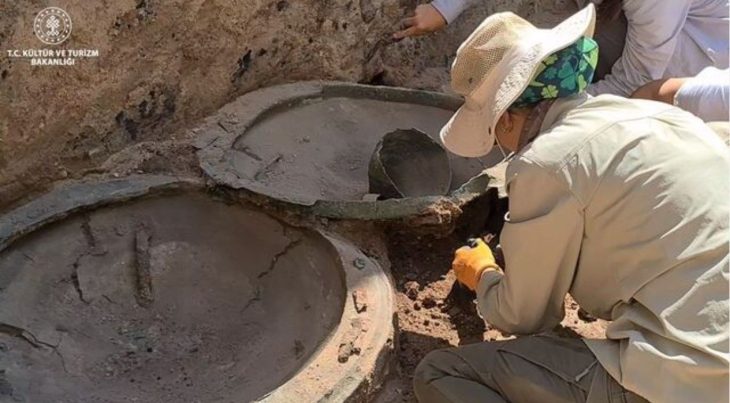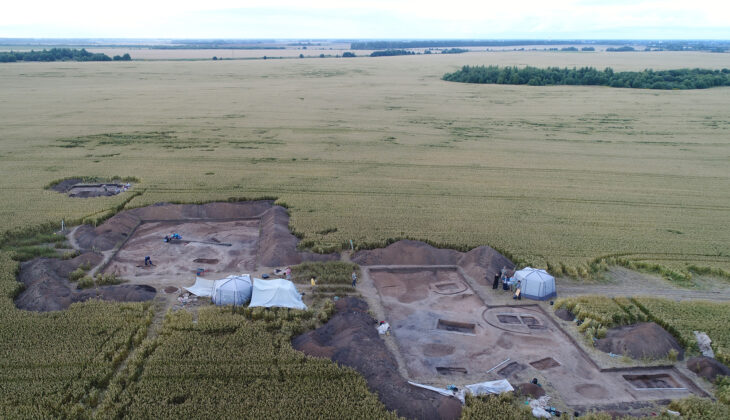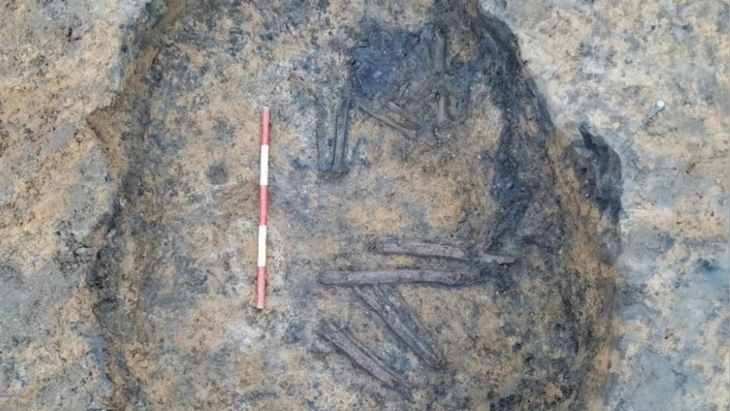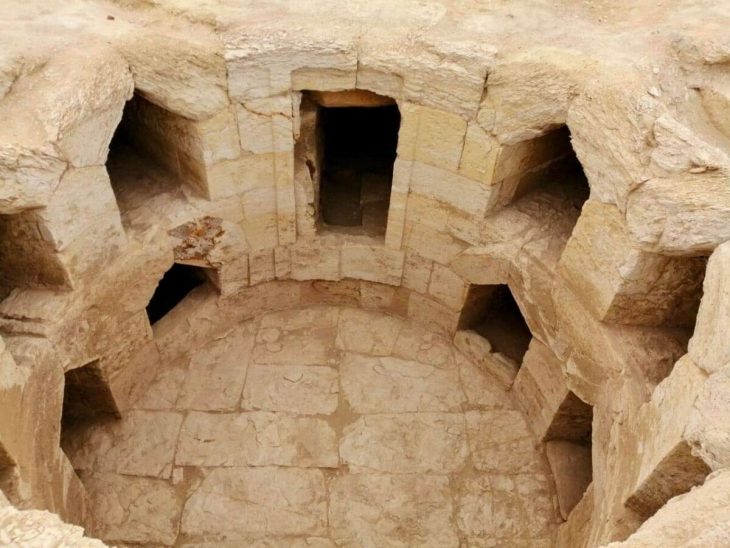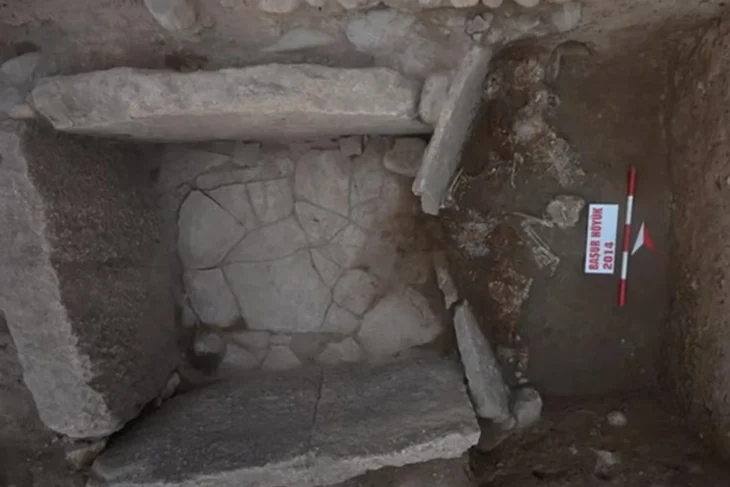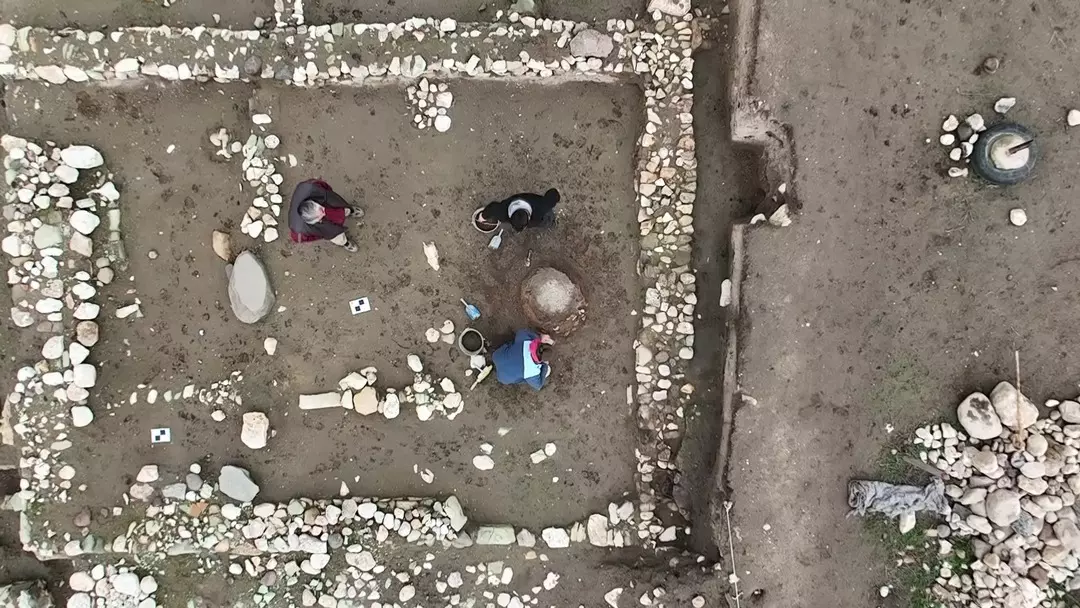
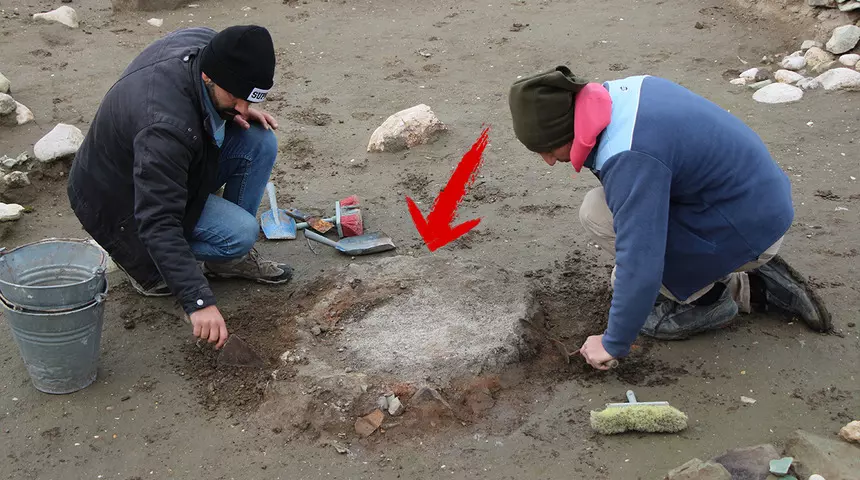
Archaeologists working at the ancient settlement of Oluz Höyük in northern Turkey have uncovered a remarkably well-preserved 2,600-year-old tandoor oven dating back to the Persian (Achaemenid) period, offering rare insight into the continuity of Anatolia’s culinary traditions.
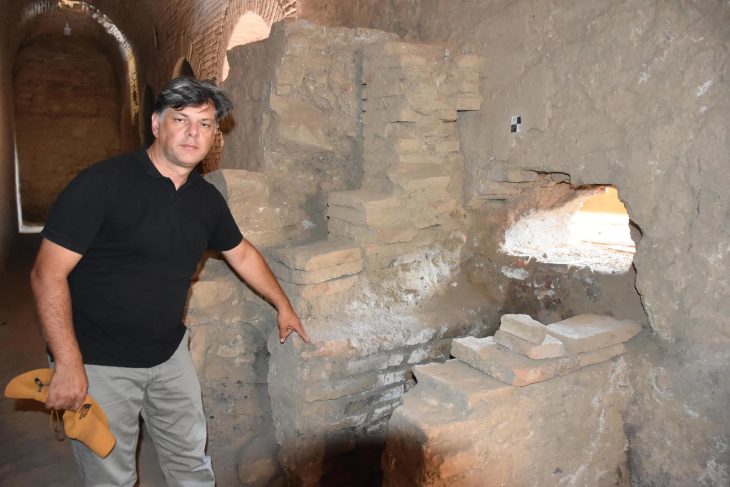
The discovery was made during the 19th excavation season at Oluz Höyük, located near the city of Amasya, under the direction of Prof. Dr. Şevket Dönmez from Istanbul University’s Department of Archaeology. According to Prof. Dönmez, the tandoor—crafted from fired clay and embedded beneath the ground—is visually almost identical to the traditional tandoors still used across Anatolia today.
“This tandoor is practically the same as those used in modern Anatolian villages,” said Prof. Dönmez. “The only difference is that this one is 2,600 years old.”
A Window into Ancient Daily Life
The tandoor was discovered alongside a stone workbench believed to have been used for kneading dough or grinding wheat, indicating that the area functioned as a domestic food preparation space. This finding strengthens the idea that bread-making and communal cooking practices were already well established in Anatolia during the Persian era.
Experts emphasize that oven-like cooking installations have existed in the region since the Neolithic period, but the Oluz Höyük tandoor stands out due to its advanced design and exceptional preservation.
📣 Our WhatsApp channel is now LIVE! Stay up-to-date with the latest news and updates, just click here to follow us on WhatsApp and never miss a thing!!
“This discovery shows just how deeply rooted Anatolia’s cooking technologies and traditions truly are,” Prof. Dönmez noted.
Earlier Discovery: Evidence of Keşkek
The newly uncovered tandoor also connects to a significant find made two years earlier at the same site. Archaeologists discovered a large clay pot in what is believed to be a Persian palace kitchen, containing animal bone fragments and cereal grains. Scientific analysis confirmed that the vessel had been used to prepare keşkek, one of Anatolia’s most ancient ceremonial dishes.
Keşkek is a traditional dish made by slow-cooking wheat (or barley) with meat, usually lamb or chicken, until it reaches a thick, porridge-like consistency. The dish is still prepared today for weddings, religious festivals, and communal celebrations, particularly in rural Anatolia. In 2011, keşkek was even recognized by UNESCO as an Intangible Cultural Heritage of Humanity.
“Keşkek was most likely cooked using these tandoors,” Prof. Dönmez explained. “This shows a direct cultural line from the Persian period to modern Anatolian cuisine.”
Oluz Höyük: A Multicultural Ancient Settlement
Oluz Höyük is considered one of the most important archaeological sites in the Central Black Sea region. The mound reveals uninterrupted settlement layers from the Late Bronze Age through the Hellenistic period, including a unique phase associated with Zoroastrian beliefs, making it one of the earliest known centers of Persian religious influence in Anatolia.
The site has yielded evidence of Persian administrative structures, ritual spaces, and domestic architecture, suggesting that Oluz Höyük played a significant role as a regional center during the Achaemenid Empire.
Living Traditions, Ancient Origins
The discovery of the tandoor not only enriches academic understanding of ancient Persian domestic life but also highlights the astonishing continuity of Anatolian food culture. From bread baked on tandoor walls to keşkek simmered for hours, these practices have endured for millennia with little change.
As excavations continue, researchers believe Oluz Höyük will provide even more answers about how ancient societies lived, cooked, and celebrated—proving that in Anatolia, the past is still very much alive at the table.
Cover Image Credit: İHA