In the shadow of Mount Vesuvius, the ancient Roman city of Pompeii met a catastrophic end in 79 AD. Yet nearly two millennia later, that same disaster continues to illuminate the intimate details of daily life in the Roman world. A groundbreaking scientific study led by researchers from the University of Zurich and LMU Munich has uncovered a remarkable story hidden in the ashes of household altars—one that connects domestic rituals to vast international trade networks.
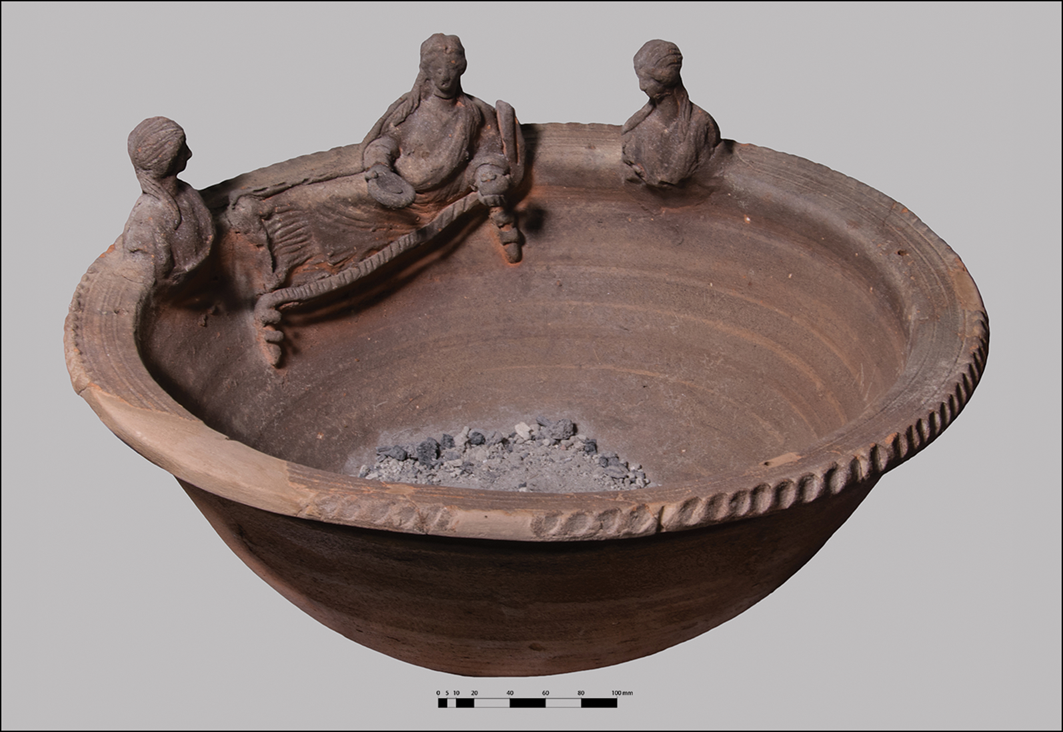
At the heart of this discovery are two humble incense burners, or censers, recovered from Pompeii and a nearby villa. These objects, once used in everyday religious practices, contained preserved ash residues thanks to the volcanic eruption. For the first time, scientists have applied advanced biomolecular and microscopic techniques to identify exactly what substances ancient Romans burned in their homes.
The results are both surprising and revealing.
The Scent of Worship in Ancient Rome
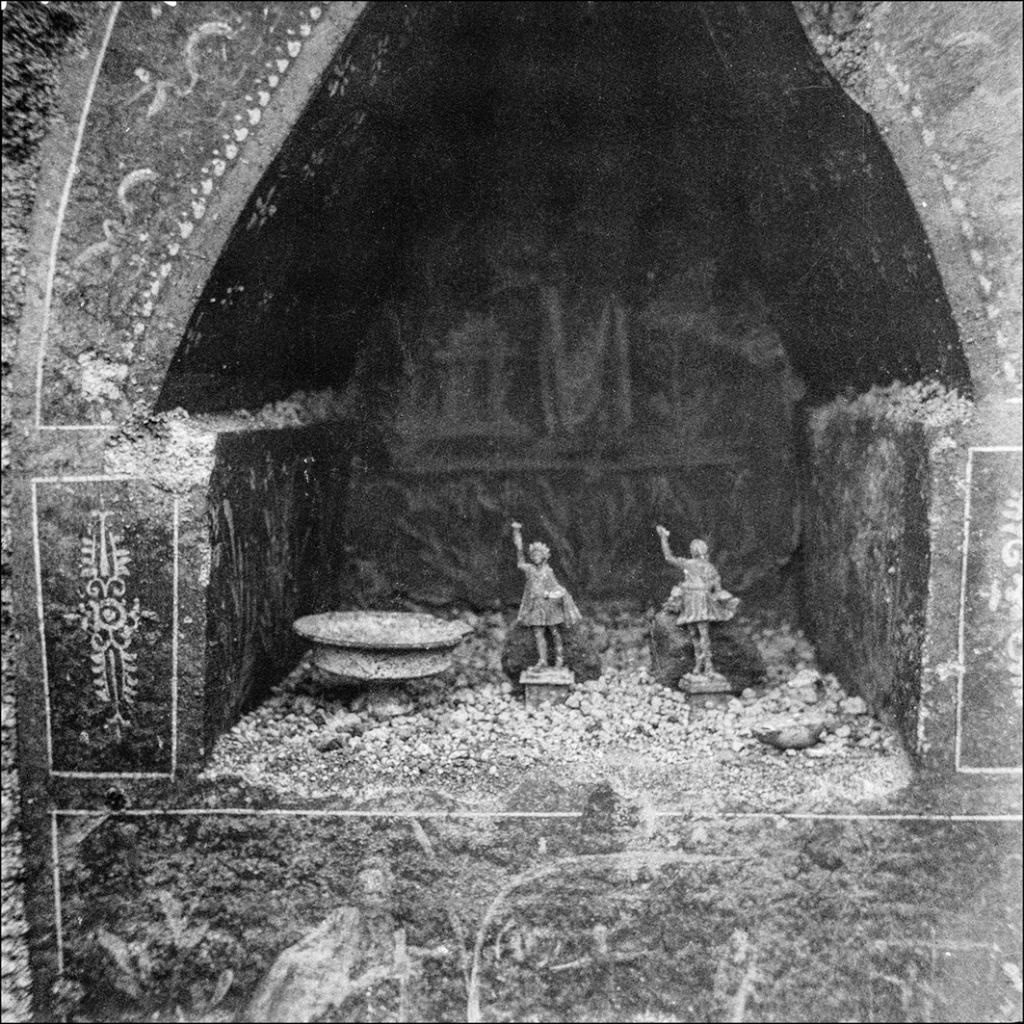
Roman domestic religion revolved around household shrines known as lararia, where families honored protective deities such as the Lares and Penates. Offerings typically included food, wine, and incense—rituals described in classical texts but rarely confirmed through physical evidence.
Now, science has brought these rituals vividly to life.
📣 Our WhatsApp channel is now LIVE! Stay up-to-date with the latest news and updates, just click here to follow us on WhatsApp and never miss a thing!!
The research team, led by Johannes Eber, analyzed microscopic plant remains, ash particles, and organic molecules preserved inside the censers. Their findings reveal that Pompeian households burned a mixture of local plant materials—such as wood, grasses, and possibly laurel or fruit trees—alongside more exotic substances.
Among the most striking discoveries was the presence of aromatic resins from the Burseraceae family, likely originating from tropical regions of Africa or Asia. These resins, similar to frankincense or elemi, were highly valued in antiquity for their fragrance and ritual significance.
“This is the first archaeological evidence of imported incense being used in Pompeian domestic cult practices,” the study notes.
A Global Network Hidden in Ash
The presence of these exotic resins transforms our understanding of Pompeii. Far from being an isolated provincial town, it was deeply embedded in long-distance trade networks that stretched across continents.
Goods such as incense, spices, and luxury items traveled from India, Arabia, and sub-Saharan Africa through complex trade routes, often passing through Egypt and Mediterranean ports before reaching Italy.The detection of these materials in a modest household altar suggests that even ordinary residents had access to globally sourced commodities.
This aligns with other archaeological finds, such as imported artifacts and botanical remains, but the new study provides something uniquely tangible: the actual substances burned in daily rituals nearly 2,000 years ago.
In one censer, researchers also identified chemical markers consistent with grape products—possibly wine. This supports historical accounts describing ritual libations, where wine was poured alongside incense offerings as part of sacred ceremonies.
Science Meets Sensory Archaeology
The study represents a major step forward in the emerging field of “sensory archaeology,” which seeks to reconstruct ancient experiences—how people smelled, tasted, and interacted with their environment.
Using techniques such as gas chromatography–mass spectrometry (GC-MS) and phytolith analysis, scientists were able to detect molecular traces invisible to the naked eye. These methods revealed not only the types of plants burned but also whether substances had been exposed to heat, confirming their use in ritual combustion.
According to Maxime Rageot, who conducted the biomolecular analysis, such approaches are essential for bridging the gap between archaeological artifacts and lived human experience.
Meanwhile, Philipp W. Stockhammer of LMU emphasized the interdisciplinary nature of the research, noting that combining chemistry, archaeology, and history allows scholars to reconstruct ancient practices with unprecedented detail.
Everyday Rituals, Extraordinary Insights
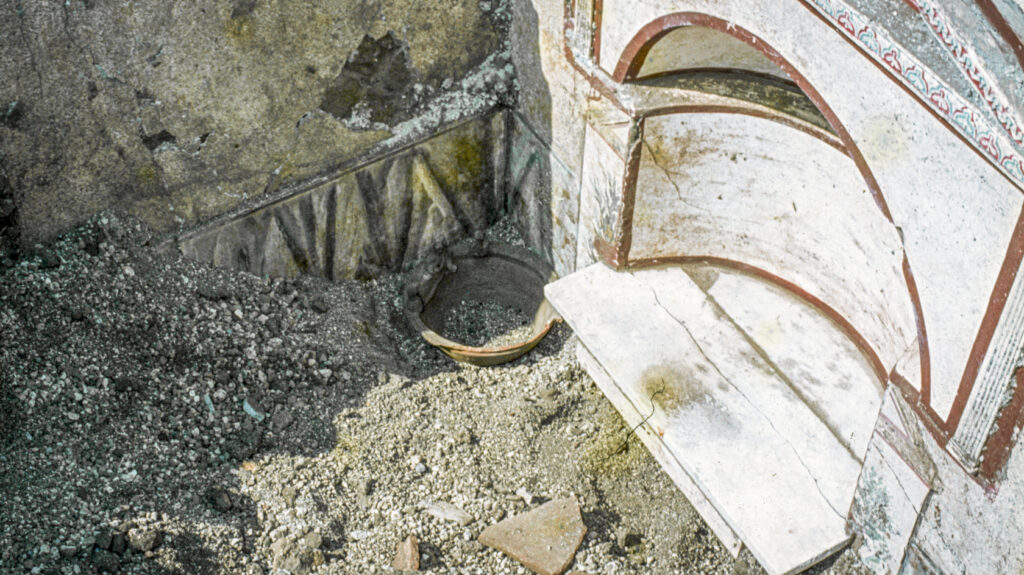
The censers themselves tell stories beyond their contents. One was found in a domestic shrine within a rural villa, alongside objects associated with ancestor worship. The other came from a building undergoing renovation at the time of the eruption, suggesting that ritual practices were integrated into both private and transitional spaces.
Together, these findings paint a vivid picture of Roman life: families gathering at household altars, offering fragrant smoke and wine to their gods, using both locally sourced plants and imported luxuries.
Even the choice of materials carried symbolic meaning. Certain plants were associated with specific deities—oak with Jupiter, laurel with Apollo—while incense was believed to carry prayers to the divine through its rising smoke.
Pompeii’s Endless Story
Today, institutions like the Pompeii Archaeological Park continue to uncover new layers of this ancient city. As director Gabriel Zuchtriegel has noted, Pompeii remains an unparalleled source of information about the Roman world.
This latest research underscores that potential. By examining something as seemingly ordinary as ash, scientists have revealed a complex web of cultural, economic, and spiritual connections.
Pompeii was not just a city frozen in time—it was a vibrant hub linked to distant lands, where global trade influenced even the most personal aspects of life.
And in the faint traces of ancient aromas, we catch a glimpse of a world that was far more interconnected than we once imagined.
Eber J, Gur-Arieh S, Power RC, Rageot M, Stockhammer PW. Ashes from Pompeii: incense burners, residue analyses, and domestic cult practices. Antiquity. Published online 2026:1-20. doi:10.15184/aqy.2026.10320
Cover Image Credit: Terracotta incense burner with the investigated ash residues. The rim is adorned with three female figures, probably depicting deceased persons who were venerated after their death. (Image: Parco Archeologico di Pompeii. Fotograf: Johannes Eber). Credit: Eber J, 2026, Antiquity