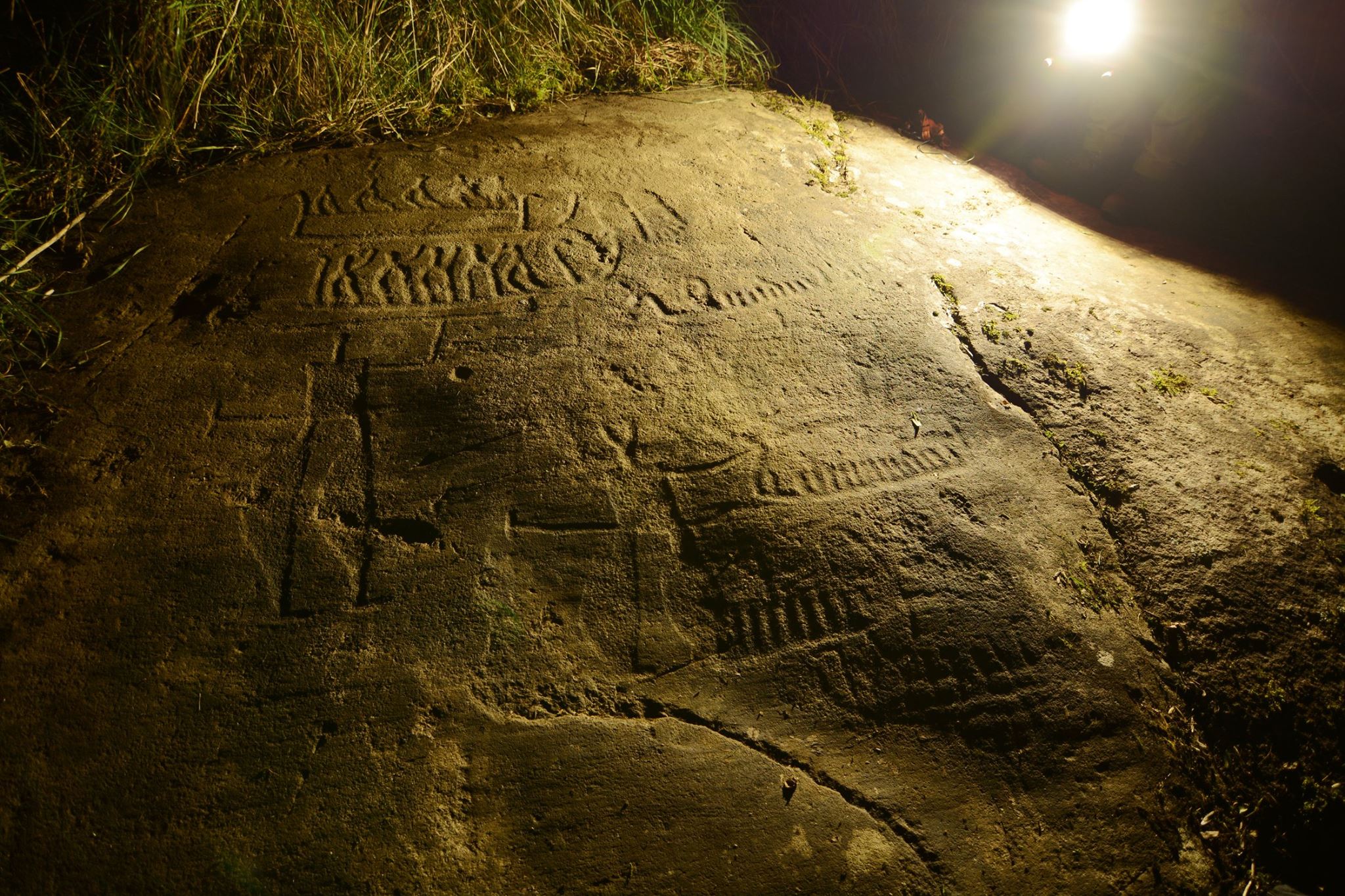
A recent discovery beneath Kolsåstoppen, a hill located in Bærum in Eastern Norway, has brought renewed attention to Norway’s prehistoric rock carvings and the people who created them more than 3,000 years ago. According to a report by Science Norway, experienced rock carving hunter Tormod Fjeld unexpectedly came across a remarkable concentration of carvings while driving his daughter to a nearby location. What began as a routine glance at the surrounding terrain quickly turned into the discovery of several exceptionally well-preserved carvings etched into the rock.
Among the most striking figures are large ship carvings, a recurring and highly significant motif in Scandinavian rock art. These ships, some carved upright and others inverted, are believed to date back to the Nordic Bronze Age (approximately 1800–500 BCE). Archaeologists widely interpret such ship imagery as symbolic representations of travel, trade, ritual journeys, or cosmological beliefs linked to the sun and the afterlife. Similar ship carvings have been found in well-known rock art sites such as Tanum in Sweden and Alta in northern Norway, suggesting shared cultural and symbolic traditions across large parts of prehistoric Scandinavia.
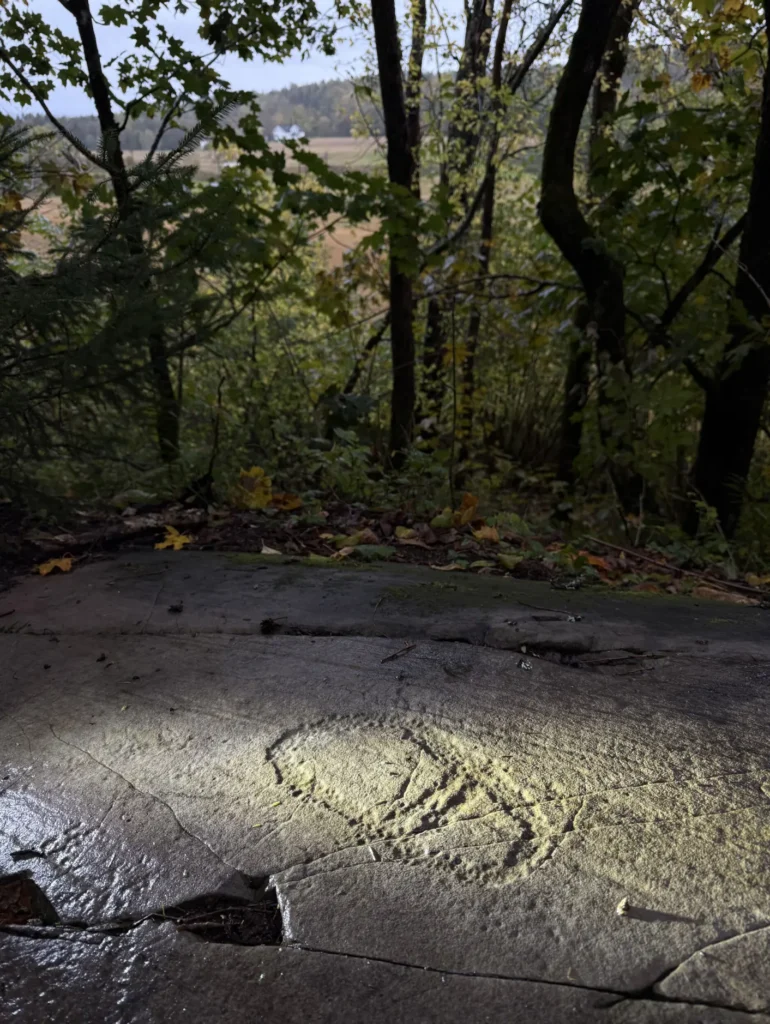
In addition to ships, Fjeld identified a large footprint depicting the sole of a foot, as well as a hand with five thick fingers. Human body parts are relatively rare in Norwegian rock art compared to animals and ships, making these motifs particularly intriguing. Researchers often associate footprints and handprints with ritual presence, territorial markers, or symbolic acts of identity and ownership. Comparable carvings in other Nordic regions have been interpreted as expressions of power, participation in ceremonies, or connections between humans and sacred landscapes.
Understanding the Landscape as a Key to Discovery
Fjeld emphasizes that successful rock carving discovery is not based on chance alone but on an in-depth understanding of the landscape. In his interview with Science Norway, he explains that interpreting terrain features—such as ancient shorelines, rock surfaces facing the sun, and proximity to prehistoric waterways—is crucial. During the Bronze Age, sea levels were significantly higher, meaning many carvings that are now inland were once located near the coast. This pattern is consistent with findings across Norway, where rock carvings are frequently situated along former maritime routes.
This landscape-based approach not only helps locate carvings but also provides insight into how prehistoric people interacted with their environment. Fjeld notes that this method creates a sense of closeness to the original carvers, allowing modern observers to better understand the choices and meanings behind the placement of the images.
📣 Our WhatsApp channel is now LIVE! Stay up-to-date with the latest news and updates, just click here to follow us on WhatsApp and never miss a thing!!
Archaeological Significance and Limited Resources
Reidun Marie Aasheim, an archaeologist with Akershus County Municipality, described the discoveries as “very exciting” in comments to the Norwegian newspaper Budstikka, as cited by Science Norway. She highlighted that many cultural heritage sites in Norway remain undocumented due to limited resources. Official archaeological surveys are often only conducted when infrastructure projects, such as road construction or housing developments, are planned. As a result, the systematic exploration carried out by dedicated amateurs like Fjeld plays an important role in expanding knowledge of Norway’s prehistoric heritage.
Fjeld’s contributions are not limited to Bærum. Across the Oslofjord in Frogn municipality near Drøbak, the number of known rock carving sites has dramatically increased. While only ten sites had previously been recorded, Fjeld has uncovered more than 70 new locations since 2023. This sharp rise underscores how much remains undiscovered and suggests that southeastern Norway may hold one of the densest concentrations of rock art in the region.
Rare Sandstone Carvings in Eastern Norway
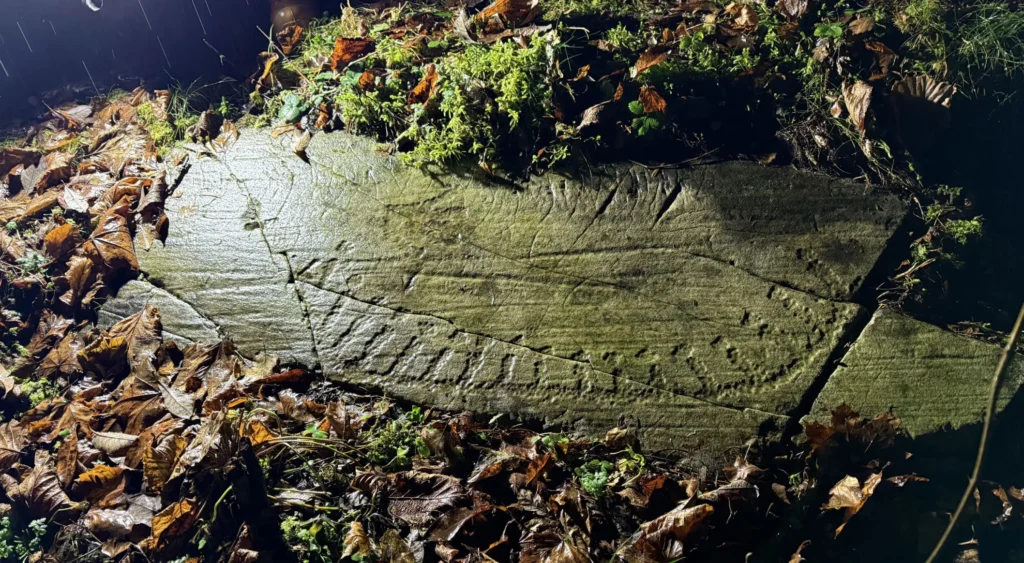
One particularly unusual aspect of the Bærum discovery is the material used. The carvings are etched into sandstone rather than the hard granite more commonly found in Østfold and other parts of Eastern Norway. Sandstone offers a softer surface, allowing individual tool strikes to remain visible as small indentations. This provides valuable information about carving techniques and tools used during the Bronze Age. In contrast, granite carvings tend to be more densely pecked, often obscuring individual marks.
Sandstone rock carvings are less durable and therefore rarer, making their preservation especially significant. Their existence also suggests that prehistoric artists adapted their techniques to local geological conditions, demonstrating both skill and flexibility.
Expanding the Picture of Prehistoric Norway
Taken together, these discoveries add important detail to the broader understanding of Bronze Age society in Norway. The ships, human motifs, and choice of location all point to a culture deeply connected to the sea, ritual practices, and symbolic expression.
As Science Norway reports, Fjeld believes that many more carvings remain hidden in the landscapes of Asker and Bærum. If so, future finds may further reshape current interpretations of Norway’s prehistoric past and strengthen connections between Scandinavian rock art traditions as a whole.
Cover Image Credit: Tormod Fjeld.