Archaeologists studying inscriptions in Egypt’s famous Valley of the Kings have uncovered fascinating evidence that travelers from India visited the site nearly 2,000 years ago — and some of them even left graffiti behind.
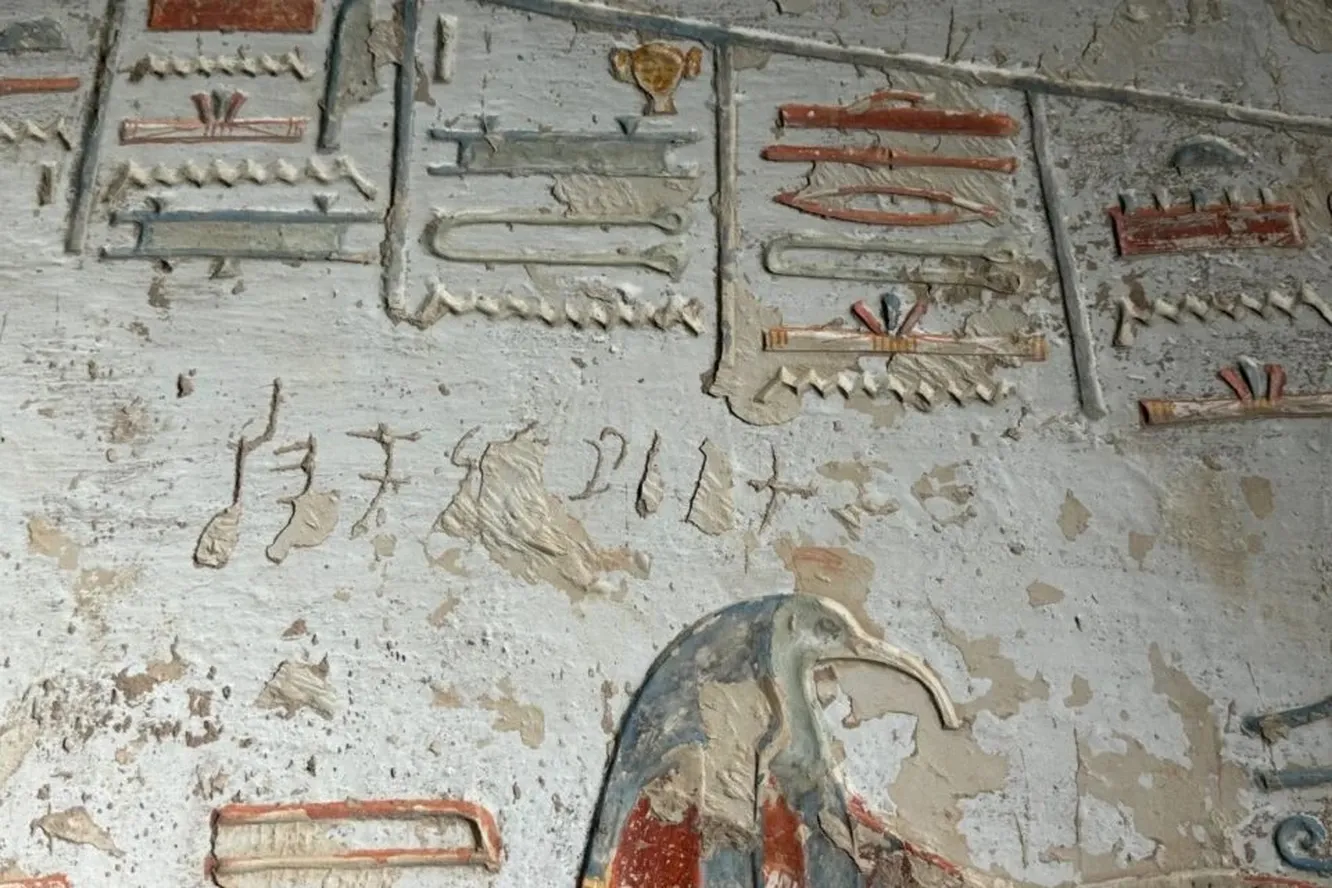
Researchers recently identified around 30 inscriptions written in ancient Indian languages on the walls of Egyptian tombs. Among the most prolific visitors was a man named Cikai Korran, who carved his name at least eight times in Old Tamil. The discoveries provide new insights into ancient travel and trade networks connecting South Asia and the Mediterranean world.
Ancient Visitors to the Valley of the Kings
The Valley of the Kings, located on the west bank of the Nile near Luxor, is one of the most famous archaeological sites in the world. It served as the burial place for Egyptian pharaohs and powerful nobles during the New Kingdom period.
However, centuries after those burials, the valley had become a major attraction for travelers.
According to research presented at an academic conference on Tamil epigraphy in Chennai in February 2026, the newly identified inscriptions date to roughly the first to third centuries A.D. At that time, Egypt was part of the Roman Empire, and the Valley of the Kings functioned much like a historical tourist destination.
📣 Our WhatsApp channel is now LIVE! Stay up-to-date with the latest news and updates, just click here to follow us on WhatsApp and never miss a thing!!
Visitors from many regions would explore the ancient tombs and leave inscriptions on their walls — a practice similar to modern travelers writing “I was here.”
“Cikai Korran Came Here and Saw”
One visitor appears to have been particularly enthusiastic about documenting his presence.
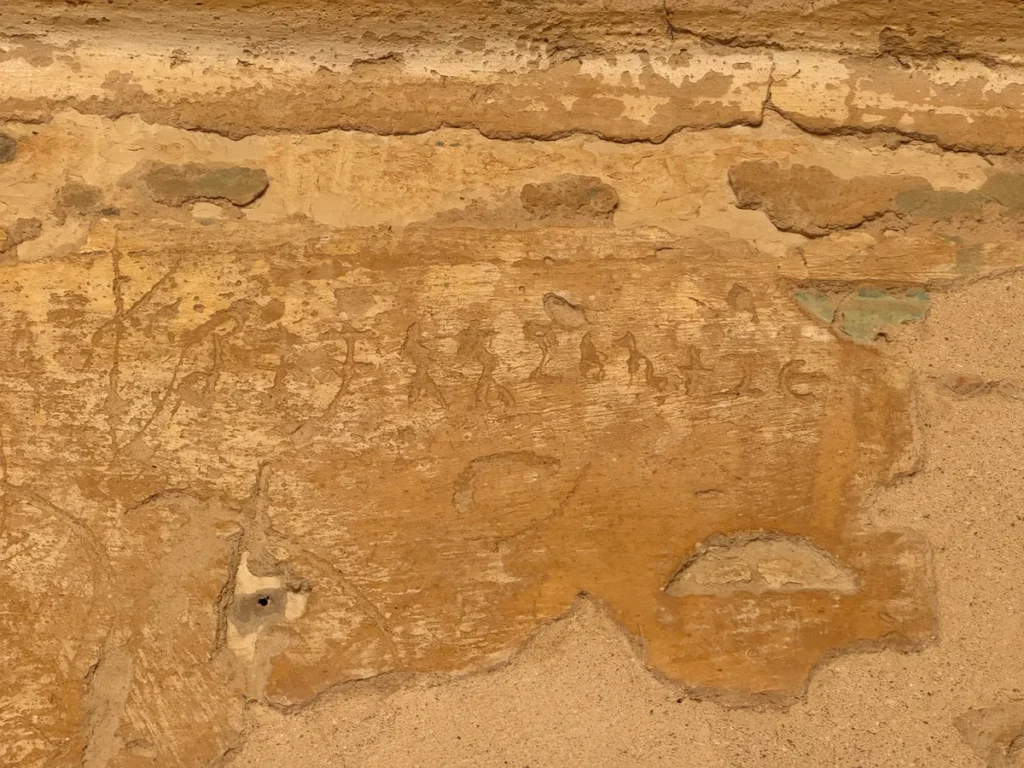
Cikai Korran wrote his name multiple times across several tombs using Old Tamil. Researchers translated his short inscriptions as something similar to: “Cikai Korran came here and saw.”
The traveler left his mark in at least five different tombs. In one remarkable example, his inscription appears 5 to 6 meters (16 to 20 feet) above the tomb entrance of the tomb of Pharaoh Ramesses IX.
How Korran managed to carve his name so high above the entrance remains a mystery.
Some scholars suspect he may have climbed or used temporary supports to reach the location. Others suggest he might have been determined to leave his mark somewhere especially visible.
Who Was Cikai Korran?
Despite the number of inscriptions, historians still know very little about the man himself.
Because his writings are in Old Tamil, researchers believe he likely came from southern India. However, his profession and social status remain uncertain.
Scholars have proposed several possibilities. Korran might have been a merchant traveling along trade routes, a mercenary soldier, a diplomat, or even a member of a regional elite.
His frequent inscriptions suggest he was eager to commemorate his visit — much like travelers today who take photos or leave comments at famous landmarks.
Other Indian Travelers in Ancient Egypt
Cikai Korran was not the only South Asian visitor to leave inscriptions in the Valley of the Kings.
Researchers discovered texts written in three ancient Indian languages, including Sanskrit and Old Tamil. One Sanskrit inscription was left by a man named Indranandin, who described himself as a “messenger of King Kshaharata,” a dynasty that ruled parts of India during the first century A.D.
Scholars believe Indranandin may have arrived in Egypt via the Red Sea port of Berenike, a key hub in ancient trade between India and the Roman world. From there, travelers could journey inland to famous sites like the Valley of the Kings.
According to experts quoted by Live Science, the inscriptions demonstrate that visitors from India were not merely passing through Egypt for trade. They were also interested in exploring its culture and historic monuments.
Egypt: An Ancient Tourist Destination
The Valley of the Kings had already been attracting travelers for centuries by the Roman period.
In fact, researchers documented more than 2,000 graffiti inscriptions in the tombs as early as the early 20th century. Most of those texts were written in Greek or Latin, reflecting the dominant languages of the Roman world.
The newly analyzed Indian-language inscriptions expand the picture of who visited the site.
As reported by Live Science, the discoveries show that people from South Asia were part of a diverse community of ancient travelers exploring Egypt’s most famous landmarks.
Evidence of Ancient Global Connections
Beyond their novelty, these inscriptions also reveal the depth of connections between ancient civilizations.
Trade routes across the Indian Ocean and the Red Sea connected India with Egypt and the Roman Empire. Ships regularly carried spices, textiles, gemstones and other goods between the regions.
Ports such as Berenike and Myos Hormos served as key entry points for merchants and travelers arriving from India.
The graffiti left in the Valley of the Kings now provides rare personal evidence of those journeys. Rather than simply appearing in trade records or historical texts, travelers like Cikai Korran literally carved their presence into the stone walls of history.
Researchers believe further study of Egyptian monuments could uncover even more inscriptions written by visitors from distant lands — offering new clues about the movement of people, ideas and cultures across the ancient world.
Cover Image Credit: Ingo Strauch