30 January 2026 The Future is the Product of the Past

3,000-Year-Old Huge Settlement Discovered in Northern France

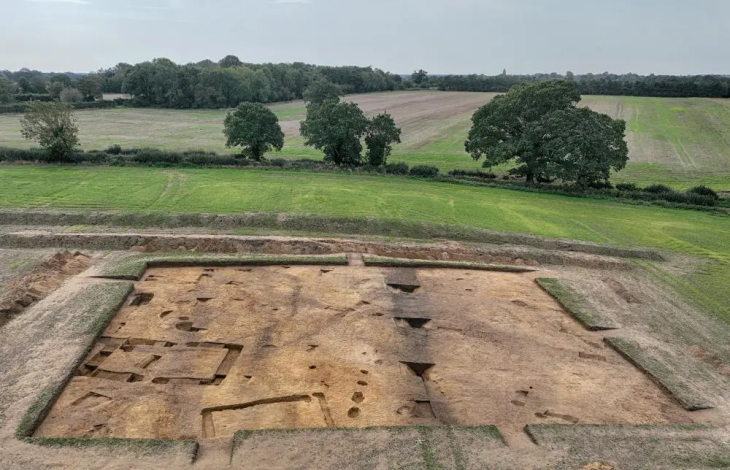
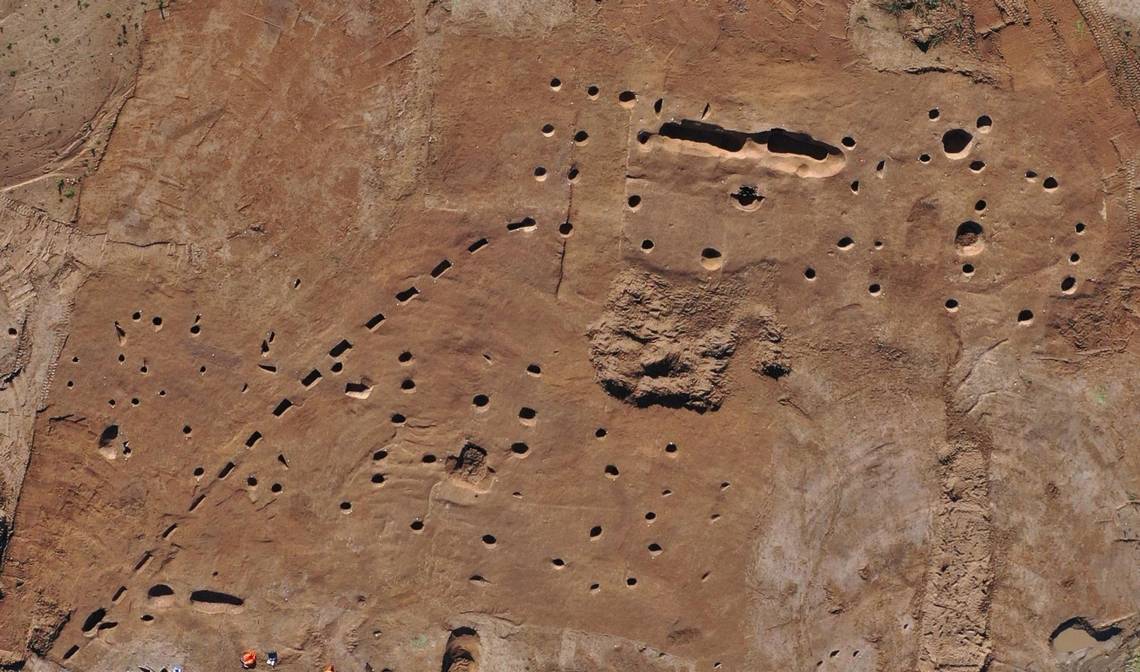
Archaeologists have unearthed a remarkable settlement in the Hauts-de-France region, dating back to the Late Bronze Age and early Iron Age, approximately three millennia ago. This significant discovery, made during excavations at the Escaut Valley Business Park in Onnaing, reveals a densely packed village that may have served as a central hub for communal activities, including large meals.

The site spans over 7.4 acres and has yielded more than twenty buildings, some of which are rectangular in shape and extend over 25 meters (80 feet) in length. The architectural layout suggests a well-organized settlement, indicating its importance within a broader network of prehistoric communities in the region. The concentration of structures and artifacts points to a vibrant social and economic life, with evidence of daily activities such as spinning, weaving, metallurgy, and food storage.

Among the intriguing finds is a well-preserved wooden box, measuring approximately 18 inches on each side, which has left researchers puzzled about its original purpose. Constructed with minimal metal components and vertical planks, the box’s contents remain a mystery, prompting further investigation into its use.
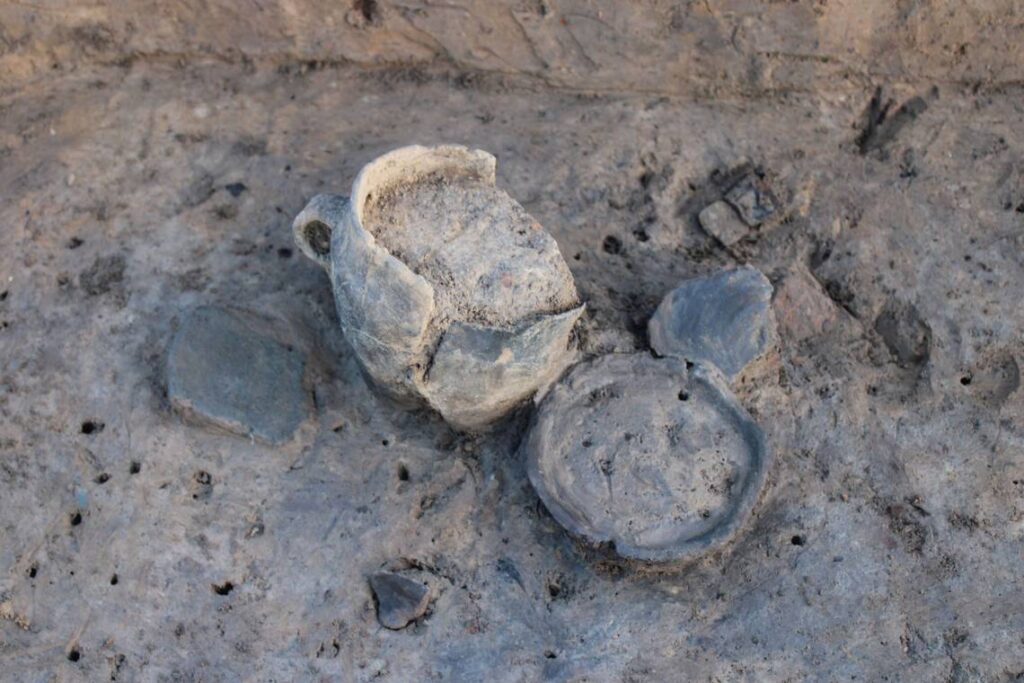
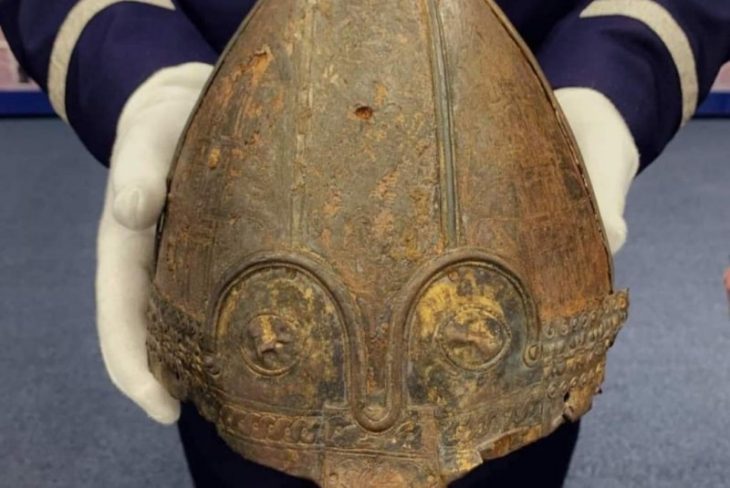
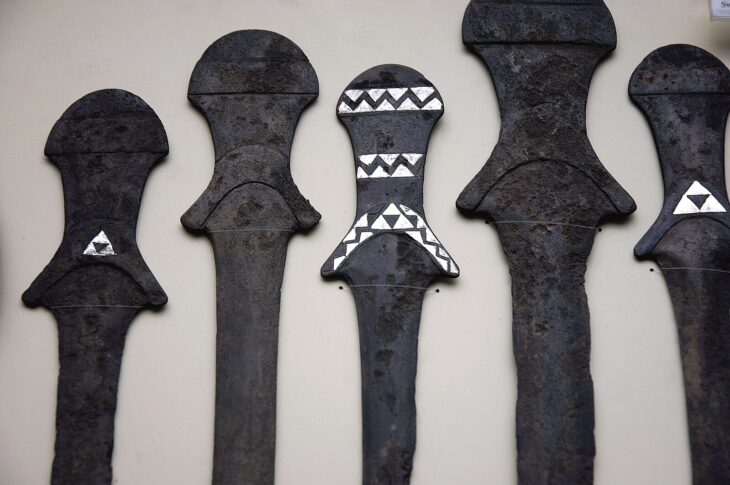
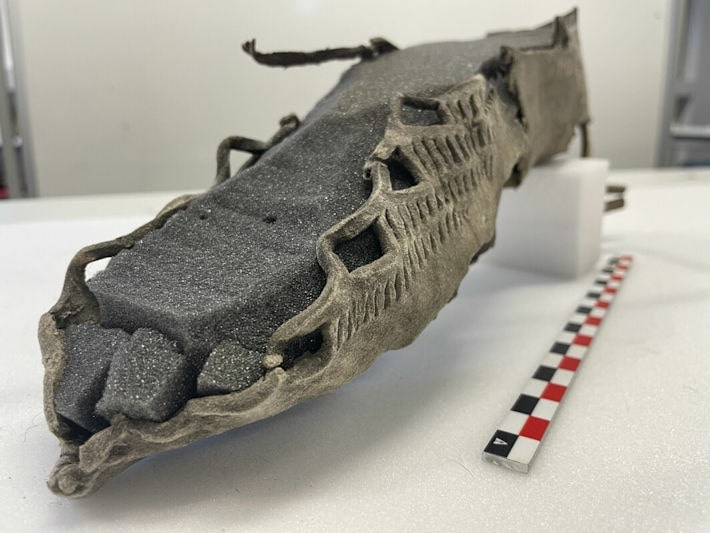
Items found at the settlement show both everyday and artisanal use. Credit: Mina Joseph/INRAP

Additionally, the excavation revealed various combustion structures, including large circular pits and rectangular ovens, which have raised questions about their function. The circular pits, found within the dwellings, were filled with materials exposed to high temperatures, suggesting they may have been used for cooking or ceramic production. One particularly large circular oven, excavated as a silo, features a thick refractory base, indicating it was subjected to intense heat.

The findings from Onnaing contribute significantly to our understanding of prehistoric life in northern France, complementing existing archaeological evidence from the area. Researchers believe that the settlement may have held a special status within its society, acting as a key point of interaction among neighboring communities.


📣 Our WhatsApp channel is now LIVE! Stay up-to-date with the latest news and updates, just click here to follow us on WhatsApp and never miss a thing!!
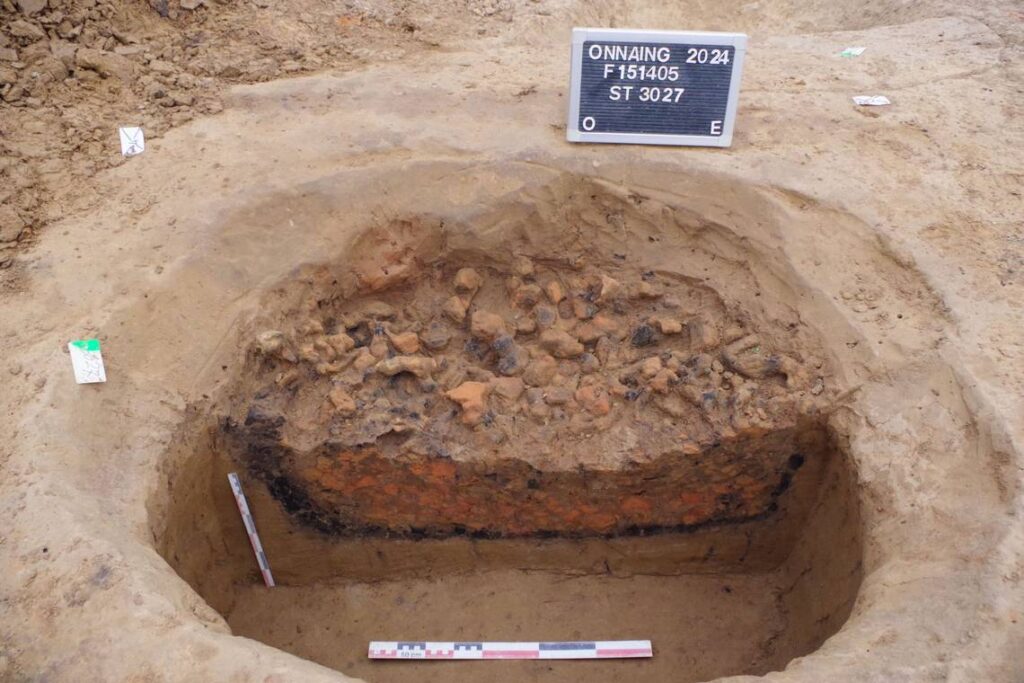


Large ovens were built into a shape that complemented the building where they were held, researchers said. Credit: Clément Dournel/INRAP

As excavations continue, experts are hopeful that further analysis of the recovered materials will shed light on the social, economic, and technological dynamics of these ancient inhabitants, enriching our knowledge of their way of life and the role they played in the region’s history.

French National Institute for Preventive Archaeological Research (INRAP)

Cover Image Credit: French National Institute for Preventive Archaeological Research. Fredéric Audouit / Inrap

Related Articles

Early Farmers in Central Asia? 9,000-Year-Old Barley Harvest in Uzbekistan Challenges Agricultural Origins

1 September 2025

1 September 2025

Archaeologists have uncovered groundbreaking evidence in southern Uzbekistan that reshapes our understanding of when and where farming began. A new...

Bronze belt of Urartian warrior found in the ancient city Satala

29 May 2022

29 May 2022

During the excavations in the ancient city of Satala, located in the Kelkit district of Gümüşhane province in Turkey, a...

Ancient Warrior Vessel Discovered at Chankillo, The Oldest Solar Observatory in the Americas

1 September 2025

1 September 2025

Archaeologists have uncovered a fragmented vessel depicting a warrior at Chankillo, the oldest solar observatory in the Americas, located in...

The Carthaginian Elephant in the Oppidum: New Archaeological Evidence of War Elephants in the Second Punic War

27 January 2026

27 January 2026

Archaeologists in Córdoba uncover the first physical evidence of Carthaginian war elephants in Western Europe, shedding new light on the...

Archaeologists Uncover Large Roman-Era Complex Beneath Modern Melun

18 June 2025

18 June 2025

Archaeologists have uncovered significant remnants of the ancient Roman city of Metlosedum, now modern-day Melun, in a recent excavation revealing...

Receding waters in Lake Van reveal rock-cut Urartian port

22 September 2022

22 September 2022

Located in the eastern province of Van in Turkey, the falling water level of Lake Van, with the decrease in...

Archeologists Unearth Spectator snacks from the Roman Period in Colosseum

28 November 2022

28 November 2022

An excavation of the Colosseum’s sewer systems has uncovered a selection of spectator snacks from the Roman Period. It appears...

The ashes of 8,000 victims were found in two mass graves near the Soldau concentration camp in Poland

14 July 2022

14 July 2022

Polish authorities said they had unearthed two mass graves near the former Nazi concentration camp Soldau containing the ashes of...

The mystery of the silver bracelets of Queen Hetepheres in her celebrated tomb at Giza solved

2 June 2023

2 June 2023

The discovery of silver bracelets in the tomb of Queen Hetepheres I, wife of Pharaoh Snofru and mother of Pharaoh...

The very unknown ancient city of the Mediterranean; Syedra

3 July 2022

3 July 2022

Known as Turkey’s holiday paradise, the Antalya region is a treasure when it comes to ancient cities. Close to the...

Long-Awaited Excavation to Commence at Mount Ararat ‘Noah’s Ark’ Site

9 May 2025

9 May 2025

The legendary search for Noah’s Ark, a tale that has captivated imaginations and spurred countless expeditions for generations, is poised...

Two mysterious stone balls were found buried in a tomb dating to 3500 BC in Orkney

2 September 2021

2 September 2021

In Orkney, archaeologists discovered two carved stone balls in a tomb dating from 3500 BC. Archaeologists are on-site at Tresness,...

The human remains of 29 people buried as offerings in a pre-Inca temple were found at the Huaca Santa Rosa de Pucalá excavation site

23 October 2021

23 October 2021

The human remains of 29 people buried as sacrificial offerings have been discovered in a pre-Inca temple in northern Peru....

Paleontologists discovered Super-sized fossil skink

14 June 2023

14 June 2023

According to newly discovered fossils, a giant skink with spiky armor and powerful jaws roamed New South Wales until about...

Bronze Age and Roman-era settlements unearthed in Newquay

10 April 2023

10 April 2023

Archaeologists from the Cornwall Archaeological have uncovered ancient dwellings from the Bronze Age and a Roman period settlement in Newquay,...