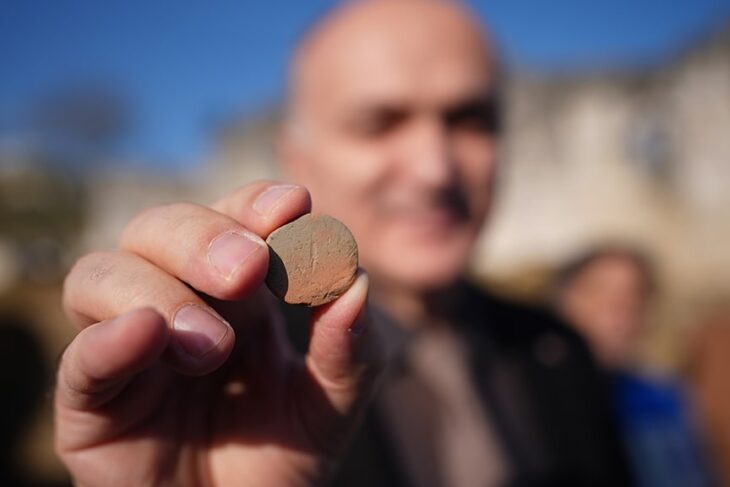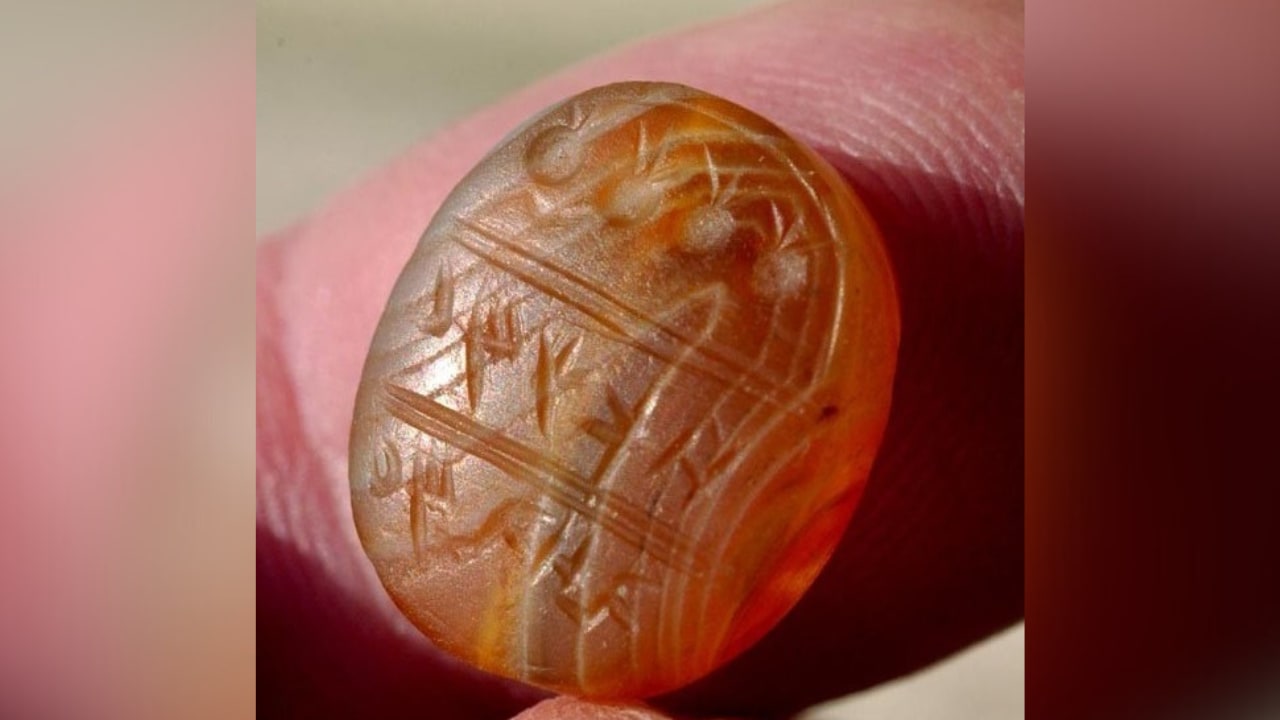
A small gemstone, carved nearly 2,700 years ago, has resurfaced during modern construction works in northern Israel — and it carries a name from the biblical Kingdom of Judah.
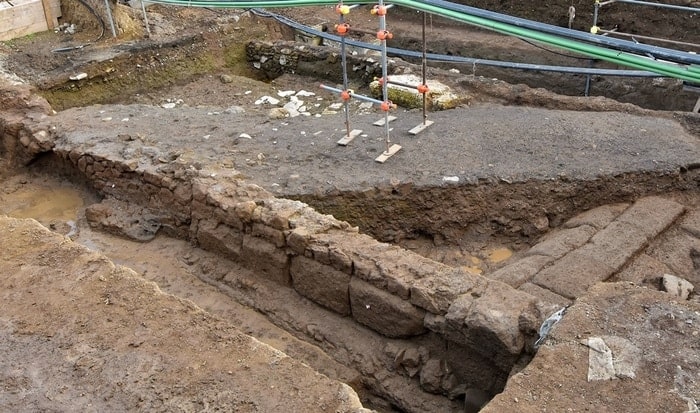
The light brown stone seal was uncovered by the Israel Antiquities Authority (IAA) during excavations conducted ahead of the construction of the Ein Tut Interchange. Archaeologists Dr. Amir Gorzalczany and Gerald Finklestein led the dig, which revealed a finely crafted object dating to the late 8th century BC, a turbulent period in the history of the Kingdom of Judah.
Experts believe the seal once belonged to a high-ranking administrative official. Made from a polished gemstone and divided decoratively into three sections, it was likely worn as a pendant around its owner’s neck. The upper panel features four carved pomegranates — a symbol often associated with royal and cultic imagery in ancient Judah. Beneath them, an ancient Hebrew inscription reads: “Belonging to Makhach (son of) Amihai.”
The inscription was deciphered by the late archaeologist David Amit together with Dr. Esther Eshel of Bar-Ilan University. Amit emphasized the seal’s exceptional importance, noting that unlike many similar artifacts that surface through the antiquities market, this example was recovered in a controlled archaeological excavation. That secure context significantly strengthens its historical value.
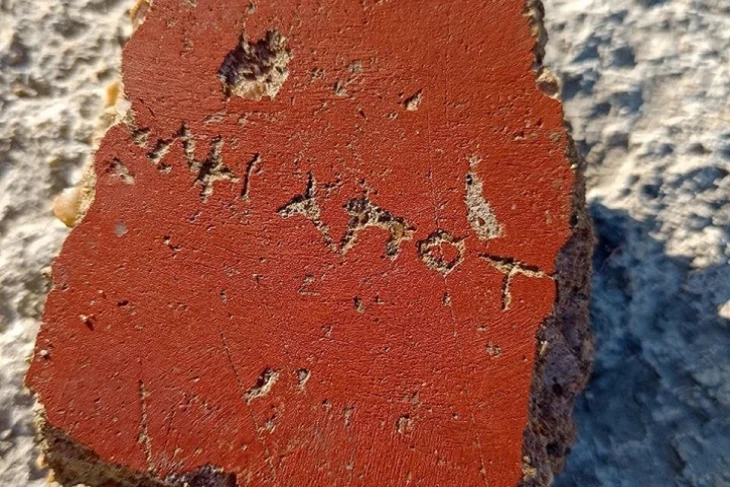
Additional discoveries at the site deepen its significance. Archaeologists also uncovered jar handles stamped with royal seal impressions reading “Belonging to the King,” along with the names of Hebron and the ancient city of Ziph — both key administrative centers during the final decades of the First Temple period.
📣 Our WhatsApp channel is now LIVE! Stay up-to-date with the latest news and updates, just click here to follow us on WhatsApp and never miss a thing!!
While royal seal impressions are commonly found in Judah, their discovery this far north — within territory historically associated with the Kingdom of Israel — is particularly striking. The find may offer new insights into the administrative reach and political dynamics of the late 8th century BC Levant.
Cover Image Credit: Israel Antiquities Authority